 Hui Lin
What's Inside This Guide
I once watched a guy in flip-flops try to walk the entire 6-kilometer loop at 1 PM in July. He made it maybe 500 meters before he turned around, red-faced and defeated. The Pingyao ancient city wall walking tour is absolutely worth it—but only if you do it right.
Most visitors treat the wall as a quick photo stop. That's a mistake. The wall is a 600-year-old Ming dynasty defense system with hidden ramps, watchtowers, and perfectly framed views of the old city. But here's the thing: the information online about how to actually walk it is scattered and often outdated. I've been guiding here for years, and I've seen exactly where people get stuck. Let me save you the sunburn and the confusion.
See that quick navigation box above? It jumps you straight to the sections that matter. No fluff, just the stuff that will make or break your walk.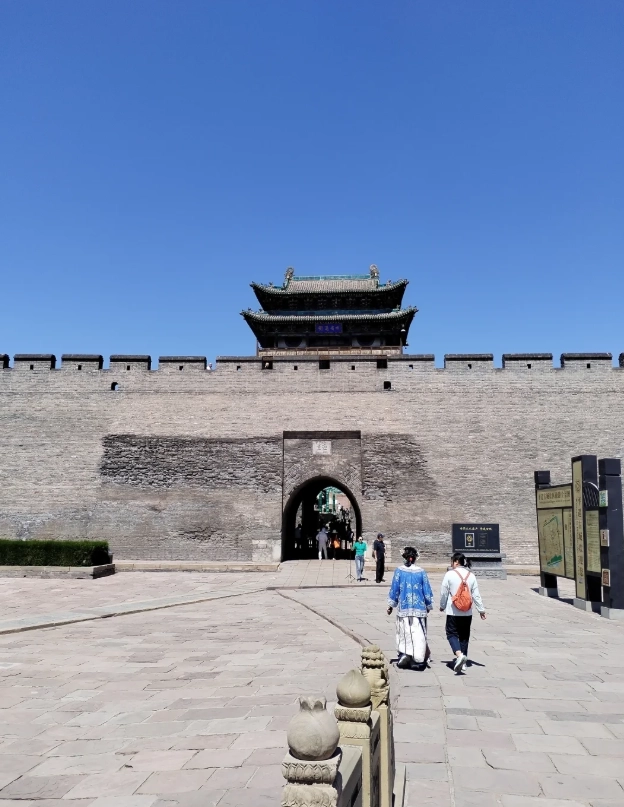
Ticket Logistics & Opening Hours
The wall is part of the Pingyao Ancient City ticket package, not a separate attraction. You can't just buy a wall-only ticket at the gate. The standard combo ticket covers the wall, Rishengchang Exchange House, the Confucian Temple, and about 20 other sites. Price is around 125 RMB for adults. Kids under 1.2 meters usually get in free, and seniors over 60 often get a discount with ID—but double-check on arrival because policies shift slightly.
Here's what most people don't realize: you need your passport to buy the ticket, and it's good for three days. Don't lose it. I've seen tourists pay for a second ticket because they left the first one at the hotel. Buy online via Trip.com or the official Pingyao mini-program if you can read Chinese—otherwise, just walk into the main ticket office near the North Gate with your passport in hand. It takes five minutes.
Opening hours shift by season. In summer (roughly April to October), the wall is open from 8:00 AM to 6:00 PM. Winter closes earlier, around 5:30 PM, and last entry is usually 30 minutes before closing. Avoid the middle of the day if you can—the stone steps radiate heat like a pizza oven.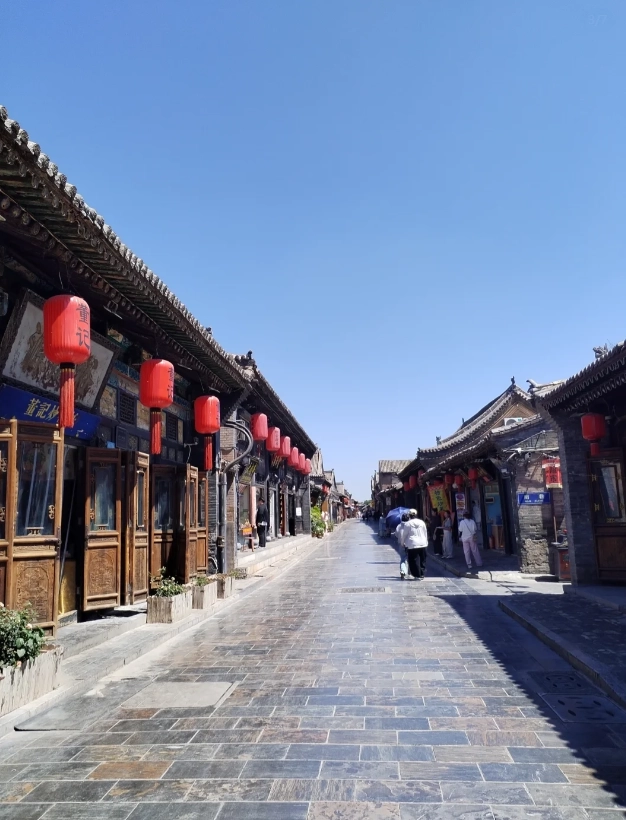
A Step-by-Step Route That Works
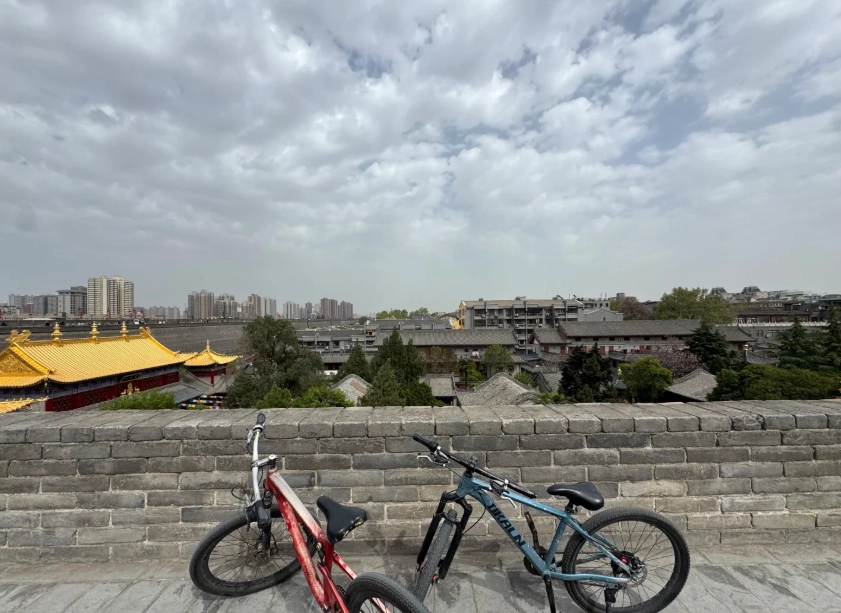
Start at the North Gate (Gongji Gate), not the South Gate. The south gate is the most famous entry point, which means the longest queue and the most tour groups. The north gate is quieter, has the same stunning view, and puts you on a segment of the wall that's wide enough to walk comfortably without being pressed against the parapet.
From the North Gate, walk east toward the East Gate. This stretch takes about 20 minutes at a relaxed pace. You'll pass three watchtowers and get a perfect view of the old city rooftops. The walk is mostly flat, with a few gentle ramps. Not once have I seen a wheelchair on this section—the stone steps at entry points make it difficult, though some gates have basic ramps. If mobility is a concern, stick to the North Gate and the first 300 meters; it's the most accessible part.
Exit at the East Gate and walk down the main street for lunch. That's your halfway point. If you're feeling energetic, continue south along the wall for another 40 minutes to reach the South Gate, then descend into the central temple area. But honestly, the east-to-south stretch is less shaded. I usually tell my clients to do the North-to-East section, plus a small loop back, rather than the full circle. The full loop takes about 2.5 hours with stops, and by hour two, your legs will feel it.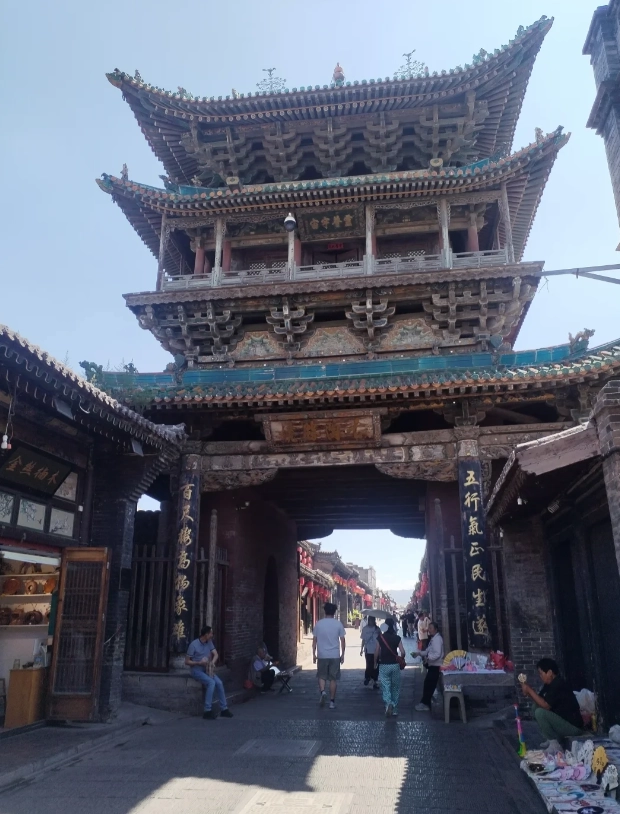
Pro Tip: The stone steps near the South Gate are steep and uneven. I've seen more than one twisted ankle there. Use the handrail, and skip the steps entirely if it's been raining—they get slick fast.
What's the Best Time to Walk the Wall?
Late afternoon, one hour before sunset, is the golden window. The light turns the grey bricks into a warm amber, the crowds thin out, and the temperature drops to something human. In summer, that means around 5 PM. In winter, aim for 3:30 PM. Morning is also decent—right at opening—but the light is flat and you'll be walking into the sun if you head east.
I know every blog says 'go early to beat the crowds.' That's true for the Forbidden City. Not here. The wall is long enough that crowds disperse quickly, and the late afternoon light is objectively better for photos. If you're a photographer, skip the sunrise entirely. The best shot is from the North Gate watchtower looking south at 5:30 PM in summer.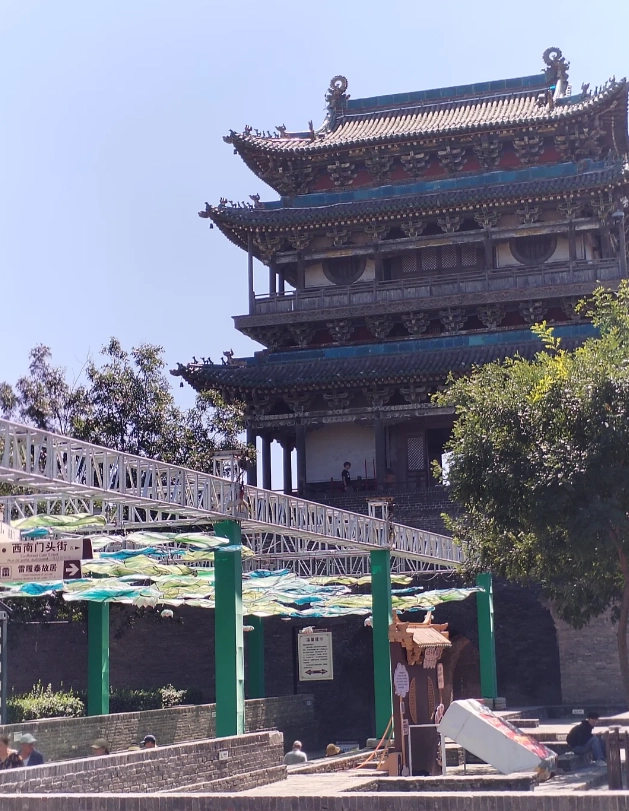
How to Avoid the Crowds and Heat
Walk on a weekday if possible, and avoid Chinese public holidays like the plague. I mean it. During Golden Week or the Spring Festival, the wall turns into a slow-moving river of selfie sticks. If your dates are fixed, go at 8 AM sharp or 5 PM sharp. Anything in between during a holiday is a recipe for a headache.
Heat is the other enemy. There is almost no shade on the wall. Bring a hat, bring water, and don't fool yourself into thinking a quick breeze will save you. The bricks reflect heat upward, so you're getting baked from above and below. I always carry a small hand fan in summer—you'll see locals doing the same.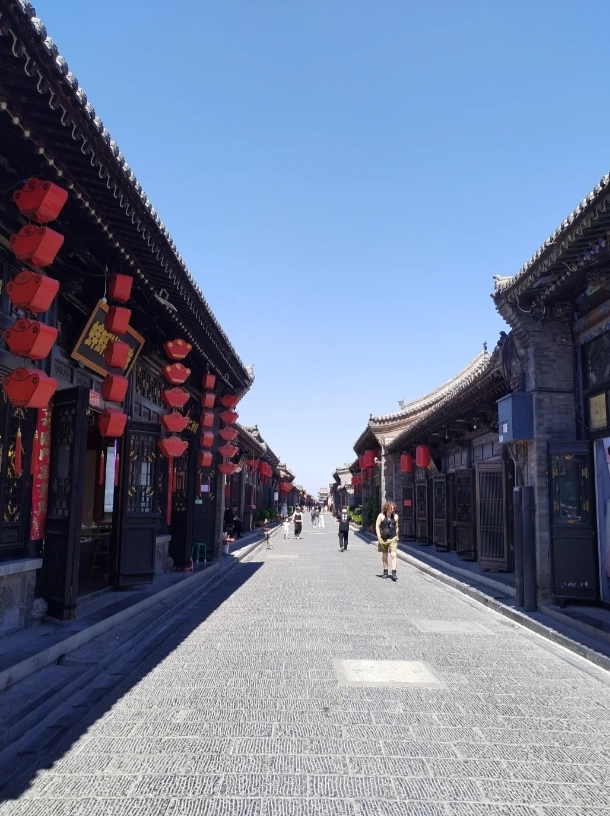
Pro Tips and Money-Savers
- Cash is still king for street snacks near the wall. Most small vendors won't accept a foreign credit card, and sometimes their WeChat/Alipay QR codes are only linked to local bank accounts. Carry 50–100 RMB in small bills for water and snacks.
- Use Apple Maps, not Google Maps. Google is inaccurate in China. Apple Maps shows the wall entrances and walking paths correctly, and it's in English.
- Don't buy the ticket from anyone outside a gate. Only official ticket windows or authorized online platforms sell legitimate passes. If someone waves a paper ticket at you, walk away.
- Bathrooms exist at the major gates, but they're basic. Use the one near the North Gate ticket office before you start—it's cleaner than the one halfway along the wall.
FAQ: Real Questions from My Tours
Every time I walk the wall, I notice something new—a bird's nest in a watchtower, a hidden ramp, a view that perfectly lines up with the distant mountains. It's not just a tourist checklist item. Give it time, go late, and skip the flip-flops. Your feet will thank you.
Verified and fact-checked by the editorial team. This content has been fact-checked to ensure informational precision.



No comments yet.