 Chen Liu
Let me be honest: Henan is not on most China first-timer's radar. That's their loss. I've brought group after group through its massive shadow, and the typical reaction is the same — 'Why didn't we come here sooner?'
So, is Henan worth visiting? Yes, but with a strategy. Skip the typical 5-day guided tour that packs you into a coach every morning. The real Henan rewards travelers who know where to go before sunrise and how to avoid the ticket-office queues.
Here's the short answer: spend priority time in Luoyang for the Longmen Grottoes, make a half-day trip to the Shaolin Temple, then get lost in Kaifeng's night food market. Everything else is optional. Now, let me walk you through the details so you can ditch the tourist traps.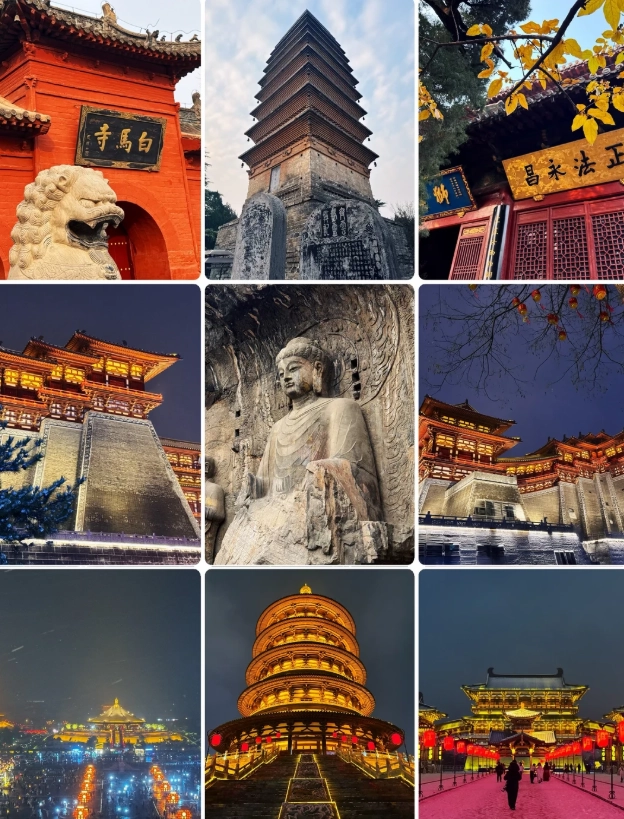
What Makes Henan Worth Visiting This Decade?
Henan is the literal birthplace of Chinese civilization. The early dynasties left their bones here, and the words 'China' and 'Henan' are connected in ways most travelers miss. If you want to understand the country beyond the Great Wall and the skyline of Shanghai, this province is the missing chapter.
I often tell my clients: if Xi'an is a museum piece, Henan is a living excavation site. You don't just look at history here — you taste it, you climb it, and you accidentally step on it in the marketplace. In Luoyang alone, you have the Longmen Grottoes, a UNESCO World Heritage site that rivals anything in the ancient world. The sheer scale of the carved Buddhas will make you forget the short hike to reach them.
Compared to Beijing's cramped Forbidden City, Henan feels more open and less tour-polished. It's real China — a bit raw, a bit chaotic, but packed with moments that will stick with you long after you've left.
Top 4 Henan Attractions You Should Not Miss
Each of these deserves a slot in your itinerary. I'm not ranking them as 1, 2, 3; instead, use this as a filter for your own interests.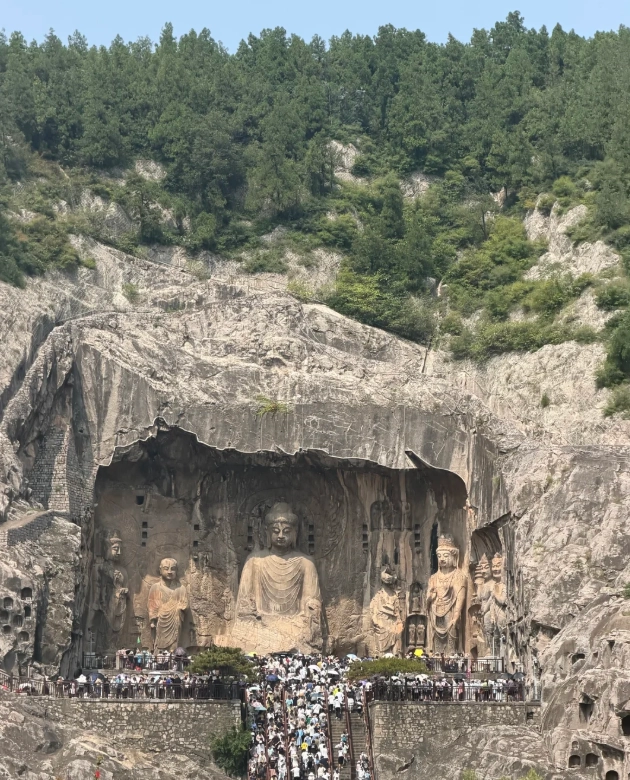
Longmen Grottoes: A Must-See Spectacle
Insider Advice: Many guides tell you to visit Longmen at sunrise. Do the opposite. Book a time slot after 3 PM — the western-facing cliffs glow golden and the tour groups have already left.
Book the first time slot after 3 PM and you'll dodge both the sun and the crowds. The grottoes stretch along the Yi River for a kilometer, with more than 100,000 Buddha statues carved into the cliffs. The centerpiece, the Vairocana Buddha, is over 17 meters tall and staring straight at you will be an unforgettable moment.
Entry costs around 90 RMB per adult — students get a discount with a valid ID. Foreign visitors must use their passport number when booking online. There are two entrance gates: the west gate is the main one, but I always take my groups to the east gate first for the great river view and then cross the bridge to avoid the initial crush.
Expect to spend 3–4 hours if you walk through properly. The path is not fully wheelchair accessible, but the main paved route is manageable with assistance.
Shaolin Temple: More Than Martial Arts
Shaolin is the root of Chinese martial arts, but the temple you see today was rebuilt in the 1980s. Don't let that disappoint you. The surrounding forests and the pagoda forest hold the real soul. Time your visit to catch the 11 AM martial arts show — it's glorious and a little dramatic, but worth it.
The combined ticket costs about 80 RMB and covers the temple, the pagoda forest, and the martial arts school. To get here, take the direct bus from Luoyang's long-distance station (approx. 1.5 hours). Airport-style shuttle cabs will try to charge you 200+ RMB; the public bus is a fifth of that and just as comfortable.
Shoes matter here. You'll do more walking in the Shaolin complex than in any other stop on this list.
White Horse Temple: The Cradle of Chinese Buddhism
This is the first Buddhist temple in China, so it holds a silent weight. I often watch first-time visitors linger in the main hall, unsure why they feel so calm. The temple grounds are larger than they expect, and the outdoor Bodhisattva garden on the western side shows Thai and Indian temple styles — a quirky but zen spot.
Admission is around 35 RMB. From the Luoyang East Station or old town, grab bus 58 and follow the flow of monks and incense. Allow 2 hours. The shaded courtyards make it a perfect midday break.
Kaifeng Night Market: A Foodie's Paradise
Head to the Qingming Riverside Landscape Garden area after dark. It's a touristy but thrilling place to taste 'xiaolongbao' (soup dumplings) and fried sweet potato slices. I always tell people to eat early — around 6 PM — because by 8 PM the crowds feel like a frat party without the beer. Stalls accept mobile payment; bring a backup bill.
Don't overthink the menu; order anything being fried or steamed in front of you. The 'baked folded cake' with a cold almond soup looks weird but works.
Here's a quick comparison to help you schedule:
| Attraction | City | Entry Fee (approx.) | Best Visiting Hours | Suggested Time |
|---|---|---|---|---|
| Longmen Grottoes | Luoyang | 90 RMB | After 3 PM | 3–4 hours |
| Shaolin Temple | Dengfeng | 80 RMB | Right at opening | Half day |
| White Horse Temple | Luoyang | 35 RMB | Afternoon | 2 hours |
| Kaifeng Night Market | Kaifeng | Free entry | 6 PM – 9 PM | 2–3 hours |
How to Build a Realistic Henan Itinerary
For a 48-hour visit, base yourself in Luoyang and avoid daily returns to Zhengzhou. Luoyang is the cultural core and the farthest you'll travel to any attraction is about an hour and a half. Here's the time-flow I use when I guide small groups:
Day 1: Longmen in the morning, White Horse in the afternoon, old town food street at night. If you start Longmen at 9 AM, you'll finish by 12:30. Catch bus 58 for White Horse after lunch. In the evening, walk to the old town's food street — the lanterns look stunning when the light fades.
Day 2: Shaolin Temple day trip. Take the earliest bus from Luoyang (look for signs that say Dengfeng). The ride takes about 1.5 hours. After the temple, the last bus back leaves around 6 PM. I strongly suggest you grab a late lunch at the little restaurant outside the entrance — they serve generous platefuls of noodles for under 30 RMB.
If you only have 24 hours in Luoyang, skip Shaolin and prioritize Longmen in the morning, then the Luoyang Museum in the afternoon. Museum admission is free but requires a timed entry.
For a rainy day, swap White Horse Temple for the Luoyang Museum — its collection of Tang dynasty glazed pottery is top-tier.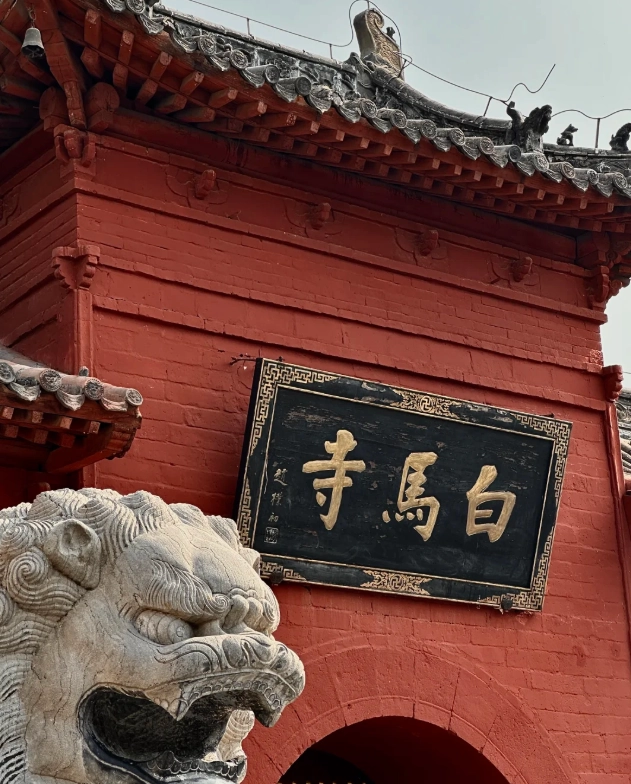
What Is the Best Time to Visit Henan?
March to May and September to November are ideal. Spring brings peach blossoms to the mountains; autumn paints the courtyard trees in rust and gold. Summers are punishingly hot unless you're swimming in the Yellow River (which I don't recommend). Winters are cold and sometimes hazy.
Check the date of Chinese New Year and the mid-autumn festival — avoid traveling during those weeks unless you truly love packed trains. Also, try not to schedule around the first week of October, when all of China goes on a holiday. Ticket lines at Longmen can stretch longer than the site itself.
Where to Stay and Eat in Henan: My Local Picks
Stay in the old town district of Luoyang, along the south bank of the Luo River. You'll wake up to the smell of sesame oil and the sound of morning bicycle bells. Budget about 200–400 RMB per night for a clean guesthouse with Wi-Fi and a private bathroom. Book via Trip.com or Agoda because their English-language interface is reliable.
Food is where Henan shines. For breakfast, find any stall serving 'hot bowl' — a rich beef soup with hand-pulled noodles. I always tell my clients to drink it before 9 AM; the broth gets diluted as the day goes on. For lunch, look for 'hulatang' (pepper soup) if you want a punchy kick.
For a sit-down dinner, try 'Luoyang Water Banquet' — a multicourse series of thin soups and steamed dishes. Many restaurants in the old town offer a reduced version for small tables.
Is Henan Safe and Easy for Foreigners?
Henan is safe for solo travelers, but the infrastructure for foreigners is still an obstacle course. Violent crime is essentially unheard of, but you'll face digital hurdles. Mobile payment with Alipay or WeChat Pay is king; bring some cash as backup, but know that many small vendors won't have change.
Google Maps doesn't work well in mainland China. Before you arrive, download Apple Maps or use the global version of AMap. Always carry the Chinese address of your hotel written down — it saves endless confusion with taxi drivers.
For train tickets, use the official China Railway website, but know that using a foreign passport on it can be glitchy. Trip.com works smoother if you're in a hurry.
Make sure your visa is valid; the rules change, so consult the latest guidance from the National Immigration Administration before you go.
Final Verdict: Is Henan Worth Visiting for You?
If you love history, Buddhist art, and street food, Henan is absolutely worth it. If you have 5 days and want a one-stop China experience, pair it with Xi'an. But don't treat Henan as a side trip from Beijing — the distance will eat your energy and your patience.
If you're on a tight schedule, the honest answer is: choose one major city. Make it either Luoyang for cultural sites or Kaifeng for food and old-town charm. You'll leave feeling you've seen a real, unvarnished slice of China.
Quick FAQ for Your Henan Trip
Can I visit Longmen Grottoes without pre-booking as a foreigner?
Is Henan worth visiting if I only have a layover in Zhengzhou?
Do I need cash in Henan?
How do I get between cities in Henan?
What is the single biggest mistake tourists make in Henan?
Verified and fact-checked by the editorial team.






No comments yet.