White Horse Temple Overview
Known as the cradle of Chinese Buddhism, this historic temple complex features tranquil ancient architecture alongside a unique international zone with Thai, Indian, and Myanmar-style temples.
White Horse Temple Opening Hours & Tickets
- 07:40-18:40 (Summer); 08:00-17:30 (Winter)
- Best season: April (during the Luoyang Peony Festival) and Autumn
- Ticket note:
Half-price for students with valid ID. Foreigners must bring passports to purcha...
Essential White Horse Temple Visitor Information
- Enquiries: +86 379 6378 1065
- Parking area
- Restrooms
- Information desk
- Incense and souvenir shops
How to Get to White Horse Temple
Take Metro Line 1 to Qiming South Road Station, then transfer to Bus 56. A taxi from the city center takes about 40 minutes.
White Horse Temple Travel Safety & Advice
Dial 120 for medical emergencies. Ask temple monks or staff for basic first aid.
White Horse Temple Travel FAQ
Can I visit Longmen Grottoes in 3 hours before catching my train?
It's doable if you take the shuttle bus straight to the main Buddha and skip the temples on the east hill. Enter at the West Gate, head quickly to the center, take photos, and exit at the East Gate. Then take a taxi (10-15 minutes) to Luoyang Longmen Railway Station. Give yourself a buffer. The line for taxis can be annoying.
Do I need to tip my tour guide in Luoyang?
In China, tipping is not customary. Guides and drivers don't expect tips. If you receive great service, a small gift is nice, but it's not required. Don't feel any pressure.
How do I get from Luoyang to Shaolin Temple without renting a car?
The most practical option is a private day tour on Klook or GetYourGuide, which includes hotel pickup. The drive takes about 1.5 hours each way. Alternatively, take a high-speed train to Dengfeng Station (about 30 minutes) and then a local bus to the Shaolin Temple. That's more complicated. I usually recommend the tour for the convenience.
Is Luoyang safe for solo female travelers?
Very safe. Violent crime is essentially nonexistent. The locals are curious and friendly. Use the same street smarts as any city. Avoid unlicensed taxis, and keep your belongings close in crowded areas.
What's the one thing you can't miss in Luoyang?
That's like asking which of your kids is your favorite. But for me, it's the moment the sun rises over the Yi River and hits the Vairocana Buddha. It's spiritual. If you only have time for one thing, make it Longmen.
Can I combine White Horse Temple with Longmen Grottoes in one day?
Absolutely, but you'll need to start early. I recommend Longmen Grottoes at 8 AM (opens at 8:00), finish by noon, grab a quick lunch, then head to White Horse Temple by 2 PM. You'll have 3-4 hours there before closing. Don't attempt it during summer heat — you'll rush and enjoy neither.
Is there an English audio guide?
Yes, a handheld audio guide is available for about 20 RMB. But honestly, the English is clunky. Better to download a podcast about Chinese Buddhist architecture or hire a private guide. I'm biased, but a good guide brings the stones to life.
Are there vegetarian food options nearby?
Few. A small canteen inside sells simple noodle soup (15 RMB) — acceptable but forgettable. Outside the gate, vendors sell snacks. For a proper meal, walk 10 minutes east to "Baima Si Street" where you'll find local Muslim-style lamb skewers and cold noodles. Consider it an adventure.
Can I visit during rainy weather?
Sure, but avoid the main halls — they get muddy and crowded under the narrow eaves. Rain actually makes the pagoda look moody and great for photos. Bring an umbrella; the temple sells cheap plastic ones but they're flimsy.
Is White Horse Temple accessible for wheelchairs?
Partially. The main path is flat brick, but there are steps into the halls. The International Garden is accessible via a ramp on the left side. Overall, it's manageable with assistance but not barrier-free.
Recent Reviews
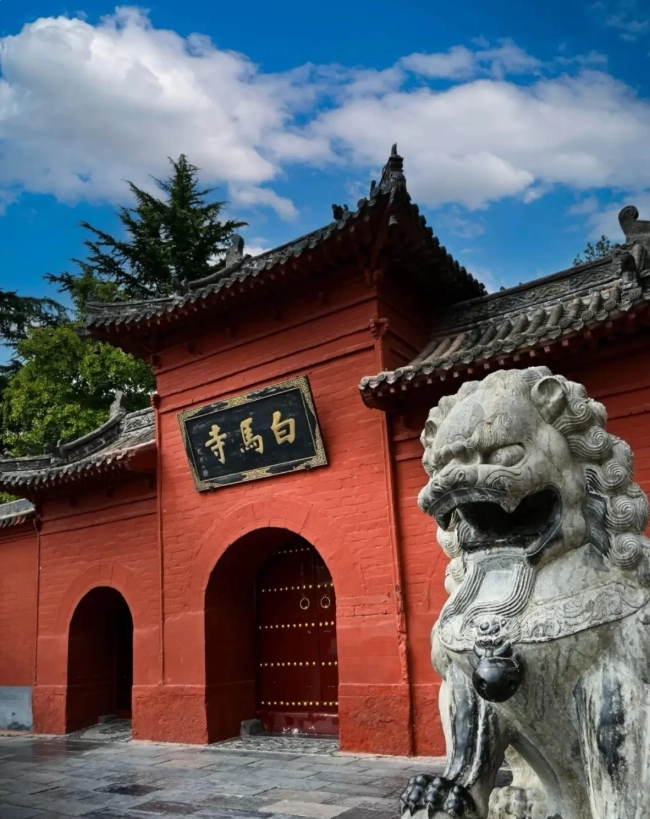
Perfect for photographers—every corner offers a new frame. The red walls against the blue sky, the aging stone lions, the reflection of the pagoda in the pond... I could have stayed all day. The staff were friendly too, and the place felt well-maintained. Definitely a highlight of my trip to Luoyang!
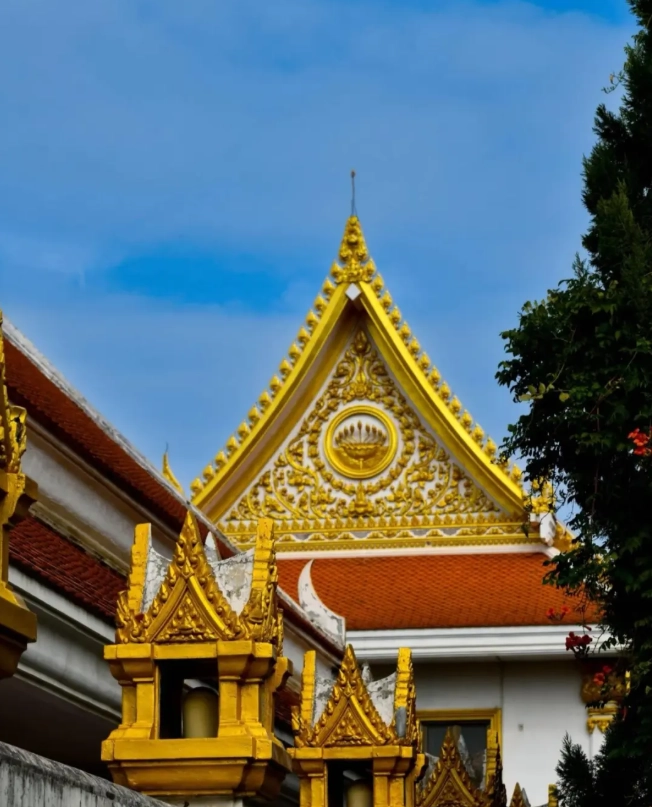
One of the most serene spots I've visited in China! The mix of ancient Chinese, Indian, Thai, and Myanmar-style temples within the same complex is unique. I spent hours just walking around and soaking in the calm atmosphere. The lotus pond was especially beautiful in the morning light. Highly recommend!
This place has incredible cultural significance, no doubt. But I was pretty disappointed by the entrance fee—it felt steep for what you get. The main courtyard was packed with tourists taking selfies, and some of the signs were only in Chinese. The old stupa is cool, but overall it didn't live up to the hype for me.
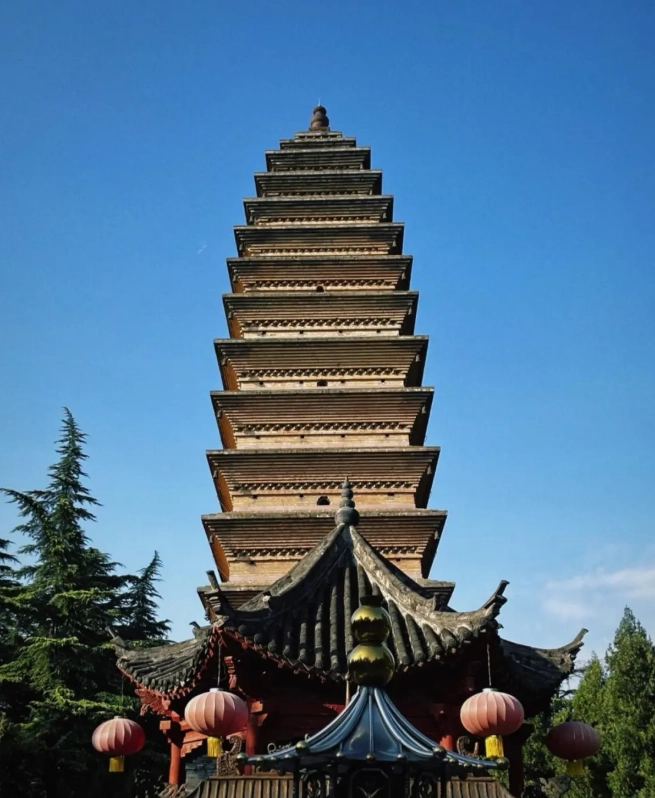
It's a lovely temple with a lot of history, but honestly, I was a bit overwhelmed by the crowds even on a weekday. The highlight was the Qiyun Pagoda, but the newer sections felt a bit out of place. Still worth a visit if you have time, though I'd recommend going early to avoid the tour groups.
Absolutely breathtaking! As a history enthusiast, visiting the first Buddhist temple in China was a dream come true. The ancient pagoda and the intricate carvings left me speechless. The surrounding gardens are peaceful, and the new international temple exhibits are a nice touch. A must-see for anyone in Luoyang!
This place gave me chills — in a good way. Knowing that Buddhism entered China right here over 1900 years ago is profound. The quiet courtyard behind the main hall is my favorite spot; I sat there for 20 minutes just listening to the wind through the old trees. Skip the overpriced tea shop near the exit, but definitely don't skip this temple.
Very impressive historical site, but honestly I felt the maintenance could be better. Some of the stone pathways are cracked and there was litter near the souvenir stalls. The temple grounds are huge and beautiful, but the lack of clear signage made it confusing to navigate. All in all a decent experience though — the ancient stupa is a highlight.
Loved the mix of Chinese, Indian, Thai and Burmese temple styles here! It's like a mini world tour. The main hall is very old and humble, but the newer international pagodas are vibrant and photogenic. Entry fee is very reasonable (35 RMB). I'd recommend coming early to avoid the tour groups. Great value for history lovers.
A fascinating piece of Chinese Buddhist history. The temple itself is well preserved, but I was a bit disappointed by the crowds and the constant noise from construction nearby. The foreign-style temple sections are interesting but felt a bit out of place. Still worth a visit, just don't expect a completely serene experience.
White Horse Temple is absolutely stunning. The ancient architecture mixed with the peaceful gardens made me feel like I stepped back in time. I spent almost three hours wandering around, and every corner had something beautiful. The peonies were in full bloom when I visited — absolutely magical. Definitely a must-see in Luoyang!
Honestly, I was a bit underwhelmed. Maybe I expected too much after hearing it's the 'first temple in China'. The place feels overly restored and commercialized — there are vendors everywhere inside, and the 'ancient' vibe gets lost. Also, some of the newer buildings look like cheap replicas. The garden area is nice, but it's not worth the detour from Luoyang city center if you're short on time. Okay for a quick photo stop, nothing more.
Pretty impressive temple with a long history. The pagoda forest is unique and the main courtyard is well kept. I gave it 4 stars because it was quite crowded when I visited (weekend afternoon), and some of the explanatory signs are only in Chinese. There's also a small entrance fee (about 35 RMB) which feels fair, but they charge extra for some halls. Overall a solid visit, just manage your expectations on busy days.
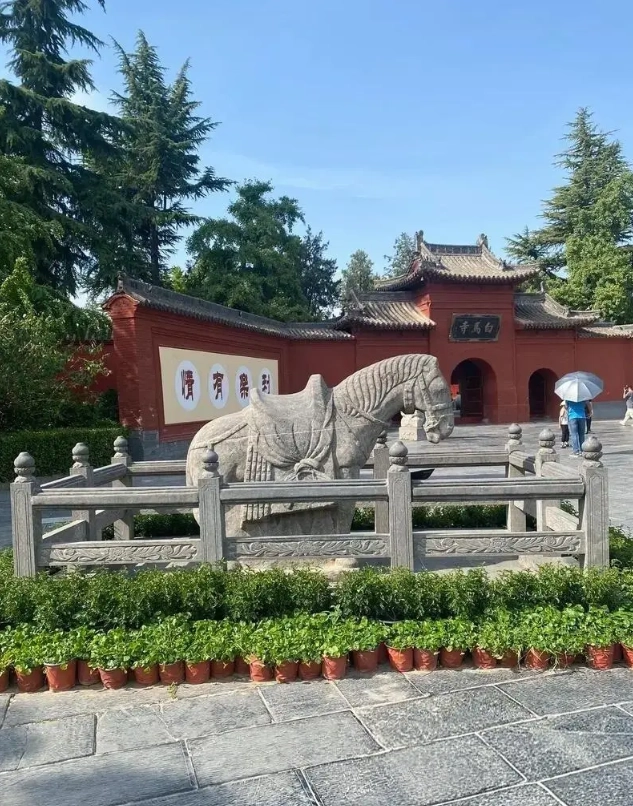
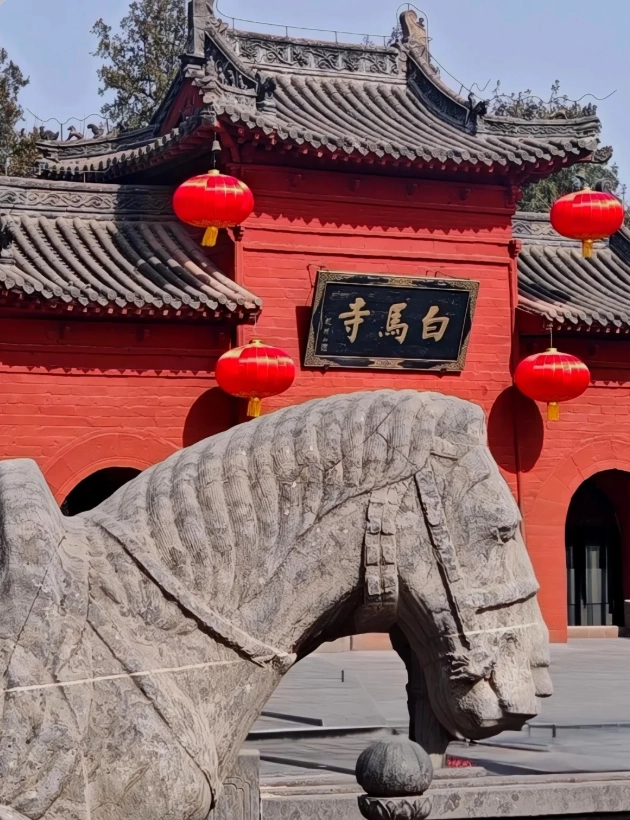
Came here early in the morning and had the place almost to myself. The mist over the pond, the sound of a lone bell, and the sight of the iconic white horse statue — it felt like a dream. I'm not particularly religious, but the serenity got to me. I sat on a stone bench for 20 minutes just breathing. One of the most moving travel experiences I've had in China. 5 stars without hesitation.
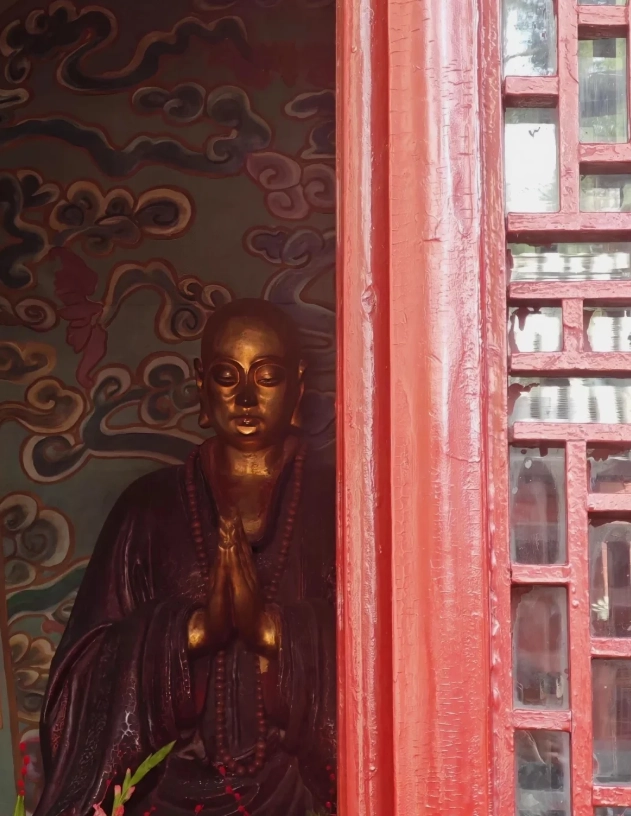
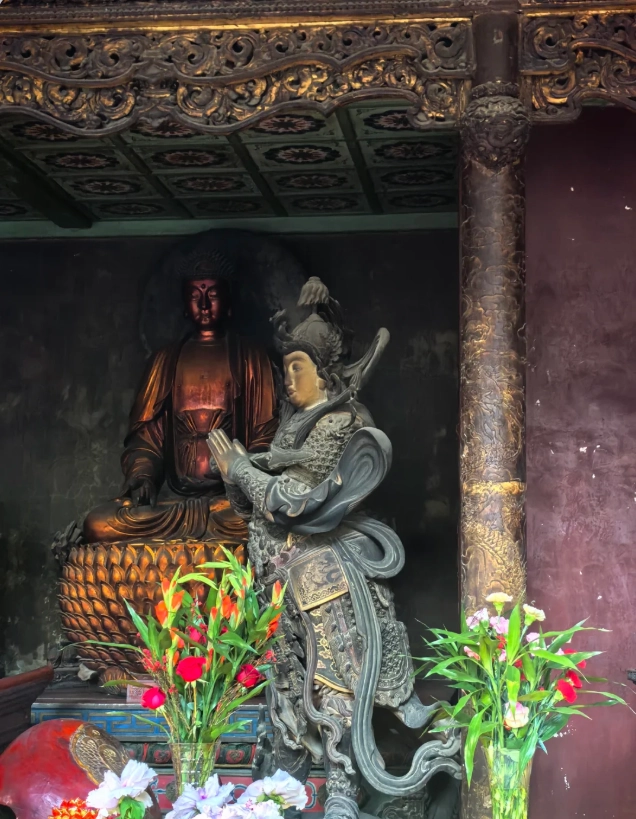
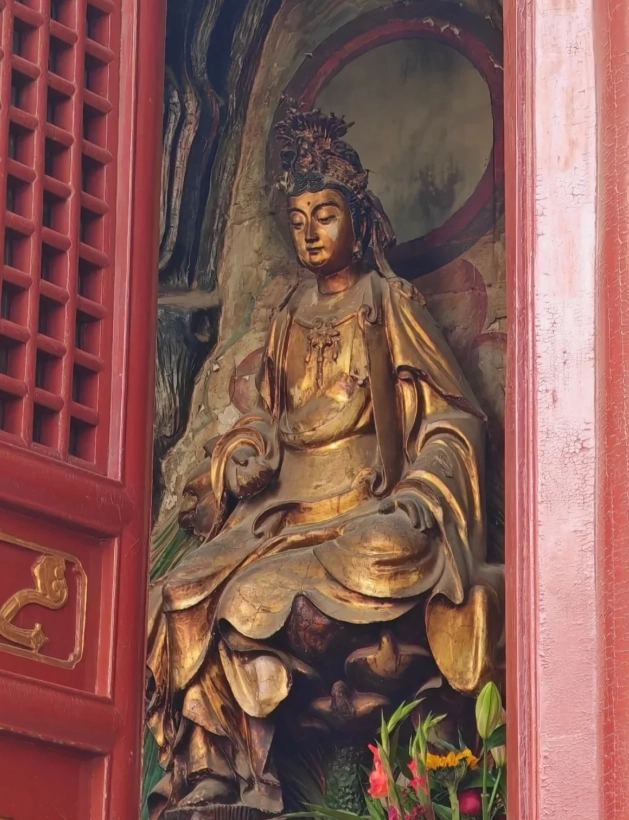
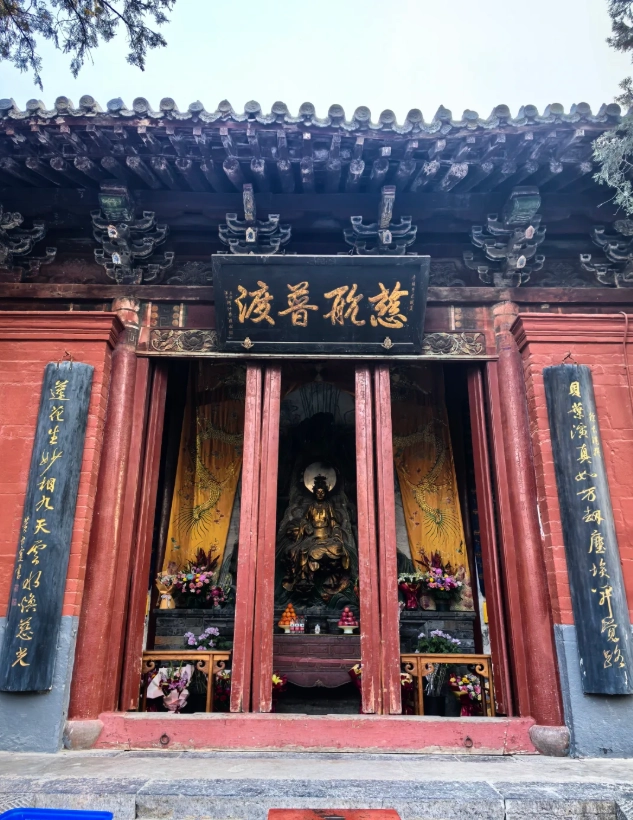
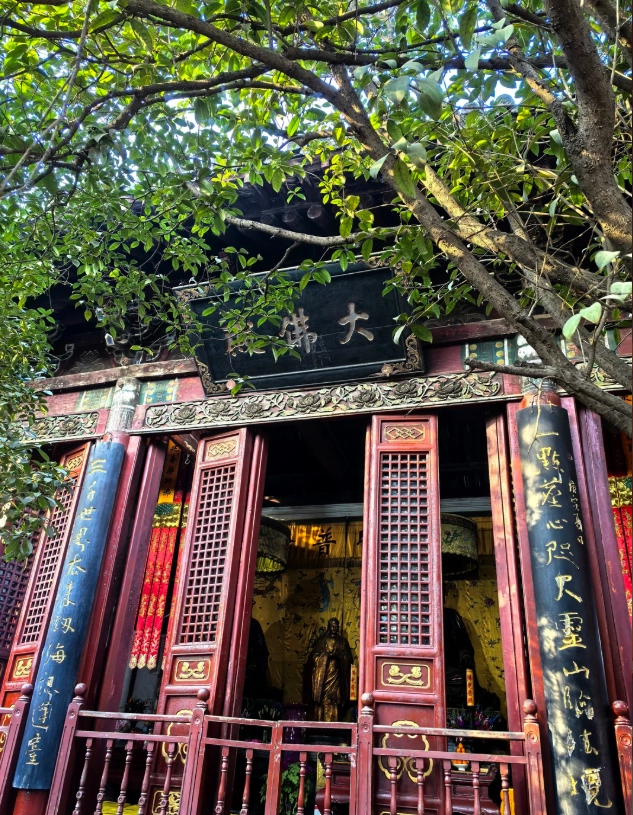
A must-see for anyone interested in Buddhist history. The architecture is stunning, especially the main hall with its intricate wood carvings and golden statues. I loved that they preserved the original site layout even though most buildings were rebuilt. The only downside? The souvenir shops at the entrance feel a bit tacky, but once you're inside it's peaceful. Highly recommended.
Absolutely magical place! The moment you step through the gate, you're transported back in time. The ancient pagodas, the quiet gardens, and the faint smell of incense hanging in the air gave me chills. I spent nearly three hours just wandering around, reading inscriptions and watching monks walk by. If you're in Luoyang, do NOT miss this. It's the birthplace of Chinese Buddhism and you can really feel the history here.
I’ve visited many temples across Asia, and White Horse Temple easily ranks among my favorites. The blend of Chinese, Indian, Thai, and Burmese architectural styles in one complex is unique. I spent over three hours here just sitting in the Qiyun Pagoda courtyard, journaling. No pushy vendors, clean restrooms, and reasonable entry fee. If you’re in Luoyang, do not skip this—it’s a perfect half-day trip.
This place is a hidden gem for photographers! Early morning light hitting the white marble pagodas is breathtaking. I loved walking along the lotus pond and watching locals feed the turtles. The staff at the information desk were very helpful and gave me a free map in English. Despite being a tourist spot, it retains a calm, sacred vibe. 5 stars without hesitation.
Absolutely stunning! The moment I stepped through the main gate, I felt a deep sense of peace. The ancient cypress trees, the incense smoke curling around the prayer halls, and the soft chanting of monks created an atmosphere I’ll never forget. The newly built Indian and Thai style temples were a pleasant surprise too. Definitely a must-see in Luoyang—I’m already planning to come back in autumn!
The White Horse Temple is undeniably important as the first Buddhist temple in China, but I wish there were more original artifacts on display. The gardens are pleasant, and the international pagodas area is a nice touch, but some parts felt a bit too commercialized with vendors inside the temple grounds. Worth a visit if you’re into history, but I’d say it’s more a 3.5-star experience rounded up.
I went on a weekday morning hoping for a quiet visit, but it was surprisingly crowded with tour groups. The temple itself is historically significant, but the constant noise and lack of clear signage made it hard to appreciate the serenity. The ticket price felt a bit steep for what you get—mostly reconstructed buildings and a lot of souvenir stalls. I left feeling slightly underwhelmed.
Honestly, I was a bit disappointed. Maybe my expectations were too high after reading other reviews. The main temple area was overcrowded with tour groups, and it was hard to find a quiet moment. Some of the Buddha statues look like they need restoration – peeling paint and faded gold. The international temples were interesting but felt a bit out of place. If you're short on time, I'd skip this and visit the Longmen Grottoes instead. Okay for a quick stop, but not amazing.
Really enjoyed the temple overall. The history is fascinating and the grounds are spacious. However, the entrance fee felt a bit steep for what it is (60 yuan). Also, some of the newer buildings look a little too polished compared to the ancient parts. Still, the main hall and the original relics are worth seeing. Would recommend but maybe combine it with a nearby attraction to make the trip more worthwhile.
Visited on a drizzly afternoon and it was magical. The mist made the ancient trees and rooftops look like a Chinese ink painting. The incense smoke mingling with the rain smell – so calming. The old pagoda (Qiyun Tower) has a really interesting echo effect when you clap near its base. Staff were friendly and the grounds are well-kept. One of the most serene temple experiences I've ever had. Five stars without hesitation.
What a gem! The blend of different architectural styles from the foreign temple zones was my favorite part – it feels like a mini world tour. The main hall is beautifully preserved, and the pagoda in the back is stunning against the sky. I spent a good three hours just wandering and taking photos. Only tiny downside: the souvenir shops near the entrance are a bit pushy, but that didn't spoil the experience. Definitely coming back.
Absolutely fell in love with this place. Walking through the ancient halls and seeing the original stone horse that gave the temple its name was surreal. The quiet chanting from the monks during the morning service added such a peaceful atmosphere. If you love authentic Chinese Buddhist culture, this is a must-visit. The international temples on the grounds (India, Myanmar, Thailand) are a unique bonus too. Highly recommend coming early to avoid crowds.
Honestly a bit disappointed. I’ve seen many temples in China and this one felt overly commercialized. There were huge crowds, loud tour groups, and some areas under renovation. The history is cool but the experience was ruined by the lack of quietness. Not worth the entrance fee for me.
Nice temple complex overall. I enjoyed walking around the grounds and seeing the mix of architectural styles. However, the souvenir shops inside are a bit pushy and the ticket price felt a little high for what’s actually there. Still a pleasant afternoon.
Fascinating place if you know the story behind it. The original White Horse Temple is smaller than I expected, but the newer Indian and Thai style temples on the same grounds were a nice surprise. Only downside: some plaques are only in Chinese, so bring a guide or app.
Really impressive temple with deep historical roots. The pagoda and the old halls are well preserved. It’s a bit touristy, but still very peaceful in the early morning. I’d recommend going right when it opens to avoid crowds. Worth the entry fee.
Absolutely breathtaking! The ancient architecture and the quiet gardens made me feel like I stepped back in time. The golden statues and the smell of incense were so calming. Definitely the highlight of my trip to Luoyang. A must-see for anyone interested in Chinese history!
Leave a Review