 Hui Lin
Jump to Section
- Why Shanxi Tourist Attractions Stand Out
- Top 7 Shanxi Tourist Attractions: Detailed Guide
- Shanxi Tourist Attractions at a Glance
- How to Plan Your Shanxi Trip Without Wasting Time?
- What Are the Hidden Costs and Tourist Traps in Shanxi?
- Insider Tips for Visiting Shanxi Tourist Attractions
- FAQs about Shanxi Tourist Attractions
Here's the scene: I'm at the entrance of Pingyao Ancient City, and a traveler is sweating through his shirt, waving a phone at a ticket scanner that won't read his QR code. He's not alone. Every summer, I see tourists lose an hour trying to figure out entry tickets while the real magic of Shanxi waits just past the turnstile.
Shanxi tourist attractions are not a list you can casually check off. You've got thousand-year-old cave temples, a walled city that survived bombs, and the holy peak of Mount Wutai. But the obstacles are real: international cards often fail, Google Maps is totally unreliable here, and booking most sights requires a passport and a Chinese app. That's where I come in.
The number one rule? Book every major site through a reliable platform like Trip.com or Klook before you arrive. That one move saves you from at least four headaches. If you only have 24 hours in Shanxi, spend them in Pingyao — then come back for the rest.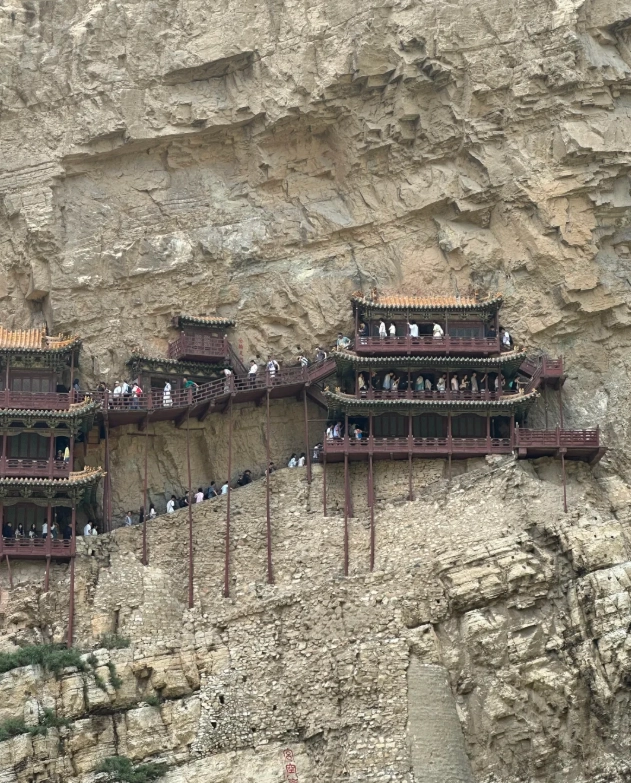
Why Shanxi Tourist Attractions Stand Out
Shanxi is often called the 'Chinese Ancient Architecture Museum.' It holds about 70% of the country's pre-Ming dynasty wooden structures, according to official heritage estimates. That means you'll see buildings here that survived dynasties, wars, and earthquakes.
But what really makes Shanxi special is the absence of commercialization. Outside the main sites, you can wander into a village and stumble upon a Tang-dynasty temple that no one else is visiting. I guided a group last April, and we had a whole courtyard to ourselves while the tourist buses were stuck at the popular spots.
The downside? Distances are long, and public transport is not always intuitive. That's why this guide focuses on the practical details you won't find in generic brochures.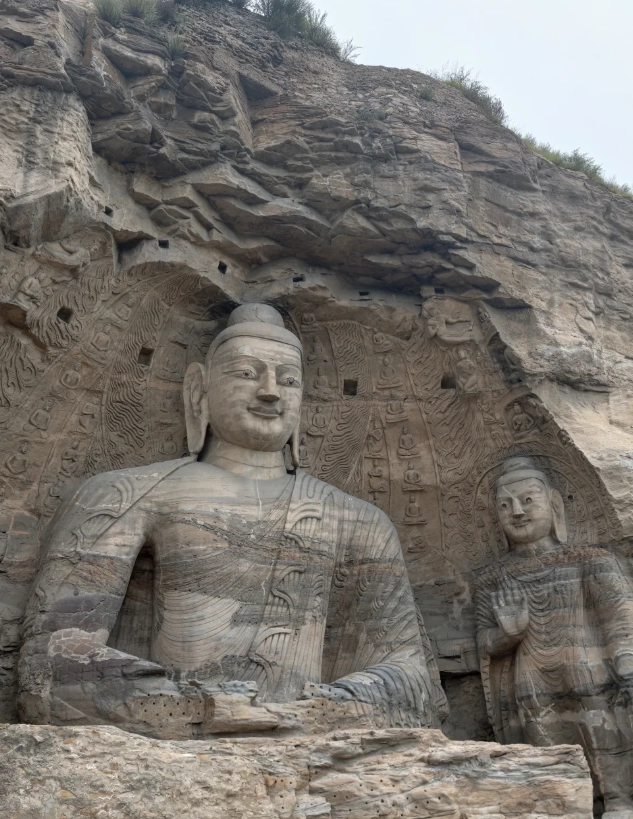
Top 7 Shanxi Tourist Attractions: Detailed Guide
These are the seven sights I recommend to every first-timer. They are ranked by historical impact, scenic drama, and what you can actually manage without a private car.
1. Pingyao Ancient City – Step into Ming China
Pingyao is the best-preserved ancient walled city in China, and the combined ticket covers 22 interior sites like the county office and the first bank in China. The 125 CNY pass is valid for three days, and honestly, you'll need at least one full day to feel it properly.
How to get there: Take the high-speed train from Taiyuan South to Pingyao Ancient City station (about 30 minutes, second class around 40 CNY). From the station, hop on bus 108 or take a 10-minute taxi ride to the East Gate. Tell the driver 'Pingyao Chengqiang' (city wall).
Pro Tip: Arrive by 7:00 AM to climb the South Gate wall before the tour groups. I always tell my clients to walk the wall from South to West — you'll get the classic aerial view of grey roofs and no crowds photobombing you.
Watch out: Don't buy the 'package' that includes the show Again, Pingyao unless you've confirmed you actually want to see it. The performance is in a separate theatre outside the wall. And wear flat shoes — the ancient brick pavers are murder on heels.
2. Yungang Grottoes – A Cave-Temple Marvel
Yungang Grottoes in Datong is one of the four great cave complexes in China, with 45 major caves and over 51,000 Buddhist statues. It's a UNESCO World Heritage site, and the huge, weathered Buddhas standing up to 17 meters tall will leave you speechless.
Get there: From Datong Railway Station, take bus No. 3 or a tourism special bus (about 1 hour). A taxi ride costs roughly 80 CNY for 40 minutes. Inside, the electric shuttle (10 CNY) saves you a 15-minute walk, but I actually prefer walking up — you see more of the cliffside.
Timing: Go in the afternoon. The morning crowds are brutal, but by 3 PM, the tour buses thin out, and the western light turns the sandy rock to honey gold.
Don't fall for: Vendors near the entrance selling incense and 'lucky charms.' It's a tourist trap. Just walk past. Also, some caves forbid photography — respect the signs, the flashes damage the pigment.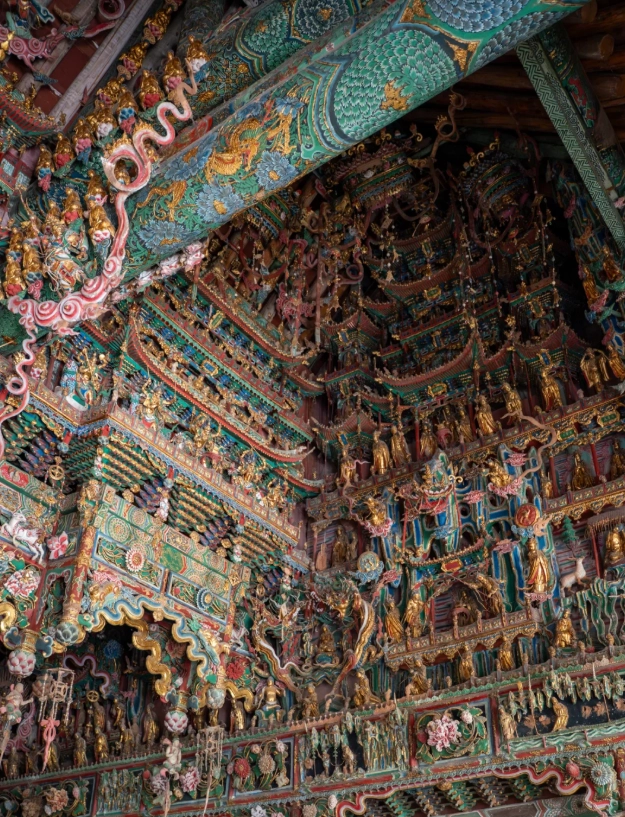
3. Mount Wutai – The Holy Buddhist Peak
Mount Wutai is one of the four sacred Buddhist mountains in China, home to ancient temples that each feel like a time capsule. The entrance fee is 135 CNY in peak season, 118 CNY in off-season. But this is not a quick stop — plan to stay overnight.
How to arrive: From Taiyuan's east bus station, take a direct bus to Wutai Mountain scenic area (about 3.5 hours, ~80 CNY). Alternatively, take a train to Wutai County, then a shuttle. Inside, you must use the scenic area's official shuttle buses to get between clusters of temples.
Best approach: Stay in Taihuai Town at the base of the mountain. Wake up at 6 AM to climb the 1,080 steps to Dailuo Peak for sunrise. I did this last autumn, and the mist rolling over the rooftops felt like a scene from a wuxia film.
Warning: The altitude is about 2,800 meters at the highest point. Even in summer, you need a warm jacket. The air is thin — go slow. And many temples charge a tiny extra ticket (5-10 CNY) like Tayuan Temple, so carry small cash.
4. Hukou Waterfall – The Roaring Yellow River
Hukou Waterfall is the world's largest yellow waterfall and the most dramatic spot on the Yellow River. On the Shanxi side, you're right next to the thundering chasm, feeling the spray on your face. The entrance fee is around 90 CNY, plus 20 CNY for the scenic shuttle.
Reaching Hukou: From Linfen West Station, a tourism bus takes about 2 hours (around 60 CNY). Or join a day tour from Pingyao — it's a long day, but prices start around 300 CNY per person. The shuttle bus from the parking area to the river edge runs every 15 minutes.
Timing: April-May and September-October offer the strongest water flow (called 'Taohua Xun' in spring). Go in the morning when the river is backlit — the rainbow appears more often right after 9 AM.
Stay safe: The rocks are slippery and there are no guardrails at the edge. I almost lost a lens cap to the Yellow River last year. Wear waterproof shoes and keep your phone in a zipped pocket.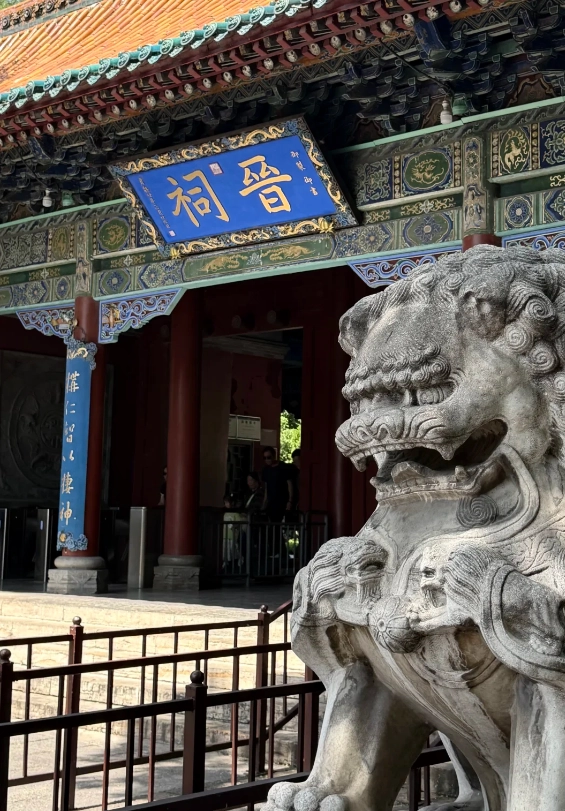
5. Yingxian Wooden Pagoda – Engineering Wonder Without a Single Nail
The Sakyamuni Pagoda at Fogong Temple is the world's oldest and tallest wooden pagoda, built in 1056 and still standing without a single metal nail. You can't go inside anymore — the structure is now protected — but you can circle the base and admire the subtle lean of the eaves. Entry is 50 CNY.
Off the beaten path: Most tourists skip this because it's between Datong and Wutai. I think that's a mistake. From Datong, take the 1.5-hour bus to Yingxian County, then a 10-minute taxi. Or hire a driver in Datong for the day to combine it with the Hanging Monastery.
Highlight: The wooden dougong brackets look like wooden wings. Go in the late afternoon when the fawn-colored wood glows. A local guide outside the temple can tell you stories for a small fee — worth it for the engineering history.
6. Xuankong Temple – The Hanging Monastery
Xuankong Temple clings to a cliffside outside Datong and has survived over 1,500 years of earthquakes and wind. The temple entrance is 15 CNY, but to go up onto the balconies, you'll need a separate 'climbing' pass (100 CNY, limited daily). In peak season, you must reserve that pass at least a day ahead.
How to get there: It's 80 km from Datong. A taxi round-trip costs around 250 CNY (30 minutes). Many private tours combine it with Yingxian Pagoda. The site opens at 8 AM — be there at 7:45 and you'll walk straight in.
Should you climb? If you're not afraid of heights, yes. The wooden stairways are steep and narrow (one-way traffic). But the intimate view of the statues hidden in the cliff nooks is unlike anything else. I tell people with big backpacks to leave them at the gate.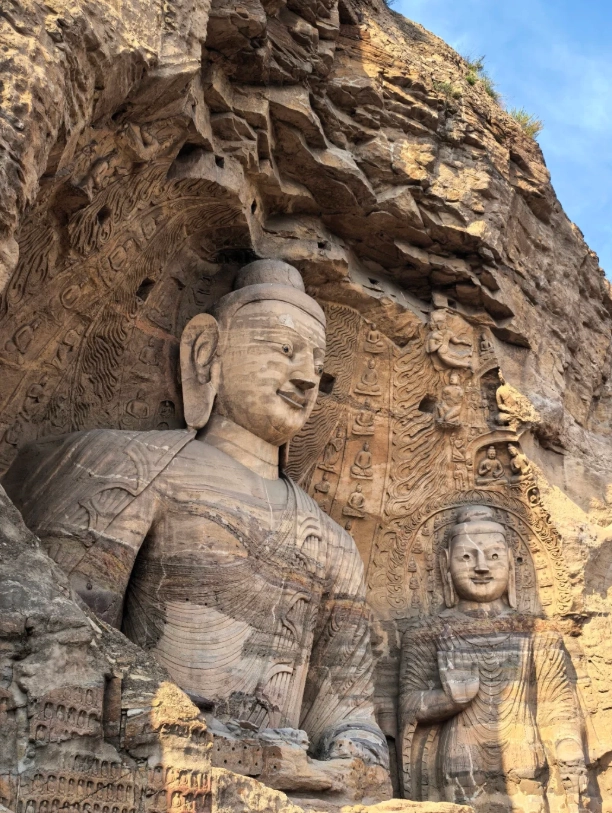
7. Jinci Temple – A Sleeper Hit Near Taiyuan
Jinci Temple is a hidden gem with the Saintly Mother Hall, vivid Song-dynasty painted statues, and 3,000-year-old cypress trees. The 80 CNY ticket gets you one of the most elegant temple complexes in northern China. It's on the outskirts of Taiyuan, so you can easily combine it with a half-day in the city.
Reach it: From Taiyuan bus station, take city buses 856 or 308 to Jinci Suidao (about 1 hour). A taxi from the city center costs around 40 CNY and takes 30 minutes, depending on traffic. There's also a shuttle bus from Taiyuan South Railway Station during holidays.
My favorite moment: The Song-dynasty female court musicians in the Saintly Mother Hall — each face is different, you'd swear they're alive. After 2 PM, the crowd leaves, and you may get the hall to yourself. Be sure to find the 'Dragon and Phoenix' cypress that's older than the temple itself.
Shanxi Tourist Attractions at a Glance
Here's a quick reference table for the seven sights. Prices are approximate and change often — always confirm on the official site or your booking platform.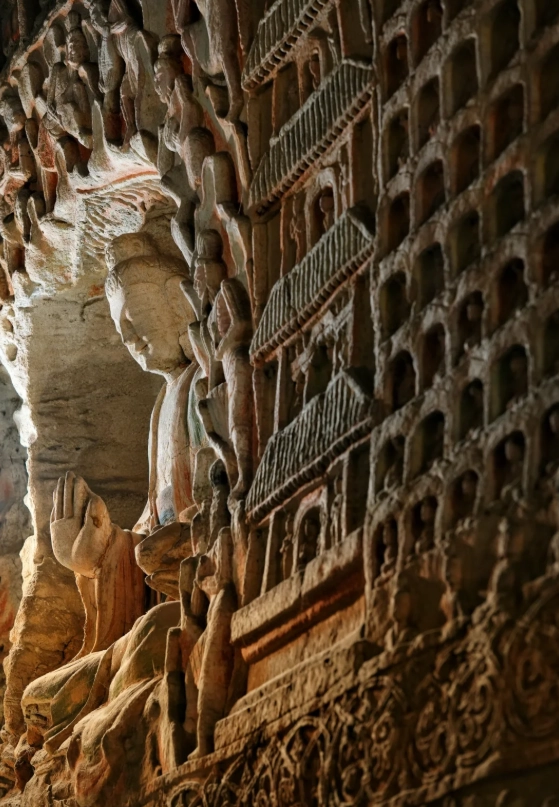
| Attraction | Adult Ticket | Time Needed | Best Time to Visit |
|---|---|---|---|
| Pingyao Ancient City | ~125 CNY (combined pass) | 1-2 days | Early morning or weekday |
| Yungang Grottoes | ~120 CNY | 3-4 hours | Afternoon |
| Mount Wutai | ~135 CNY (peak) | 1.5 - 2 days | June-Sep for green views |
| Hukou Waterfall | ~90 CNY | 2-3 hours | Morning, spring & autumn |
| Yingxian Wooden Pagoda | 50 CNY | 1-2 hours | Late afternoon |
| Xuankong Temple | 15 + 100 CNY (climbing pass) | 2 hours | Morning at opening |
| Jinci Temple | 80 CNY | 2-3 hours | Afternoon |
How to Plan Your Shanxi Trip Without Wasting Time?
The biggest mistake I see is trying to 'do all of Shanxi' in one weekend. Distances are deceiving on a map — Yungang and Hukou are 500 km apart. Here's a realistic 3-day route that hits the highlights without killing you.
Day 1: Datong (Yungang + Xuankong)
Fly or take the bullet train to Datong. Hit Yungang Grottoes in the afternoon (as I suggested). then overnight in Datong. The next morning, take a taxi or a private day trip to Xuankong Temple, then continue to Yingxian Pagoda if you're driving.
Day 2: Wutai Mountain
From Xian County, take a bus to Wutai Mountain (about 2.5 hours). Spend the rest of the day touring the central temples. Sleep in Taihuai Town.
Day 3: Pingyao
Wake up early, take the bus back to Taiyuan (or hire a driver for 4 hours), and catch a high-speed train to Pingyao. Spend your final day wandering the ancient city walls and streets.
Rainy day Plan B? Swap Wutai for the Shanxi Museum in Taiyuan — it's one of the best in China and free. If it's scorching hot (35°C+), skip Hukou and add an extra morning to Pingyao's food tour.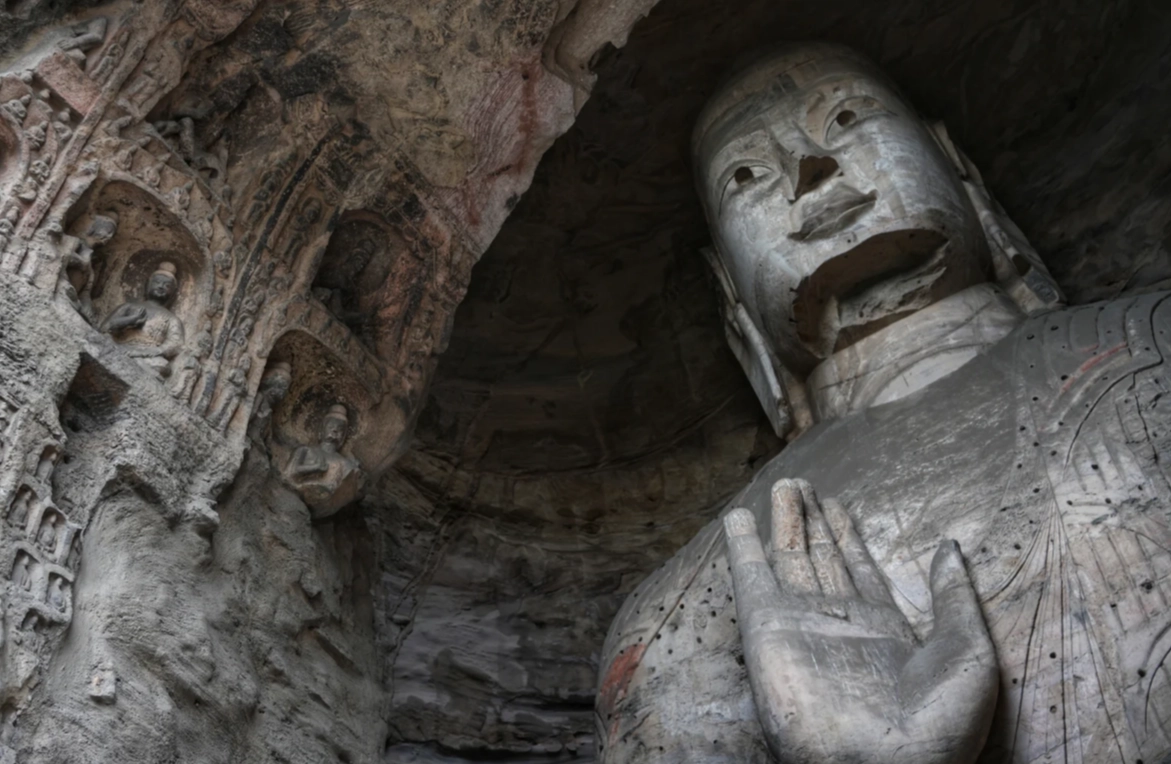
What Are the Hidden Costs and Tourist Traps in Shanxi?
Almost every tour guide will warn you about black taxis. Here's what they won't warn you about.
- Scenic shuttle fees: Many sites separate the entrance ticket from the internal bus or cable car. Yungang's shuttle (10 CNY), Hukou's shuttle (20 CNY), Wutai's inter-area buses. Budget an extra 50-100 CNY per major site.
- Insurance add-ons: When you buy tickets online, you'll be prompted to add 'accident insurance' (usually 5-10 CNY). It's often optional, so deselect it if you want.
- Ph Ed guide hustle: At Jinci and Pingyao, 'certified guides' start with a small fee, then bring you to a shop. Politely decline if you're not interested.
- Cashless trap: Many smaller shops near tourist sites accept cash, but starting in 2024, some won't give change. Carry small change (5-20 CNY) for tolls and public toilets.
Insider Tips for Visiting Shanxi Tourist Attractions
These are the things I tell every friend who visits China — the stuff that saves you time, money, and sanity.
- Pre-book everything with your passport. The official ticketing apps often require a Chinese ID number. Use Trip.com or Klook — they accept foreign passports. I once watched a Swedish couple try to buy tickets with Alipay and their Swedish passports; it took 45 minutes. Don't be them.
- Forget Google Maps. I repeat… forget it. Use Apple Maps or download Amap (AMap) with an English interface. If you're in a rural area, have a screenshot of your destination in Chinese characters — show it to any taxi driver.
- Download a translation app. Even in tourist hubs, English is rare beyond hotel lobbies. Baidu Translate works offline for basic phrases.
- Dress in layers, always. Shanxi's temperature swings are brutal. In a single September day, I've experienced 10°C at Mount Wutai and 30°C in Pingyao.
Frequently Asked Questions about Shanxi Tourist Attractions
Verified and fact-checked by the editorial team to ensure informational precision.





No comments yet.