 Bo Wu
Bo Wu
You've booked the flight. Now comes the hard part: fitting a province with 400 sites into a week. I've been leading tours through Shanxi for over a decade, and the #1 mistake I see? Tourists trying to see everything. They end up exhausted, stuck in traffic, and missing the magic. Here's the truth: Shanxi's greatest assets are its ancient Buddhist caves, cliff-hanging temples, and the best-preserved Ming-era city in China. So I've boiled down the top things to do in Shanxi into a list of 10 sights you can actually handle without burning out.
Ancient Wonders: Caves, Pagodas, and Temples
1. Yungang Grottoes – A Cliff-Side Buddhist Masterpiece
You'll walk into a cliff face carved with 51,000 statues, some as tall as 17 meters. The Yungang Grottoes, just 16 km west of Datong, are a UNESCO World Heritage site and one of China's most impressive Buddhist cave complexes. I always bring my groups here first because it sets the bar for what Shanxi does best: ancient devotion etched into stone.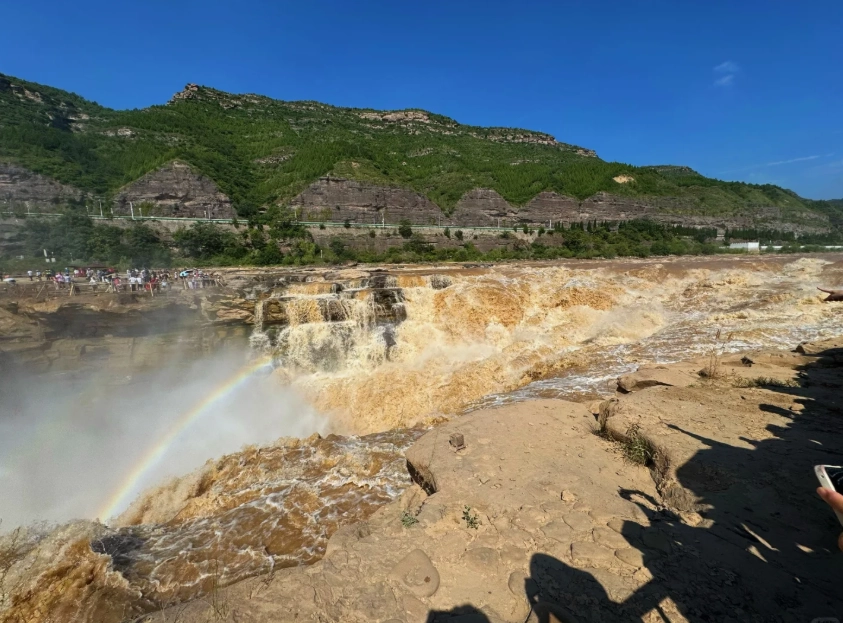
Most visitors spend 2–3 hours wandering the caves, but here's my insider move: arrive at 8:30 AM, an hour after opening. The light hits the western caves perfectly, and you'll have the main cave almost to yourself before the tour buses roar in at 10. Tickets cost around ¥120 (check the official site for updates), but you'll need your passport to buy them on-site or via WeChat. If the mini-program gives you trouble, just hand your passport to the ticket window — they're used to foreigners.
Don't miss Cave 5 and Cave 6, which are linked and contain some of the most intricate carvings. Also, wear sturdy shoes — the site is spread out, and some stone stairs are uneven. And bring a mask? Not for COVID, but because the adjacent cement factory used to coat everything in dust; it's better now, but you'll still want to wipe your camera lens.
Pro Tip: Skip the electric shuttle at the entrance. It costs extra and only saves you a 10-minute walk. Instead, walk the central path — you'll pass a few smaller caves that most people race past, and they're worth it.
2. Hanging Temple – Defying Gravity Since the 5th Century
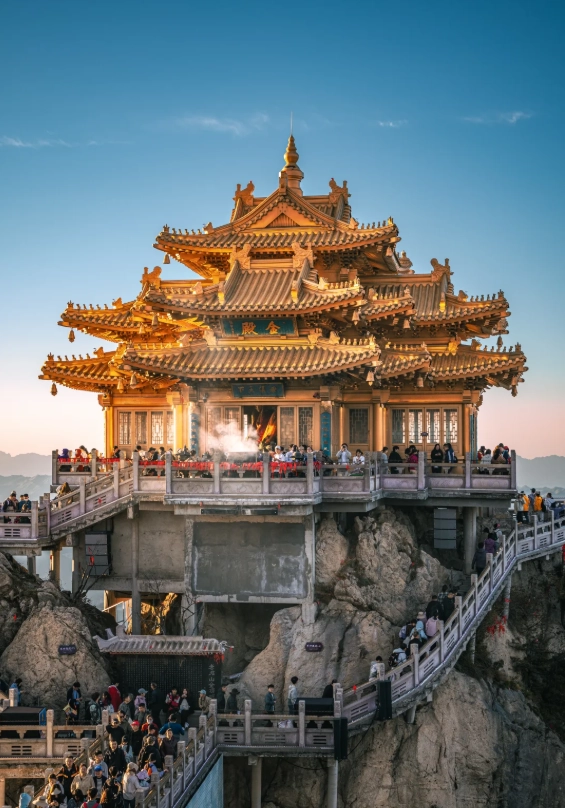
This is the sight that makes my clients gasp every single time. Built into a sheer cliff 75 meters above the ground, the Hanging Temple (Xuankong Si) has somehow survived 1,500 years of earthquakes. It's a mix of Buddhism, Taoism, and Confucianism, and the wooden staircases are as narrow as they sound.
It sits near the town of Hunyuan, about 80 km southeast of Datong — a perfect stop between Datong and Mount Wutai. A round-trip taxi from Datong costs about ¥400–500 including waiting time; split that with a couple of travelers and it's a bargain. The entrance fee is around ¥115, but note: the internal walkway is one-way and can get congested. Go early or late afternoon to avoid the midday crush.
Here's the honest catch: if you're severely claustrophobic or have limited mobility, this might be one to admire from the parking lot. The walkway is genuinely steep, and there's no backtracking once you start. But for everyone else, it's an unforgettable brush with China's architectural audacity.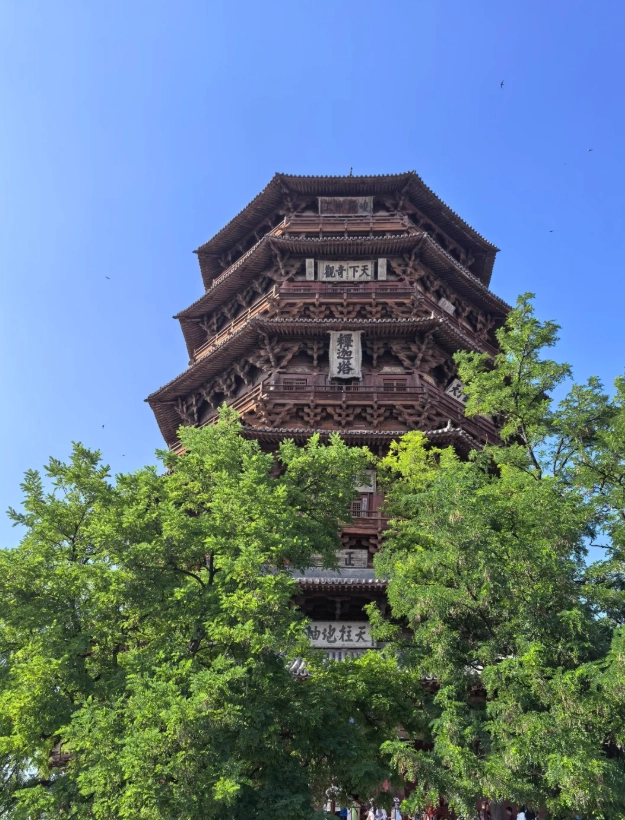
3. Yingxian Wooden Pagoda – China's Oldest Timber Tower
The world's oldest surviving wooden pagoda — no nails, no bolts, just interlocking wooden brackets. The Yingxian Pagoda, officially the Pagoda of Fogong Temple, has stood since 1056. It's a bit off the main tourist trail, but it's a short detour from Datong on the way south to Wutai.
Entrance is about ¥60, and you can only go inside the first floor — a national regulation to protect the structure. But honestly, the beauty is on the outside. Look for the subtle tilt; the pagoda leans slightly, a quirk that's both alarming and endearing. The best photo spot is the raised platform behind the main gate, where you can frame the pagoda with the blue sky and a red wall.
I usually allot 45 minutes here, mostly because the surrounding park is a pleasant stroll. But don't build a meal around it — there are only a few modest noodle shops near the site.
Step Into History: Ancient Cities and Courtyard Mansions
4. Pingyao Ancient City – The Best-Preserved Ming-Qing Town
Imagine a living museum where you can sleep inside a 300-year-old courtyard. Pingyao is exactly that — a walled city with Ming and Qing dynasty architecture largely intact. It's a UNESCO World Heritage site, and unlike many other ancient towns, it's not just a tourist facade; people still live and work within the walls.
The entrance to the city itself is free, but you'll need the ¥125 combo ticket to enter key sites like the Rishengchang Draft Bank (the world's first bank), the County Government Office, and the ancient city wall. The combo ticket is valid for 3 days, but here's my tip: spend the night inside the city walls. That way, you can explore the quiet streets at sunset and dawn, when the day-trippers from Taiyuan have gone home.
Getting there is easy: take a high-speed train from Taiyuan South to Pingyao Ancient City station — about 40 minutes and ¥30. From the station, grab a local bus (¥1) or taxi (¥15) to the west gate. Remember, the train station is new and somewhat sterile; the magic begins once you step through the arched gate.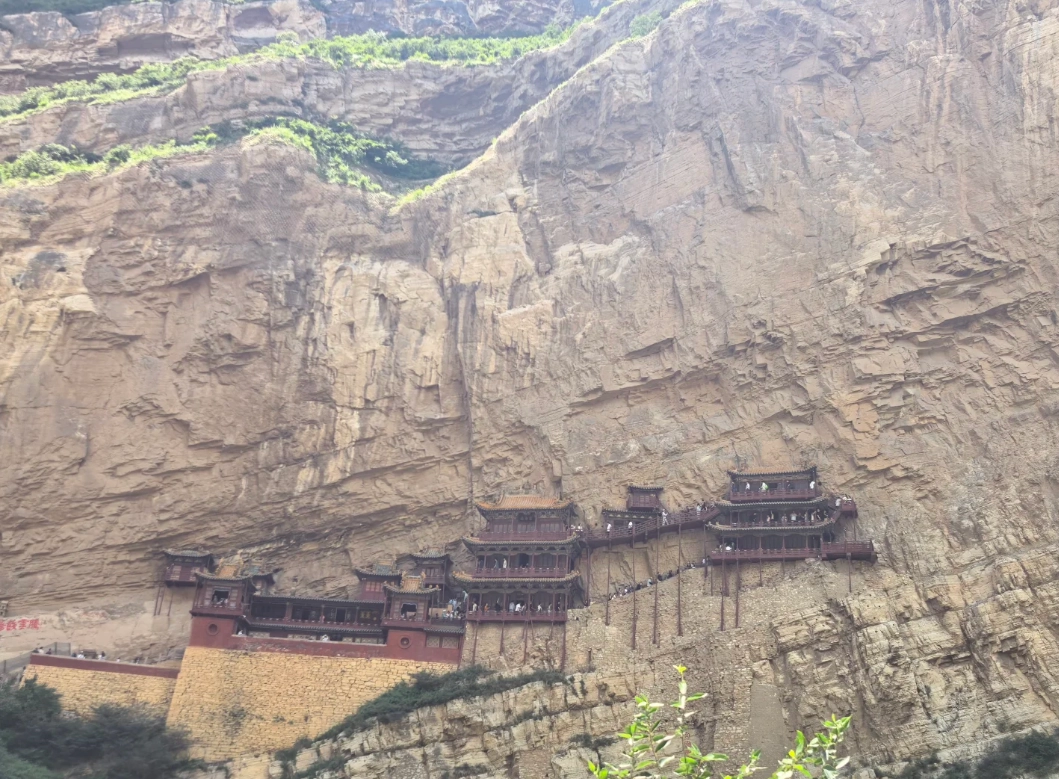
Insider Advice: If you're on a tight schedule, skip the combo ticket and just wander the lanes. The heartbeat of Pingyao is in its hutong alleys, wall art, and the smell of vinegar — you don't need a ticket to soak that in.
5. Wang Family Compound – A Maze of Carved Courtyards
They say "Wang's courtyard, no other courtyard is worth seeing" — and for once, the Chinese hyperbole isn't far off. The Wang Family Compound in Lingshi County is so vast that it's often called the "Imperial Palace of the People." With 123 courtyards and 1,118 rooms, you can easily get lost — I have, many times.
It's about halfway between Pingyao and the Huozhou area, and most visitors do it as a side trip from Pingyao. From Pingyao, there's a direct tourist bus (about 1 hour), or you can hire a taxi for around ¥200 one-way. Entrance is around ¥66, and you'll want at least 2.5 hours to scratch the surface. The brick and wood carvings are the stars; look for the fish jumping over the dragon gate pattern on the entrance screens — it's a symbol of achieving success.
One warning: the compound is built on a hillside, so prepare for lots of steps. There are plenty of rest areas, but no elevators. Wear your most comfortable shoes.
6. Qiao Family Compound – The Backdrop of a Movie Legend
If you've seen "Raise the Red Lantern," you've already glimpsed this place. The Qiao Family Compound in Qi County is smaller than Wang's but more atmospheric — and it's the one with cinematic fame. The red lanterns never go down, even in the middle of the day, which makes for moody photos.
Tickets are around ¥138, and it's about 30 minutes from Pingyao by taxi (¥100–120). Most people who stay in Pingyao visit both compounds, but here's my honest take: if you're short on time, pick Wang's Compound for the sheer scale, or Qiao's for the movie vibes. Doing both in one day means a VERY early start.
The compound has a nice cafeteria with local snacks; try the "Eight Bowls" (八碗八碟) if you're with a group — it's a traditional Shanxi banquet with eight meat dishes and eight vegetable dishes.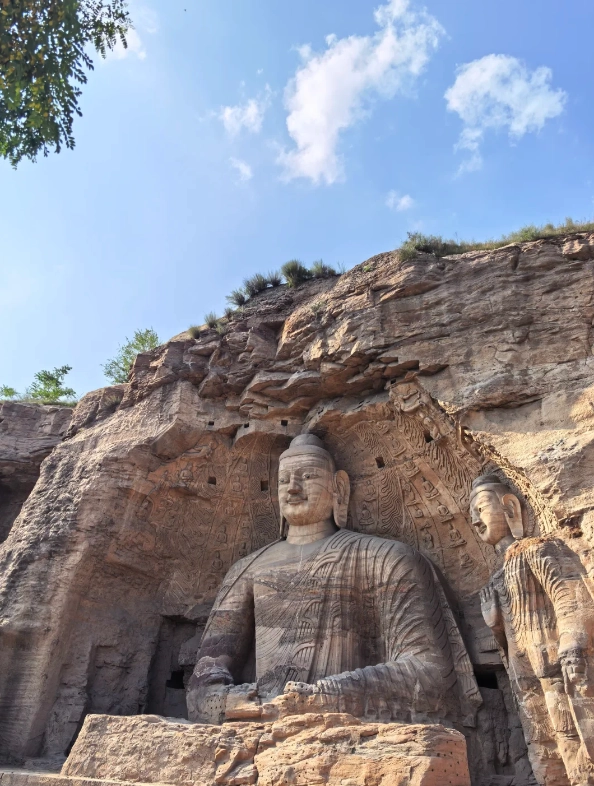
Sacred Summits and Thundering Falls
7. Mount Wutai – Pilgrimage to a Buddhist Heaven
One of China's Four Sacred Buddhist Mountains, and the only one with a true alpine feel. Mount Wutai reaches over 3,000 meters, so even in summer you'll want a jacket. It's a living mountain: monks in crimson robes, incense smoke curling from temples, and pilgrims doing full-body prostrations. The entire area is a UNESCO World Heritage site.
The main entrance ticket is around ¥145, but you also pay for the shuttle bus (about ¥60) to ferry you between temples since the area is massive. I recommend spending the night at the town of Taihuai, which is the hub. Wake up at 5 AM to see the monks' morning chanting at Pusading temple — no extra cost, just profound.
Getting here from Datong takes about 3.5 hours by bus or 2.5 hours by private car. The road is winding, so if you get car sick, bring motion sickness pills.
The big mistake I see? Tourists trying to "cover" Wutai in a few hours. That's like rushing through Kyoto in an afternoon. Give it at least two days — one for the central temples, one for the quieter outer areas and a short hike on the northern peak (BeiTai).
8. Hukou Waterfall – The Yellow River's Most Dramatic Moment
The second-largest waterfall in China, and by far the most powerful thing you'll see in Shanxi. Hukou (meaning "kettle mouth") is where the Yellow River narrows and plunges into a gorge, creating thunderous sound and flying mist. In flood season (April-May and September-November), the river swells, and the roar is deafening.
The waterfall sits on the border of Shanxi and Shaanxi, and you can visit from either side. The Shanxi side is usually less crowded and offers a closer view — you'll feel the spray on your face. Ticket is about ¥100, plus a ¥20 shuttle that drops you near the viewing platforms.
Reaching Hukou from Pingyao takes about 4 hours by road. Most people do it as a day trip, but that's a lot of driving. Consider combining it with a visit to the nearby Jinshan Temple (not to be confused with Hong Kong's) and staying overnight in the small town of Jixian.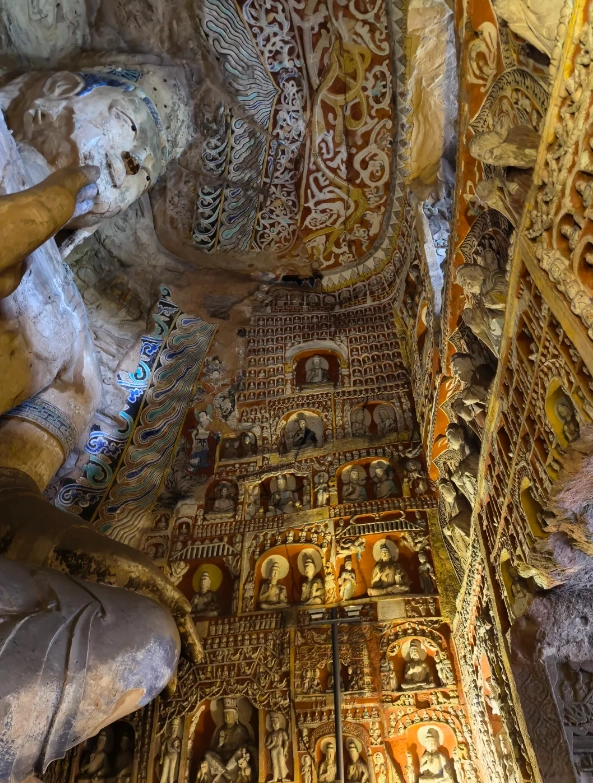
Pro Tip: Bring a waterproof camera bag. The mist will soak everything, including your phone. I've seen more than a few tourists holding their phones out like torches, only to have them black out.
More Hidden Gems Worth Your Time
9. Jinci Temple – A 1,400-Year-Old Ancestral Shrine
If you're flying in and out of Taiyuan, this is the easiest worthwhile side trip. Jinci Temple is about 25 km southwest of Taiyuan city, reachable by bus 308 from the Taiyuan railway station. The highlight is the Hall of the Holy Mother, a Song-dynasty building with wood-carved snakes that curl their heads around the pillars. It's the only surviving example of this ancient construction style.
Entrance costs around ¥80, and it's a peaceful, green park — a pleasant break from the dusty desert landscapes elsewhere in the province. Allow 1.5–2 hours. Unlike other sites, this one is visited mostly by domestic tourists, so English signage is sparse. Download a translation app before you go, or book a guide if that's your thing.
10. Yanmen Pass – Walk the Great Wall's Ancient Gateway
Not all of China's Great Wall is near Beijing — some of the most dramatic sections are in Shanxi. Yanmen Pass, also called "The First Pass of China," has been a strategic military choke point for over 2,000 years. The rebuilt ramparts give you a sense of the sheer effort it took to guard this valley, with watchtowers stretching up the dry hills.
It's about 20 km north of Daixian, reachable by bus or taxi from Datong (about 2.5 hours). Ticket is around ¥90, and you'll want a good hour to walk the wall and take in the views. The wild side of the wall (the un-restored part) is just outside the ticket area — if you're feeling adventurous, you can hike a bit of it for free, but mind your step.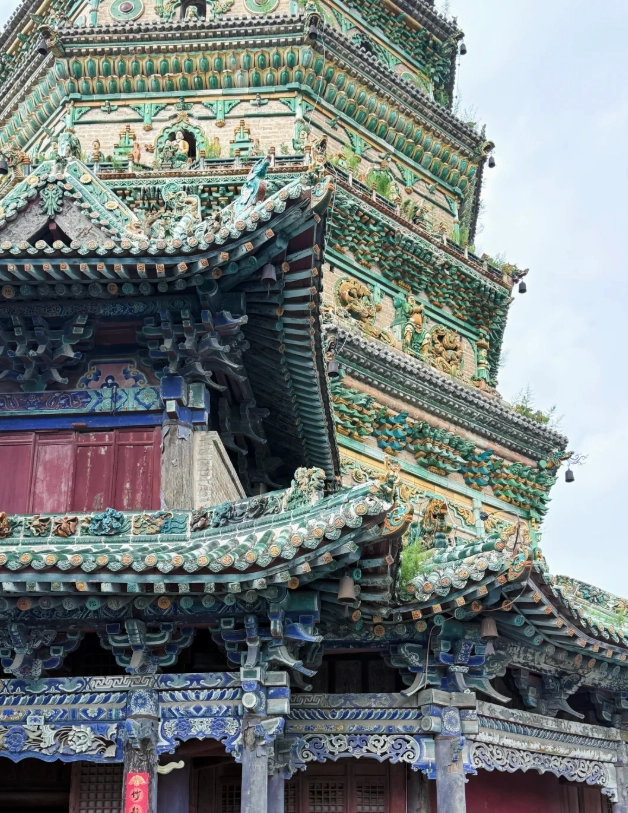
Practical Tips for Your Shanxi Trip
When Is the Best Time to Visit Shanxi?
April-May and September-October are optimal, with pleasant temperatures and clear skies. Summer (June-August) is hot and rainy, especially in the south; winter is brutally cold, but you'll have the temples to yourself. If you visit in winter, pack thermal underwear and lip balm — the dry cold is no joke.
Chinese national holidays (Golden Week in October and Labor Day in May) are the worst times to visit. Expect wall-to-wall crowds and higher hotel prices. I always tell my clients: avoid the first week of May and the first week of October at all costs.
How to Get Around Shanxi?
High-speed trains connect major cities (Datong, Taiyuan, Pingyao), but for remote sites like Hukou or the Hanging Temple, you'll need a car. Use the official railway site 12306.cn to buy tickets in advance, even for short hops. For day trips, consider hiring a private driver from your hotel — expect to pay ¥600–800 for a full day including fuel and driver's meal. Taxis are metered; ride-hailing apps like DiDi work here, but you'll need a Chinese phone number and Alipay.
How to Book Tickets for Top Attractions?
Most attractions (like Yungang Grottoes and Hukou) require reservation either on a WeChat mini-program or at the on-site ticket office with your passport. If the WeChat app gives you a headache, ask your hotel to book for you — hotels in China are used to this. Alternatively, platforms like Trip.com or Klook sell tickets in English, but they may carry a small markup. Just show the QR code at the entrance and carry your passport at all times; it's your contract for realizing you're not a bot.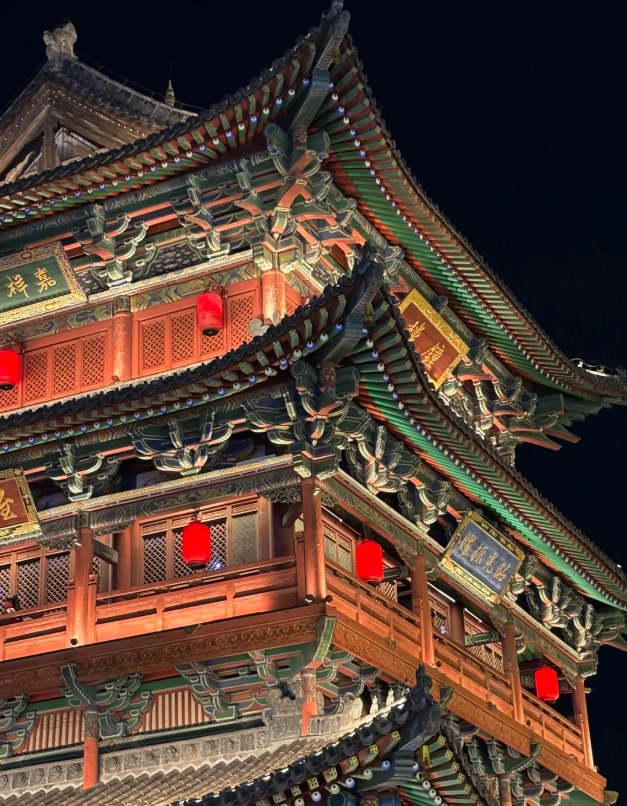
Payment and Connectivity for Foreigners
Alipay and WeChat Pay are accepted everywhere, but the moment you step into a small noodle shop, cash might be your only friend. Set up both apps before you arrive, linking your international credit card. Most attractions and decent restaurants now have QR code scanners that support international cards, but it's not foolproof — keep ¥200–300 in cash for back-up.
Google Maps is unreliable in China. Download AMap Global (the English version of Gaode Maps) or Apple Maps, and save your hotels and attractions in advance. For internet, you MUST have a VPN installed before you land, or you'll lose access to Google, WhatsApp, and most of the western internet. If you forget, buy a travel router with VPN pre-installed.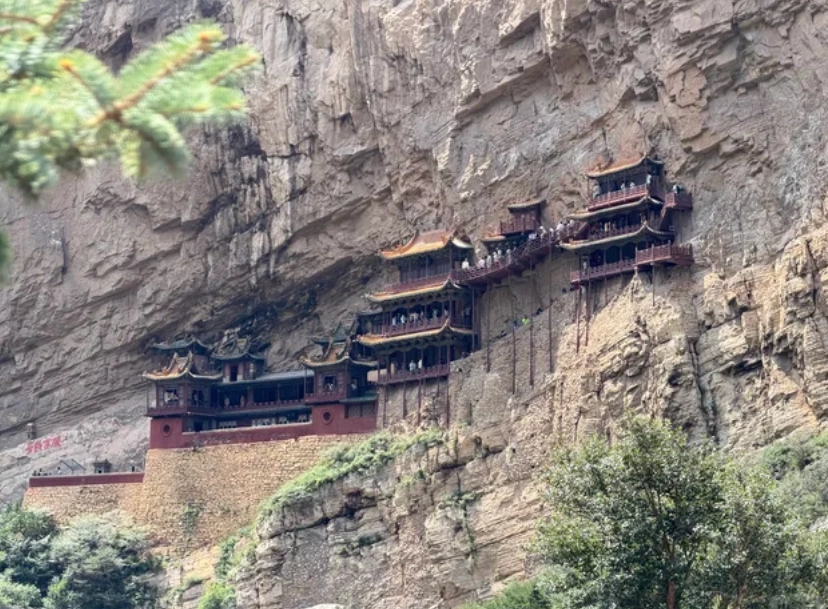
Frequently Asked Questions
This article has been fact-checked for accuracy by the editorial team, but prices and opening hours change — always verify on the official site before your trip.





No comments yet.