 Fang Wang
I'll be blunt: most visitors get this wrong. They cram Tianyi Pavilion into a rushed 45 minutes and leave feeling like they missed something. I know why—this museum plays tricks on your perception of time.
When you ask how long to spend at Tianyi Pavilion Museum, the internet gives you vague answers like '2-3 hours' without explaining why. But I've guided dozens of travelers through these halls, and I can tell you: it depends on how deeply you dive into the story of China's oldest private library.
Here's my bottom line: plan for 2 to 2.5 hours if you want to see the highlights without sprinting. If you're a history buff, budget 3 hours. Anything less feels like a disservice to this incredible place.
Now, let me break down exactly how to make the most of those hours.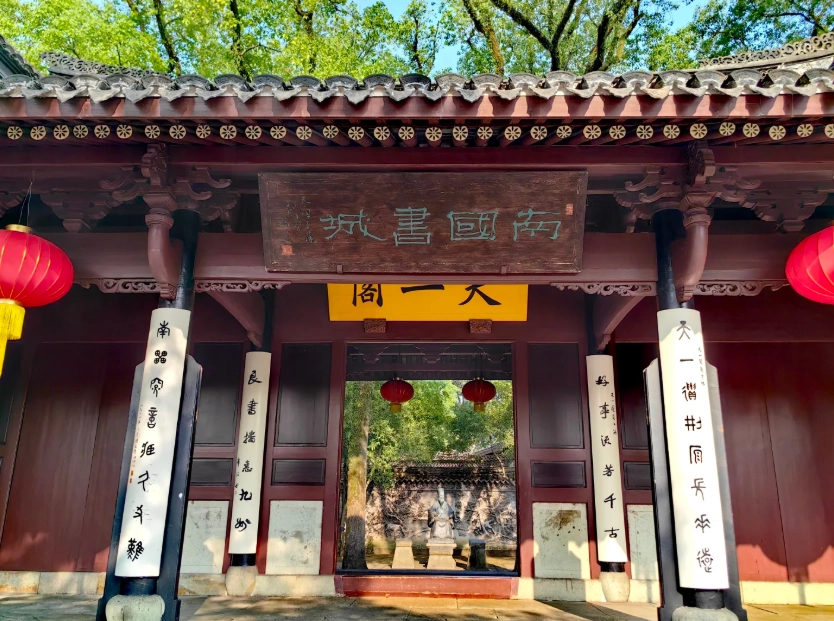
My Honest Answer: How Long to Spend at Tianyi Pavilion Museum
In my experience, the sweet spot is 2 hours and 20 minutes. That's enough time to see the main library building, wander both gardens, watch the short intro video, and read most of the English plaques without feeling rushed.
But that number shifts based on your travel style:
- 1 hour or less — Only if you're just doing a quick photo stop. You'll see the center courtyard and miss everything else. I don't recommend it.
- 2 hours — Covers the library, a quick loop of the East Garden, and the main exhibition. You'll be walking briskly.
- 2.5 hours — The sweet spot for most first-time visitors.
- 3+ hours — For architecture nerds, photographers, or anyone who loves to linger. There's plenty to justify it.
Before you ask why it takes this long, let me show you what eats up the time.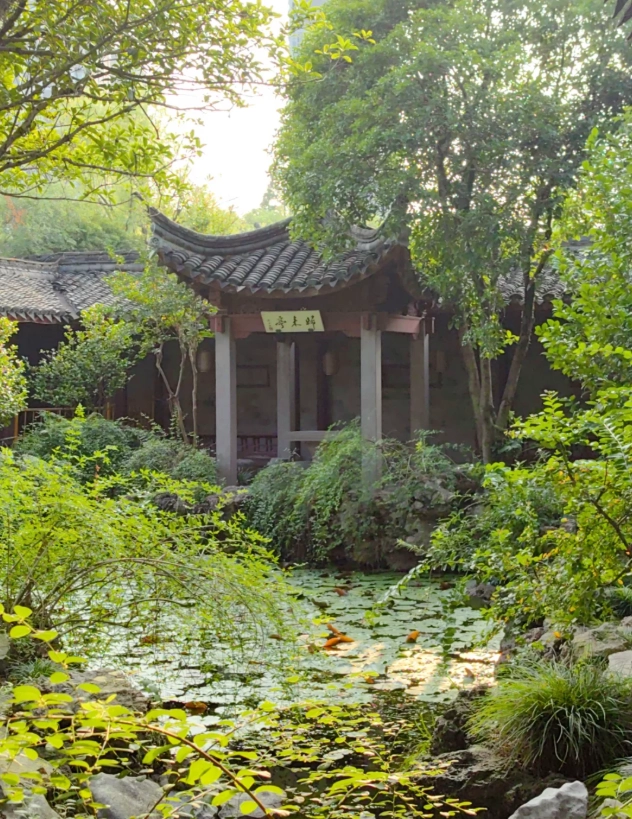
Why Most Visitors Underestimate Their Time Here
When people hear the word 'museum', they picture one hall. Tianyi Pavilion is not a single building—it's a historic complex with hidden corridors, two large gardens, and a modern exhibition wing. First-timers consistently get caught off guard by the physical space.
Here's what actually happens:
- The entrance leads into a long walkway that hides the scale of the place.
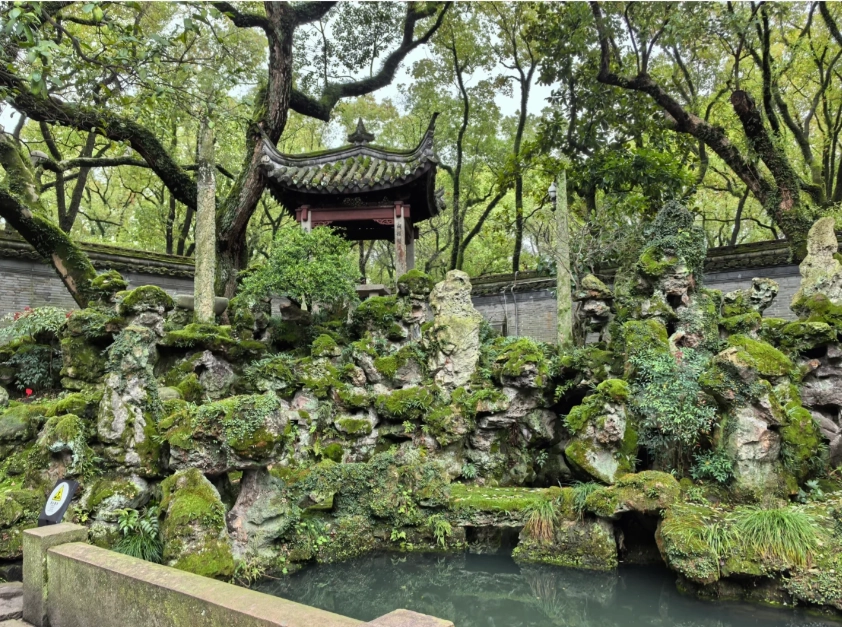
- You'll want to stop for photos around every corner—the rockeries, the ponds, the carved window screens.
- The English translations are excellent, but they take time to read. If you're skipping them, you're losing the narrative.
- There's a short orientation film that screens in a small theater—most people pass it, but it genuinely helps you understand what you're looking at.
I've lost count of how many travelers told me they planned for 90 minutes and ended up staying twice as long.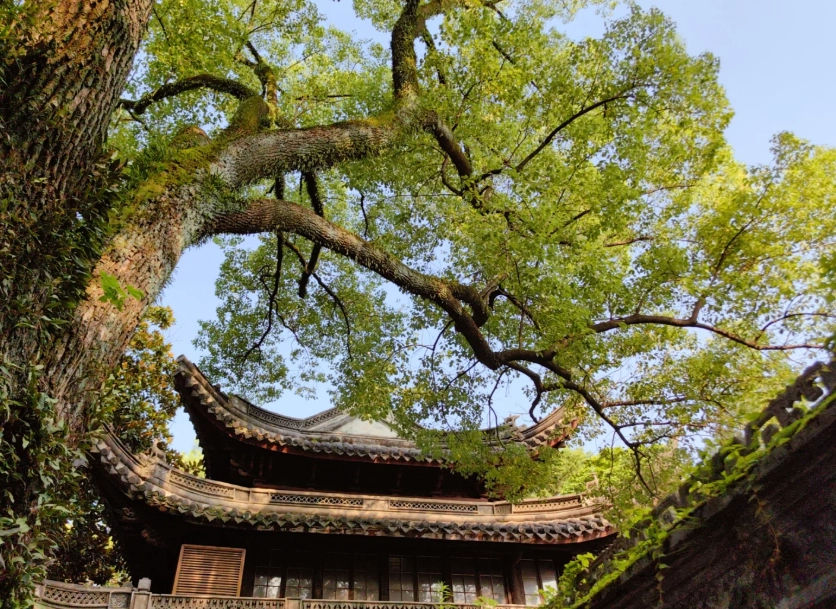
What to See Inside That Affects Your Visit Duration?
Let's break down the must-see zones and how much time each deserves. If you're not the type to linger, you could combine these into a 90-minute nonstop tour—but trust me, that's like eating a five-course meal in five bites.
1. The Main Library Building (Baoshu Lou)
The oldest surviving private library building in China is the beating heart of this visit. You'll want to circle it slowly, peek into the bookcase arrangement, and read the plaque that explains the fire-prevention design. Give it at least 25 minutes.
2. The East Garden and Rockeries
This is the postcard-perfect side of the museum. The pond, the stone boat, and the ancient trees create a sense of serenity that doesn't exist in modern city life. Most visitors naturally spend 20–30 minutes here, but photographers can double that.
3. The South Garden (Nan Yuan)
Often missed by rushed guests, this smaller garden is quieter and more intimate. If you have the extra 15 minutes, take a seat on one of the stone benches. I always bring my clients here for a breather.
4. The Stele Forest and Stone Carvings
These ancient stone tablets are easy to walk past, but they're the museum's hidden intellectual treasure. Dedicate 10–15 minutes if you're curious about calligraphy and local history.
5. The Modern Exhibition Halls
Depending on current exhibits, this can be a 20-minute quick walk or a 45-minute deep dive. There's usually at least one bilingual display that explains how the book collection was preserved—don't skip it.
6. The Orientation Film
Only 15 minutes long, but it will save you confusion later. I recommend watching it right after entering if the schedule works.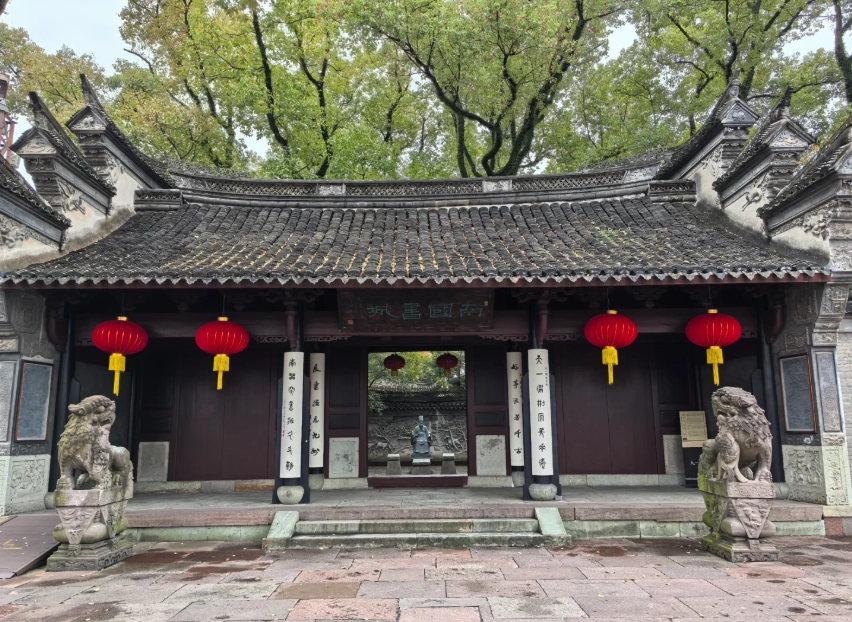
How to Plan Your Visit to Tianyi Pavilion Museum Without Stress?
Let's talk logistics. Getting the booking and timing right can save you a full hour of frustration. Here's my step-by-step plan:
- Book online before you go. Use Trip.com or Klook—both have English interfaces and accept international cards. Searching 'Tianyi Pavilion' will show current ticket options and exact opening hours for your date.
- Arrive at opening time. The gate usually opens around 8:30 AM. Showing up at 8:40 puts you ahead of 90% of the crowd.
- Pick up the museum map. The free paper map is far more reliable than searching for signal inside the thick-walled buildings.
- Eat beforehand. There is a tiny snack counter inside, but I don't find it worth your time. Better to have breakfast before you stroll in.
Here's the catch: the official WeChat mini-program is still the most common way to buy tickets locally. For foreign visitors, that mini-program is a maze of Chinese characters that locks up without a local payment method. I've had groups get stuck at the entrance trying to scan QR codes with an Alipay account that wasn't fully verified. If you're not confident, Trip.com is your lifeline.
And if you need a bathroom break before starting, use the one at the visitor center—the ones deeper inside get busy during tour group arrivals.
As for opening days and times—most Chinese museums are closed on Mondays, but exceptions happen around public holidays. Always verify on the museum's official page or a reliable booking site. The last entry is typically one hour before closing, but that can change.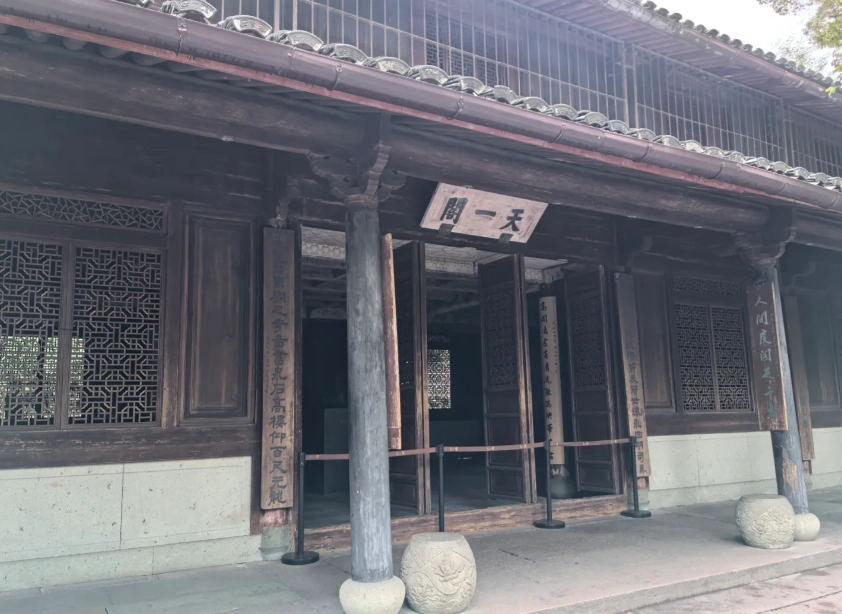
Insider Tips to Make Your Time at Tianyi Pavilion Museum Count
These are the details I never see in other guides. They may sound small, but they'll transform your visit from 'pleasant' to 'unforgettable'.
- Start in the East Garden, then backtrack to the library. Tour groups usually hit the library first, so the garden is blissfully empty for the first 30 minutes.
- Avoid the middle of the day in summer. The gardens are exposed, and the humidity can be brutal. Time your outdoor sections for early morning or late afternoon.
- The 'reflection pool' photo spot near the South Garden is best between 10 AM and 11 AM. After that, the sun blows out the details.
- Do not say yes to the ladies offering to dress you up for 'ancient-style' photos at the entrance. The cost balloons once you're halfway through. I've seen travelers get stuck in a five-minute negotiation that ate their time.
- If you use Apple Maps, you're golden. But Google Maps in China will point you to the wrong side of the street. Use AMap Global or just walk from Gulou Station—it's hard to get lost.
- If you're bringing a tripod, the gardens allow it, but the exhibition halls don't. Keep your gear in the free locker near the entrance if you plan the full circuit.
Pro Tip: If you see a large group of students entering as you arrive, let them pass. Their tours are surprisingly noisy, and they often cluster in the narrowest hallways. Sliding into a gap between groups makes a world of difference.
How to Get to Tianyi Pavilion Museum: Transport Tips
You'll most likely arrive from central Ningbo. The easiest approach is metro Line 1 to Gulou Station, then a pleasant 10-minute walk. Avoid street taxis during rush hour if possible—you'll crawl through traffic.
| Transport | Time from City Center | Cost | Best For |
|---|---|---|---|
| Metro Line 1 (Gulou Station) | 15–20 min + 10 min walk | 2 RMB | Budget-friendly, no traffic issues |
| Taxi / Ride-hailing | 10–15 min street travel | 10–15 RMB | Groups, bad weather |
| Public Bus | 20–30 min | 1 RMB | Adventurous route-sifters |
Once you exit Gulou Station, take Exit F. Walk south on Haishu North Street, then turn right at the intersection marked by a large gingko tree. You'll see the museum wall after about three minutes.
Here's the hidden detail: the main entrance faces a small lane, not a main road. Ride-hailing drivers often miss it. Show the driver this address in Chinese: 浙江省宁波市海曙区天一街10号.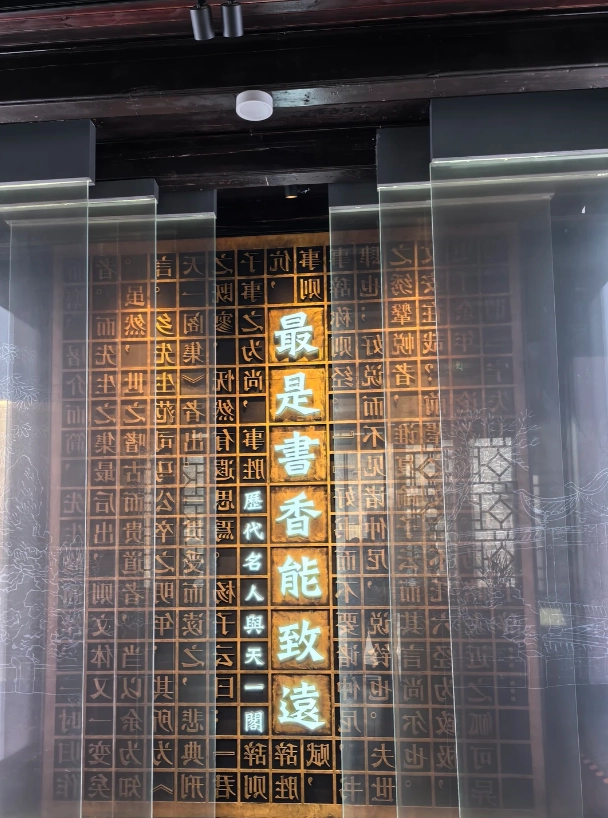
Frequently Asked Questions About Your Tianyi Pavilion Visit
Verified and fact-checked by the editorial team.






No comments yet.