 Fang Wang
📍 Quick Guide: What's Inside
I still remember the first time I brought a group of travelers to Nanjing. They had booked a typical one-day tour online, but by the end of the day, they were exhausted, sunburned, and completely skipped the Nanjing Massacre Museum — the one place I'd told them not to miss. That's when I realized: most English-language guides to Nanjing are either too vague or packed with outdated information.
So, here's the deal. After years of leading tours in Jiangsu's capital, I'm sharing my personal picks for the 10 must-see sights in Nanjing, plus the practical stuff that actually matters — how to pay, how to book, and how to dodge the crowds.
Now, let me save you some time. The single most important tip? Book your tickets in advance via Trip.com or the official WeChat mini-programs, and always carry your passport. Many attractions require real-name registration, and cash is often not accepted.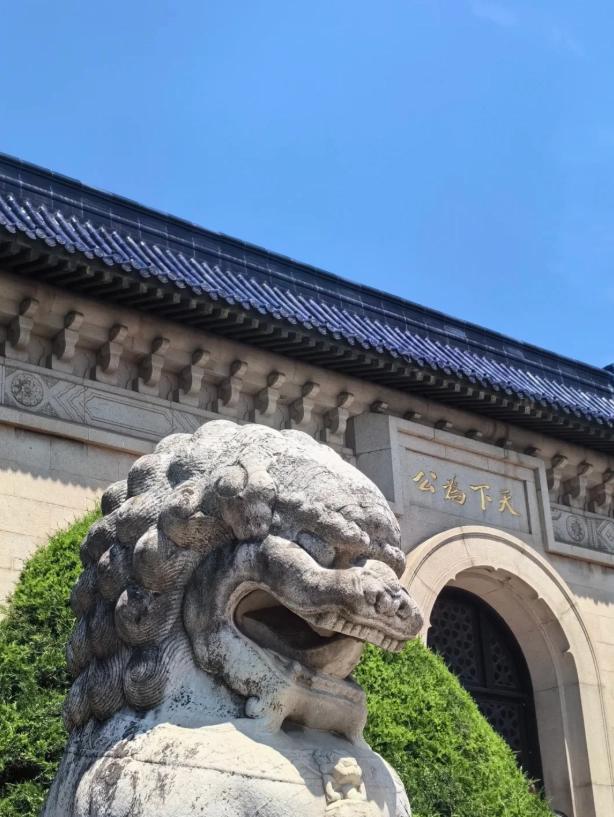
Why Nanjing Should Be on Your China Itinerary
Nanjing is one of China's four great ancient capitals, a city where every street seems to whisper a thousand years of history. From the Ming Dynasty city walls to the modern yet poignant memorials of the 20th century, it's a place that rewards slow travelers. But unlike Beijing's sprawling size or Shanghai's glittering skyline, Nanjing feels walkable, shaded by French plane trees, and surprisingly relaxed. If you're already planning a trip to China, I strongly suggest adding at least two days here.
Top 10 Must-See Attractions in Nanjing
Here are the ten sights I never skip on my tours, listed in the order I'd visit them. For ticket prices, opening hours, and addresses, check the quick reference table below — but beware, prices change, so always confirm on the official website or my recommended booking platforms.
| Attraction | Ticket (Approx.) | Opening Hours | Address (Show to Driver) | Best For |
|---|---|---|---|---|
| 1. Sun Yat-sen Mausoleum | Free (reservation required) | 08:30–17:00 (last entry 16:30) | Zhongshan Scenic Area, Xuanwu District (中山陵) | History lovers, photographers |
| 2. Ming Xiaoling Mausoleum | ¥70 (peak) / ¥60 (off-peak) | 06:30–18:00 (varies by season) | Zhongshan Scenic Area, Xuanwu District (明孝陵) | UNESCO site, nature walk |
| 3. Confucius Temple (Fuzimiao) | Area free; small museums ¥20–40 | Open all day; lanes open around 09:00 | Confucius Temple, Qinhuai District (夫子庙) | Street food, night views |
| 4. Nanjing Museum | Free (passport reservation) | 09:00–17:00 (closed Mondays) | 321 East Zhongshan Road, Xuanwu District (南京博物院) | History buffs, families |
| 5. Presidential Palace | ¥40 | 08:30–17:00 (closed Tuesdays) | 292 Changjiang Road, Xuanwu District (总统府) | Chinese modern history |
| 6. Xuanwu Lake | Free (park), boats extra | 06:00–22:00 | Xuanwu Lake, Xuanwu District (玄武湖) | Leisure walks, picnic |
| 7. Purple Mountain (Zijin Shan) | Free, but some trails paid | Open 24/7 | Purple Mountain, Xuanwu District (紫金山) | Hiking, views |
| 8. Zhonghua Gate (Castle) | ¥50 | 08:00–17:30 | Zhonghua Road, Qinhuai District (中华门瓮城) | Military history, walls |
| 9. Laomendong | Free | Street open 24/7; shops 10:00–22:00 | Laomendong, Qinhuai District (老门东) | Ming-style architecture, snacks |
| 10. Porcelain Tower (Big Bao'en Temple) | ¥90 (varies) | 08:30–17:30 (closed some afternoons) | Yuhua Road, Qinhuai District (大报恩寺遗址公园) | Photography, history |
Pro Tip: Most tickets have student/senior discounts, but they usually only apply to Chinese citizens. For foreigners, the standard adult fee is what you'll pay — just a heads-up.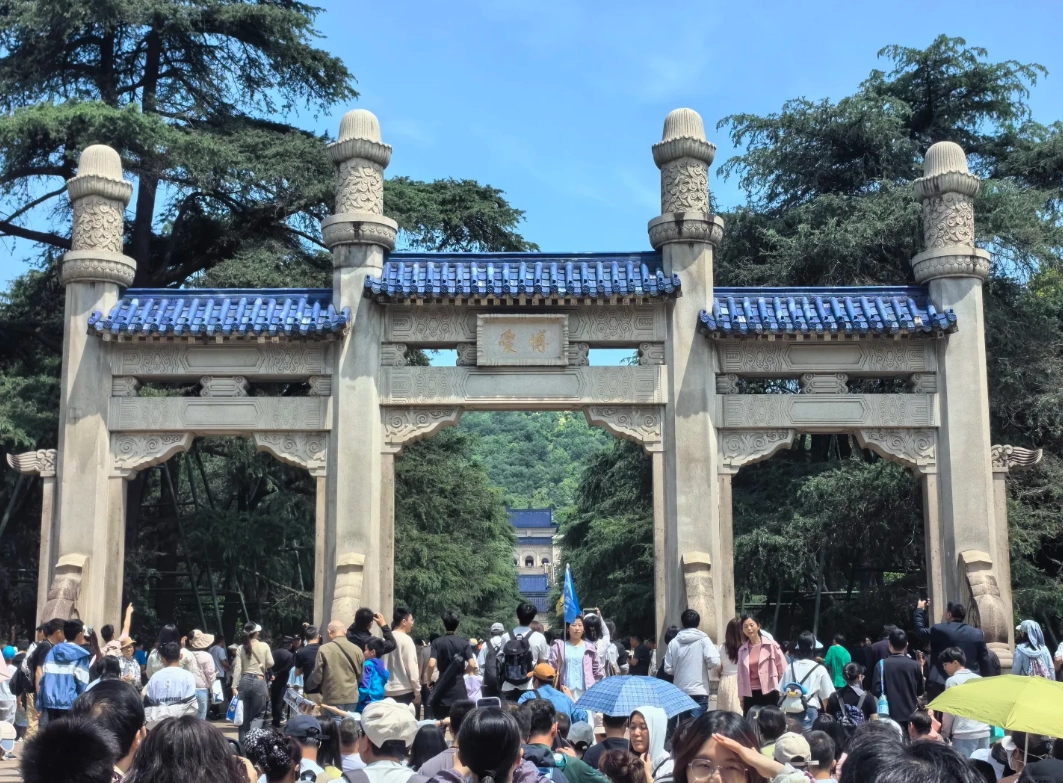
1. Sun Yat-sen Mausoleum
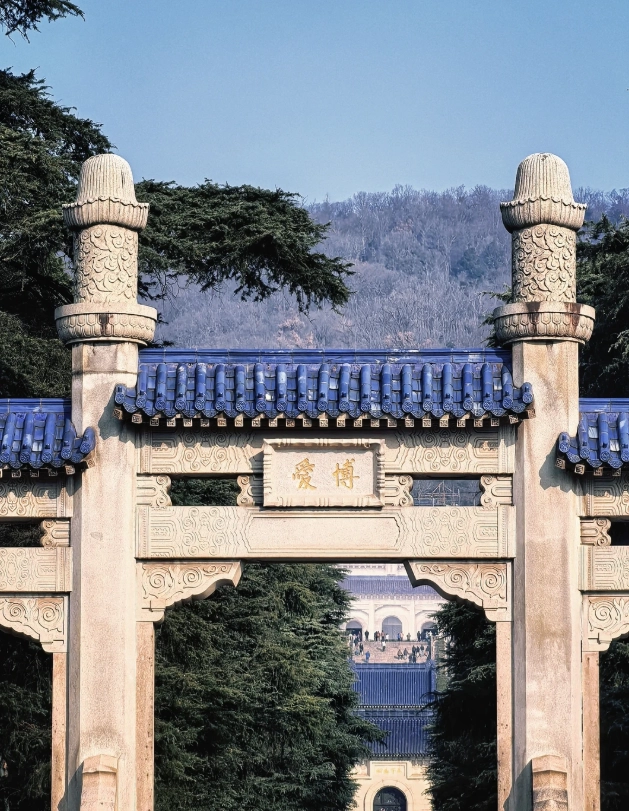
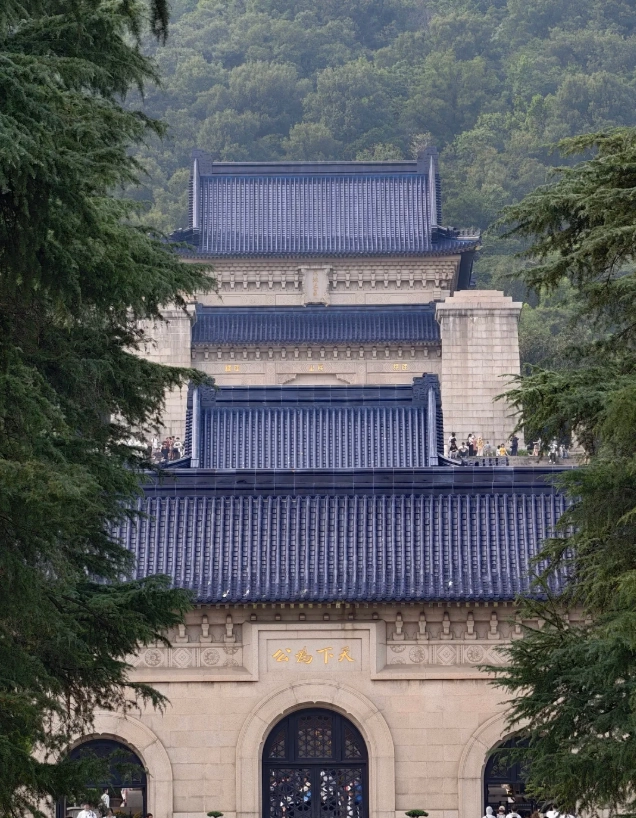
I always tell my first-timers to start here, not just because it's the most iconic sight, but because the sheer scale of the place is humbling. From the memorial archway to the main hall, you'll climb 392 steps — a workout with a payoff. The view from the top over the forested Purple Mountain is gorgeous at golden hour.
Here's the catch: the place is packed from 9 AM to 3 PM. If you can, enter from the side gate near Xiangshan Temple (often used by locals). Also, even though entry is free, you must reserve a slot online with your passport number. The official mini-program is in Chinese, but for foreigners it's easier to just show your passport at the ticket office to get a paper ticket for today. For precise hours, see the table.
Getting there: take Metro Line 2 to Xiaowei station (苜蓿园), exit 1, then hop on the scenic shuttle bus (¥10). Or taxi/didi to 'Zhongshanling' — show the driver 中山陵. The ride from downtown costs about ¥50.
2. Ming Xiaoling Mausoleum
This UNESCO World Heritage Site is the tomb of the first Ming emperor, Hongwu. It's a peaceful walk along the Sacred Way, lined with giant stone elephants and camels. Most tourists rush through, but I suggest budgeting 2–3 hours. Go early — like 8 AM — to have the stone path almost to yourself. The autumn colors here are unreal.
Insider secret: the entrance on the west side (Shenlie Road) is less crowded than the main South Gate. You'll find English audio guides at the main ticket office. Getting there: take Metro Line 2 to Mingxiaoling station (明孝陵), exit 2, and walk about 15 minutes to the west gate.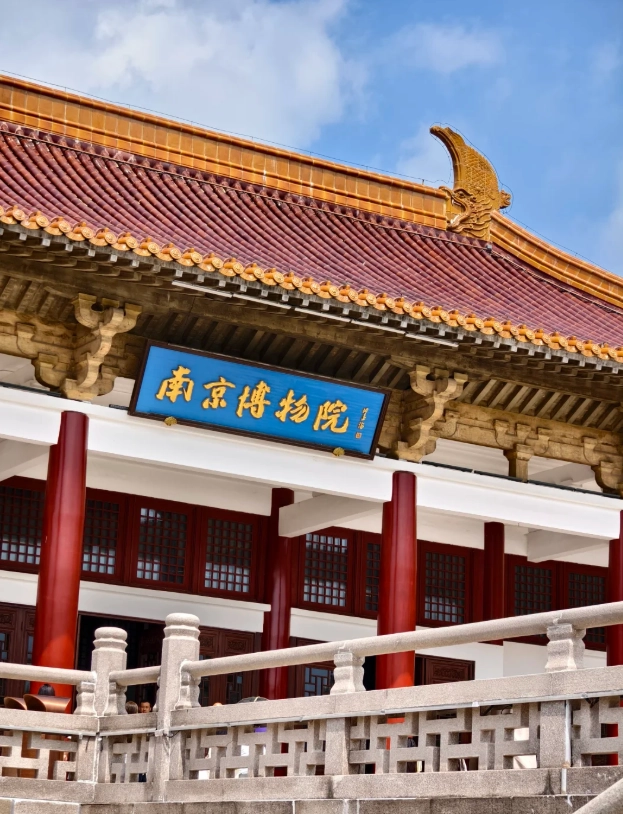
3. Confucius Temple (Fuzimiao)
Yes, it's touristy, but I still include it once you know how to navigate it. The area is a giant sensory overload — neon signs, street food smells, canal boats, and souvenir shops. Skip the museum inside and instead wander the small alleys behind the temple where locals actually eat. Come back after 7 PM when the lanterns reflect on the Qinhuai River — that's the postcard shot.
Watch your pocket: this is a common spot for pickpockets. Keep your phone in your front pocket, not your back pocket. Getting there: Metro Line 3 to Fuzimiao station (夫子庙), exit 3. The temple area is right outside.
4. Nanjing Museum
One of China's top museums, with over 400,000 artifacts from stone tools to modern art. The 'History of Nanjing' exhibition is my favorite — it walks you through the city's rise and fall. It's free but requires a reservation with your passport. I recommend the official site to book up to 7 days ahead. Allow at least 3 hours. There's a nice café in the Republic-era building if you need a break.
Note: closed on Mondays (except national holidays). Don't make this your first stop on a Monday. Getting there: Metro Line 2 to Minggugong station (明故宫), exit 1, and walk 5 minutes. The museum is at 321 East Zhongshan Road.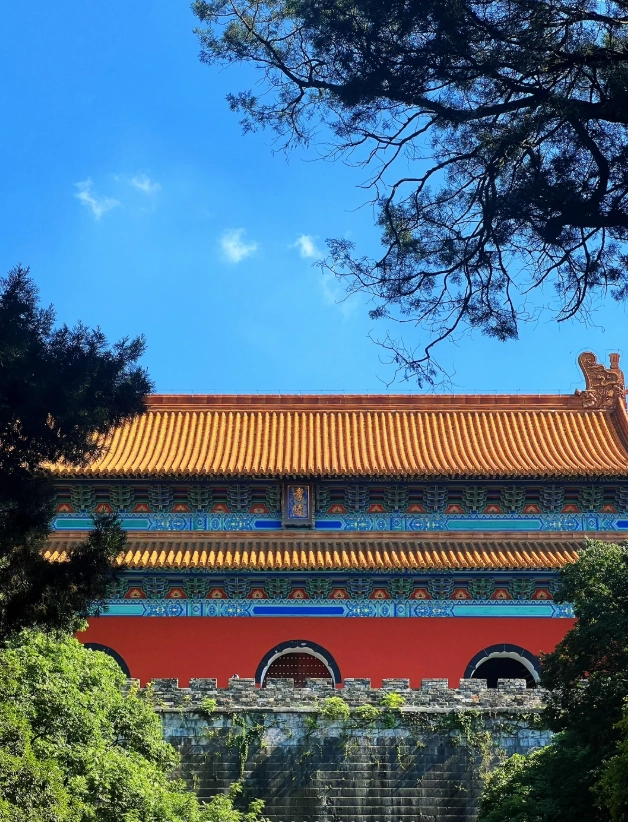
5. Presidential Palace
This sprawling complex is a timeline of modern Chinese history — it was the official residence of the Taiping Heavenly Kingdom, the Republic of China, and later the KMT government. The garden is lovely, but what gets me is the 'old office' area with 1930s furniture still intact. Plan 1-2 hours. The place is enormous, so wear comfortable shoes.
You'll need to buy a ticket at the entrance (¥40) — they accept international credit cards at the counter, which is rare. But I'd still carry cash as backup. Getting there: Metro Line 2 to Daxinggong station (大行宫), exit 1, then walk 3 minutes.
6. Xuanwu Lake
Need a break from museums? This 5.3-square-kilometer lake is China's largest imperial lake, ringed by the Ming City Wall. It's free to enter, and locals come here for jogging, tai chi, and paddle boating. Rent a paddle boat (about ¥100 per hour for two people) or simply walk the causeway between islets. Grab a stuffed tea egg from the vendors near the entrance.
Come at sunrise if you're a morning person — the light on the water and the distant Bullet Train passing behind the wall is a magical contrast. Getting there: Metro Line 1 to Xuanwumen station (玄武门), exit 2, then walk 3 minutes to the lake gate.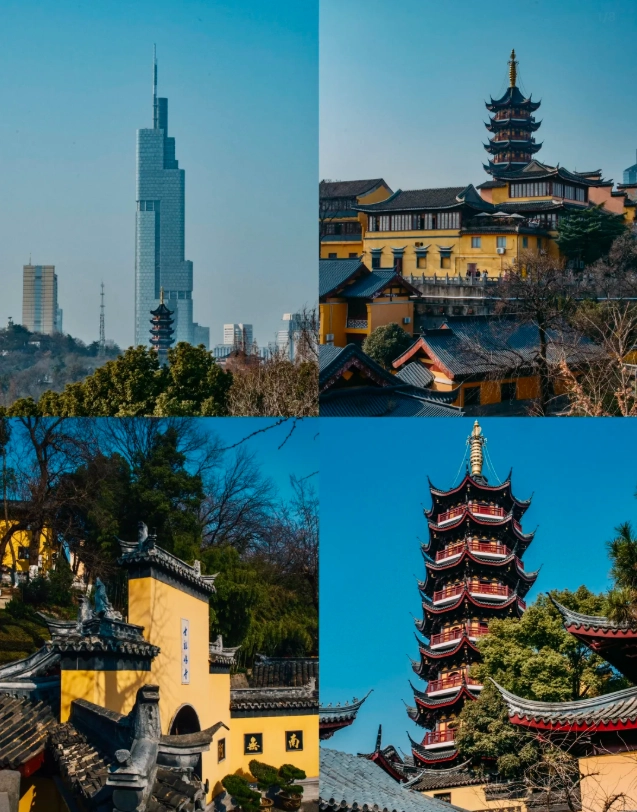
7. Purple Mountain (Zijin Shan)
Officially called Dr. Sun Yat-sen's Mausoleum Scenic Area, this is actually a mountain range. I'm including it as a separate entry because you shouldn't only do the mausoleum — hike up to the Purple Mountain Observatory or the Liangshan Restaurant area for panoramic views of the whole city. If hiking isn't your thing, take the cable car from the south side near the Expo Garden. The summit is at 448m and gives a bird's-eye view over Nanjing's grid.
My favorite trail starts at the wooden hut gas station near the International Exposition Garden. It's not marked in English, but just follow the stone steps up. Bring water — no kiosks on the trail. Getting there: you can reach the base via Metro Line 2 to Xiaowei station, then bus or taxi onward.
8. Zhonghua Gate Castle
Part of the 35-kilometer Ming City Wall, the Zhonghua Gate is the largest and most complex castle in the Ming wall system, with three false doors and 27 stone wells designed to trap enemies. You can walk along the top for about 500 meters, and the brickwork is still original. The view over the old city and the river is especially atmospheric at sunset.
There's an audio guide in English, but I think the best way is to just walk slowly and let the massive walls speak for themselves. Buy tickets at the gate — cash or Alipay both accepted. Getting there: Metro Line 1 to Zhonghuamen station (中华门), exit 2, then walk 5 minutes to the gate.
9. Laomendong
Laomendong is a renovated old district with Ming-Qing architecture that feels a bit more authentic than Fuzimiao — fewer group tours, more local food stalls and craft shops. It's a great place to try 鸭血粉丝汤 (duck blood vermicelli soup) at a small joint like 小郑鸭血粉丝. The little alleys are perfect for photos, especially in the morning before shops open.
Unlike Fuzimiao, this place is easier to stroll without being pressured to buy. Free entry, and it connects to the City Wall near Zhonghua Gate. Getting there: Metro Line 3 to Wudingmen station (武定门), exit 2, and walk east for 5 minutes.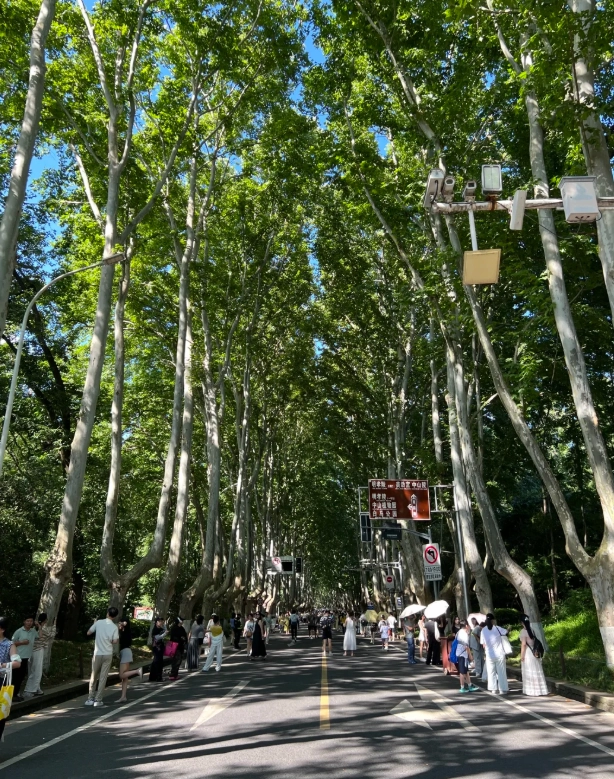
10. Porcelain Tower (Big Bao'en Temple)
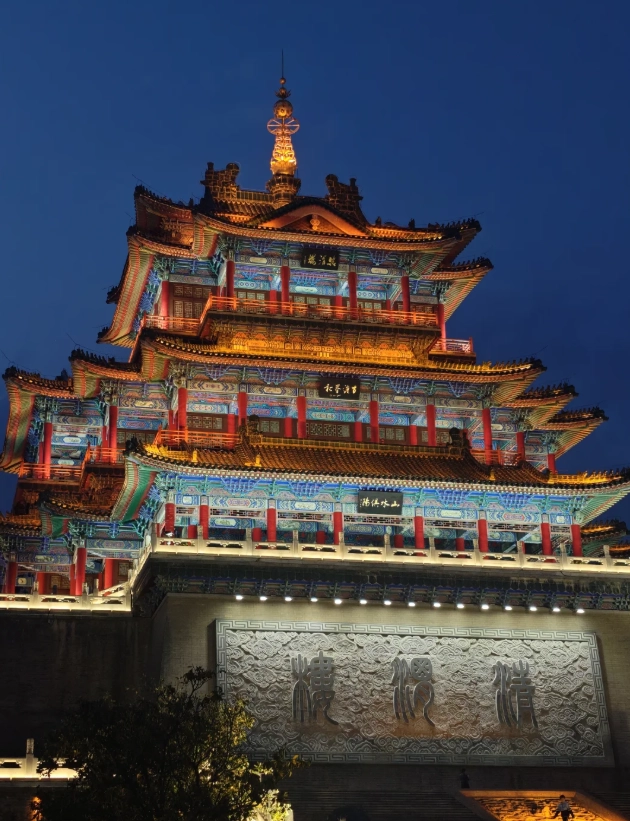
The original 15th-century tower was one of the seven wonders of the medieval world, described by travelers like Marco Polo as a 'glass tower.' It was destroyed in the Taiping Rebellion and has been rebuilt in 2010 as a modern museum and tower with glass sides. Some historians hate it, but I find it breathtaking at night when the LED lights mimic the original porcelain colors. If you're into photography, come at dusk. The museum downstairs shows the ancient porcelains and the original foundations.
Check if the tower is open before you go — occasionally closes for events. Tickets are pricey, but worth it for the light show. Getting there: Metro Line 1 to Longmianhu station (龙眠湖), exit 2, then walk 10 minutes. Alternatively, taxi to '大报恩寺遗址公园'.
How to Pay, Book, and Navigate in Nanjing without Stress
Let me save you from the same mistakes I see in every tour group. The biggest myth is that you can use WeChat Pay or Alipay only with a Chinese bank card. Actually, as a foreigner, you can link your Visa or Mastercard to these apps. Do it before you arrive — download Alipay, tap 'Quick Pay,' and add your card. Same for WeChat Pay. Smaller shops often only accept these mobile payments, so it's essential. Keep some RMB cash (¥200-300) as backup, but note that many ticket counters now actually prefer card or mobile.
Also, forget Google Maps. It's inaccurate inside China. Use Apple Maps (it now works with Chinese data) or download '高德地图' (AMap) — it has an English mode called AMap Global. For public transport, use the 'Metro Nanjing' app or China Railway for trains.
VPN and translation: yes, you'll need a VPN to access Google, WhatsApp, and Instagram. For offline translation, download the Apple Translate app for Chinese — it works offline for basic phrases.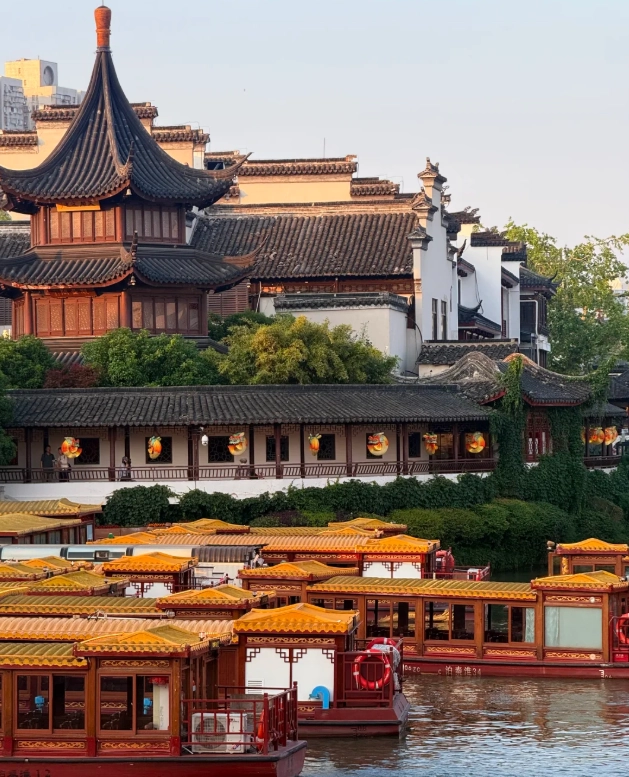
Payment and Booking
Set up Alipay with your international card before you fly. This is non-negotiable. Here's a quick rundown:
- Alipay + Visa/MC — set up in advance; works at most tourist traps and cabs.
- Cash — always keep a small amount. The airport money exchange gives good rates.
- Booking tickets — Use Trip.com for major attractions (they sell timed-entry tickets) or official WeChat mini-programs (often cheaper). Yes, navigating the WeChat mini-program in Chinese for a reservation is a serious pain — even for me, after years in China. But here's the workaround: ask your hotel receptionist to help, or use Trip.com's English site instead.
Navigation and Apps
Apple Maps is your best friend for walking directions in Nanjing. It pulls from Beijing maps and is surprisingly accurate. For taxi hailing, download Didi — the English version works and links to your international card. If you get stuck, ask your hotel to order a cab.
- AMap (高德) — the local standard; switch to English in settings
- Metro Nanjing — for underground navigation
- Didi — the Chinese Uber, with in-app translation
Language and Connectivity
Don't panic if you don't speak Mandarin. Most young locals in tourist areas know basic English, but not always. Show them the Chinese address on your phone — I've included the characters for every sight in the table above. For anything complex, use Apple Translate or Baidu Translate; they have offline packs.
For data, buy a prepaid SIM at the airport — China Mobile's tourist eSIM works well. Alternatively, switch to a Hong Kong eSIM plan before you arrive. Just remember: if you plan to use VPN, do it at home before crossing the border to avoid setup struggles on US mobile networks.
How to Plan a 2-Day Trip to Nanjing's Must-See Sights
If you only have 48 hours, here's a realistic, stress-free route with travel times built in. I've used this with clients and it hits all the highlights without killing you.
Day 1: Old and New
- 8:30 AM — Nanjing Museum (opens at 9 AM, so arrive early to get on the timed-entry list).
- 12:00 PM — lunch at 品茶园 near the museum — try the mapo tofu.
- 1:30 PM — Presidential Palace (walk 15 min or take Metro Line 2 to Daxinggong).
- 4:00 PM — Ming Xiaoling Mausoleum (taxi 20 min across town; skip if you're tired, it's a lot of walking).
- 6:30 PM — Confucius Temple area for dinner and night boat ride.
Day 2: Sky and Water
- 6:30 AM — Sun Yat-sen Mausoleum to beat the crowds and heat.
- 10:00 AM — Purple Mountain Observatory (hike or cable car).
- 12:30 PM — Lunch near the mausoleum at 中山陵大酒店 (set meal).
- 2:00 PM — Xuanwu Lake (rent a bike and cruise the shore).
- 5:00 PM — Zhonghua Gate for sunset and wall walk.
- 7:30 PM — Laomendong for a relaxed dinner.
This is a full day but doable. Wear comfortable shoes — you'll walk up to 12 km.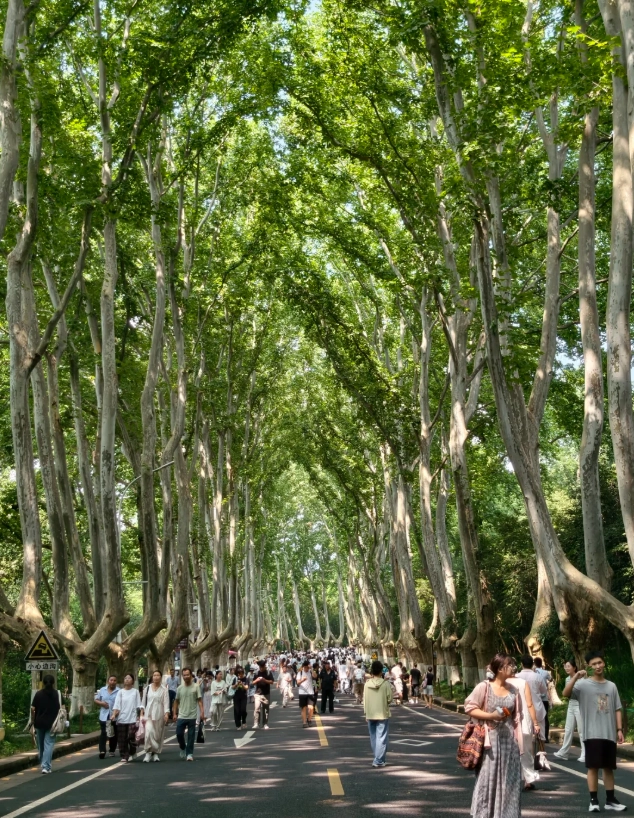
What to Eat and Where to Stay Near Must-See Spots
For food, don't leave without trying duck blood vermicelli soup (鸭血粉丝汤), pan-fried soup dumplings (生煎包), and Nanjing salted duck. Ask any local for '鸭子' and they'll point you to a roast duck stall that's been there for decades.
Where to stay? Here are three zones:
| Area | Hotel Examples | Price Range (per night) | Best For |
|---|---|---|---|
| Xinjiekou (downtown) | Nanjing 1912 Hotel, Hyatt Regency | ¥600-1500 | Shoppers, first-timers (near Metro) |
| Near Sun Yat-sen | Purple Mountain Hotel | ¥800-2000 | Nature lovers, quiet |
| Confucius Temple | Wen Ge Hotel, Garden Hotel | ¥400-900 | Nightlife, foodies |
I usually recommend staying in Xinjiekou for a balance of convenience. Buchong Hotel near Fuzimiao is also good if you want to be in the mix.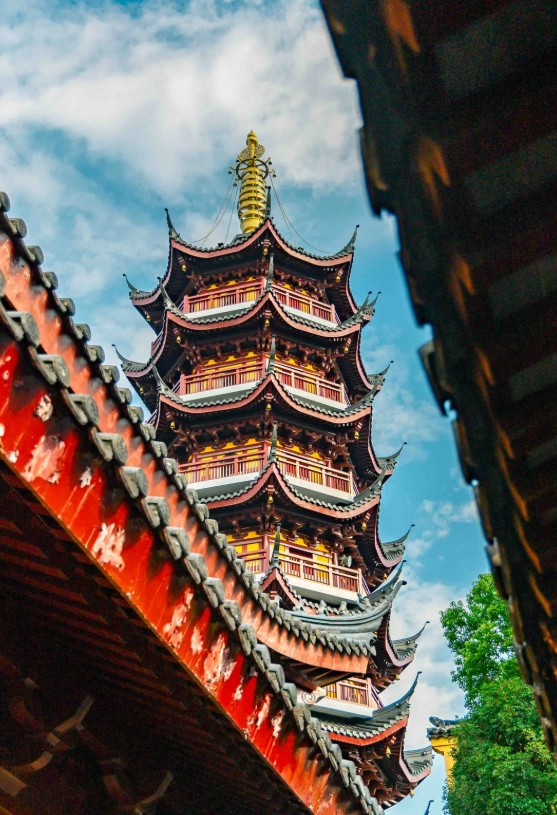
Frequently Asked Questions About Visiting Nanjing's Must-See Sights
Final Thoughts
Nanjing isn't just a pit stop on the way to Shanghai — it's a destination with a soul. Yes, the crowds and the digital hurdles can be annoying, but with the right plan, you'll walk away with memories of leafy boulevards, solemn history, and some of the best dumplings in China. I hope this guide helps you make the most of your visit. If you have more questions, drop them below.
This content has been fact-checked to ensure informational precision.





No comments yet.