Nanjing Travel FAQ
When traveling around Jiangsu, is cash still necessary at tourist sites?
While Alipay and WeChat Pay are ubiquitous, having about 200 RMB in small bills is a smart backup. Many small shops and some public restrooms (the ones with an attendant) may not accept card. Your international Visa or Mastercard will work in large hotels and some chains, but don't rely on it for street food or taxis.
As a foreigner, what's the smoothest way to reserve tickets for the top things to do in Jiangsu?
Use Trip.com or Klook for major attractions. They accept foreign cards and email you a QR code directly. If you're comfortable with Chinese, the official WeChat mini-programs are cheaper, but the process can be language-barrier heavy. Always have your passport number ready — every attraction requires real-name booking.
What's the fastest train connection between Nanjing and Suzhou for my top things to do list?
The high-speed train between Nanjing South and Suzhou North takes just around one hour on the G-trains. There are frequent departures throughout the day. Book via 12306 official website or the "12306 Travel" app, which now supports passport registration and international payment. The fare is around 100-150 RMB.
Is it possible to see the top things to do in Jiangsu in 4 days without rushing?
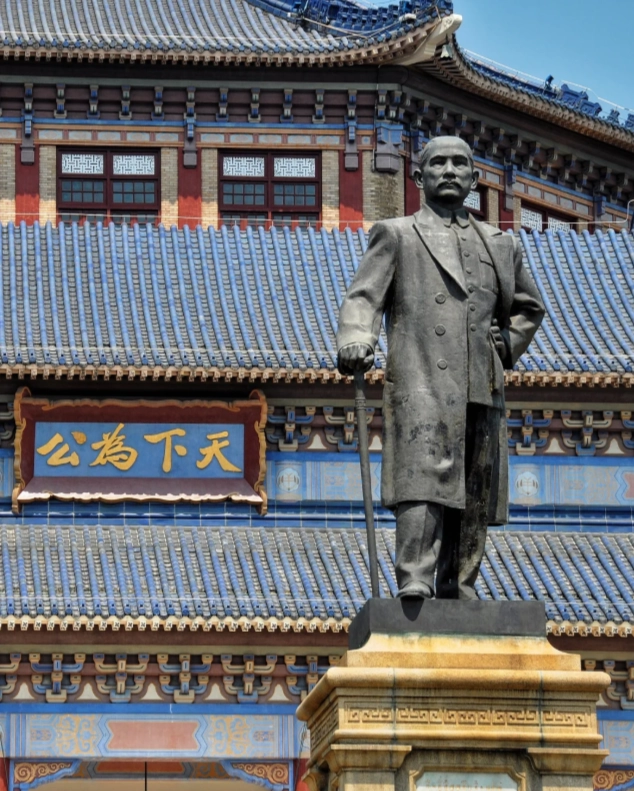
Yes, but you'll need to pick two bases. Spend two full days in Suzhou (gardens, water town, Pingjiang Road) and one full day in Nanjing (Sun Yat-sen Mausoleum and City Wall), leaving the last day for either Yangzhou or Wuxi. I warn you, adding a third city will turn your trip into a forced march.
Can I use a regular credit card to pay for entry fees at Jiangsu tourist attractions?
Not usually. Most ticket booths (even the manual ones) expect Alipay or WeChat Pay. If your card is linked to Alipay, you're fine. For places that still accept physical cards, they typically only take Chinese UnionPay. That's why I always set up Alipay before arrival; it's honestly the only way not to get stuck.
How far in advance should I book tickets for Jiangsu's top attractions?
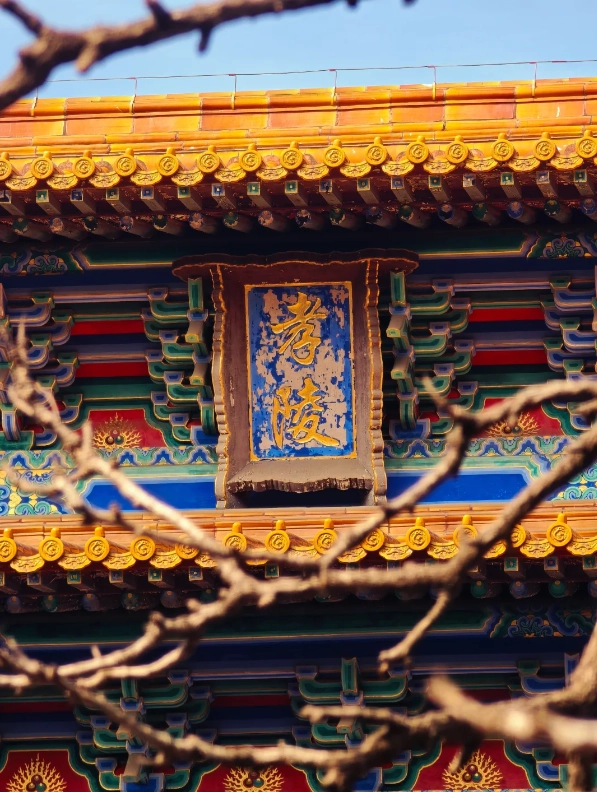
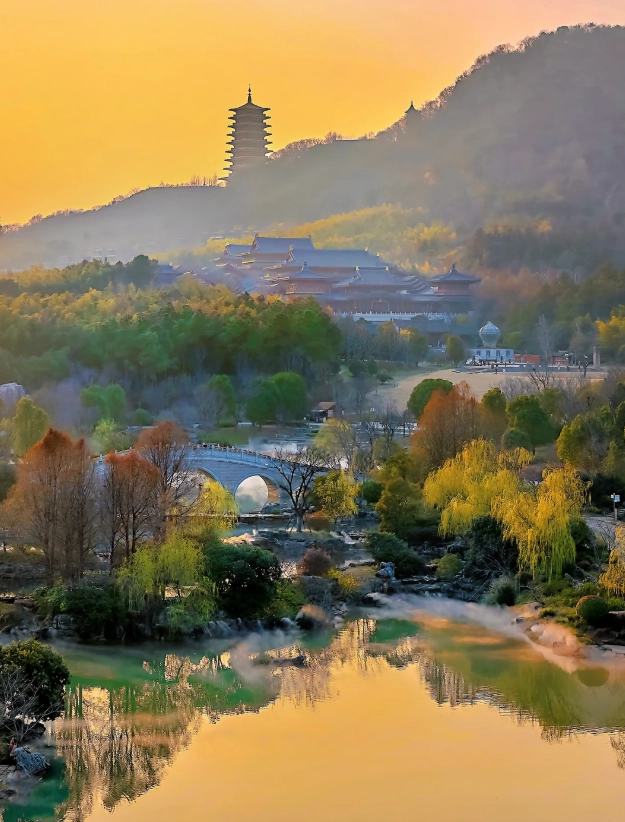
For Humble Administrator's Garden and Ming Xiaoling, book at least one day ahead, especially during Chinese holidays. Sunset slots at Ming Xiaoling get snapped up fast, so if you want the golden light I mentioned, reserve 3–4 days in advance. For Lingshan Grand Buddha, two days ahead is safe but same-day is sometimes possible on weekdays.
Are Jiangsu tourist attractions wheelchair accessible?
Mixed. The big sites like Ming Xiaoling and Lingshan have ramps and electric carts, but Suzhou's classical gardens often have many steps and uneven stone bridges. If you have mobility issues, skip Slender West Lake's full loop and instead take a boat from the south gate. And always check with the ticket office about renting a manual wheelchair — they rarely have them but can direct you to a nearby shop.
What should I do if I don't have a Chinese phone number for the WeChat mini-programs?
You don't strictly need one if you use Trip.com or Klook — they send you a booking reference and you show it at the gate. For the official WeChat programs, many now accept international numbers after you switch the language to English. If both fail, ask your hotel's receptionist to book it; they've helped countless visitors. It's a bit of a dance, but you'll be okay.
Is it safe to walk around Nanjing or Suzhou at night?
Yes, very safe. The civil security is genuinely impressive. Still, like anywhere, stick to well-lit streets in the old towns — no, there's no added threat, but you'll just find more night markets along those lights. And the police patrol major sightseeing areas, so you're in good hands.
How do I buy tickets for Nanjing tourist attractions using my foreign passport?
Most attractions now have English booking options through Trip.com or Klook. For free ones like Sun Yat-sen Mausoleum and Nanjing Museum, you’ll need to reserve a time slot using your passport details. Your hotel concierge is also a reliable fallback — don’t hesitate to ask them for help, even if they charge a small service fee.
Recent Reviews
I didn’t know much about Nanjing before visiting, but now I think about it all the time. Taking the cable car up Purple Mountain, seeing plum blossoms scattered along the hillside, then looking out over the Xuanwu Lake and the distant skyline — that moment alone was worth the trip. Later, I stood on the ancient city wall at sunset and tried to imagine all the generations who have passed through this place. It felt quiet and profound in a way that’s hard to put into words. Nanjing surprised me with its beauty and depth. Highly recommend ordering a lychee tea while you walk the wall — oddly specific, but it just worked.
I came to Nanjing for a quick business stop and ended up extending my stay because the people were so warm. A hotel clerk noticed I was struggling with the menu and wrote down all her favorite local spots on a map. I tried salted duck, vermicelli with duck blood, and the flaky savory pastries near Laomendong. Every meal was ridiculously good and cheap. Also, the city is so green, especially along the old city wall — I ran there at sunrise and felt like I had the whole place to myself. Genuinely awesome hospitality and food.
Nanjing completely blew me away. I walked from the Ming Xiaoling Mausoleum through the Sacred Way early on a weekday morning, and the ancient stone animals among the trees gave me chills. Then I spent hours at the Nanjing Museum, which is free and absolutely world-class. The autumn leaves were just turning, and the whole city felt golden and calm. Everything from the Metro signs to the park maintenance was clean and easy. I left thinking this is one of China’s most underrated cities. Five stars without a doubt.
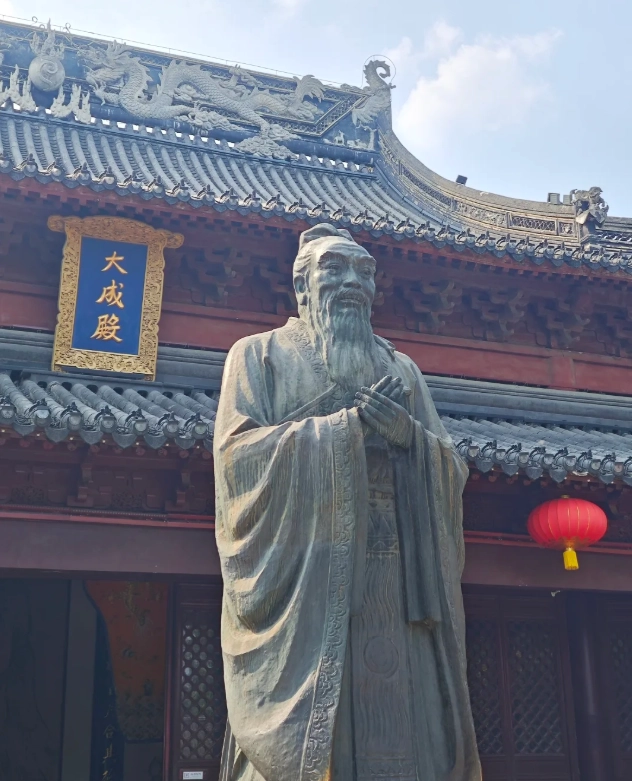
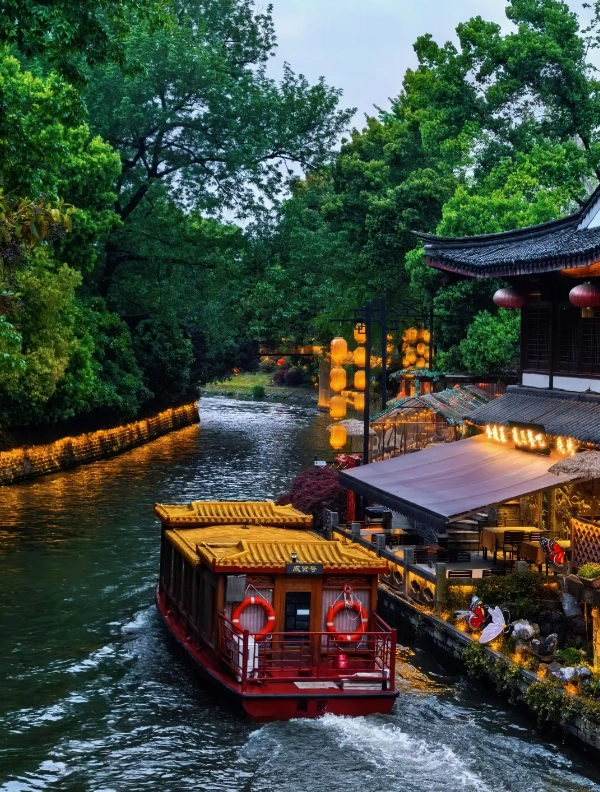
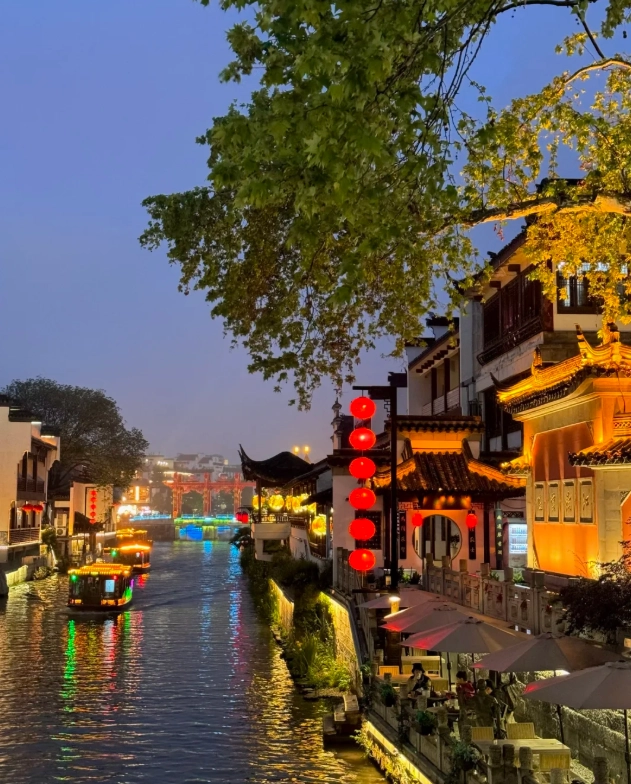
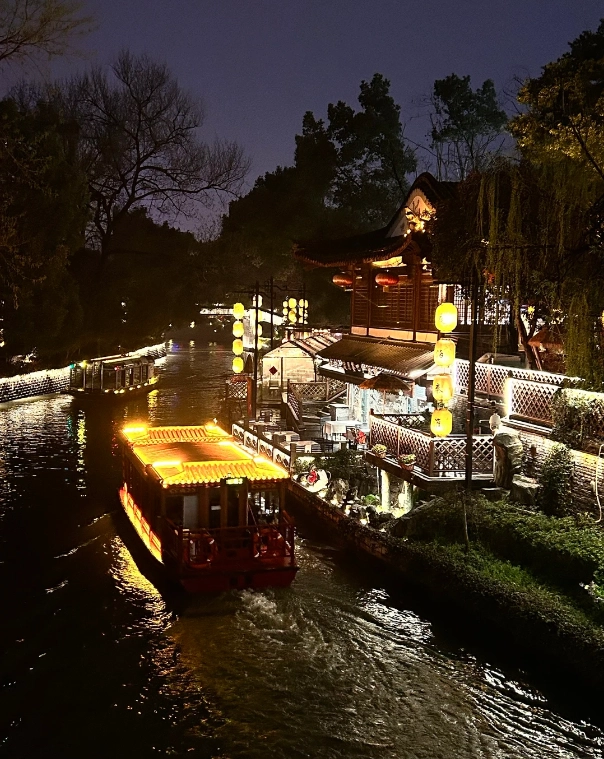
I really enjoyed my two days in Nanjing, but it was not perfect. The Confucius Temple area at night is stunning with all the lanterns reflecting on the water, and the duck soup noodles nearby were the best I had in a long time. However, the whole area is incredibly commercialized with the same souvenir shops on every corner, and it felt a bit overwhelming. Still, the city has a great vibe and the Metro made it easy to get around. I would come back, just maybe avoid the busiest weekends.
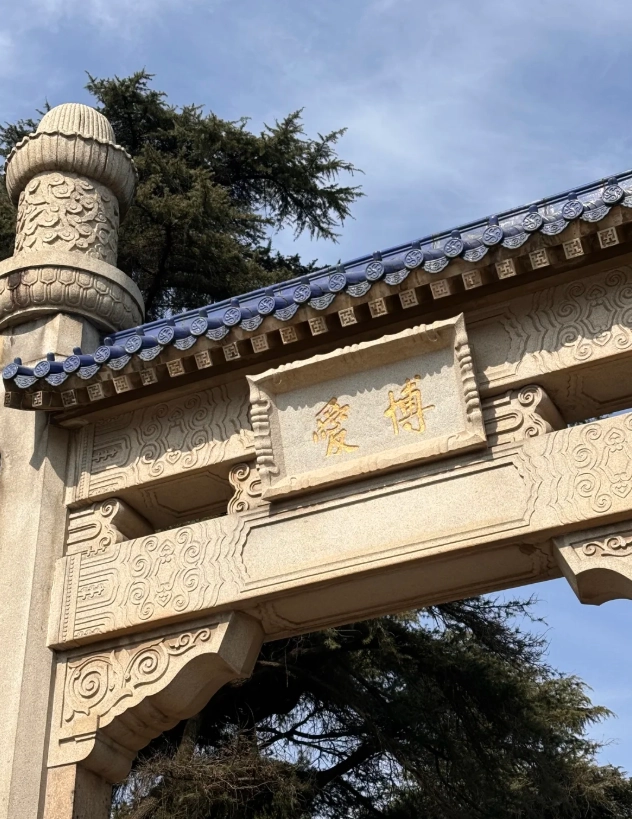
Nanjing is a city with so much history, and I really wanted to love it. The Sun Yat-sen Mausoleum was impressive, but honestly the sheer number of tourists made it hard to enjoy. We went in late July and the humidity was brutal, plus the shuttle queues were badly organized. Getting a taxi near the Presidential Palace was also a nightmare. I’m glad I saw it, but the experience felt more like a logistical challenge than a relaxing trip.
As a budget traveler, Nanjing was a dream. Most major attractions are super cheap or even free (like Xuanwu Lake Park — gorgeous!). The metro system is clean and easy to use. I loved just wandering the old neighborhoods around the Presidential Palace and eating street food for under 20 yuan. Nanjing feels underrated compared to Shanghai or Beijing. Highly recommend!
Leave a Review