A land of water, classical gardens, and ancient silk history. Jiangsu features the lower reaches of the Yangtze River, the Grand Canal heritage, and a string of prosperous cities blending high-tech modernity with profound cultural roots.
Jiangsu Travel FAQ
Is Jiangsu food spicy?
Not typically. Jiangsu cuisine is known for its delicate flavors and slight sweetness. Spiciness is uncommon, but you can always ask for chili oil or add your own. If you have a low tolerance for sweetness, beware of dishes like Wuxi spare ribs, which are aggressively sweet.
Do I need to book a table for popular restaurants?
For famous places like Tongdexing or Fuchun, yes — especially during lunchtime. But booking through WeChat mini-programs is a hurdle for foreigners. My advice: ask your hotel reception to call and reserve, or simply show up at 4:30 PM for dinner (they open at 5). You'll beat the crowd.
Can I find vegetarian options?
Absolutely. Many Jiangsu dishes can be prepared without meat. Look for 'sù shí' (vegetarian) on menus or specify 'bù yào ròu' (no meat). The braised tofu (dazhu gansi) is a great choice, and many teahouses offer vegetable dim sum.
When traveling around Jiangsu, is cash still necessary at tourist sites?
While Alipay and WeChat Pay are ubiquitous, having about 200 RMB in small bills is a smart backup. Many small shops and some public restrooms (the ones with an attendant) may not accept card. Your international Visa or Mastercard will work in large hotels and some chains, but don't rely on it for street food or taxis.
As a foreigner, what's the smoothest way to reserve tickets for the top things to do in Jiangsu?
Use Trip.com or Klook for major attractions. They accept foreign cards and email you a QR code directly. If you're comfortable with Chinese, the official WeChat mini-programs are cheaper, but the process can be language-barrier heavy. Always have your passport number ready — every attraction requires real-name booking.
What's the fastest train connection between Nanjing and Suzhou for my top things to do list?
The high-speed train between Nanjing South and Suzhou North takes just around one hour on the G-trains. There are frequent departures throughout the day. Book via 12306 official website or the "12306 Travel" app, which now supports passport registration and international payment. The fare is around 100-150 RMB.
Is it possible to see the top things to do in Jiangsu in 4 days without rushing?
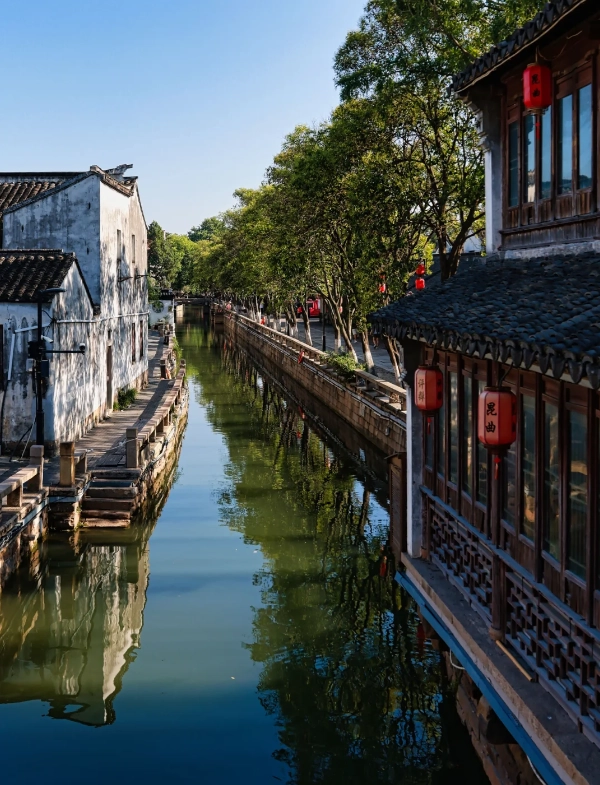
Yes, but you'll need to pick two bases. Spend two full days in Suzhou (gardens, water town, Pingjiang Road) and one full day in Nanjing (Sun Yat-sen Mausoleum and City Wall), leaving the last day for either Yangzhou or Wuxi. I warn you, adding a third city will turn your trip into a forced march.
When traveling around Jiangsu, is cash still necessary at tourist sites?
While Alipay and WeChat Pay are ubiquitous, having about 200 RMB in small bills is a smart backup. Many small shops and some public restrooms (the ones with an attendant) may not accept card. Your international Visa or Mastercard will work in large hotels and some chains, but don't rely on it for street food or taxis.
As a foreigner, what's the smoothest way to reserve tickets for the top things to do in Jiangsu?
Use Trip.com or Klook for major attractions. They accept foreign cards and email you a QR code directly. If you're comfortable with Chinese, the official WeChat mini-programs are cheaper, but the process can be language-barrier heavy. Always have your passport number ready — every attraction requires real-name booking.
What's the fastest train connection between Nanjing and Suzhou for my top things to do list?
The high-speed train between Nanjing South and Suzhou North takes just around one hour on the G-trains. There are frequent departures throughout the day. Book via 12306 official website or the "12306 Travel" app, which now supports passport registration and international payment. The fare is around 100-150 RMB.
Recent Reviews
We took our kids to Jiangsu for spring break and it exceeded every expectation. Yangzhou's Slender West Lake was so peaceful, and the breakfasts were unbelievable—soup dumplings and sticky rice rolls from a hole-in-the-wall. The whole province has this ancient charm but with modern convenience. Even our 10-year-old said it was the best vacation ever. High praise! We'll be back to explore more of the countryside.
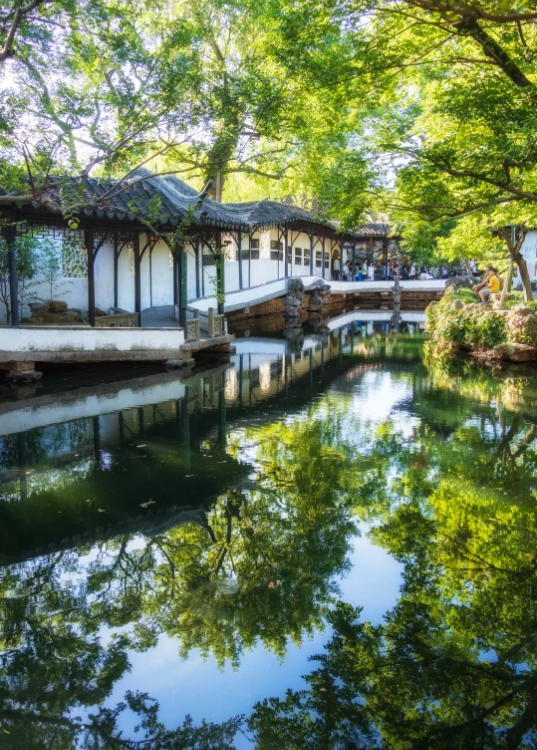
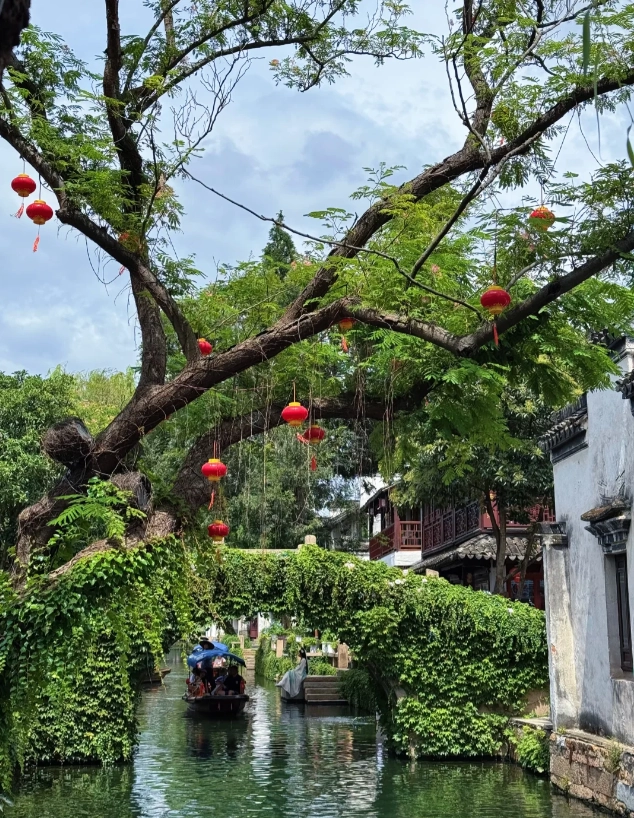
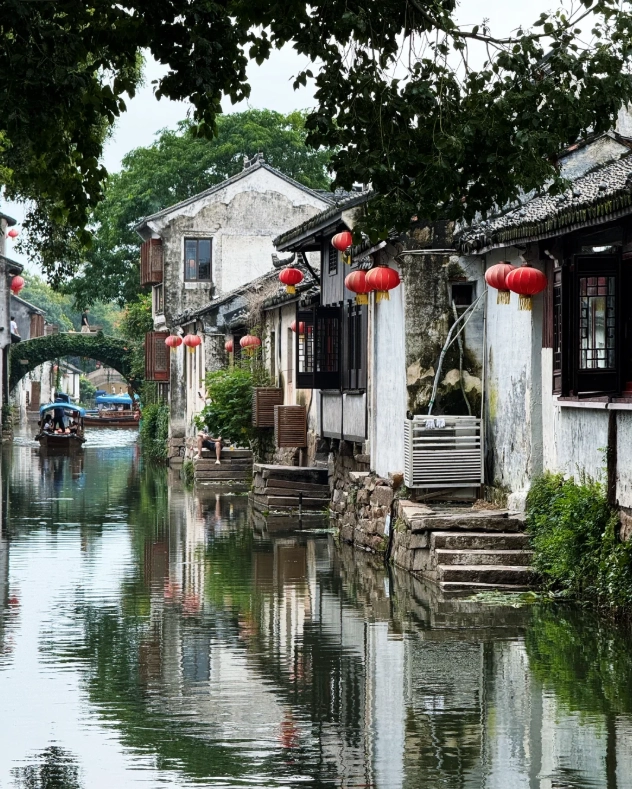
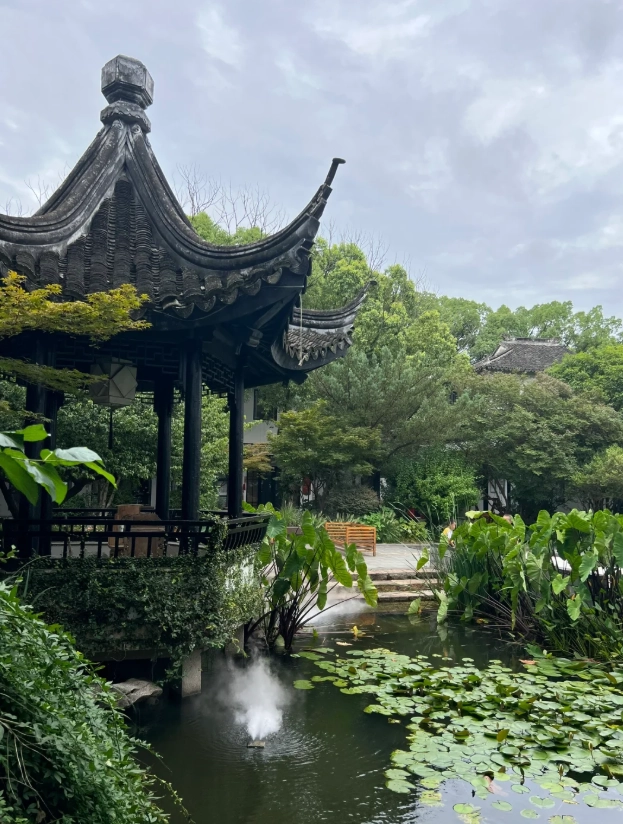
If you love gardens, water towns, and quiet mornings, Jiangsu is heaven. I started the day at the Humble Administrator's Garden before the crowds, and honestly it felt like walking through a painted scroll—the light on the lotus pond, the shadows through lattice windows. Then took a boat through Zhouzhuang and let the old stone bridges do the talking. Everything was well-organized and clean. My phone died and a tea house owner let me charge it while serving me jasmine tea. Five stars without a doubt.
Jiangsu genuinely surprised me. I came for two days and stayed five. The highlight was biking around the old city of Nanjing at sunset—the city walls glow orange and the streets smell like sesame and cumin from night stalls. Everywhere I turned there was another layer of history. The people were warm, even when my mandarin failed. Already planning to return for the autumn foliage.
Spent a week bouncing between Nanjing and Suzhou. Loved the contrast—Nanjing feels more grounded and historical, with the Ming walls and Xuanwu Lake, while Suzhou is all delicate waterways and gardens. The subway systems made getting around easy, and I found some amazing handmade noodles in a tiny shop off Pingjiang Road. Only reason not 5 stars: the bus to Tongli was packed and a few attractions were under renovation. Still, a solid trip and I'd come back.
Had high hopes for Jiangsu after hearing so much about the gardens and canals. Maybe I went during the worst time of year—humid, crowded, and a bit too touristy. The classical gardens in Suzhou are beautiful in photos, but in person you're shuffling behind tour groups. Also some of the 'local' restaurants near the scenic spots were pricey and bland. Not a bad trip, but definitely not the peaceful experience I expected.
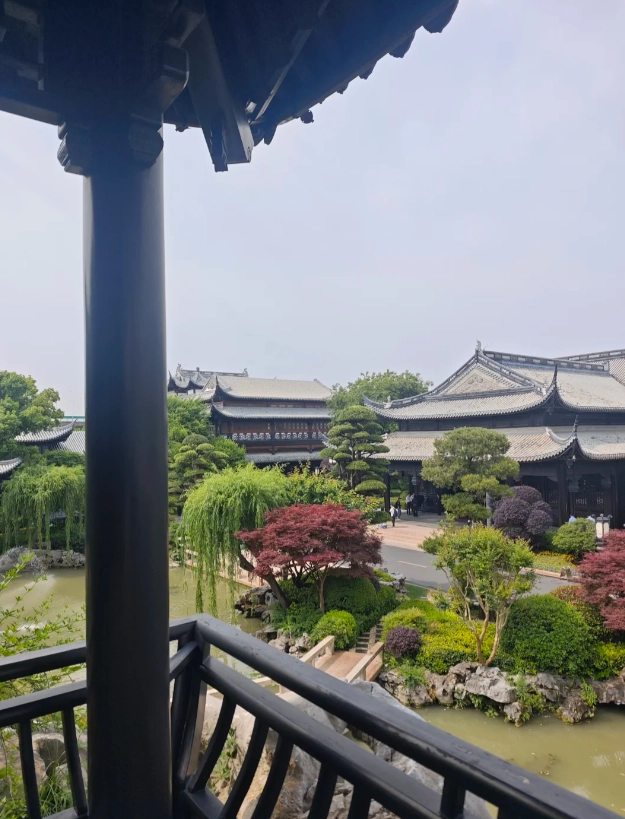
Jiangsu won me over in ways I didn't expect. I didn't plan much, just spent a few relaxed days in Nanjing and Suzhou. The Nanjing Museum is huge and free, but the real magic was sitting in the Humble Administrator's Garden as rain started to fall—every corner felt arranged for a painting. The food was another surprise: pan-fried buns, red-braised ribs, all incredible. Honestly 10/10 for a chilled-out cultural trip.
Leave a Review