 Fang Wang
Quick Navigation
I’ve lost count of how many times I’ve guided groups through Xitang’s narrow alleys. Summer heat turning the canals into a sauna, then watching tourists melt under umbrellas. Then came October—when the same streets felt like a painting. Here’s the truth: the best time to visit Xitang Ancient Town is late autumn (October to November) and early spring (March to April). But if you want to know exactly why and how to avoid the pitfalls, keep reading.
Why Timing Matters in Xitang
The Crowd Chaos
Chinese public holidays turn Xitang into a sardine can. National Day (Oct 1-7) and Labor Day (May 1-5) are absolute nightmares—I once spent 20 minutes just to cross a bridge. Weekends are also packed, especially Saturdays from 10am to 4pm. If you can visit on a weekday, do it.
Weather Realities
Xitang’s weather is classic Jiangnan: humid and unpredictable. Summer (June-August) is hot (30-35°C) and rainy—sudden downpours flood the streets. Winter (Dec-Feb) can drop to 0°C, and many guesthouses have no central heating. Spring and autumn are Goldilocks zones: mild, dry, and photogenic.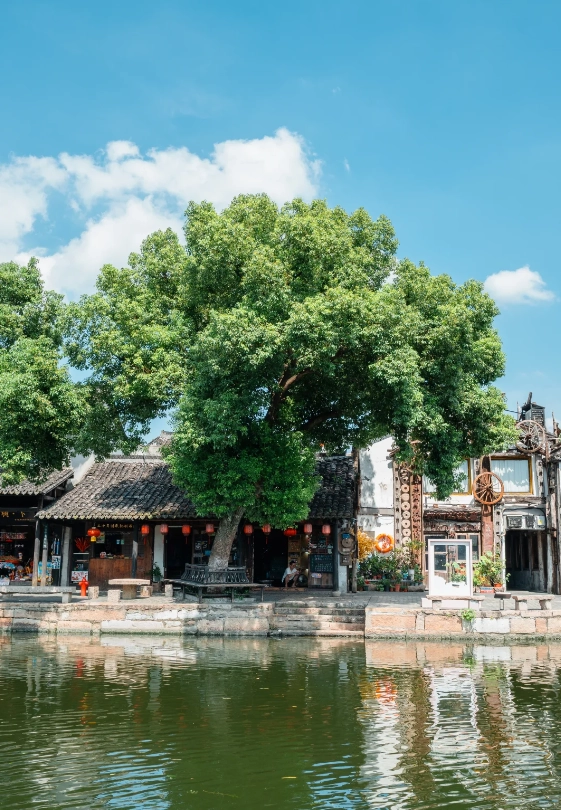
Month-by-Month Breakdown
| Month | Weather | Crowds | Pros | Cons |
|---|---|---|---|---|
| Mar-Apr | 15-20°C, occasional rain | Moderate | Cherry blossoms bloom; pleasant walking | Rain can dampen plans; weekends crowded |
| May | 20-25°C, humid | High (Labor Day) | Green scenery; canal boat rides comfortable | Public holiday chaos; prices spike |
| Jun-Aug | 28-35°C, monsoon | High (summer break) | Nightlife thrives; fewer crowds early morning | Stifling heat; mosquitoes; sudden storms |
| Sep | 22-28°C, less rain | Moderate | Autumn begins; golden light | Still warm; some residual crowds from summer |
| Oct-Nov | 15-22°C, crisp air | Low (except National Day) | Best weather; vibrant foliage; perfect for photos | Late October can be cool; book early for weekends |
| Dec-Feb | 0-10°C, dry | Low | Peaceful; cheap rates; possible snowy scenes | Cold indoors; many restaurants close early |
The Ultimate Sweet Spot: October & November
I always tell my clients: aim for the last two weeks of October or the first half of November. The summer crowds have vanished, the humidity drops, and the maple leaves along the canals turn fiery red. Daytime temperatures hover around 18-22°C—perfect for strolling without sweating. Bring a light jacket for evenings. The light? Golden hour from 3:30pm to 5pm paints the whitewashed walls in warmth. Pro tip: arrive by 8am to have the famous “Rainbow Bridge” all to yourself.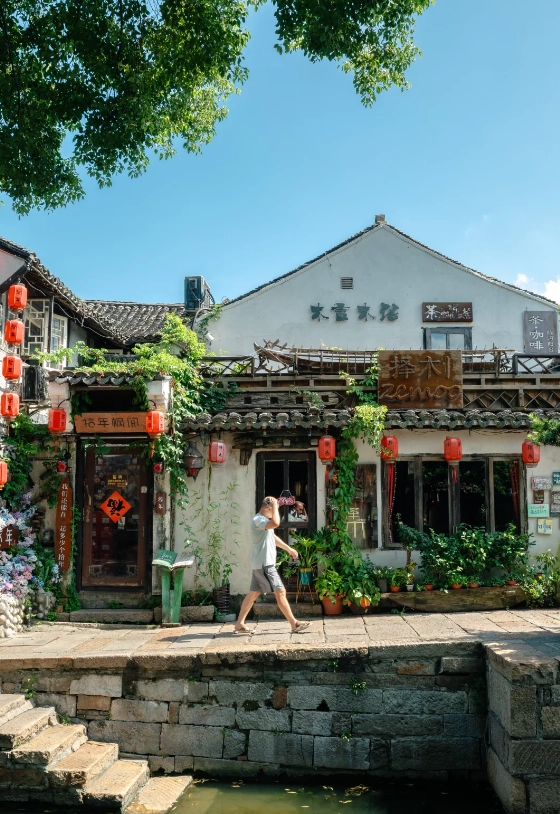
What About Spring?
Spring (March to early April) is my second pick. The cherry blossoms and peach flowers bloom near the wooden walkways, creating a fairytale vibe. But spring brings unpredictable rain. I’ve had groups caught in a downpour with no shelter in sight. Pack a compact umbrella and waterproof shoes. Also, avoid the Tomb Sweeping Festival (early April) when domestic tourism spikes.
Summer Survival Guide
If you can only come in summer, prepare for battle. Start your day at 6:30am before the heat and crowds hit. By noon, seek refuge in an air-conditioned tea house along the West Street. Mosquito repellent is non-negotiable—the canals breed them. Insider advice: skip the boat rides from 11am-3pm; the awnings trap heat like a greenhouse. Instead, take a night cruise when lanterns light up—much more romantic.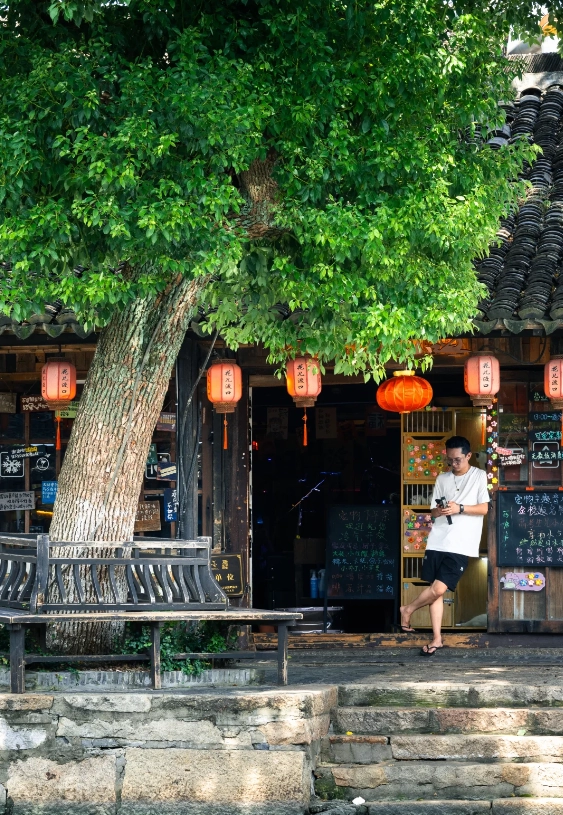
Winter Charm & Challenges
Winter is a hidden gem for solitude lovers. Snow on the black-tiled roofs is stunning, but it rarely snows heavily. The real issue: indoor heating is weak. Most guesthouses rely on portable heaters or heated blankets. Dress in layers—thermal underwear and a down jacket are essential. Restaurants close by 8pm, so plan dinner early. On the bright side, hotel rates drop 40-60%, and you’ll have the alleys almost to yourself.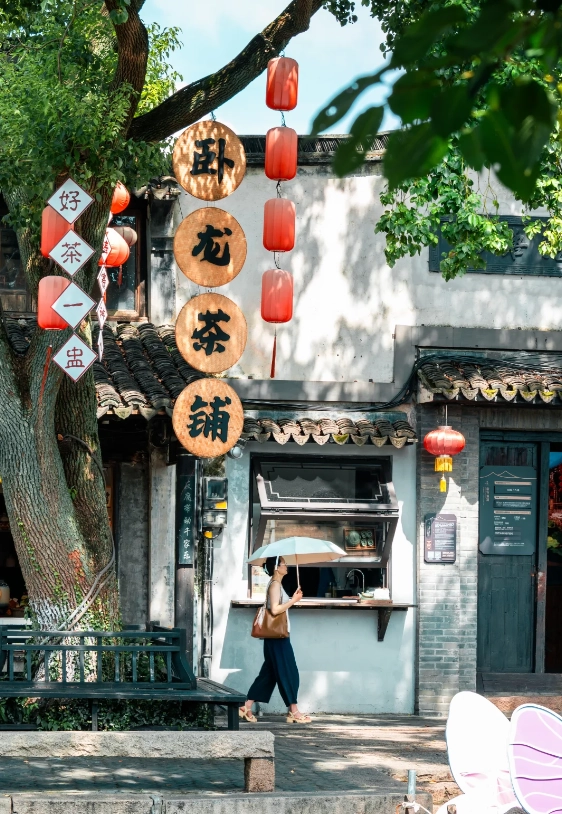
How to Visit in One Day?
Say you only have a day. Start at the East Gate (东门) at 8am—enter before the tour buses. Walk the main street (West Street) for 2 hours, then cross the bridges to the quieter north side. Have lunch at “The Water Pavilion” restaurant (address: North Street 23; they accept Alipay/WeChat, no credit cards). Their fried river shrimp is a must. After lunch, take a 30-minute gondola ride (¥50 per person). Leave by 4pm to beat the traffic back to Shanghai (1.5 hours by bus from Xitang’s coach station).
Insider Tips for Your Visit
- Payment: Bring cash (CNY) as backup. Many small shops don’t accept cards. Alipay works if you have an international card linked—test it before you go.
- Book tickets: Skip the WeChat mini-program nightmare. Use Trip.com or Klook to book your entry ticket (¥95 adult) with passport details. They also offer skip-the-line options.
- VPN: Install a VPN on your phone before arrival—otherwise, Instagram, Google, and WhatsApp won’t work inside China.
- Language: Download Baidu Translate or Apple Translate offline pack. Most locals don’t speak English.
- Accessibility: The alleys are cobblestone and full of small bridges—wheelchair users will struggle. No dedicated ramps.

FAQ
Final Verdict
If you can pick only one window, opt for the last week of October. The weather is divine, the autumn colors peak, and the tour groups have gone home. You’ll save money on accommodation, spend less time queuing, and actually hear the water lapping against the stone walls. That’s the real Xitang—not the one in a selfie stick scrum. Now go book your trip, and don’t forget to pack a sense of adventure (and an umbrella).





Honestly a bit disappointed. I planned my visit based on 'off-season tips' but early November was still packed with tour groups. I guess I should have come even earlier or on a Monday. The crowds made the narrow alleys feel claustrophobic, and several boat tour operators refused to negotiate on price since it was ‘peak season’ in their eyes. Paid ¥95 full price and only managed to take a few decent pictures without people photobombing. The food was average and overpriced near the center. Maybe I picked the wrong time, but I expected more for the money.
Decent trip overall. We went on a Friday afternoon hoping it’d be quiet, but it was still pretty busy until about 6 PM. The old town itself is beautiful—the bridges and canals are exactly like the photos. However, I felt the ‘authentic’ vibe was ruined by too many souvenir shops selling the same mass-produced stuff. We saved money by eating outside the main scenic area, where a good meal costs half as much. Not bad, but I expected a bit more charm after all the hype. 4/5.
Came around 5 PM on a Sunday and stayed overnight in a cheap hostel inside the old town. The evening crowd had thinned out by 7, and I walked the entire west section with maybe five other people. No entry fee if you arrive after 4:30 (the ticket booth was closed). The lanterns reflected on the water were stunning. Only thing? A few restaurants tried to overcharge me because I looked foreign, but I just walked away. Still, a 5-star experience for the timing and savings.
Went on a Tuesday in late November and honestly felt like I had the place to myself. The ticket was half price off-season, and most shops were open but not pushy. I grabbed a bowl of wonton at a tiny family-run stall near the east gate for ¥12—cheapest meal I had in China. No jostling, no selfie sticks in my face. If you’re on a budget and hate crowds, this is the way to do Xitang. Would go back in a heartbeat.
If you want that classic postcard shot without a hundred heads in the frame, go at sunrise. I entered right when the gates opened at 7:30 AM and had the whole alleyway to myself. The morning mist over the canal was magical, and the ticket was only ¥55 instead of the usual ¥95 because I booked a day before on a weekday. Totally worth the early alarm. Best photos I’ve ever taken in a water town, no crowd stress at all.