 Lei Li
What You'll Find Here
- Why Datong Belongs on Your China Itinerary
- How to Get to Datong and Get Around
- Yungang Grottoes: The Cave Masterpiece
- Hanging Temple: The Cliff-Hugging Wonder
- Yingxian Wooden Pagoda: Worth the Detour?
- My Favorite 24-Hour Datong Itinerary
- Practical Tips: Money, Apps, and Avoiding Tourist Traps
- Quick Answers to Your Datong Questions
Staring at the Hanging Temple from the valley floor, I watched a dozen tourists struggle with selfie sticks, all trying to squeeze into the same tiny bridge. My first thought? "Thank God we came at 3 PM." That moment pretty much sums up Datong — a city loaded with world-class sights but surrounded by logistical chaos if you don't know the drills. After years of guiding here, I can tell you exactly which grottoes to skip and which noodle shop to hit after sunset.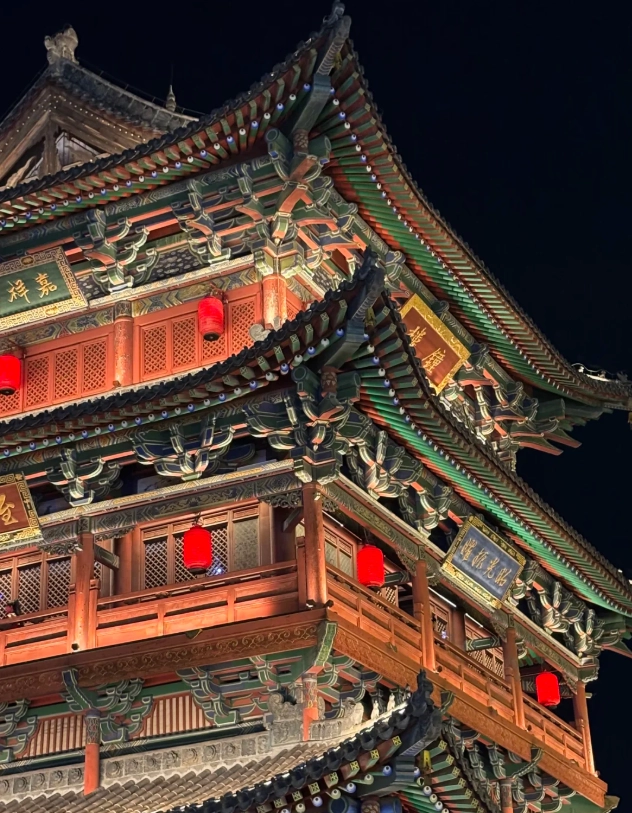
Datong tourist attractions aren't just about checking boxes. The Yungang Grottoes alone rank among China's finest Buddhist cave complexes, and the Hanging Temple looks like something out of a fantasy film. But here's the catch — most foreign visitors underestimate the distances, overestimate the English signage, and end up exhausted from trying to cram everything into one rushed day. I'm here to give you the honest, street-smart version of visiting Datong — including the political and practical moves many guides skip.
If you only remember one thing from this article: go straight to Yungang Grottoes first, and book your visit for the early afternoon. That's my hard-earned advice after bringing over 200 groups here. Now, let's break down the entire experience.
Why Datong Belongs on Your China Itinerary
Datong is a former coal-mining powerhouse turned UNESCO-adjacent heritage destination. It sits in Shanxi Province, about a 90-minute high-speed train ride southwest of Beijing. The city itself might not have the charm of Xi'an or the gloss of Shanghai, but its ancient cave temples and cliff-side monasteries are exactly the kind of "wow" moments you came to China for.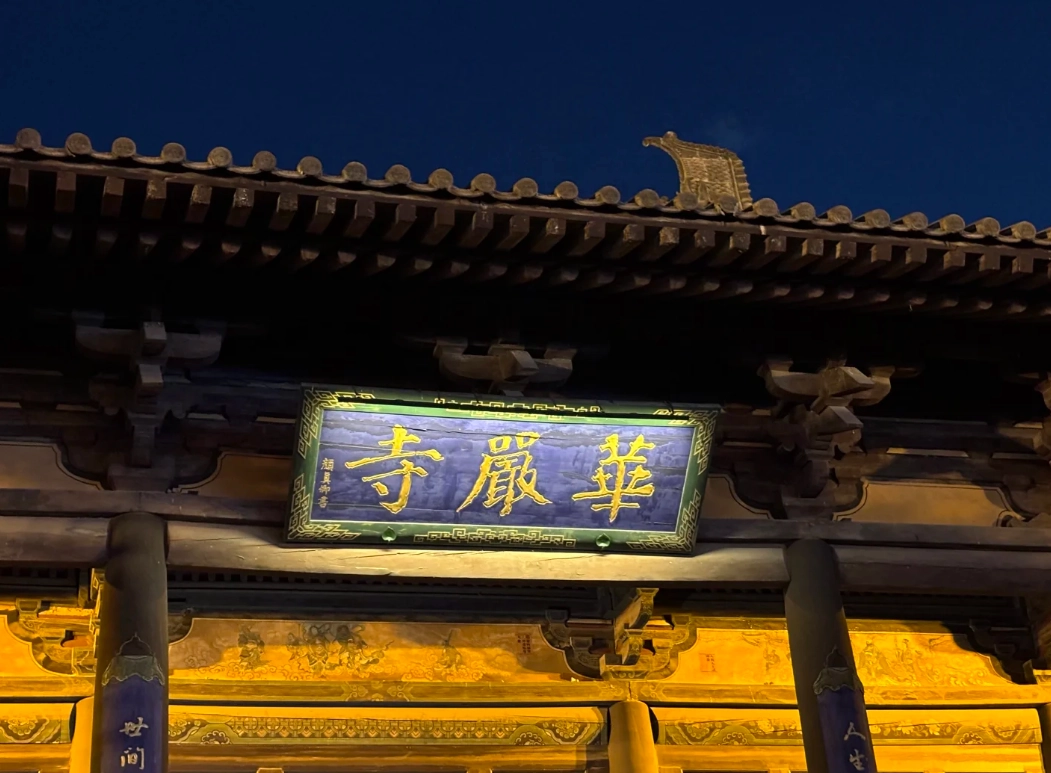
Most Datong tourist attractions cluster around two main sites: the Yungang Grottoes (a UNESCO World Heritage site) and the Hanging Temple. A slightly farther gem — the Yingxian Wooden Pagoda — sits about an hour away but is often lumped into the same day trip. In my experience, you can hit all three in 24 hours if you're sharp, but I'd honestly recommend spreading them over two days to avoid burnout.
What makes Datong special isn't just the sights — it's the fact that these ancient structures have survived earthquakes, wars, and centuries of coal dust. Standing inside Cave 5 at Yungang, with a 17-meter Buddha gazing down, is an experience that genuinely rearranges your internal compass. As the UNESCO World Heritage Centre notes, the grottoes represent "the brilliant achievement of Buddhist cave art in China."
How to Get to Datong and Get Around
You'll likely arrive by high-speed rail from Beijing or elsewhere. Datong South Station is the main hub, located about 30–40 minutes from the city center. From the station, your best bet is to order a Didi (China's Uber) or take a taxi. The meter should read around 40 RMB to the old city area. Don't bother with the airport shuttle unless you're flying.
Once you're in Datong, transport to the attractions is surprisingly manageable if you plan ahead. Here's the breakdown:
| Destination | Distance from city center | Taxi/Didi cost | Bus option | Travel time |
|---|---|---|---|---|
| Yungang Grottoes | ~16 km west | 50–70 RMB | Bus 3-2 or 3-1 (rarely used by foreigners) | 30–40 min by car |
| Hanging Temple | ~65 km southeast | 150–200 RMB each way | Direct tourist bus from Datong Bus Station | 1.5–2 hrs |
| Yingxian Wooden Pagoda | ~70 km south | 180–220 RMB each way | Bus from Datong to Yingxian | 2 hrs |
Insider Advice: Don't rely on Google Maps. It's practically blind in China. Use Apple Maps (which works fairly well) or download AMap Global before you go. Always have the Chinese address written down — your Didi driver won't understand "Hanging Temple." Show them this: 悬空寺.
Yungang Grottoes: The Cave Masterpiece
Walking into the Yungang Grottoes is like stepping into a giant Buddhist time capsule. Over 50,000 statues and 254 caves carved into a sandstone cliff, with origins tracing back to the 5th century. The sheer scale is humbling.
Yungang Grottoes Tickets & Timing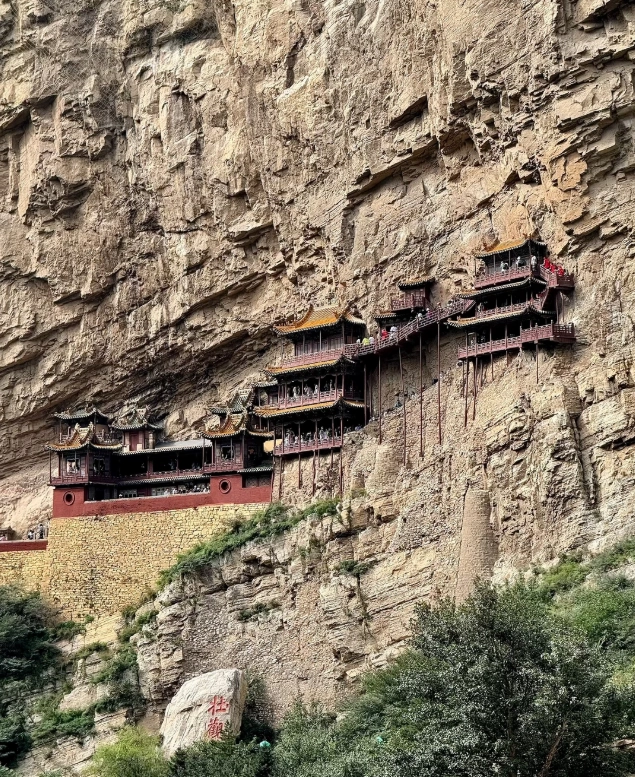
Tickets are currently 120 RMB for adults (check the official site for updates; students and seniors get discounts). You'll need to show your passport at the entrance. There's also a small electric shuttle from the parking lot to the cave area — 10 RMB — which I recommend, because the walk is a dusty 800 meters with little shade.
Opening hours are generally 8:30 AM to 5:30 PM in peak season, with last admission around 4:30 PM. Do not arrive at opening time expecting empty caves — that's when every tour group lands. The sweet spot is between 2 PM and 4 PM, when the morning crowds have thinned out and the light hits the cliff face beautifully.
How to Visit Yungang Grottoes Without the Crowds
Here's a trick I use with every group: skip the first 5 caves and head straight to Cave 5 and Cave 6. Caves 1–4 are smaller and often get clogged with tour groups. Cave 5 houses the sitting Buddha, and Cave 6 has the intricate carvings that make photographers weep. If you have time, Cave 20 is the iconic giant Buddha — the one you see in all the promo shots.
Most visitors miss the upper-story caves that require climbing a steep stairway near the end. It's a quiet spot with zero crowds and a great panoramic view. Nobody goes up there because it's not marked well — but it's worth the effort.
Pro Tip: Wear shoes with good grip. The walkways can be slippery after rain, and the stairs are uneven. Also, there's one bathroom near the entrance and one inside — but the one near the entrance often has a long line. Use the one near Cave 20; it's cleaner and usually empty.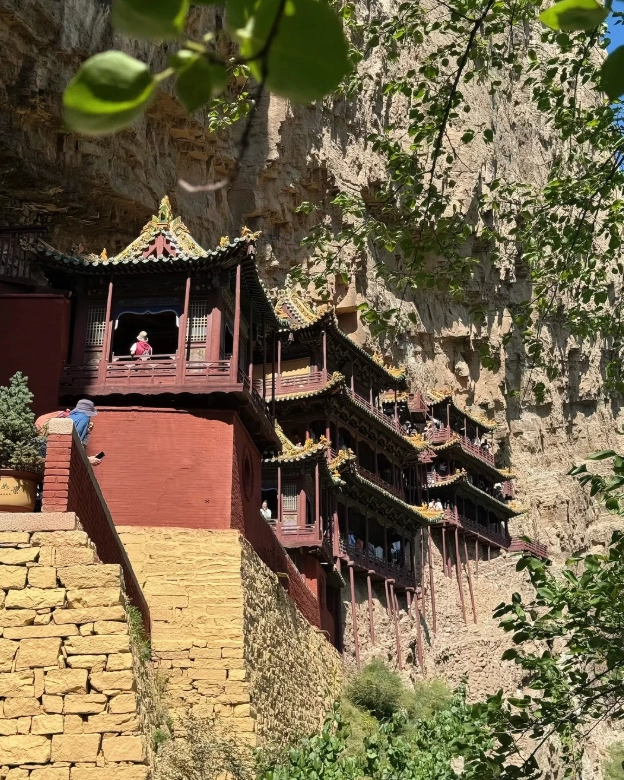
Hanging Temple: The Cliff-Hugging Wonder
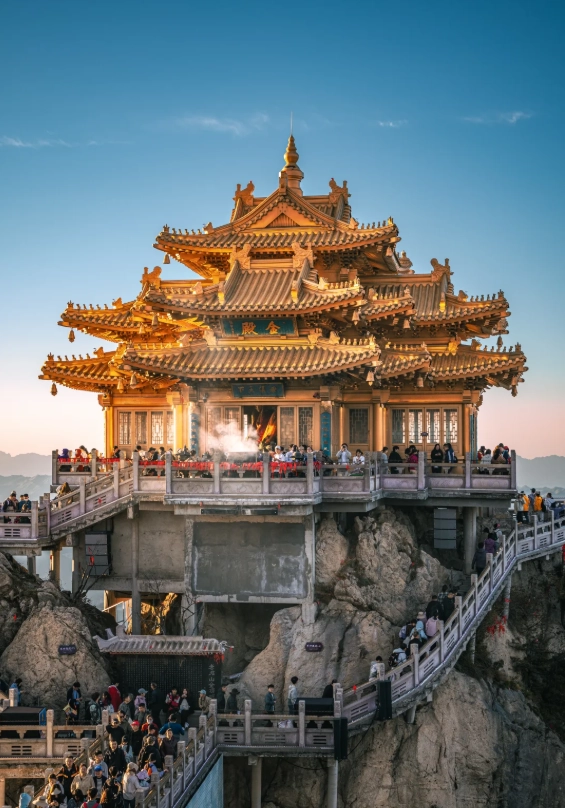
Fifty kilometers southwest of Datong lies the Hanging Temple — a shrinelike structure literally glued onto a sheer cliff face using a system of oak beams and gravity. It's a marvel of engineering that predates Shakespeare by a thousand years. And yes, it's even more bizarre in real life than in photos.
Hanging Temple Tickets and the Famous Photo Spot
Entrance costs 115 RMB (again, confirm the current price). You also need to purchase a small shuttle ticket (10 RMB) to get from the parking lot to the temple area. The temple itself is closed to large groups at peak times, and there's a strict number of visitors inside at any moment — so expect a bit of a queue.
For the iconic photo — the one you'll ruin with your selfie — head to the small bridge across the valley. That's the classic angle. Pro timing tip: come between 3 PM and 5 PM. The morning light puts the cliff in shadow, and by late afternoon the golden sunlight hits the temple directly. If you're a photographer, you'll thank me.
Now for the non-consensus opinion: If you're short on time, I'd skip going inside the temple itself and just enjoy the view from the valley. The interior is a maze of narrow staircases, and the view from the top is blocked by scaffolding in recent years (they've been doing restoration). The real magic is seeing it from the outside.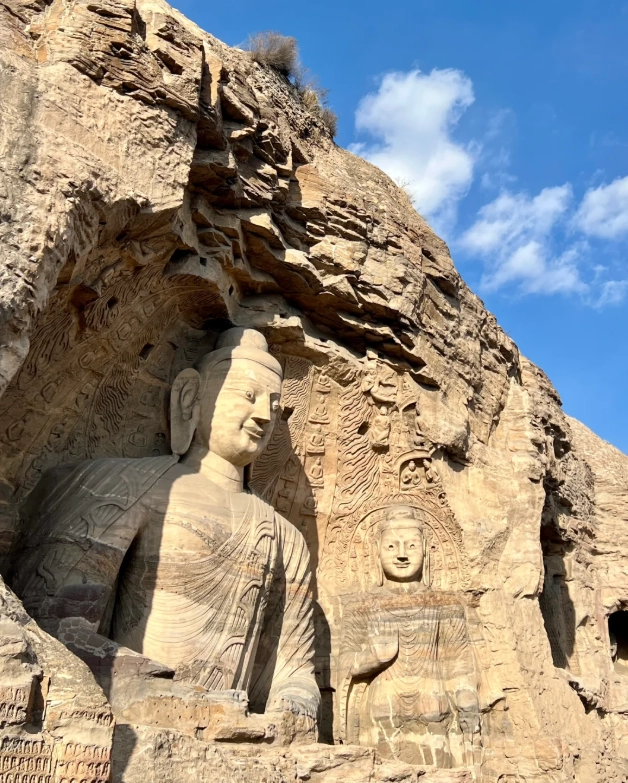
Yingxian Wooden Pagoda: Worth the Detour?
The Yingxian Wooden Pagoda, also known as the Sakyamuni Pagoda of Fogong Temple, is the world's oldest and tallest wooden pagoda — about 67 meters of pure timber built in 1056. It's a UNESCO tentative site and an architectural marvel. But here's the brutal truth: you can't go inside the main level anymore. The structure is so fragile that authorities closed the interior to visitors (except for the ground floor, which now houses a few larger Buddhas).
So is it worth the two-hour round trip from Datong? For architecture geeks, absolutely. For the casual tourist, maybe not. I usually tell my groups: if you have a spare half-day and really want to see what ancient Chinese engineering can do, go. Otherwise, you're better off spending that time walking the Datong city wall and visiting the Huayan Temple (which we'll cover below).
If you do go, respect the signage. No photos inside in some areas, and don't skip the side halls if they're open — they contain some genuinely forgotten murals.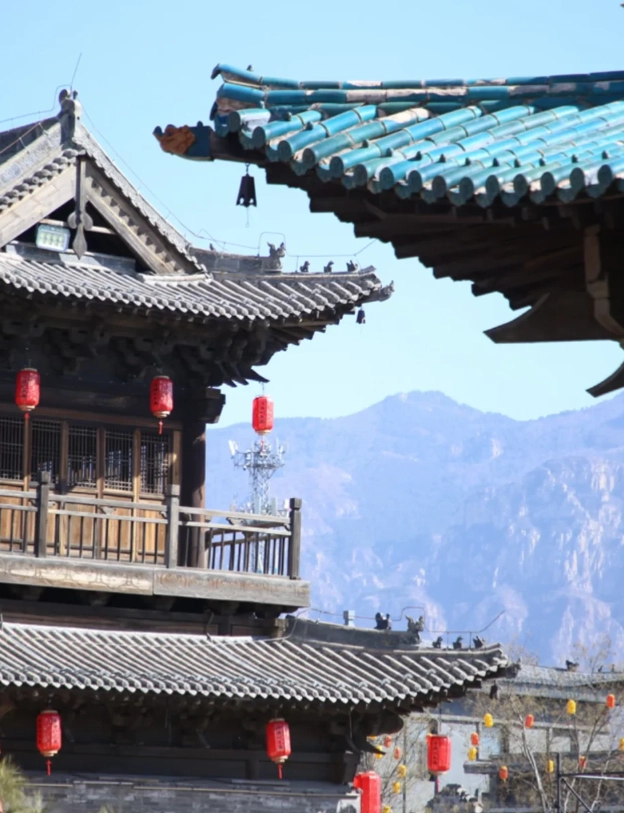
My Favorite 24-Hour Datong Itinerary
Since you're here for the attractions, let's put it into action. I'll assume you arrive in Datong around noon and want to maximize your time. Here's a pressure-tested itinerary:
Day 1: Afternoon at Yungang, Sunset at the Old City
12:30 PM: Check into your hotel near the Shanguan Temple area. Drop your bags, grab a quick bowl of Dao Xiao Mian (knife-cut noodles) at a local spot.
1:30 PM: Order a Didi to Yungang Grottoes. Budget 40 minutes of traffic.
2:15 PM: Enter the grottoes. Follow my earlier advice — head to Cave 5 first, then Cave 6, then Cave 20. Spend about 2.5 hours here.
4:45 PM: Didi back to Datong city. Alternatively, if you're feeling adventurous, take bus 3 toward the city — but honestly, the bus is slow and stops everywhere. Spring for the car.
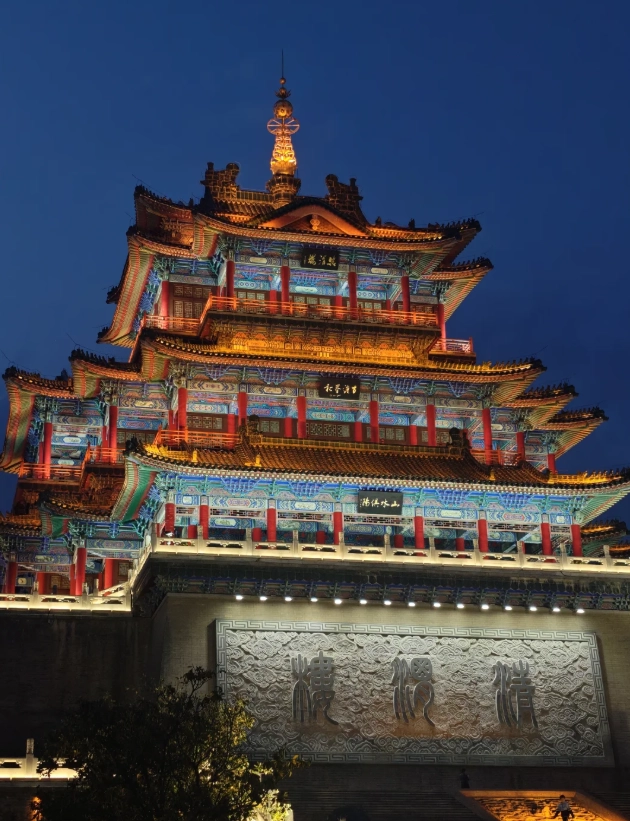
5:30 PM: Wander the old city's southwest corner. The Guandi Temple and Shanhua Temple are both smaller but lovely, and they're within walking distance. Entrance is cheap or free.
7:00 PM: Dinner at a local restaurant that serves Hunyuan Noodle Soup (a Datong specialty). I always order the lamb special with extra pickles.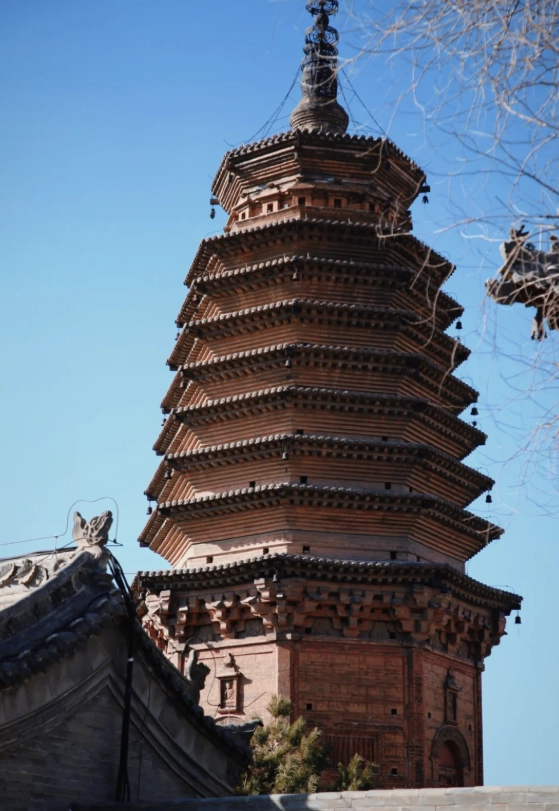
Day 2: Hanging Temple + Yingxian or Datong City Wall
Two options:
- Option A (Do everything): Start early, leave at 8 AM for the Hanging Temple, spend an hour there, then push on to Yingxian for another hour, and loop back to Datong by early afternoon. It's a long day but doable if you have an energetic driver.
- Option B (Chill): Sleep in, take the 9 AM tour bus to Hanging Temple, return by 1 PM, then climb the Ming-era Datong City Wall in the late afternoon. Bring a picnic and enjoy the sunset.
I'll be honest: Option B is what I recommend for 90% of travelers. The Hanging Temple is the star, but Yingxian's interior closure often leads to disappointment. Save your energy for the Xiaochuantan street food in the evening.
Practical Tips: Money, Apps, and Avoiding Tourist Traps
Let's talk about the real-life stuff that can trip you up.
Paying for Things
Forget cash — almost every ticket office, restaurant, and shop in Datong now operates on WeChat Pay or Alipay. The exception is a few souvenir stalls near the grottoes, which occasionally take cash but won't have change. If you haven't linked your international card to Alipay already, do it before you leave home. Yes, it can be fiddly, but it's the single most important app you'll install for China travel.
Getting Lost and Language Barriers
English is not widely spoken, especially on the street. Have a translation app ready (Apple Translate works offline in Chinese), and download the Chinese text for your destinations. For navigation, Apple Maps uses Amap data and shows English names for most major attractions. If you're stuck, show your hotel's business card to the taxi driver.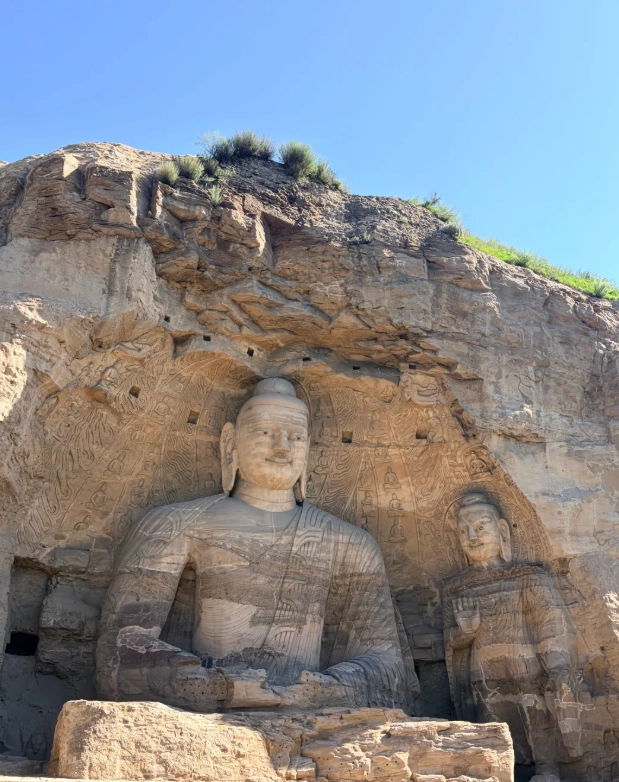
Beware of the Black Car Scam
At Datong South Station and near major attractions, you'll be approached by drivers offering "cheap tours" — often with a shared van to Hanging Temple and Yungang. Don't take them without negotiating the exact price in writing. I've heard stories of tourists being charged 600 RMB for what should have been a 200 RMB trip. Use Didi or the official tourist bus. Trust me on this one.
Pro Tip: Book your hotel with a free cancellation option. Datong's weather can shift dramatically, and you might want to adjust your itinerary around rain or heavy smog.
Also, remember that entry and exit rules for foreigners in China can change. The National Immigration Administration is the official source for visa and border regulations. And for booking high-speed rail, I always use the official China Railway platform — it now has an English interface.
Quick Answers to Your Datong Questions
Verified and fact-checked by the editorial team.





No comments yet.