 Jian Zhao
In This Guide
- Why Xianyang Deserves a Spot on Your Shaanxi Itinerary
- How to Get to Xianyang from Xi'an (Without Getting Lost)?
- What to Do in Xianyang's Imperial Tombs: Top Historic Sites
- What to Eat in Xianyang? Try Biangbiang Noodles and More
- Where to Stay in Xianyang: From Budget Hostels to Temple-Stay Vibes
- A Perfect One-Day Xianyang Itinerary
- FAQ: Xianyang Travel Questions Answered
Let me be blunt: most travelers skip Xianyang for Xi'an, and that's a mistake. I've been guiding foreign visitors through this region for years, and the moment we walk into the Han Yangling underground museum, jaws drop. Xianyang isn't a side trip — it's the real deal. Nestled on the north bank of the Wei River, this ancient capital hides tombs, temples, and a city park that feels untouched. If you're wondering what to do in Xianyang, start with the imperial mausoleums that time forgot. Now, here's the strategic truth: schedule your visit early morning or late afternoon to beat the tour groups and the heat. In the next few minutes, I'll show you exactly how to navigate tickets, transportation, and avoid the rookie mistakes that turn a great day into a sweaty nightmare.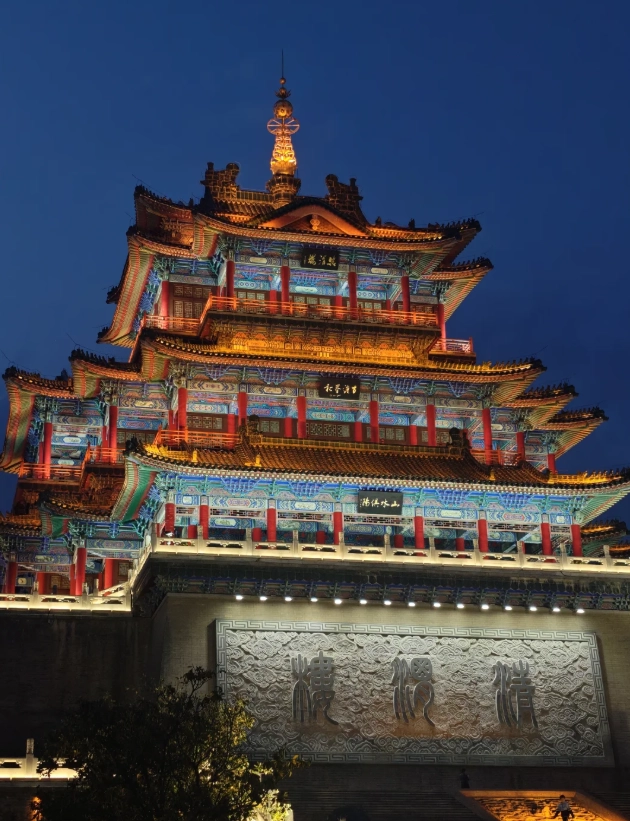
Why Xianyang Deserves a Spot on Your Shaanxi Itinerary
Xianyang served as the capital of the Qin dynasty — the first unified empire in Chinese history — and later became the burial ground for many Han and Tang emperors. While Xi'an gets all the glory with its Terracotta Warriors, Xianyang offers a quieter, more authentic dive into China's imperial past. The crowds are thinner, the prices are lower, and the artifacts are just as stunning. But there's a catch: most sites are spread out, so you need a solid plan. That's where this guide comes in. I've brought dozens of groups here, and I know exactly which tombs deserve your time and which you can skip. Unlike the famous Mausoleum of the First Qin Emperor, which is a UNESCO World Heritage Site, Xianyang's tombs remain blissfully quiet.
How to Get to Xianyang from Xi'an (Without Getting Lost)?
First things first: getting to Xianyang is easier than you think. If you're based in Xi'an, you have several options.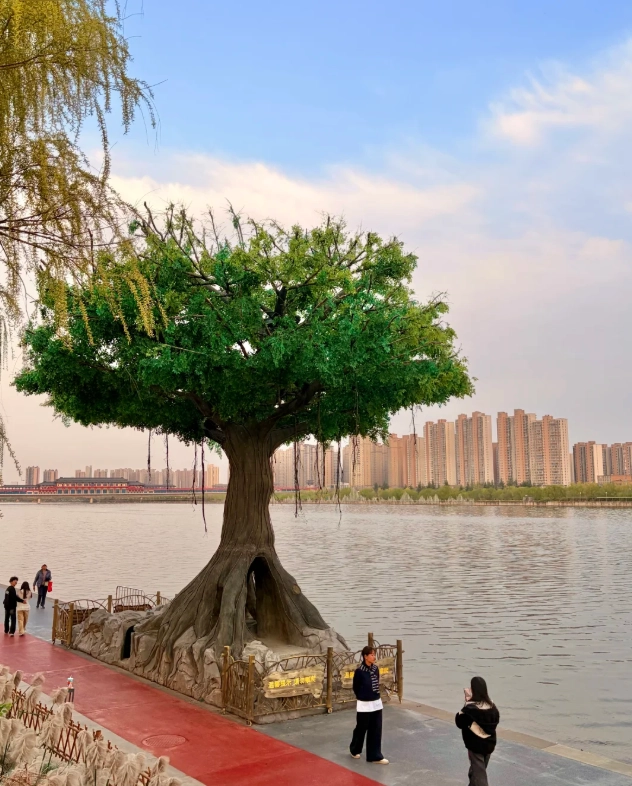
By Metro, Train, or Bus?
The fastest way is to take the high-speed train from Xi'an North Station to Xianyang West Station. It runs roughly every 30 minutes, takes about 15 minutes, and costs around 11 RMB. You can book tickets on the official 12306.cn website or app — though the app is in Chinese, so I'd recommend asking your hotel to book it for you. Alternatively, the regular Line 1 subway has been extended into Xianyang, with stops like Shanglin Road and Xianyang West Station. But keep in mind the metro can take up to an hour from downtown Xi'an. If you're in a group of three or more, a DiDi (Chinese Uber) becomes viable — about 150 RMB and 50 minutes, depending on traffic.
Once inside Xianyang, your best bets are taxis or rideshare. Google Maps won't work here, so download AMap Global or use Apple Maps which work reliably. Save the Chinese addresses for each site in your phone before you go — you'll need them to show to taxi drivers.
What to Do in Xianyang's Imperial Tombs: Top Historic Sites
Now for the main event. Here are the top things to do in Xianyang, ranked by what I think is essential versus optional.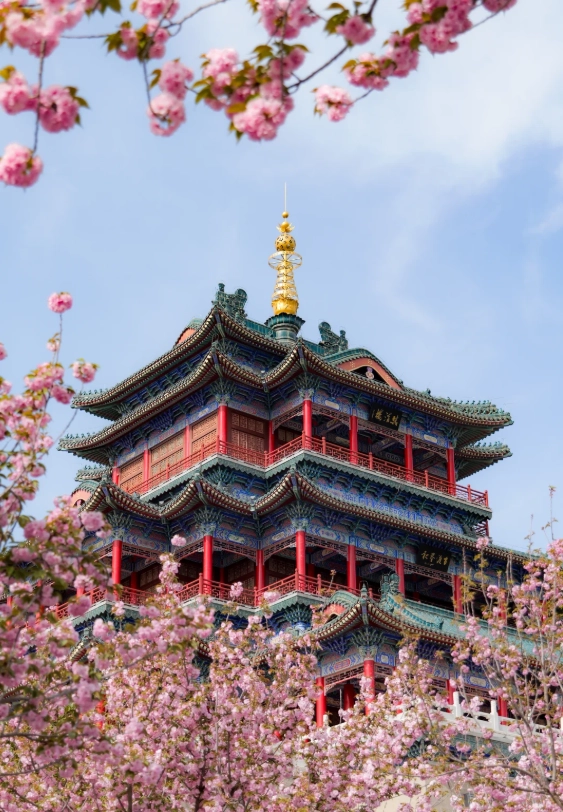
Han Yangling Mausoleum — A Walk Through Emperor Jing's Resting Place
Han Yangling is my absolute favorite spot in Xianyang, and it's a must-visit. This is the joint tomb of Emperor Jing (Liu Qi) and his empress, and the underground museum lets you walk right next to the actual burial pits. You're separated by glass, but you can see thousands of miniature ceramic figures — some naked, some with clothes — that were meant to serve the emperor in the afterlife. The detail is mind-blowing. The site is about 20 kilometers from downtown Xianyang, so plan for a 40-minute taxi ride. Tickets are around 90 RMB, which includes the museum and the excavation site. I always tell my clients to grab the audio guide in English — it's worth the extra 30 RMB. Open daily from 8:30 to 18:30 (last entry at 17:30). Go early to avoid the tour groups that arrive around 10 AM. The exhibition halls are well air-conditioned, but the walk between spots gets hot — bring a hat and sunscreen.
Maoling — The Tomb of Emperor Wu of Han
Maoling is the resting place of Emperor Wu (Liu Che), considered one of China's greatest rulers. His tomb is famous for a peculiar attraction: a stone statue of a woman with a strange expression. But honestly, the real draw here is the surrounding area filled with smaller satellite tombs and a decent museum. The ticket price is around 75 RMB. It's spread out, so wear comfortable shoes. You can reach it by taking bus from Xianyang — but honestly, the bus system is maze-like for newcomers. I'd recommend hiring a DiDi for the day, which is what I do with my groups. The site opens at 8:00 and closes at 18:00. If you're short on time, I'd skip Maoling in favor of Qianling — but more on that in a second.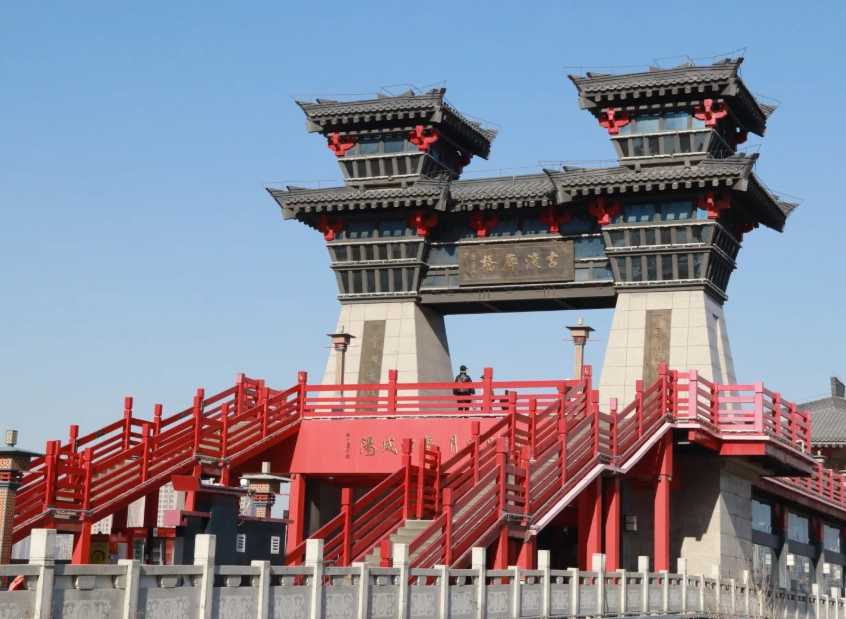
Qianling Mausoleum — A Couple's Tomb That Defies Time
Qianling is the joint burial of Emperor Gaozong and the legendary Empress Wu Zetian — the only female emperor in Chinese history. This site is larger than life. You climb a long spiritual path lined with stone carvings, and at the top stands a pair of figures. One has no head, which leads to myths and debates. The museum here is excellent and includes artifacts from the tomb. Tickets cost about 100 RMB, and the site is about 50 kilometers from Xianyang city — about an hour by car. I usually combine Qianling with a stop at the nearby Tomb of Prince Zhanghuai, which has some of the best preserved Tang dynasty murals. Qianling is open from 8:00 to 18:00. This is a half-day trip on its own.
Insider Advice: The walk from the gate to the tomb entrance is longer than it looks — at least 10-15 minutes of uphill walking before you hit the first ticket check. There's a small electric cart at the base if you're not up for the trek.
Zhaoling Mausoleum — Bigger Than You Think
Zhaoling is the largest imperial tomb in all of China, belonging to Emperor Taizong of the Tang Dynasty. The main attraction, however, is the museum filled with relief sculptures of six famous war horses from his campaigns. The site is about 30 kilometers north of Xianyang. The ticket is around 100 RMB. It's less visited than Qianling, which means more peace. But here's the catch: many foreign visitors skip Zhaoling because it's a bit out of the way, and honestly, if you're only staying one day, I'd prioritize Han Yangling and Qianling. Zhaoling is for die-hard history buffs with an extra day.
Xianyang Lake and the Ancient Ferry Bridge — A Local Stroll
After a day of tombs, you'll want to unwind. Xianyang Lake is a surprisingly lovely urban park along the Wei River, and the Ancient Ferry Bridge (古渡廊桥) is a beautifully designed pedestrian bridge. It's free, and it's where the locals come to walk, fish, and fly kites. I love coming here in the early morning or around sunset — the light reflects off the water and the old city walls in the distance. There are benches everywhere, so you can sit and watch the world go by. This is also a great spot for budget travelers: no ticket, just a pleasant way to stretch your legs.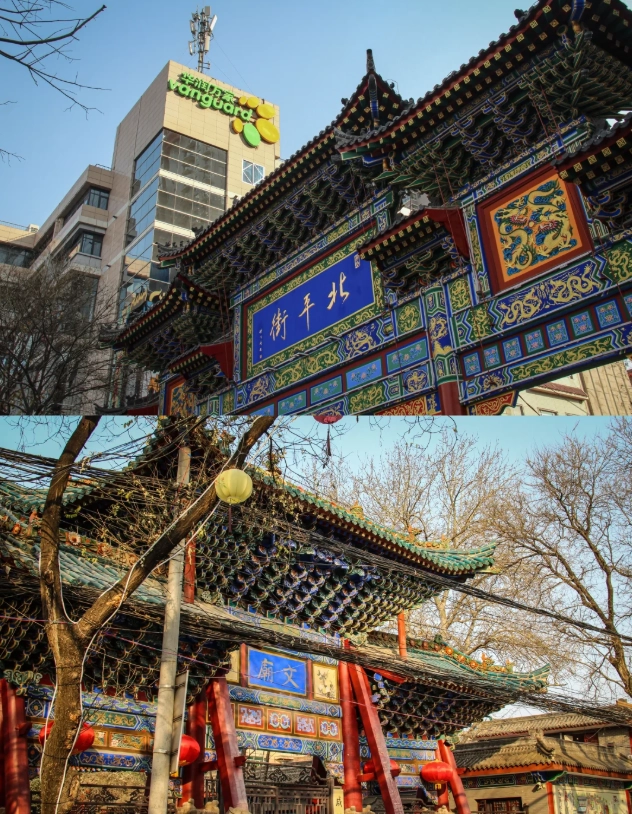
What to Eat in Xianyang? Try Biangbiang Noodles and More
Xianyang's food scene is deep and deeply local. If you only try one thing, make it biangbiang noodles — wide, hand-pulled noodle strips with a spicy oil and vinegar sauce. The character for "biang" is famously intricate, so everyone takes a photo of the menu.
My go-to spot is Zhang Ji (张记) on Renmin Middle Road. It's a no-frills joint, but the noodles are legendary. A bowl costs around 12 RMB. I always add an extra portion of garlic — it's a strong flavor but so good. Remember to carry cash or Alipay; they don't accept international cards. The restaurant gets busy at noon, so I'd suggest arriving before 11:30.
Another local favorite is dried tofu soup (豆腐脑) — silky tofu in a savory peanut sauce. You'll find it at breakfast stalls, usually just a few yuan a cup. I tried it once at a street market and it's been part of my routine ever since. Just point at the pot and hope for the best — you won't regret it.
Where to Stay in Xianyang: From Budget Hostels to Temple-Stay Vibes
For most travelers, staying in Xianyang isn't necessary since Xi'an is just an hour away. But if you want to soak up the authentic vibe, there are a few accommodation options worth considering.
| Hotel Name | Distance to Top Sights | Est. Price | Best For | Key Notes |
|---|---|---|---|---|
| Artist Residence Boutique Hotel | 2 km from Xianyang Lake | 300-450 RMB | Couples & families | Free Wi-Fi, staff speak basic English |
| Xianyang International Youth Hostel | 5 km from city center | 80-120 RMB per bed | Budget backpackers | Shared kitchen, luggage storage |
| Qianling Temple Courtyard Inn | Adjacent to Qianling Mausoleum | 250-400 RMB | History lovers | Simple rooms, sunset views |
Quick tip: book through Trip.com or Klook because they usually offer options with free cancellation, and they're English-friendly.
A Perfect One-Day Xianyang Itinerary
If you only have 24 hours, here's how I'd spend them.
Start early at 7:00 with a quick breakfast at a local shaobing stall (sesame cakes). Then, arrange a DiDi to take you directly to Han Yangling by 8:00. Spend two and a half hours in the underground museum. At 10:30, head to Qianling — it's about an hour away. You'll arrive at 11:30, spend three hours exploring, and grab a simple lunch at a restaurant near the gate. Return to Xianyang city by 15:00. Stroll around Xianyang Lake and the Ferry Bridge for an hour. End the day with a hearty dinner of biangbiang noodles at Zhang Ji. This plan packs in the highlights without rushing you too much.
If the weather turns bad, substitute the outdoor parts with the Xianyang Museum — it's free and has an impressive collection of artifacts from the Qin and Han dynasties.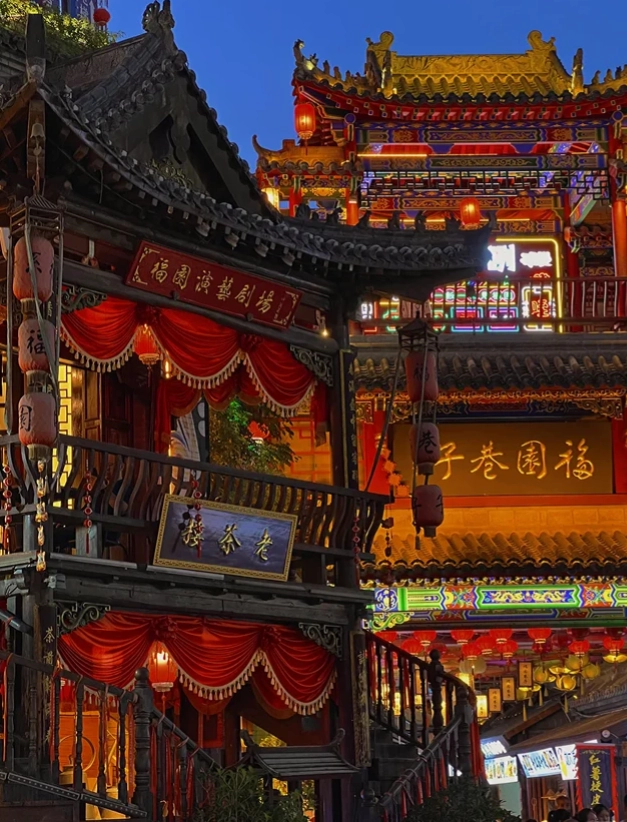
FAQ: Xianyang Travel Questions Answered
Verified and fact-checked by the editorial team.





No comments yet.