 Fang Wang
What you'll find here
I'll never forget the first time I led a group to Wuzhen in July. Within an hour, three clients nearly fainted from the heat and the crushing crowds. That's when I learned: timing is everything. So when is the best time to visit Wuzhen Water Town? After guiding dozens of tours here, I can tell you straight: target late October to early November. The weather is crisp, the canals glow under golden leaves, and the weekend warriors have gone home. Plus, you'll save up to 40% on accommodation compared to peak summer.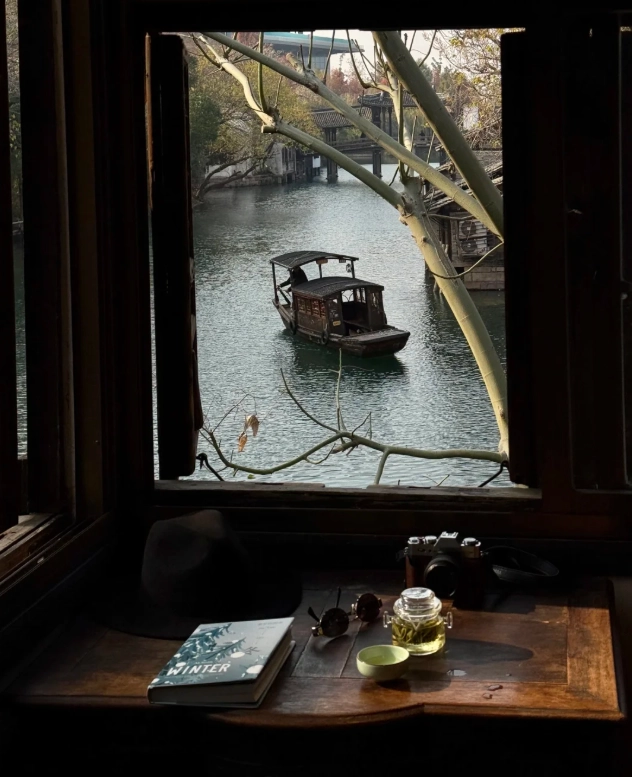
Why Timing Matters for Wuzhen Water Town
Wuzhen is not just a single scenic spot—it's two distinct areas: Dongzha (East Gate) and Xizha (West Gate). Each has its own vibe, opening hours, and crowd patterns. Choosing the wrong month can mean sweating through narrow alleys or getting caught in a downpour with no shelter. The ancient wooden buildings, stone bridges, and waterways are beautiful year-round, but your comfort and experience depend heavily on the season. Let me break it down so you can plan wisely.
Best Time to Visit Wuzhen: Season-by-Season Breakdown
Spring (March – May)
Spring is a lovely time, but it comes with a catch. March and April see mild temperatures (10-20°C) and blooming flowers, which makes for gorgeous photos. However, this is also the peak season for Chinese domestic tourists, especially during Tomb Sweeping Festival (early April) and Labor Day (May 1st). I always advise my clients: if you come in spring, avoid the first week of April and the entire May Day holiday. Xizha gets swamped with tour groups. Instead, target late April or mid-May. You'll still have pleasant weather and fewer crowds.
What to pack: A light jacket or sweater; mornings and evenings can be chilly.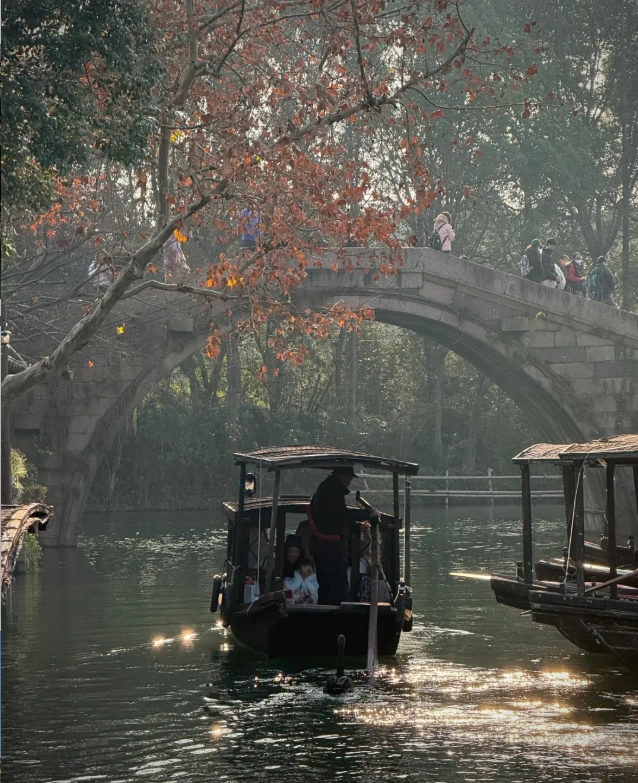
Summer (June – August)
Honestly, I try to steer people away from summer. The heat is brutal (often 35°C+ with high humidity), and the crowds are relentless. Plus, sudden thunderstorms can flood the stone paths. The only upside is the lush greenery and the chance to see the Wuzhen Summer Carnival (July–August) with water lanterns and folk performances. But you'll be elbowing through sweaty bodies. If you must go, arrive right at 8:30 AM when gates open, or stay late until 9 PM when Xizha empties out. Use an umbrella and carry a portable fan.
Autumn (September – November)
This is my absolute favorite time, and the answer to “best time to visit Wuzhen Water Town”. September is still warm but the summer peak fades. October and November bring perfect temperatures (15-25°C), clear skies, and fewer tourists—except for the Golden Week (October 1–7). Avoid National Day holiday at all costs. The rest of autumn is gold: the leaves turn red and yellow, the light is soft for photography, and the hotel prices drop significantly. I always schedule my personal trips in late October.
Key event: The Wuzhen Theater Festival (mid-October to early November) attracts art lovers but doesn't overcrowd the town.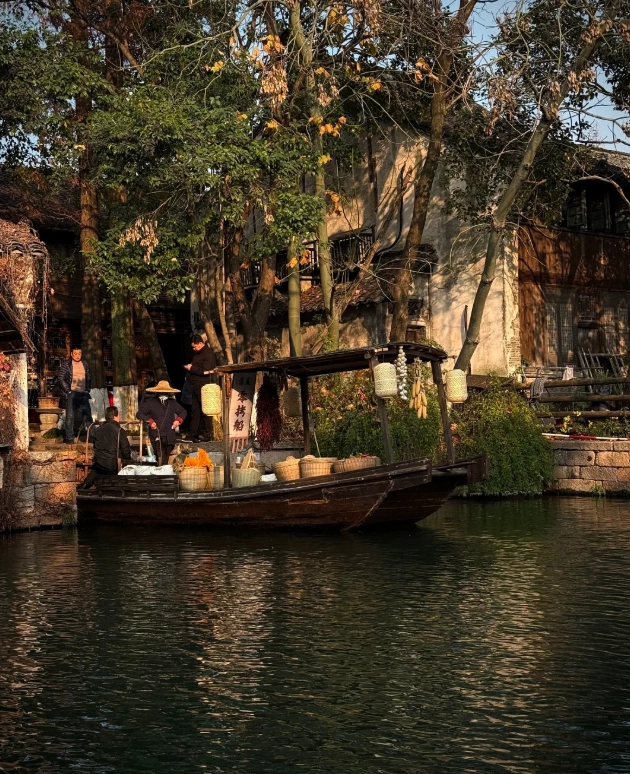
Winter (December – February)
Winter is the quietest season, and shockingly charming. Yes, it gets cold (0-8°C), and some outdoor restaurants close. But you'll have the canals almost to yourself. The mist rising from the water at dawn is magical. If you can handle chilly weather and don't mind bundling up, December and January are great for those who want solitude. Spring Festival (Chinese New Year, late Jan/early Feb) is busy again, but the town is decorated with red lanterns—a unique sight.
Important: Many small shops and food stalls in Dongzha close during winter weekdays. Xizha remains more active.
| Season | Temperature | Crowds | Price Level | Best For |
|---|---|---|---|---|
| Spring (Mar–May) | 10–20°C | High (holidays) | Moderate–High | Flowers, festivals |
| Summer (Jun–Aug) | 25–35°C | Very high | High | Summer carnival |
| Autumn (Sep–Nov) | 15–25°C | Moderate | Moderate–Low | Photography, comfort |
| Winter (Dec–Feb) | 0–8°C | Low (except CNY) | Low | Solitude, misty scenes |
Best Time to Visit Wuzhen for Photography
If you're a photographer, target the “blue hour” just after sunrise or before sunset. The best season is autumn (October–November) for warm tones, or winter for misty atmosphere. But here's a specific tip: the best light for the famous “Wuzhen reflection shot” at Xizha's Xizha Street Bridge is between 4:00 PM and 5:00 PM in November. I've seen too many tourists show up at noon, only to get harsh shadows and washed-out water. Bring a tripod; you'll want long exposures for the canals. And don't miss the Dongzha old street at sunrise—it's empty and the light is golden.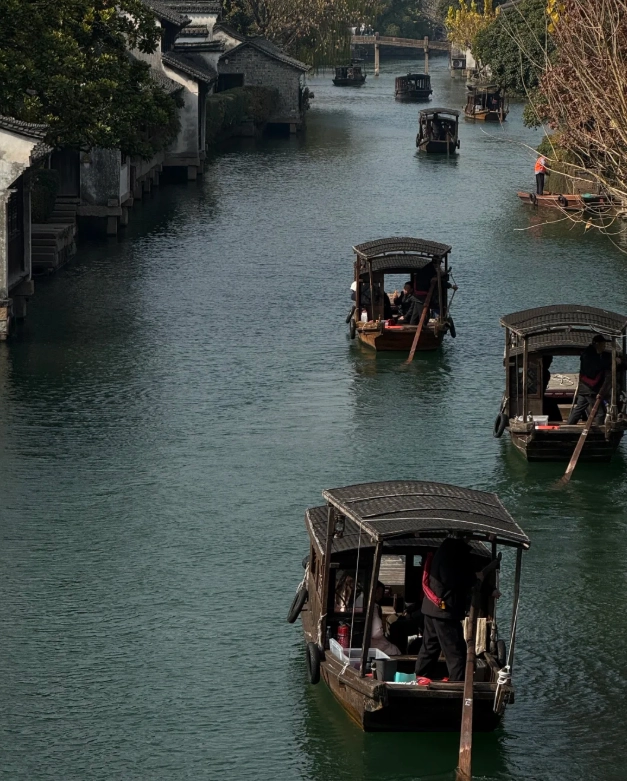
Best Time to Visit Wuzhen to Avoid Crowds
The #1 rule: skip Chinese public holidays entirely. That means avoiding National Day (Oct 1–7), Spring Festival (7 days around Chinese New Year), Labor Day (May 1–5), and Tomb Sweeping Festival (early April). Weekdays are always better than weekends. Even in peak seasons, Tuesday to Thursday are significantly less crowded. I always tell my clients: arrive on a Monday afternoon, stay through Wednesday. You'll have Xizha nearly to yourself after 8 PM when day-trippers are gone. Also, Dongzha opens to the public at 7:30 AM, but the ticket turnstiles open at 7:00 for hotel guests—book a hotel inside Dongzha for early access.
Best Time to Visit Wuzhen for Festivals
Wuzhen has several annual events that can make or break your visit. The Wuzhan International Textile Exhibition (April) showcases local silk and blue calico. The Summer Carnival (July–August) features water lanterns and night shows. The Wuzhen Theater Festival (October–November) transforms the town into a stage. And Spring Festival (January–February) brings traditional dragon dances and lantern displays. If you want to experience authentic local culture, plan around these, but be ready for higher prices and crowds. For a balanced experience, I recommend the Theater Festival period—cultural richness without overwhelming crowds.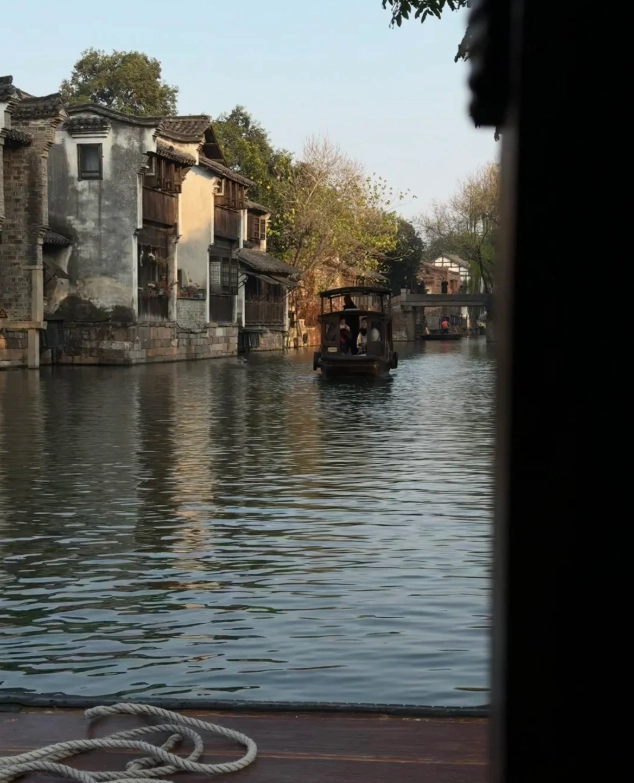
Practical Tips for Your Wuzhen Visit
Booking tickets: You must use your passport for entry. The easiest way is to book on Trip.com or Klook—they accept international credit cards. WeChat mini-programs are common but often Chinese-only. Xizha ticket costs around 150 CNY, Dongzha 110 CNY, or a combo for 190 CNY. Always book at least one day in advance.
Getting there: From Shanghai, take a high-speed train to Tongxiang Station (40 minutes, ~50 CNY). Then bus K282 to Wuzhuen Bus Station (1 hour, 5 CNY). Show the driver the Chinese address: 乌镇西栅景区. Or take a direct bus from Shanghai South Bus Station to Wuzhen (2.5 hours, ~65 CNY). Taxi from Tongxiang is about 80 CNY. Google Maps won't work for navigation—use Apple Maps or the Amap Global app.
Payment: Most shops accept Alipay and WeChat Pay. Cash is sometimes accepted but change may be in coins. Bring a few hundred yuan in cash as backup. International credit cards are accepted only at larger hotels and the main ticket office.
What to avoid: Avoid buying tickets from touts near the entrance—they often sell counterfeit or expired tickets. Use official windows or verified online platforms.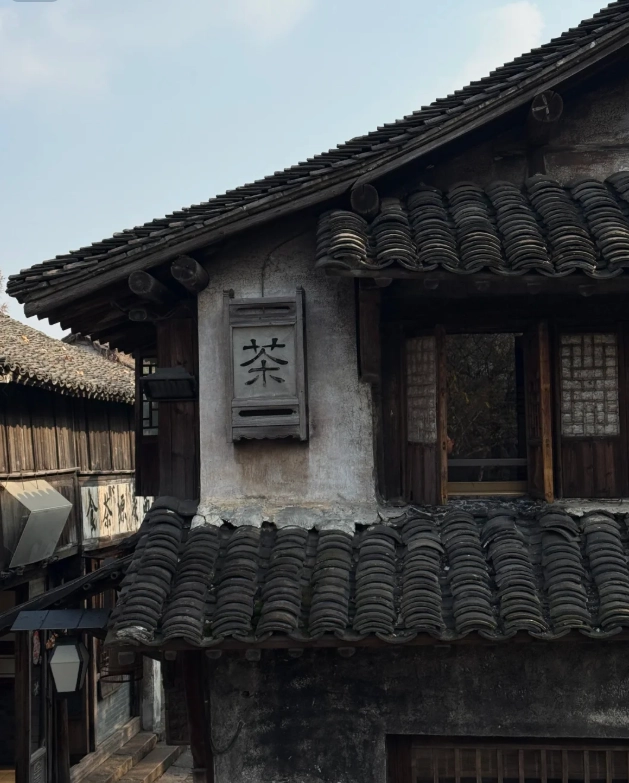
Insider Advice: If you arrive around lunchtime, head straight to Dongzha first—it's smaller and can be seen in 2-3 hours. Then take the free shuttle to Xizha for the afternoon and sunset. Reverse if you want sunrise at Xizha.
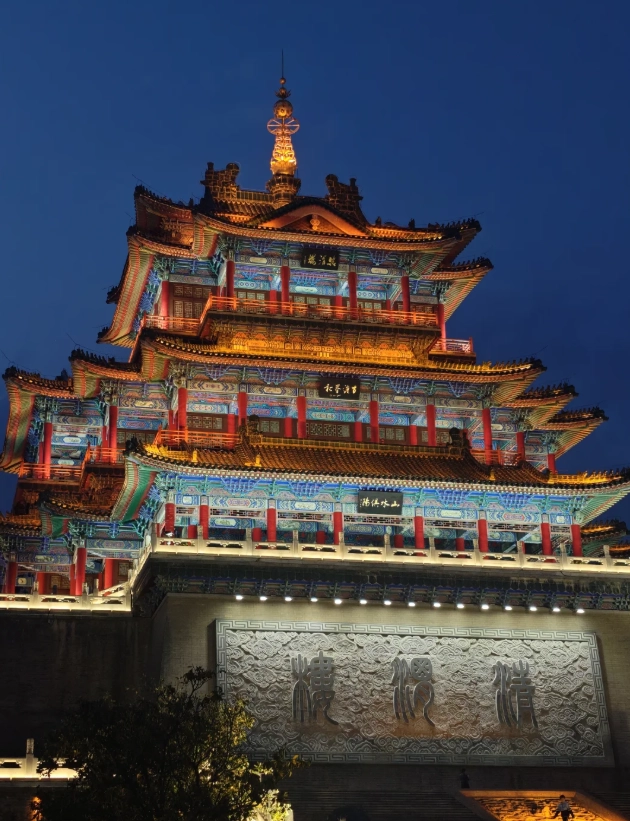
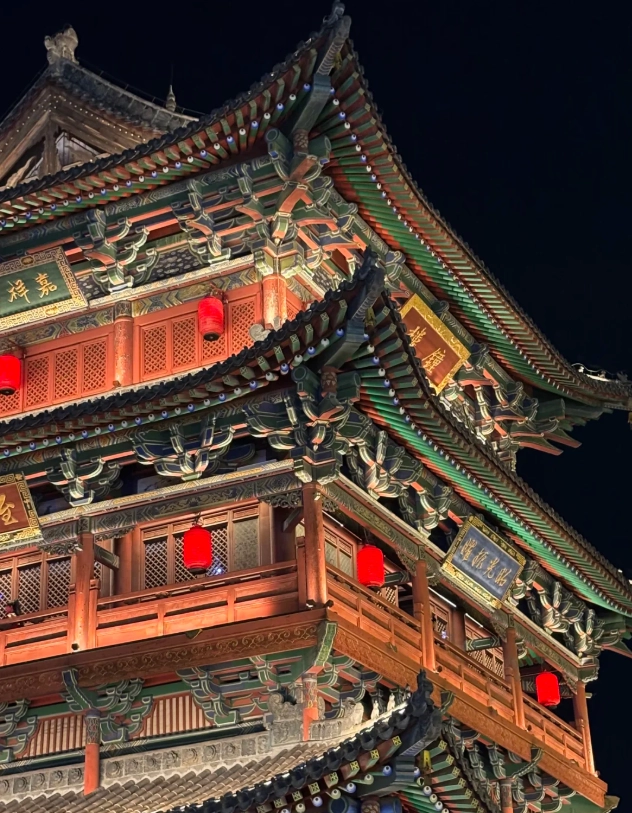





Second time here and it’s still breathtaking. The key is to avoid weekends and holidays — we went on a Monday in March and the experience was completely different from my first visit during National Day. Even the food stalls had shorter lines and fresher food. If you’re on a budget, skip the fancy restaurants and eat from the little noodle shops near the East Gate. Perfect day.
Wuzhen exceeded every expectation. We stayed overnight inside the water town and it was surreal — after 9 PM the crowds vanish and you get the whole place to yourself. The local guide we hired (Mr. Zhao) knew every hidden corner and story. Came for the photos, left with memories. 10/10 recommend the evening light show too.
Absolutely loved it! Arrived at 7:30 AM and had the alleys almost to myself. The sunrise reflecting off the water, the smell of street vendors firing up their stoves, and the sound of laundry being slapped on the stone steps — pure magic. Best money I spent in China. Would go back in a heartbeat.
We visited on a weekday in late autumn and managed to avoid the worst crowds. The old architecture is stunning, and the night boat ride was magical. A few of the souvenir shops seemed way overpriced for what they sold, and one restaurant charged us extra without mentioning it on the menu. Still, overall a pleasant trip worth the money if you plan ahead.
Honestly, I went hoping for a quiet escape, but mid-afternoon the bridges were packed with tour groups. The canals are beautiful, but you end up shuffling in a crowd. If you can, go at dawn — we tried and it was far better. The ticket price felt a bit high for the actual experience during peak hours.