 Qiang Huang
I've lost count of how many times I've guided travelers through Yanguan Ancient Town — and without fail, the first question is always: “When should we go?” The answer isn't simple, because Yanguan is a living tide calendar. Get it right and you'll witness the legendary Qiantang River bore at its most dramatic. Get it wrong and you'll fight crowds or stare at a muddy riverbank. Here's the deal: the absolute best time to visit Yanguan Ancient Town is during autumn (September–November), especially around the 18th day of the eighth lunar month, when the tide is highest and the weather is crisp. But that's just the headline — let me walk you through the details so you can plan a perfect trip.
What's Inside
Why Timing Matters at Yanguan Ancient Town
Yanguan isn't just another ancient water town — it's the prime spot for witnessing the Qiantang River tidal bore, one of the world's largest. The tide is a natural phenomenon influenced by the moon, so your experience hinges entirely on the lunar calendar. Visit during a neap tide and you'll see barely a ripple. Visit during a spring tide (especially the autumn equinox) and you'll witness a wall of water up to 9 meters high roaring upstream.
The Science Behind the Tides
The bore occurs twice a day, but the height varies dramatically. The strongest tides happen around the 1st and 15th of each lunar month, with the absolute peak on the 18th day of the eighth lunar month (usually late September or early October). I always tell my groups: if you can only come once, target that window. Beyond the tide, weather plays a role — fog can obscure the view, and heavy rain makes the riverbank slippery.
Crowd Levels Throughout the Year
Here's a reality check: expect massive crowds during the peak tide days (the 18th of the eighth lunar month). The town's main observation deck gets packed by 9 AM. On other days, especially weekdays in spring and autumn, you'll have plenty of space. Summer (June–August) is hot and humid, with frequent typhoons that can cancel the tide show. Winter (December–February) is cold and misty, but if you don't mind bundling up, you'll have the place almost to yourself — just catch a moderate tide.
Best Season to Visit Yanguan Ancient Town
Let me break down the pros and cons of each season so you can decide.
Spring (March–May)
Spring offers mild temperatures (15–25°C) and blooming flowers in the ancient gardens. Tides are moderate — decent for a first-time visit but not jaw-dropping. The spring equinox (around March 20) brings slightly higher tides, but nothing compared to autumn. Best for travelers who want pleasant weather without the crowds. Just bring an umbrella — rain is common.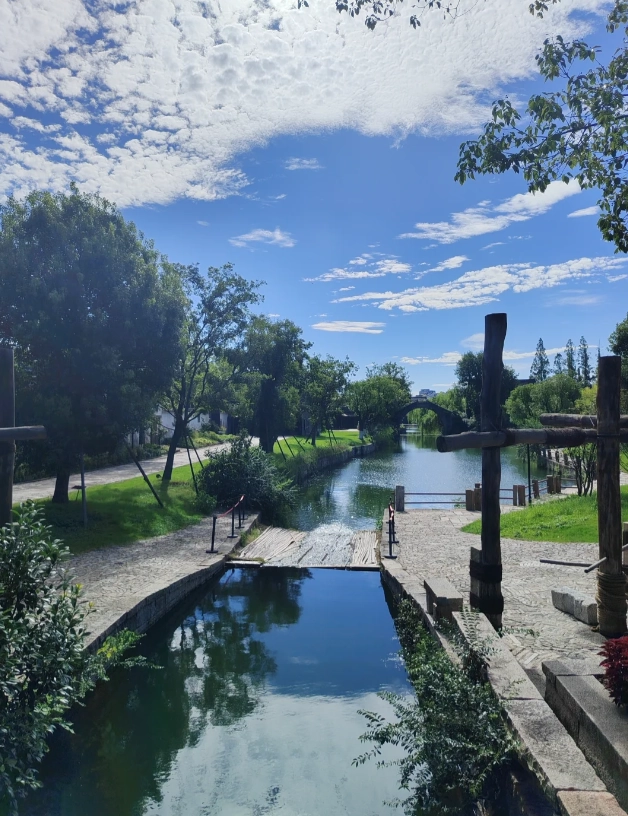
Autumn (September–November) – The Prime Time
This is when Yanguan shines. Temperatures are comfortable (18–28°C), humidity drops, and the sky is clear. The autumn equinox produces the year's highest tides, especially around the Mid-Autumn Festival (lunar August 15–20). If you plan around the 18th day, you'll see the famous “Silver Dragon” tidal bore. But here's a trade-off: this period is the busiest. Hotels in Haining book out weeks in advance, and the entrance queue can stretch 30 minutes. My advice: arrive early — the tide usually hits between 1:30 and 3:30 PM, so get there by 11 AM to secure a good spot.
Summer vs. Winter
Summer is scorching (often above 35°C) and sticky. Afternoon thunderstorms may cause the tide to be cancelled. Winter is cold (0–10°C), drizzly, and the riverbank can be bitingly windy. However, if you're willing to risk the weather, winter offers the most solitude and you can still see a decent bore a few days each month. Just check the tide forecast before you go.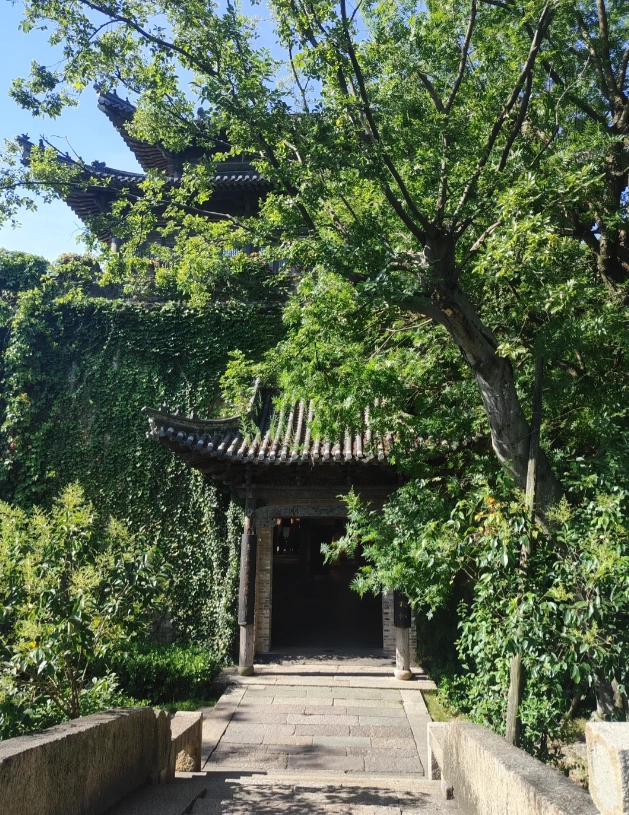
How to Plan Your Visit Around the Tide Schedule
To make your trip count, you need to align your visit with the tide times. Here's how.
Understanding the Lunar Calendar
Download a lunar calendar app or use a website like timeanddate.com (set location to Haining). The bore occurs approximately 2 hours later each day. For example, if high tide is at 2 PM on the 15th, it'll be around 4 PM on the 16th. The highest bore of the month occurs 1–2 days after the full or new moon. I recommend checking Tide Forecast for Haining specifically.
Where to Watch the Tide: Key Spots
There are three main viewing platforms along the river:
| Spot | Best For | Capacity | Note |
|---|---|---|---|
| Guangu Tide Terrace (观潮台) | Front-row views of the bore | Large, but fills fast | Closest to the wave; gets splashed |
| Zhenhai Pagoda (镇海塔) | Elevated perspective | Small platform | Good for photography, fewer crowds |
| Old Street (老街) waterfront | Relaxed atmosphere | Plenty of space | Requires arriving early to claim railing |
I always take my guests to Zhenhai Pagoda first — the height gives you a wider view of the approaching bore, and it's less chaotic than the main terrace.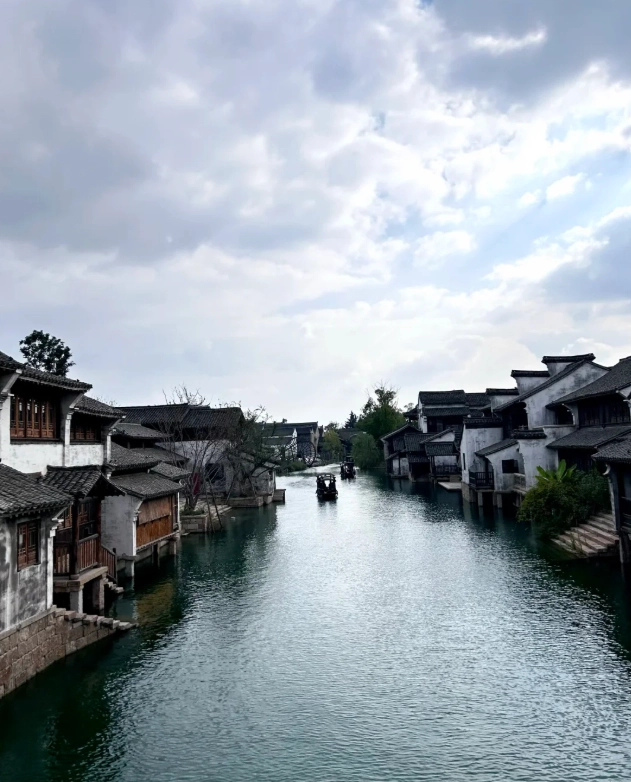
Practical Tips for Foreign Travelers
Now let me save you some headaches with practical know-how.
Booking and Tickets
Entry fee: approximately 60–100 RMB depending on the season (peak tide days may be more). You must buy tickets in advance on high-tide days via Trip.com or the official WeChat mini-program (which is Chinese-only). If you can't navigate the mini-program, ask your hotel concierge or a local friend to book for you. You'll need your passport number for registration. Walk-up tickets are only available on very low-season days.
Getting There from Shanghai or Hangzhou
- From Shanghai: Take a high-speed train from Shanghai Hongqiao to Haining West Station (about 40 minutes). Then take a taxi (30 minutes, ~80 RMB) or bus (line 106) to Yanguan Ancient Town. The bus takes 50 minutes but costs only 5 RMB.
- From Hangzhou: HSR from Hangzhou East to Haining West (20 minutes) or direct bus from Hangzhou Jiubao Passenger Station (1.5 hours, ~35 RMB).
Note: Google Maps doesn't work well in China. Use Apple Maps or Amap Global. For taxis, show the driver the Chinese address: 盐官古城, 海宁市.
Payment and Internet
Cash is accepted at the ticket office, but most vendors prefer Alipay or WeChat Pay. If you have an international card, link it to Alipay beforehand. Internet access requires a VPN — install it before you travel. For translation, Apple Translate works offline; Baidu Translate is also good.
Pro Tip: The toilets near the main viewing deck have long queues during peak tide. Use the facilities at the entrance or at the Old Street before heading to the riverbank.
Common Mistakes to Avoid (From a Local Guide)
After years of leading tours, I've seen the same errors again and again. Here are the top ones to skip:
- Coming at noon: The bore usually arrives in the early afternoon, but many visitors show up at 10 AM and get bored. Arrive by 11 AM to explore the old town, then head to the river 30 minutes before the predicted tide time.
- Trusting Google Maps for driving: I once had a guest who followed Google Maps and ended up on a dirt road. Use Apple Maps or ask your hotel for the best route.
- Forgetting passport: Every ticket purchase requires your passport number. Keep it handy.
- Not checking the tide height forecast: A “tide” might only be 1 meter high. Check the expected height (look for “bore height” on tide-forecast.com). Anything above 6 meters is worth the trip.


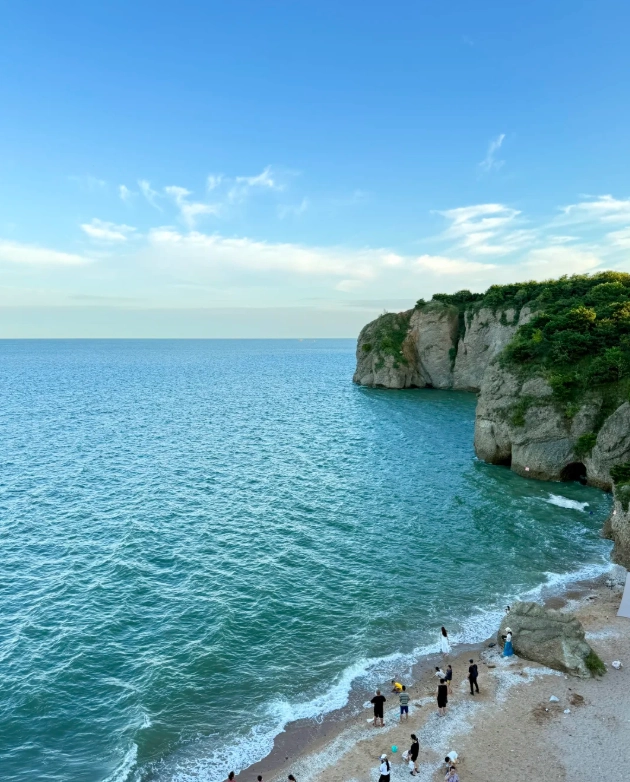
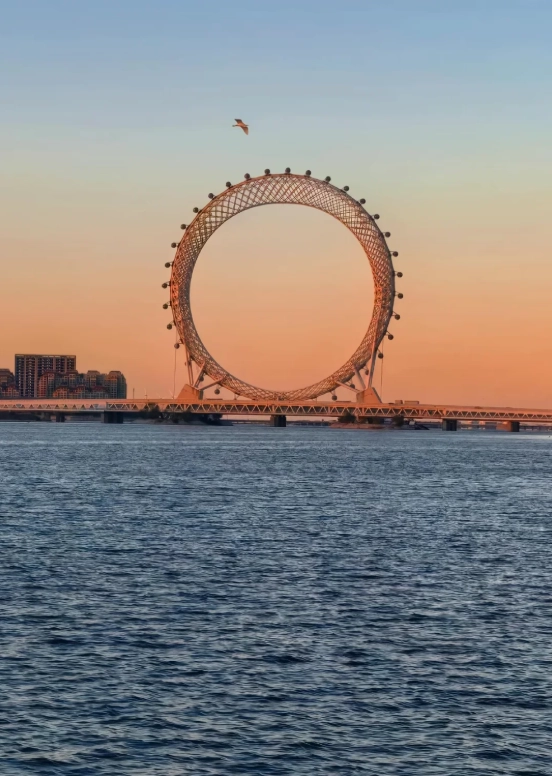





If you love photography and don't mind waking up early, this is the place. I used the tide times to catch a 6 AM high tide, and the golden light hitting the water was magical. The weather tip about avoiding summer weekends was a lifesaver – I had the whole eastern walkway almost to myself. The only downside is the entrance fee feels a bit steep for the limited attractions inside, but the natural spectacle makes up for it. Five stars for the raw beauty.
Hands down the best experience of my Zhejiang trip. I came during the mid-autumn equinox tide (recommended in the guide) and the tidal bore was a monster – easily 3 meters high! The ancient town’s cobblestone alleys were peaceful in the morning before the crowds. I also loved that the article mentioned which side of the river to stand for the best photos. Saved me so much guesswork. 10/10 would recommend.
Absolutely worth the trip! I followed the advice to arrive two hours before the predicted tide, and we got front-row spots on the bank. The roar of the water as it rushed past the ancient wall gave me chills. The weather tip to bring a windbreaker was spot-on – it got chilly fast. The local snack of fried river shrimp was incredible too. A perfect day out!
Visited in early November after reading the weather tips. The morning mist over the ancient streets was gorgeous, and the tide was just strong enough to make a splash. Only four stars because the parking situation near the south gate was chaotic, and a few food stalls were closed despite the guide saying they’d be open. Still, the sunset view from the bridge made up for it.
I planned my visit based on the tide schedule from this guide, but the actual high tide came almost an hour late. Waited around with nothing to do, and the crowd at the watchtower was unbearable. The town itself is charming, but if you come for the tidal bore, be prepared for disappointment. Maybe check local updates instead of relying on generic tips.