 Fang Wang
Quick Navigation
I've lost count of how many times I've walked through the stone alleys of Yuehe Historic District. And every time, I see the same mistake: tourists showing up at the wrong hour, or worse, the wrong season. They end up sweating in July crowds or shivering in January winds, missing the charm entirely.
So let me save you the trouble. The absolute best time to visit Yuehe Historic District is late March to early May, and then again from mid-September to late October. Why? Perfect weather, fewer people, and the local scenery is at its peak — spring blossoms and autumn foliage. Plus, you'll avoid the price hikes of summer and Chinese New Year.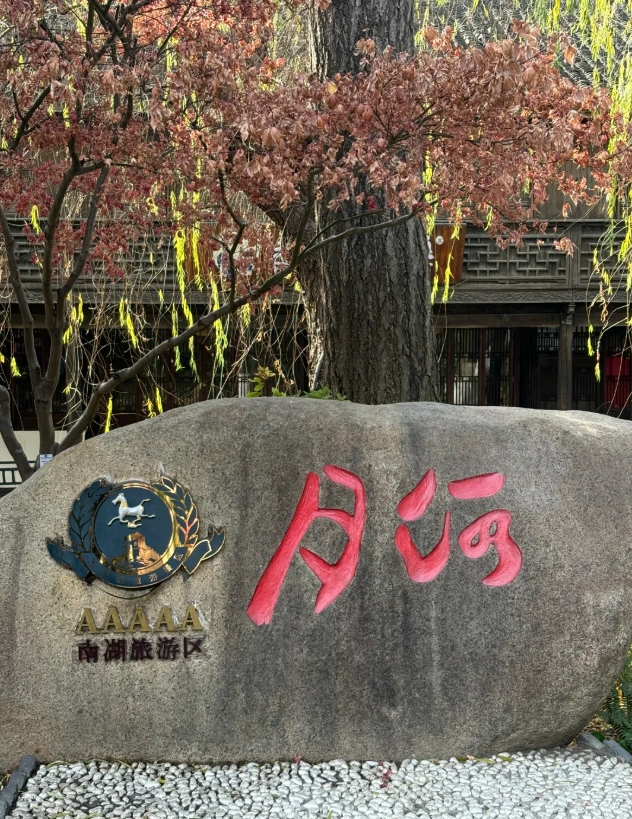
Why Season Matters More Than You Think
Yuehe Historic District isn't just a single street; it's a maze of canals, old bridges, and traditional houses. Walking is the only way to explore. If it's too hot or raining, you'll miss half the experience. Also, the district is most beautiful when the wisteria hangs over the water in spring, or when the gingko trees turn gold in autumn.
Spring (March–May): The Sweet Spot
This is when I personally recommend. Temperatures are 15–25°C (59–77°F), skies are mostly clear, and the flowers are out. You'll see locals hanging laundry in the sun, elderly playing chess by the canal — it's like stepping into a Ming Dynasty painting. The downside? Occasional rain showers. But they're short and actually add a misty charm.
What to pack: A light jacket and an umbrella. Alipay or WeChat are widely accepted, but carry some cash for small vendors (they often don't take cards). For navigation, Apple Maps works okay here, but I prefer using Amap (just search "Yuehe Historic District" in English).
Summer (June–August): Hot and Crowded
Let's be honest: summer is tough. Temperatures hit 35°C (95°F) with high humidity. The narrow streets trap heat. And the crowds? Expect to elbow through throngs of domestic tourists, especially in July and August. The only upside is the evening breeze and the illuminated canals.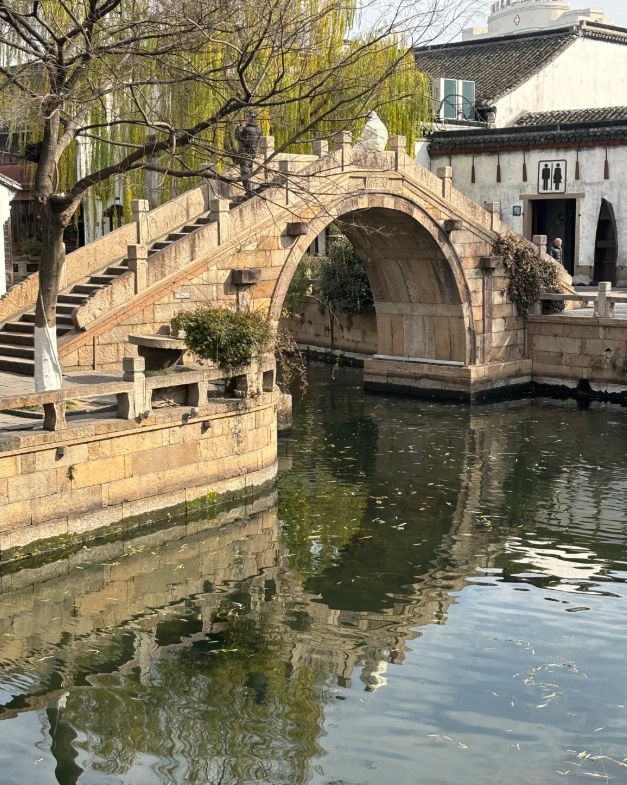
Autumn (September–November): My Personal Favorite
Late September to late October is perfect. The sky is crystal clear, the air smells of osmanthus flowers, and the light makes everything look golden. The Mid-Autumn Festival (usually September or October) adds lantern decorations. One thing: the National Day holiday (Oct 1–7) is a nightmare for crowds — avoid those exact dates.
Pro Tip for photographers: Come at sunrise (around 6:30 AM). The district opens its gates at 8:30 AM normally, but the streets are public access. You can walk in early for free before the ticket booths open. The morning light hits the east-west canals beautifully.
Winter (December–February): Quiet but Cold
Winter is for the brave. Temperatures hover around 0–10°C (32–50°F), and rain is frequent. But if you don't mind bundling up, you'll enjoy near-empty streets. The local restaurants (like the famous Zuiyue Restaurant) serve hotpot and warm rice wine — perfect for chilly days. Note: Some outdoor stalls may close during January.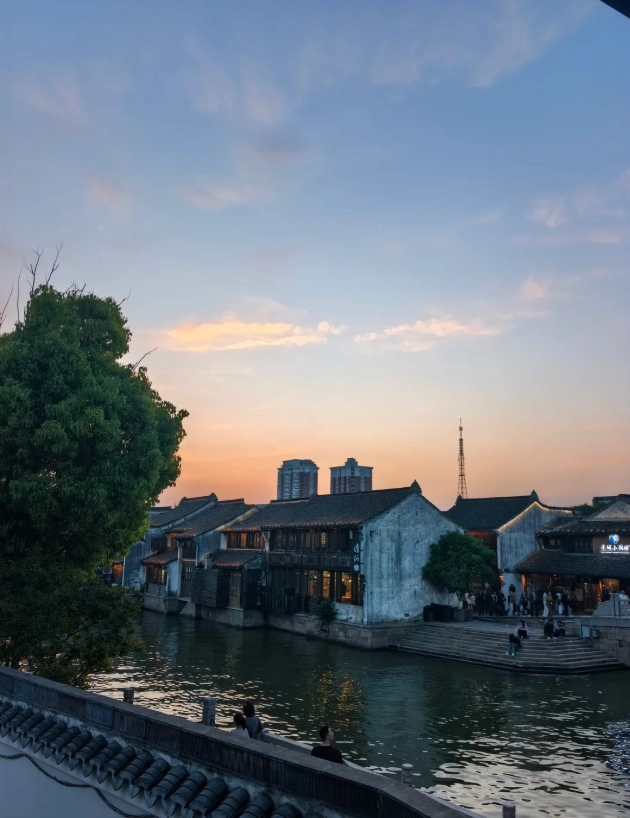
Month-by-Month Breakdown
Here's a quick reference table based on my decades of leading tours:
| Month | Avg Temp (°C) | Crowd Level | Highlights | Drawbacks |
|---|---|---|---|---|
| March | 10–16 | Low-Medium | Cherry blossoms, fewer tourists | Unpredictable rain |
| April | 15–22 | Medium | Wisteria in bloom | Possible light showers |
| May | 20–27 | Medium-High | Best spring weather | Labor Day (May 1-5) crowds |
| June | 25–30 | High | Long days, lotus flowers | Heat and humidity |
| July | 28–35 | Very High | Summer night markets | Unbearable heat, peak crowds |
| August | 27–34 | Very High | Same as July | Typhoon risk |
| September | 23–28 | Medium | Osmanthus scent, comfortable | Early month still warm |
| October | 16–23 | Medium-High | Golden leaves, perfect weather | National Holiday (1-7) chaos |
| November | 10–17 | Low | Quiet, low prices | Dreary skies possible |
| December | 2–10 | Low | Almost empty, hotpot weather | Cold, some closures |
| January | 0–8 | Very Low | Cheapest accommodation | Bitter cold, ice on canals |
| February | 2–10 | Low-Medium | Chinese New Year decorations | Holiday crowds (mid-Feb) |
Best Time of Day to Visit Yuehe Historic District
Even in the best season, the wrong hour can ruin your experience. Here's the breakdown: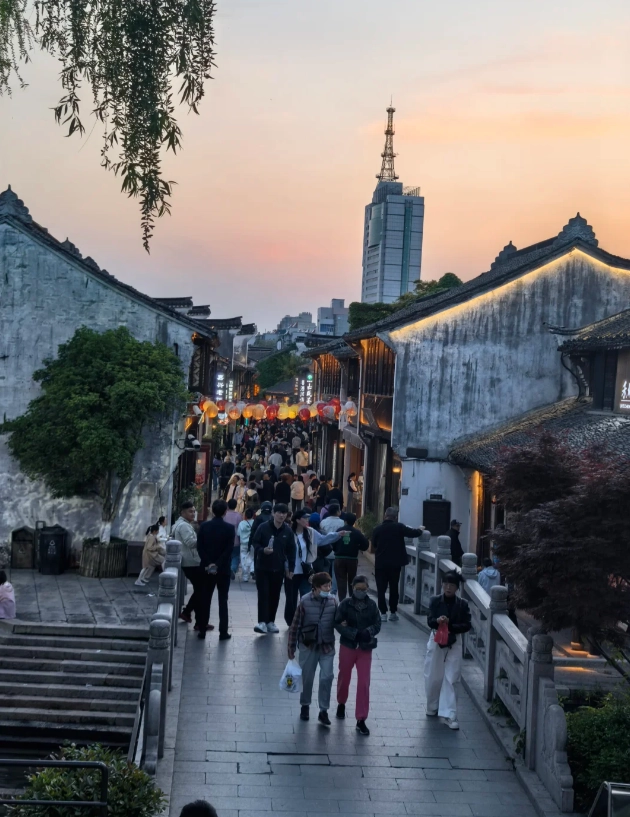
- 7:00 – 8:30 AM: Golden hour for photos. The streets are empty except for a few locals exercising. You can access most public areas for free before the official opening.
- 8:30 – 10:30 AM: Good time to start your tour. Shopkeepers just open, and the crowds haven't arrived. Visit the key temples and museums early.
- 10:30 AM – 3:00 PM: Peak tourist hours. Avoid if you can. The main alley gets packed with selfie sticks. I usually take my groups to a teahouse during this time.
- 3:00 – 5:00 PM: Crowds thin out as day-trippers leave. Good for exploring side alleys.
- 5:00 – 7:00 PM: Twilight magic. The lanterns light up, and the canals reflect a warm glow. This is when I love to walk the eastern bank.
- 7:00 PM onwards: Bars and nightlife zone get lively. Quieter if you stick to residential areas.
Weather & What to Pack
Yuehe Historic District is in Jiaxing, Zhejiang, which has a subtropical monsoon climate. Key point: Bring comfortable walking shoes — the stone paths are uneven and can be slippery when wet. Also, prepare for sudden rain even in dry season. I always carry a foldable umbrella in my daypack.
Payment reminder: Most shops in Yuehe accept Alipay and WeChat Pay. International credit cards are rarely accepted except at larger hotels. Bring enough cash for snacks and souvenirs from small vendors.
Getting there: Take high-speed train to Jiaxing South Station, then taxi (15 minutes, about 30 RMB). Show the driver this address: 嘉兴市南湖区月河历史街区 (English: Yuehe Historic District, Nanhu District, Jiaxing). Google Maps is unreliable; use Apple Maps or Amap.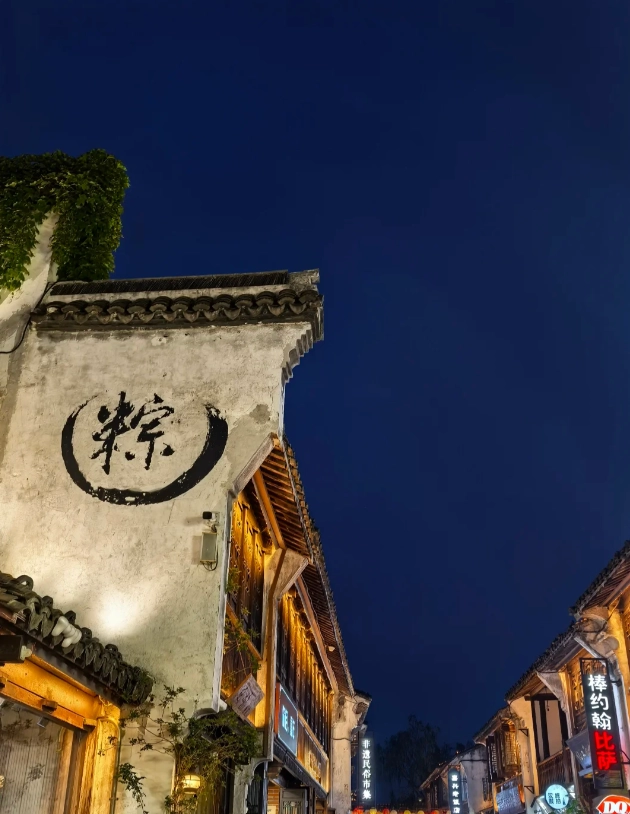
Crowds & Budget Planning
The district itself is free to enter, but some attractions inside (like the Old Residence of a Ming official) charge around 20 RMB. Avoid Chinese public holidays if you hate crowds: Spring Festival (late Jan/Feb), Labor Day (May 1-5), and National Day (Oct 1-7). Prices for nearby hotels can double during these periods.
I recommend staying at a boutique hotel like the Yuehe Inn (about 400-800 RMB per night in off-peak, 800-1500 during peak). Book on Trip.com or Klook in advance. Ask the front desk to help you reserve any attraction tickets — many require WeChat mini-programs which are tricky for foreigners.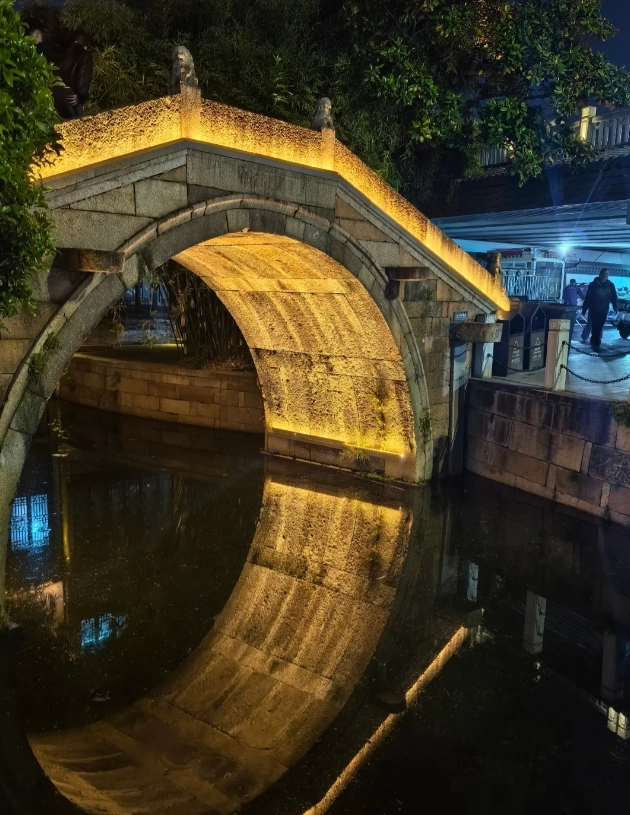
Frequently Asked Questions
Verified and fact-checked by the editorial team.
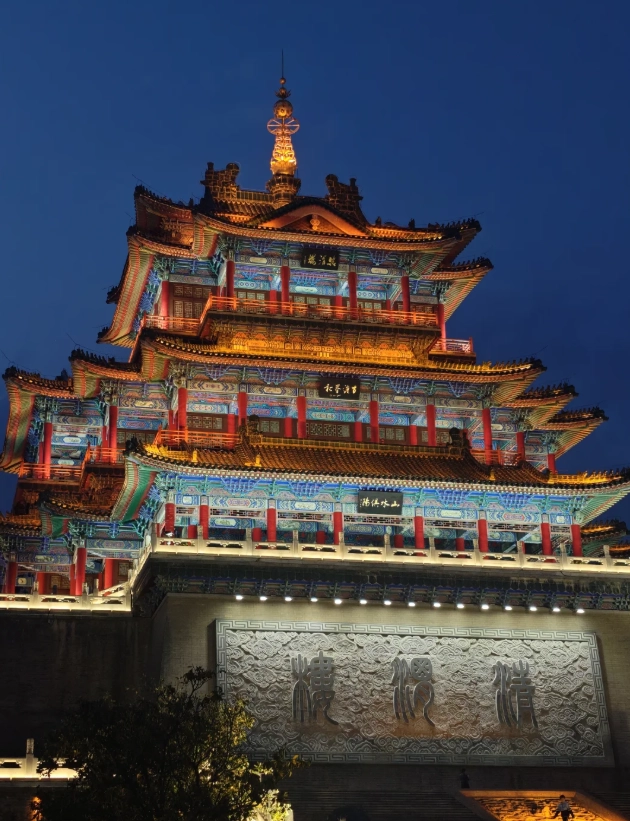
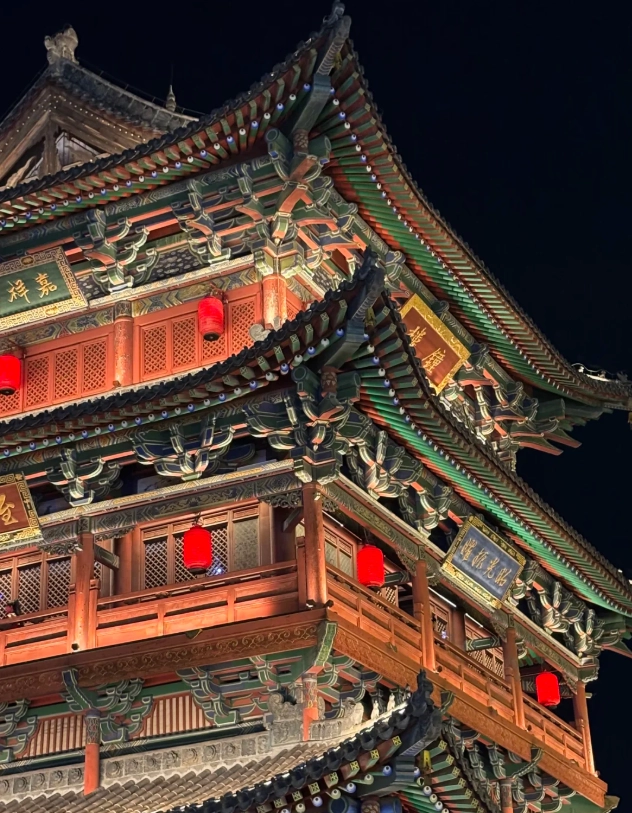





I'm not sure I understand the hype. Maybe I came on a bad day (Saturday mid-afternoon, my mistake), but it was packed shoulder-to-shoulder. The so-called 'historic' streets felt like a generic tourist trap — every other shop selling the same cheap keychains and fried squid. Prices were inflated; a bottle of water cost 5 yuan more than the supermarket just outside the gate. And the noise... karaoke boats, loudspeaker announcements, kids screaming. I get that you're supposed to 'avoid crowds,' but if the only way to enjoy this place is at 7am on a Tuesday, that's not exactly a glowing recommendation. Just another over-commercialized water town with better alternatives nearby.
A solid 4 out of 5. We followed the advice to visit on a Thursday afternoon — it was much quieter than the weekend, but still a fair number of school groups. The bridges and waterways are genuinely picturesque, and the free museum inside the district gives good context. However, I was a bit annoyed that several of the side alley shops were closed or had irregular hours (maybe still recovering from low season?). Also, public restrooms were hard to find and not the cleanest. That said, the riverfront dinner we had was affordable and tasty, and the night lighting is lovely. Worth a visit with tempered expectations.
As a travel photographer, I cannot recommend the Yuehe Historic District enough — but only if you go at the right time. I arrived at 6:45am on a Tuesday and had the entire place to myself for almost two hours. The morning mist over the canal, the wet cobblestones catching the first light, an old man practicing tai chi under a willow tree... pure magic. No crowd to ruin your frame, no selfie sticks in your shot. And because the vendors were just setting up, I got fresh zongzi for half the afternoon price. Five stars for the experience, but do yourself a favor and ignore the 10am–4pm window.
Honestly one of the best historic districts I've visited in China — and I've been to a dozen. The architecture is well-preserved, not overly Disneyfied like some other ancient towns. I spent hours just wandering the side lanes, found a tiny tea house run by a grandma who charged 10 yuan for a pot of biluochun. The vibe in late afternoon, just before sunset, is perfect: golden light on the black tiles, very few tourists. Only minor downside is that some of the 'traditional' shops sell the same mass-produced souvenirs, but that's everywhere. Great value for a day trip from Shanghai.
Came here on a weekday morning around 8am after reading the tips — absolutely magical. The canals were mirror-still, almost no one around except a few locals sweeping doorsteps. Grabbed a 3-yuan sesame pancake from a tiny stall and walked the stone alleys in complete peace. By 10:30 the tour groups started rolling in, so timing really is everything. If you want the old-town charm without the jostling, go early and save your appetite for the street food — way cheaper than the sit-down restaurants near the main gate. Easily my favorite spot in Jiaxing.