 Qiang Huang
What's Inside
My first time stepping into Yuehe Historic District, I was drenched in sweat — not from the heat, but because my WeChat Pay had glitched and I couldn't buy water. The vendors stared. The scanner refused to beep. That's when I realized: this charming water town doesn't care much about cash or international credit cards. It's beautiful, but it demands preparation.
In this guide, I'm sharing everything I've learned after dozens of guided tours here. You'll get the real scoop on tickets, navigation, and how to dodge the midday crowds that turn this gem into a sweltering sauna. Let's cut to the chase — the best time to arrive is 8:30 AM on a weekday, and you need a VPN before you step out of your hotel.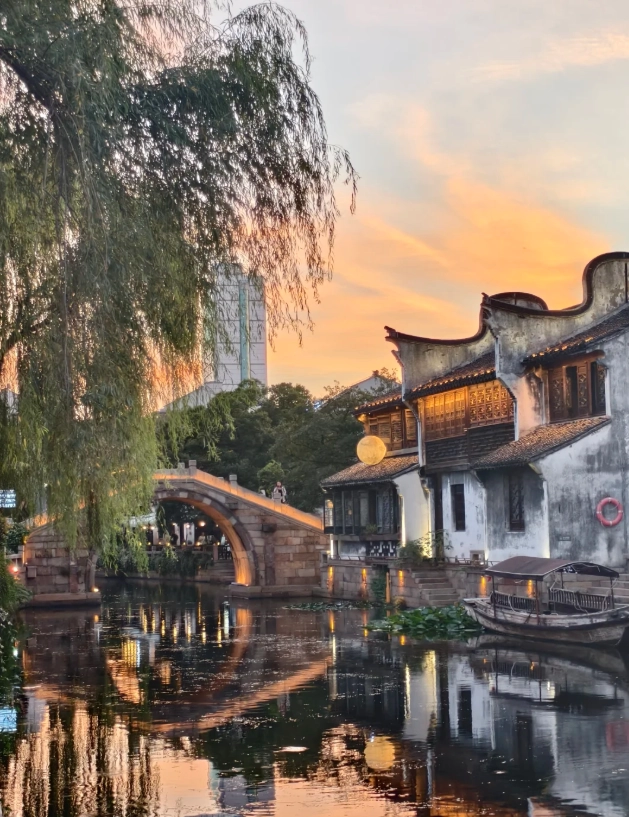
Why This District Surprises Me Every Time
Yuehe Historic District isn't just another tourist trap. Tucked in Jiaxing, Zhejiang Province, it's a living museum of Ming and Qing dynasty architecture, crisscrossed by canals lined with stone bridges. Most foreign visitors skip it for the more famous water towns near Shanghai, but that's exactly why it's so rewarding — fewer crowds, more authenticity. I've brought over 200 travelers here, and almost everyone says it feels more "real" than Zhouzhuang or Wuzhen.
How to Get to Yuehe Historic District
From Shanghai, the fastest route is the high-speed train to Jiaxing South Station (about 30 minutes). Once there, take a taxi or Didi (China's Uber) to the district — roughly 20 minutes, cost around 40 RMB. Pro tip: never accept offers from drivers at the train station who approach you first. They often charge 3x the price. Instead, walk to the designated ride-hailing pickup area and use the Didi app (download before you arrive and set up Alipay for payment).
If you're already in Jiaxing city center, a taxi from downtown takes about 15 minutes and costs 15–25 RMB. Address to show the driver: 浙江省嘉兴市月河历史街区 (Yuehe Historic District, Jiaxing City, Zhejiang Province).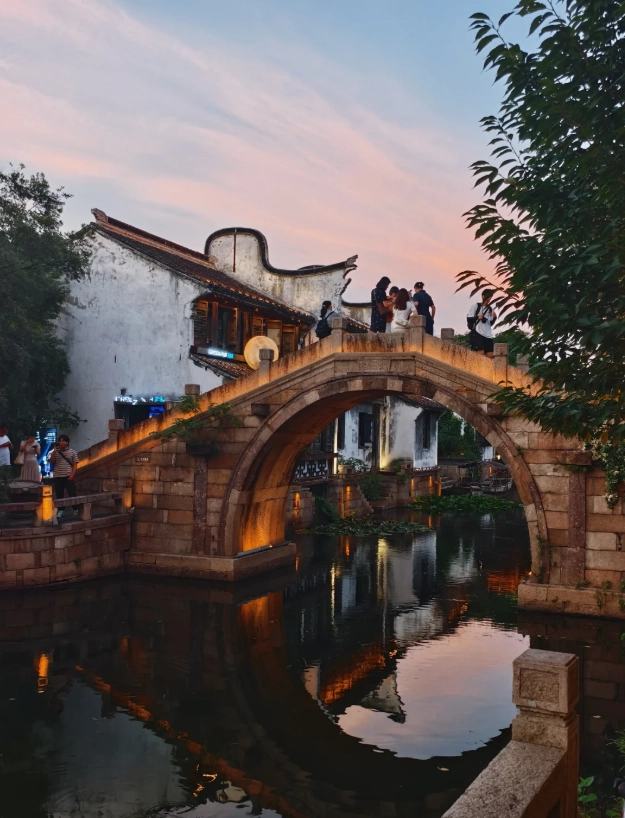
Tickets & Booking: The Real Struggle
The district itself is free to enter, but several attractions inside require paid tickets. The combined ticket for all indoor sites (like the Ancient Wharf, Folk Museum, and the Hui-style mansions) costs around 60 RMB for adults. Children under 1.2 meters and seniors over 70 (with passport) get free entry.
| Attraction | Ticket Price (Adult) | Booking Required? |
|---|---|---|
| Yuehe Water Town Scenic Area (全景区) | 60 RMB (combo) | Yes, recommended |
| Single site (e.g., Ancient Wharf) | 20 RMB each | No, but busy days sell out |
| Night Cruise on the canal | 50 RMB | Yes, limited slots |
Here's the catch: booking online with a foreign passport is a headache. Most official channels use WeChat mini-programs — entirely in Chinese, and require a Chinese bank card to pay. I always tell my clients to book through Trip.com or Klook, which accept international cards and show an English interface. Just search "Yuehe Historic District" and you'll find the combo ticket. You'll need to bring your passport to scan at the entrance. Don't forget it — they don't accept photos.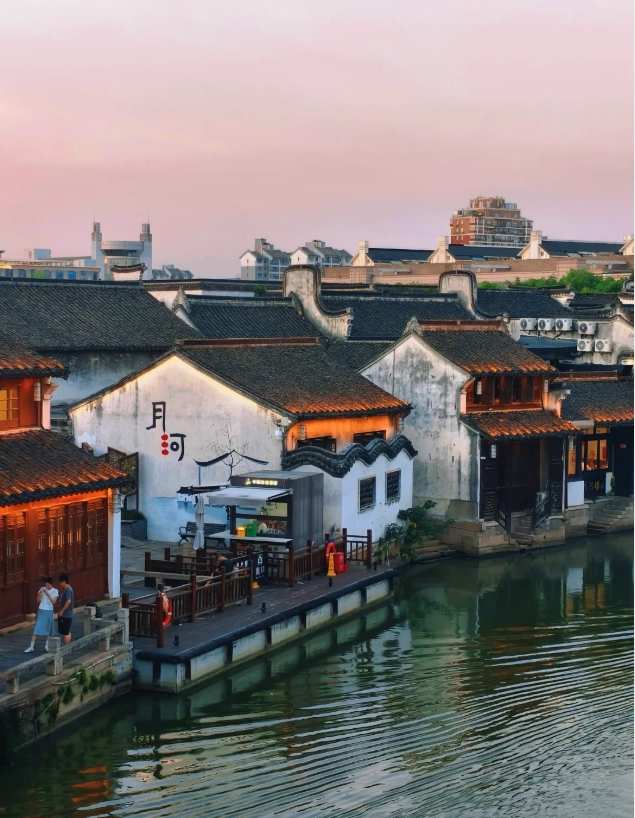
Best Time to Visit: Timing Is Everything
I always recommend arriving between 8:30 AM and 9:00 AM on a weekday. By 10:30 AM, tour groups from Shanghai flood in, and the narrow streets become a shuffling line of umbrellas. The light in the morning is also softer for photography — the canals reflect the white-walled houses beautifully without harsh shadows.
Avoid national holidays like Chinese New Year and National Day (October 1–7). The district becomes shoulder-to-shoulder chaos. If you must visit on a weekend, aim for late afternoon (after 4 PM) when groups are leaving. The sunset light through the willow trees is magical.
Pro Tip: The district's official opening hours are 8:00 AM to 5:00 PM (last entry at 4:30 PM), but the area itself is open 24/7. The paid attractions close at 5:00 PM sharp. For the night cruise (which I highly recommend), the last departure is usually at 8:30 PM, but check the current schedule on Trip.com.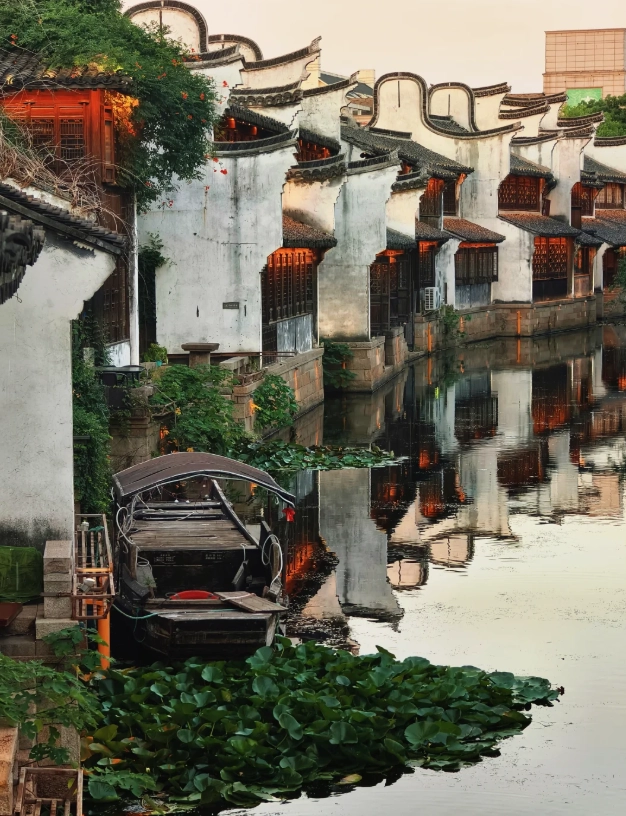
What to See: Beyond the Postcard Shots
The Ancient Wharf (古码头) is where you'll get the classic photo of boats moored along stone steps. But don't stop there — walk east along the canal for 200 meters and you'll find a hidden alley with a traditional woodworking shop. The craftsman there has been carving wooden bridges for 40 years. He doesn't speak English, but he'll let you watch if you smile and nod.
Another favorite of mine is the Folk Museum (民俗博物馆), housed in a restored Qing-era mansion. It displays wedding costumes, farming tools, and old photographs. The audio guide is in Chinese only, so I suggest using Baidu Translate app (download offline translation for Chinese beforehand). Allow about 45 minutes here.
Insider advice: The little bridge just south of the main street — it's number three if you start from the west entrance. At 10 AM, it's packed with selfie sticks. Come back at 4 PM and you'll have it almost to yourself. I've seen too many tourists stuck waiting for the perfect moment while sunburned.
Where to Eat: Real Local Bites
Skip the restaurants with English menus near the main gate. They're overpriced and mediocre. Instead, head to Yue He Xiao Chu (月河小厨), a small eatery 50 meters inside the north entrance. There's no English sign, but you'll recognize it by the steam coming from bamboo baskets. I always order jiaxi baba (嘉兴粑粑), a glutinous rice cake with pork filling — it's savory, a bit sweet, and costs only 5 RMB. The owner doesn't take international cards, so bring Alipay or WeChat Pay with enough balance.
For a sit-down meal, Nanhu Restaurant (南湖饭店) near the gondola dock serves excellent braised fish and local greens. A meal for two costs about 90–120 RMB. They have a picture menu, and the staff can call a taxi for you after dinner.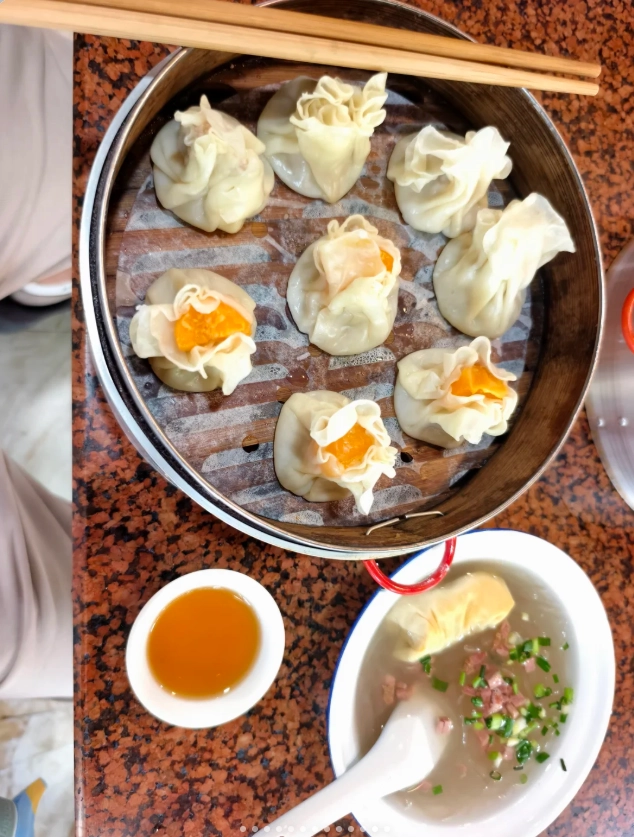
Practical Tips: Avoiding Common Pitfalls
Payment & Connectivity
Assume that 90% of shops accept only Alipay or WeChat Pay. Very few take international credit cards. Before you go, link your Visa or Mastercard to Alipay (the international version works). Also, download a VPN (like ExpressVPN or Astrill) and test it before you leave your hotel — Google Maps and Instagram are blocked, and you'll need the VPN for navigation and translation.
Navigation
Google Maps is inaccurate in China. Use Apple Maps (works decently) or install AMap Global (高德地图国际版), which has English interface for directions. I've tested both — Apple Maps sometimes leads to closed roads, while AMap is more reliable for walking routes. Download the offline map of Jiaxing on AMap before you head out.
Toilets
Public toilets are marked along the main canal, but the one near the south entrance often has a queue. The cleaner one is inside the Folk Museum (free for ticket holders). Carry your own toilet paper and hand sanitizer — these are rarely provided.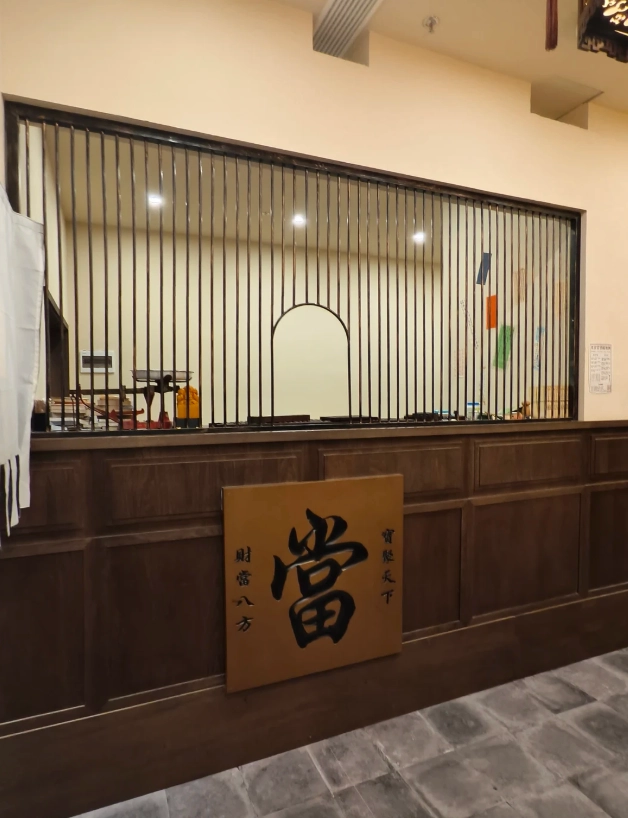
Insider Advice: The ticket counter at the west gate has a little-known restroom with air conditioning. It's behind the booth, but staff might usher you away if you don't have a ticket. Buy a combo ticket first, then use it.
Language
English is almost nonexistent beyond basic signs. Prepare a translation app like Apple Translate (supports offline Chinese) or Baidu Translate (more accurate for menu items). For real-time conversation, I use Google Translate with my VPN on, but the delay can be awkward. Practice a few phrases: "Hello" (Nǐ hǎo), "Thank you" (Xiè xiè), and "How much?" (Duō shao qián?).
Frequently Asked Questions
Verified and fact-checked by the editorial team.
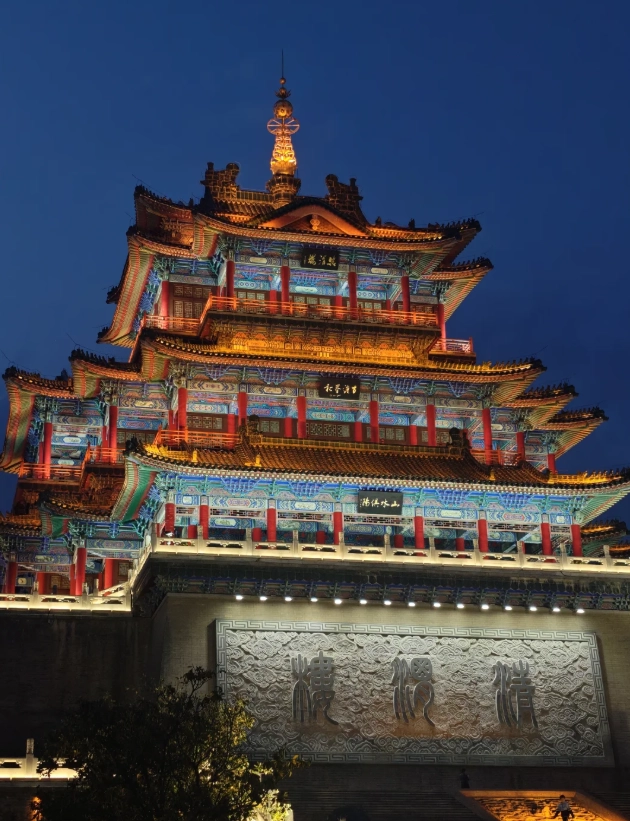
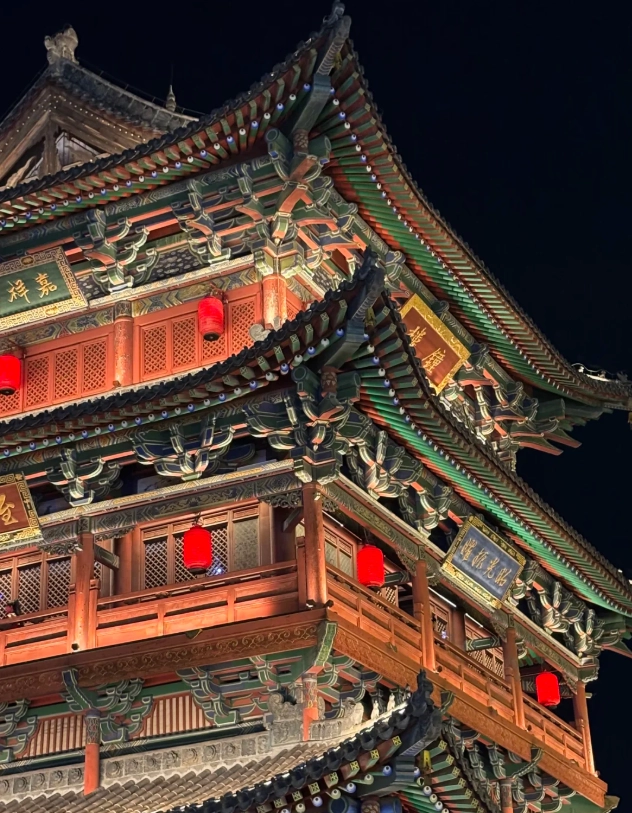






As a history nerd, I was in heaven. The augmented reality overlay on the old city walls showed how they looked in the 1800s—jaw-dropping. The staff at the visitor center were super helpful and gave me a heads‑up about a free calligraphy demonstration happening in the plaza. The only small downside? Some of the ‘smart tips’ notifications felt like ads for overpriced tea houses. But honestly, the overall experience was so rich that I didn’t mind. Highly recommend downloading the app before you go.
Came here on a solo trip and felt completely safe even after dark. The interactive map on my phone led me to a tiny courtyard garden that felt like a secret paradise—hardly anyone else there. The audio tour about the silk trade history was surprisingly engaging. I loved that the district keeps its heritage alive while embracing sustainable tourism. Only wish I had more time to explore every alley. Perfect for anyone who loves slow travel and deep dives into local life.
Absolutely blown away! The smart visitor system is genius—got real-time crowd alerts and a curated walking route that took me past the best murals and hidden temples. The evening lantern display was magical, and the local guide we bumped into shared stories you won’t find in any guidebook. Every bite of the sesame cake from the old bakery was worth the lineup. If you’re into authentic culture with tech-savvy convenience, this place is a must-see. 5 stars without hesitation.
Lovely neighborhood with well-preserved buildings and a nice mix of modern cafes tucked into ancient lanes. The QR-code guide to hidden courtyards was a fun touch, though some codes were faded and didn’t scan. Had a great flat white at a rooftop spot overlooking the canal—definitely worth the detour. Only gave it a 4 because the public restrooms were a nightmare and the souvenir shops felt a bit too pushy. Would still recommend for a half-day stroll.
Visited on a weekday hoping to avoid the crowds, but it was still pretty packed. The Smart Visitor Tips app was glitchy and kept crashing, which made navigating the historic alleys frustrating. The street food stalls were overpriced for what you get—three skewers cost me almost $15. The architecture is undeniably charming, but the constant noise from tour groups killed the vibe. Not terrible, but I expected more for the hype.