 Qiang Huang
Quick Look – What's Inside
I've lost count how many times I've walked this ancient cobblestone lane with first‑timers. And every single time, the same question pops up: “So when does Pingjiang Road actually close?” The short answer: it never really does. But that doesn't mean you can just show up anytime and expect everything to be open. Let me break it down so you don't end up staring at shuttered shops like I've seen too many do.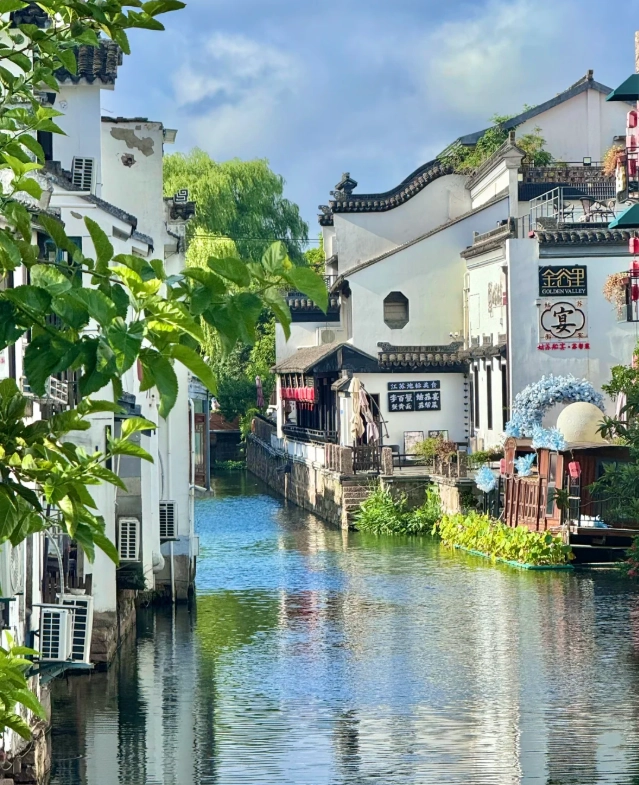
Pingjiang Road Opening Hours – The Street Itself
Pingjiang Road is a public pedestrian street. The road is open 24 hours a day, 7 days a week. You can stroll at 3 AM if you like — though I'd advise against it, simply because most businesses will be closed and the lighting is dim. But the freedom is there.
Shop Hours Vary – Here's the Catch
Here's where it gets tricky. The individual shops, teahouses, and museums along Pingjiang Road set their own schedules. Most open around 9:30–10:00 AM and close between 21:00 and 22:00. But some close earlier, especially on weekdays or in off‑peak seasons. I once had a guest desperate to buy a hand‑painted fan at 8 PM — and every fan shop was already closed. We had to settle for a quick snap outside.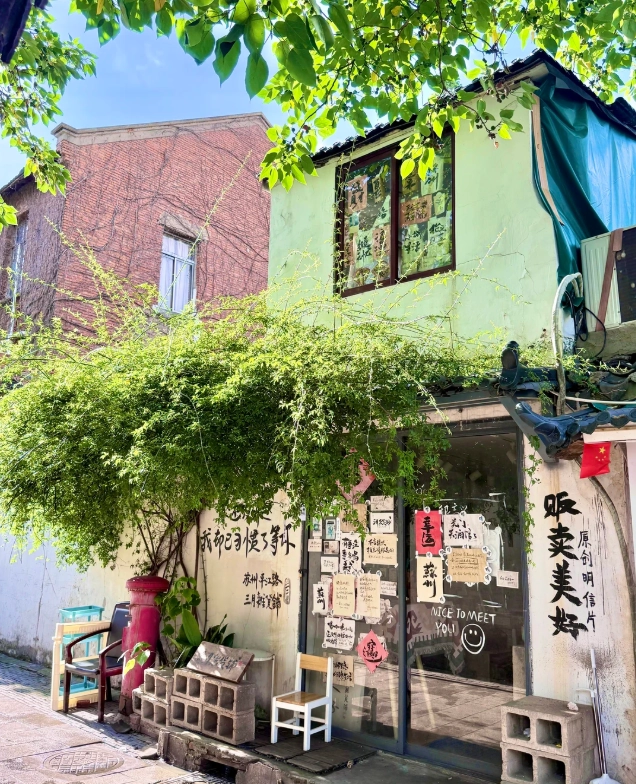
| Type of Venue | Typical Opening Hours | Notes |
|---|---|---|
| Street (pedestrian) | 24 hours | Always accessible |
| Most souvenir shops | 10:00 – 21:30 | Many close by 21:00 in winter |
| Tea houses | 09:00 – 22:00 | Last order around 21:30 |
| Snack stalls (local food) | 10:00 – 20:30 | Popular items sell out by 18:00 |
| Museums (e.g. Suzhou Embroidery) | 09:00 – 16:30 | Last entry at 16:00; closed Mondays |
| Night bars & music venues | 18:00 – 01:00 | Some open earlier on weekends |
My advice: If you want to see the lane buzzing, aim for 11:00 AM – 8:00 PM. Come before 10 AM and most places are still rolling up their shutters. After 9 PM, only a handful of bars and restaurants remain open — great for drinks, not for shopping.
Best Time to Visit Pingjiang Road
You're probably thinking “I'll just go in the morning to beat the crowds.” Fair idea, but let me save you a mistake. Morning crowds are actually lighter, but the light is harsh until about 10:30. Shops aren't fully open, and the atmosphere feels sleepy. I always tell my clients: aim for late afternoon, around 4 PM. Here's why:
- The golden hour light makes the white walls and black tiles pop.
- Shops are still open, but the worst of the midday heat (or rain) is past.
- Evening lighting starts to come on around 6–6:30 PM, giving you a beautiful transition.
If you must visit during peak hours (11 AM – 3 PM), be prepared for crowds. The path gets narrow, and selfie sticks become a hazard. I once guided a group through that chaos — we spent more time dodging elbows than enjoying the architecture. Not fun.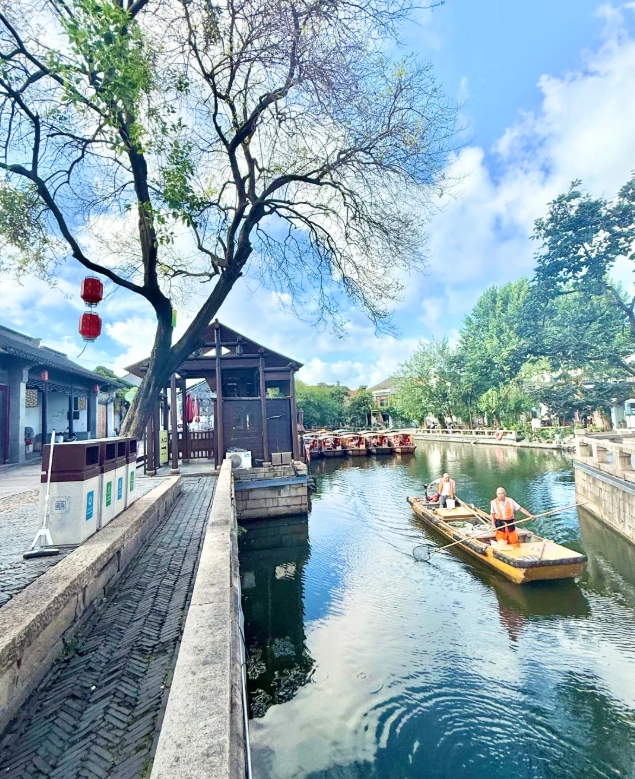
Nightlife & Evening Hours – What Stays Open Late
Pingjiang Road transforms after dark. Strings of red lanterns light up, and the canal reflects a soft glow. If you're a night owl, head out around 7 PM. Most souvenir shops will still be open, and you can grab a bite before they close. After 9 PM, the scene shifts to a handful of cozy bars and music venues tucked in side alleys. Key spots that stay open late:
- Mao Livehouse – live music until 1 AM (check schedule)
- Jiangsu Tea Art Center – closes at 11 PM
- Small bar “Jian” – open until 2 AM on weekends
But here's the pain point I've seen again and again: Google Maps shows opening hours that are often wrong. I've shown up with guests to a place that claimed to be open until midnight only to find it closed at 10 PM. Use Apple Maps or Dianping (大众点评) — those are more reliable. And always call ahead if you can get someone at your hotel to help.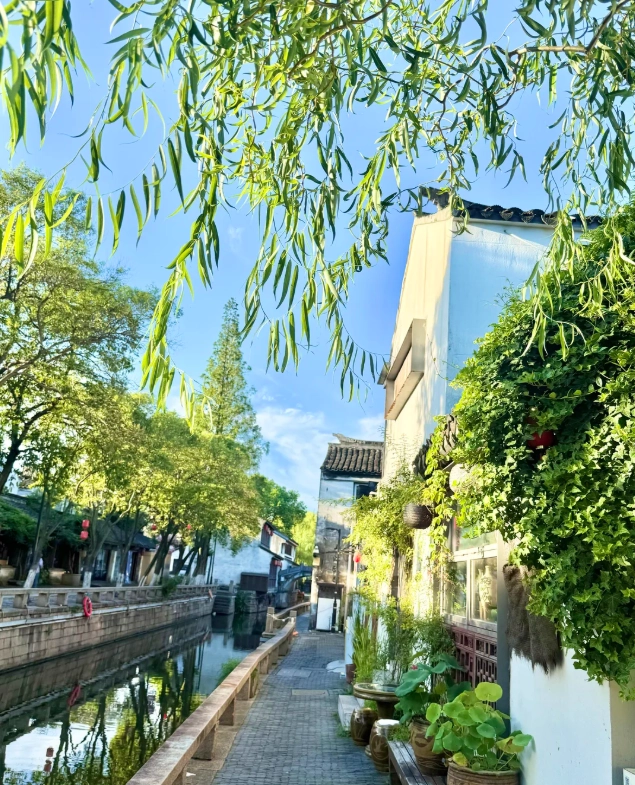
Ticket & Reservation Tips for Attractions on Pingjiang Road
The street itself is free, but some attractions along it require tickets. For example, the Suzhou Pingjiang Road History Museum (苏州平江路历史博物馆) is free but needs a reservation — and foreigners must use their passport to book. The process is a pain. I always tell my guests to ask their hotel front desk to handle it. Most hotels will do it for you if you hand them your passport information.
For paid attractions like the Kunqu Opera Museum, tickets are around 50–80 RMB. You can book via Trip.com or Klook — both accept international credit cards. Avoid the official WeChat mini‑program if you don't read Chinese; it's a maze even for me.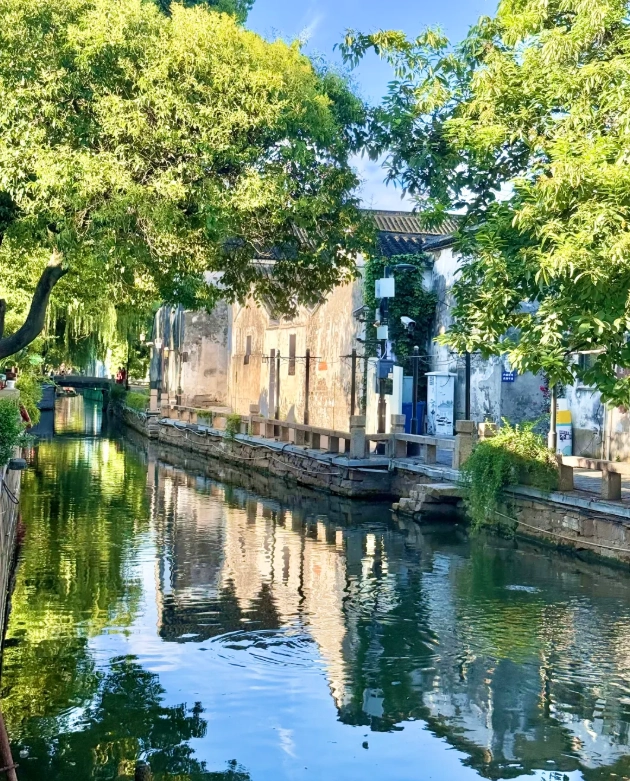
FAQ – Common Pain Points
Verified and fact-checked by the editorial team.





No comments yet.