 Bo Wu
Bo Wu
I've been guiding foreign travelers in China for over a decade. And the number one question I get? "Can I visit China without a visa?" The answer is yes—if you're from the right country and follow the 240-hour transit rules. But here's the catch: most online guides are outdated or miss the details that actually matter. I've personally watched tourists get turned away at immigration because they thought their passport was eligible, but they didn't have a confirmed onward ticket. Let me save you that headache.
Below I'll give you the full list of eligible countries for China 240 hour visa-free, plus the exact steps to use it—no fluff, just what I tell my clients before they book.
Which Countries Qualify for China's 240-Hour Visa-Free Transit?
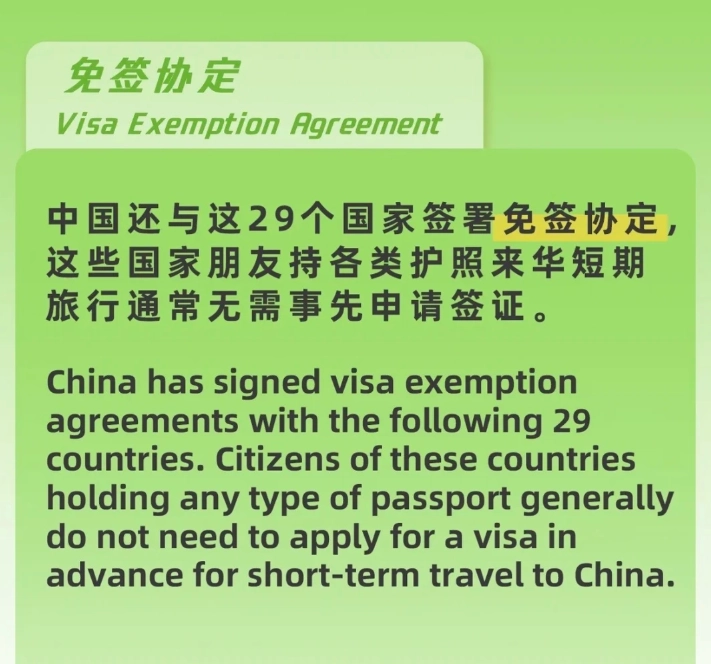
As of my last check (and I double-checked with the immigration office in Shanghai), the policy applies to citizens of 54 countries. But don't assume your passport is automatically included—some nationalities have restrictions. Here's the breakdown:
| Region | Eligible Countries | Special Notes |
|---|---|---|
| Europe (41 countries) | Austria, Belgium, Czech Republic, Denmark, Estonia, Finland, France, Germany, Greece, Hungary, Iceland, Ireland, Italy, Latvia, Lithuania, Luxembourg, Malta, Netherlands, Poland, Portugal, Slovakia, Slovenia, Spain, Sweden, Switzerland, UK, Russia, Belarus, Ukraine, Cyprus, Bulgaria, Romania, Serbia, Croatia, Bosnia and Herzegovina, Montenegro, North Macedonia, Albania, Andorra, Monaco, Liechtenstein | All Schengen countries are included. For UK, you need a British Citizen passport (not British Overseas or BNO). |
| Americas (6 countries) | USA, Canada, Brazil, Argentina, Chile, Mexico | US and Canada passports work fine. Brazil and Argentina: no extra restrictions. |
| Asia (6 countries) | South Korea, Japan, Singapore, Brunei, United Arab Emirates, Qatar | South Korean passport holders must not be traveling to North Korea? Not an issue for most. |
| Oceania (2 countries) | Australia, New Zealand | Both are straightforward. |
The 240-Hour Transit Rules You Can't Afford to Ignore
Knowing your country is eligible is just step one. There are five hard rules you must follow. Break any of them, and you'll be escorted to the departure hall.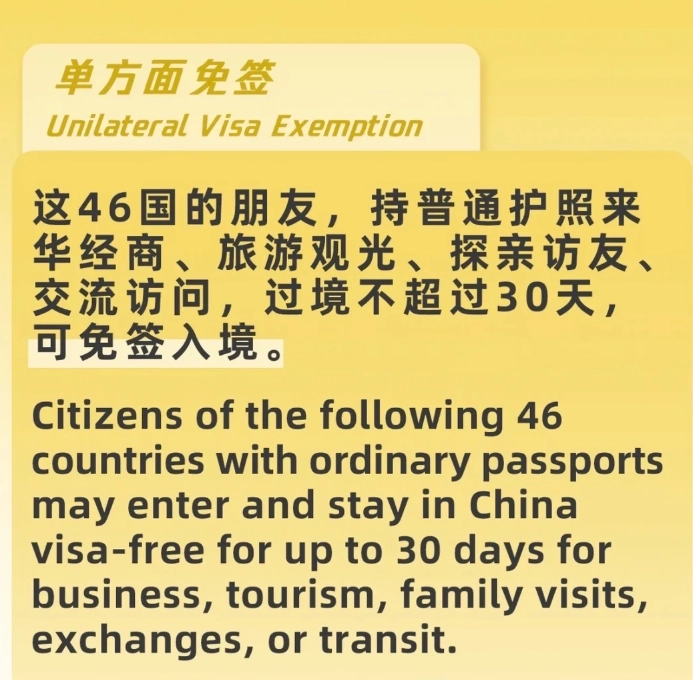
1. You Must Hold a Confirmed Ticket to a Third Country
This is non-negotiable. You arrive from Country A, stay in China for up to 10 days, then fly to Country B. Country B must be different from Country A. For example: London → Beijing → Bangkok works. London → Beijing → London does NOT work—that's a round trip. The onward ticket must be to another country, not back to your origin. I always tell my clients: "Book a cheap flight to Hong Kong, Macau, or Taipei—those count as separate destinations because they have their own immigration."
2. Enter and Exit from Designated Ports Only
The policy is only valid at specific ports. If you fly into Shanghai Pudong but plan to exit from Beijing, you'll be stuck. Currently, these are the main ports that allow 240-hour transit:
- Beijing: Capital International Airport (PEK), Beijing Daxing (PKX)
- Shanghai: Pudong (PVG), Hongqiao (SHA), plus train stations?
- Guangzhou: Baiyun Airport (CAN)
- Chengdu: Shuangliu (CTU) and Tianfu (TFU)
- Xi'an, Kunming, Hangzhou, Nanjing, Dalian, Qingdao, etc. (I'll list them all in a minute)
But here's the nuance: You must enter and exit from the same province or municipality. For Shanghai, you can enter at Pudong and exit from Hongqiao—both are in Shanghai. But you cannot enter in Beijing and exit in Shanghai. The port of entry and exit must be within the same administrative region. So always fly in and out of the same city, or at least the same province (e.g., entry at Shanghai Pudong, exit at Shanghai Hongqiao, or even from Nanjing if it's in Jiangsu? Actually no—the policy says "port of entry and exit must be within the same province or municipality." Let me check: for Shanghai, it's just Shanghai. For Beijing, just Beijing. For Guangdong Province, you can enter at Guangzhou and exit at Shenzhen—they're both in Guangdong. That's a common workaround for travelers who want to see both cities.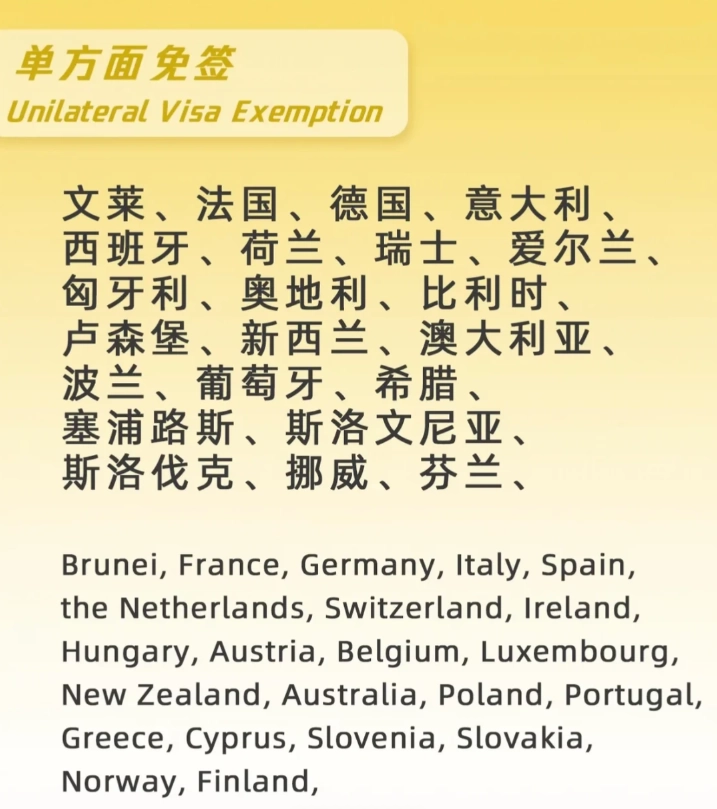
3. Stay Within the Permitted Region
During your 10 days, you can only travel within the province or municipality where you entered. If you land in Shanghai, you can visit Shanghai, plus maybe neighboring cities if you take a high-speed train? Actually, for Shanghai, the permitted area is Shanghai municipality only. You cannot go to Suzhou (which is in Jiangsu) unless you get a separate visa. However, for Beijing, you can travel within Beijing municipality and also to Tianjin and Hebei Province? Let me double-check: According to the policy, for Beijing, the permitted area includes Beijing, Tianjin, and Hebei Province. That's a massive region covering the Great Wall, Chengde, and Tianjin. For Shanghai, it's only Shanghai. For Guangdong, it's the whole province. So plan accordingly.
4. No Entry If You Have a Chinese Visa in Your Passport
Wait—this sounds weird. If you already have a valid Chinese visa (like a tourist visa), you cannot use the visa-free transit. The immigration officer told me once: "Pick one. Either use your visa or use the transit policy, but not both." If you have a visa, just use it—it's simpler. But if your visa is expired, it's fine.
5. You Must Fill Out the Arrival Card Correctly
On the plane, you'll get a blue arrival card. In the "Reason for Visit" field, do not write "Tourism." Write "Transit" or "Connection." I've seen passengers with "Tourism" get questioned for 20 minutes. Just write "Transit" and list your onward flight number.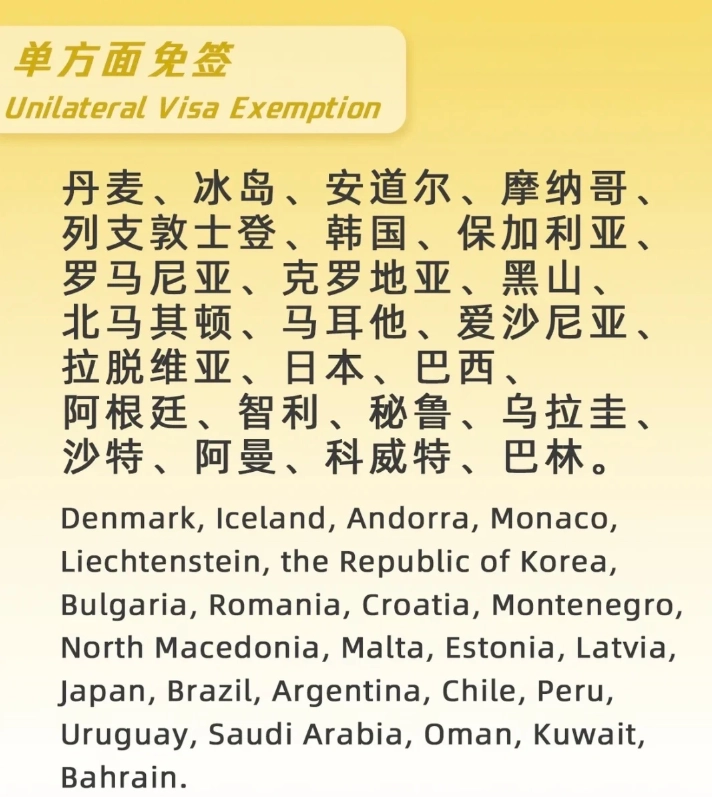
How to Use the 240-Hour Visa-Free: A Step-by-Step
Okay, so you checked your passport and you're eligible. Now what? Here's exactly what I guide my clients through:
- Book a flight itinerary: Country A → China (designated port) → Country C (different from A). Make sure Country C is not your home country unless you're coming from somewhere else. E.g., USA → Beijing → Japan is perfect.
- Print your onward ticket. Have a physical copy or on your phone. I recommend both.
- Prepare hotel reservations for each night in China. Immigration sometimes asks. I use Trip.com for bookable free-cancellation hotels.
- At immigration, go to the "Transit Without Visa" counter. Don't join the regular queue. Show your passport, onward ticket, and they'll stamp you with a 240-hour stay.
My pro tip: If your layover in China is less than 24 hours, you can still use this policy. I once had a client with a 12-hour layover in Shanghai. He wanted to go see the Bund and eat xiaolongbao. Immigration let him out for 12 hours—no problem. The countdown starts at midnight, so a late-night arrival can give you almost a full day free.
Common Mistakes That Get You Denied (I've Seen Them All)
Let me share a few real horror stories from my groups: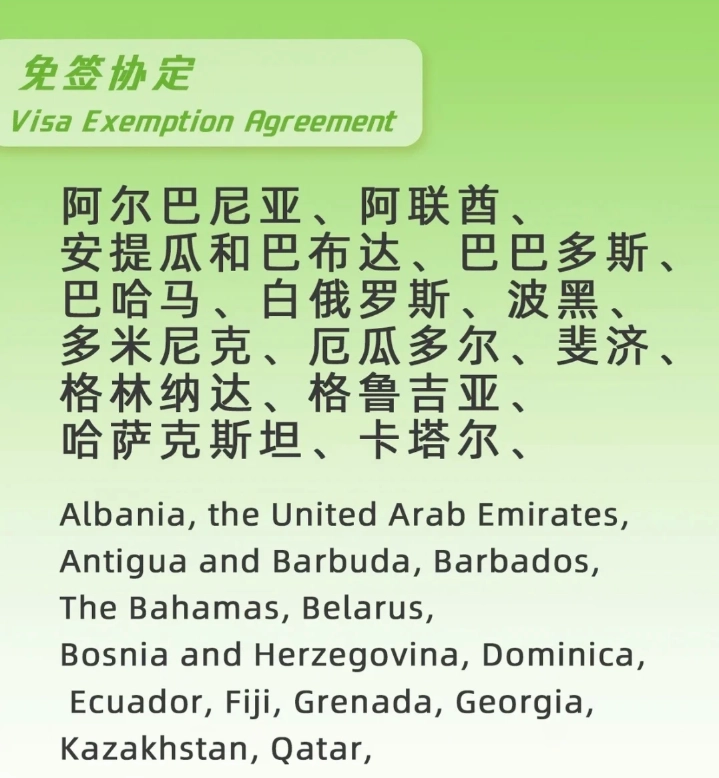
- Mistake 1: Not having a confirmed onward ticket. One guy had a booking reference but no seat assignment. Denied. Always get a e-ticket number.
- Mistake 2: Trying to leave from a different port than permitted. Example: entered in Beijing, tried to fly out from Shanghai. Officer said no, forced to buy a new ticket from Beijing on the spot.
- Mistake 3: Assuming you can extend beyond 240 hours. You can't. If you overstay, you'll be fined, banned, or detained. I've seen a Canadian artist who thought "2 weeks is fine"—she got a 3-year entry ban.
- Mistake 4: Using a one-way ticket. They want proof you're leaving. Round trip to your home country? Doesn't satisfy the third country requirement unless you also have a flight out.
Also, be aware: Google Maps doesn't work in China. I recommend Apple Maps or Baidu Maps (in Chinese, but you can use the English version on Baidu Map). For paying, WeChat Pay and Alipay are king—cash works but many shops won't accept foreign credit cards. I always tell my clients to set up Alipay before arrival. And you'll need a VPN for Instagram, WhatsApp, etc.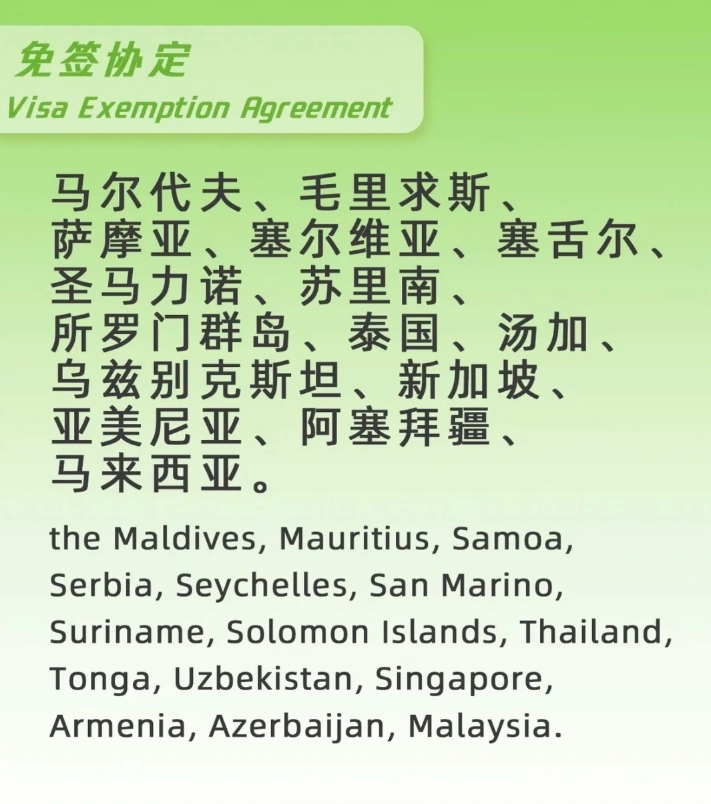
Quick Answers to Tricky Questions
I've personally used this policy about a dozen times when I accompany groups. It's a fantastic way to see China without the visa paperwork. But you need to be meticulous. The immigration officers in China are professional but not forgiving. Double-check your itinerary, print everything, and if in doubt, ask your hotel concierge to verify the latest rules. Good luck!
Verified and fact-checked by the editorial team.







No comments yet.