 Hui Lin
Quick Navigation
I’ve been guiding travelers through Chinese airports for years, and the number one panic I see is at the check-in counter — someone holding a perfectly valid passport, but missing one crucial piece of paper. The officer says, “Sorry, you can’t board.” All because they thought the visa-free transit was automatic. It’s not. Let me save you that headache. Here’s exactly what you need to bring, step by step.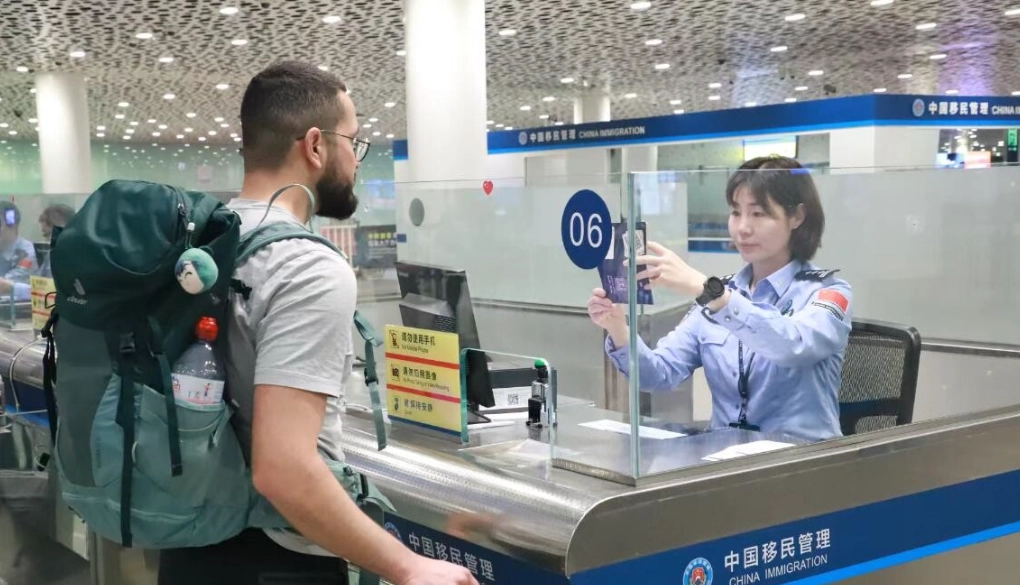
What Is China Visa-Free Transit?
China allows citizens from many countries to transit through certain cities without a visa, as long as they stay within a limited time zone (24, 72, or 144 hours) and don’t leave the designated area. But here’s the catch: you must have all the right documents before you fly. The policy is not a free pass — it’s a strictly regulated privilege. Most people confuse it with a visa waiver. It’s not. You still need to prove your exit plan and accommodations.
The Exact Documents You Must Have
Your Passport Requirements
Your passport must be valid for at least 6 months from your entry date into China. I’ve seen travelers with 5 months and 29 days left get rejected. Play it safe — anything less than 6 months, renew first. Also, make sure your passport has at least one blank page for the immigration stamp. Officials are strict about this; I once had a client whose last page was filled with stamps from Thailand, and they almost turned him away.
✅ Quick tip: Photocopy your passport’s main page and keep it separate. Chinese immigration rarely asks for it, but hotels do, and it speeds up check-in.
The Visa-Free Transit Policy Details
The exact policy varies by city and nationality. For example, 144-hour transit is available in Beijing, Shanghai, Guangzhou, Chengdu, and many other cities. 72-hour applies in some smaller hubs. But the key point: you must arrive and depart from the same city or designated region. For example, if you fly into Shanghai Pudong, you must fly out from Shanghai (Pudong or Hongqiao). You cannot enter Beijing and depart from Shanghai without a visa. I’ve had clients try this — they were forced to buy a new ticket to comply.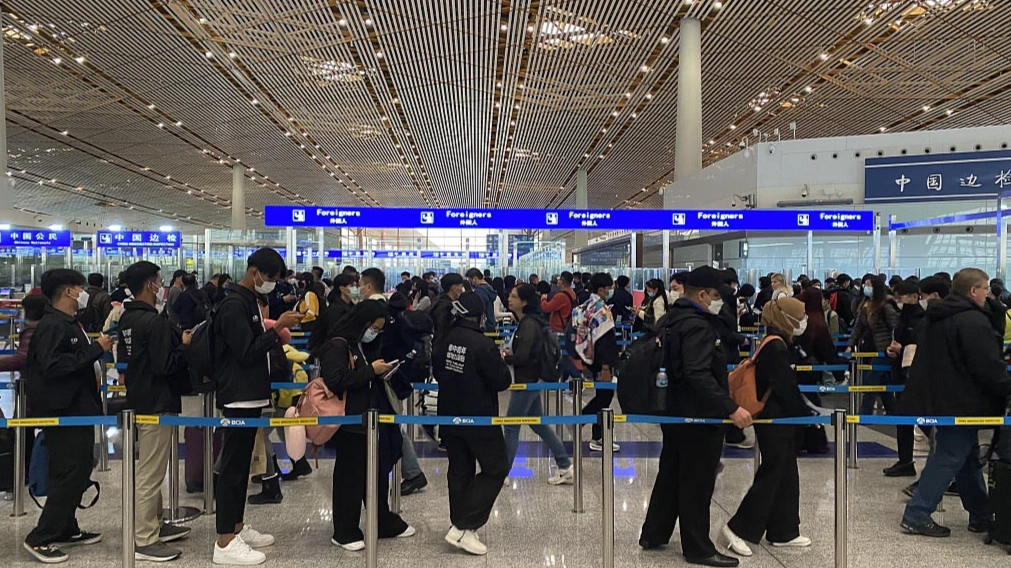
Check your nationality on the official list. Citizens of most European countries, the US, Canada, Australia, New Zealand, Japan, South Korea, and many others are eligible. But not all. If your country isn’t on the list, you need a visa — no exceptions.
| City | Max Transit Duration | Eligible Nationalities (partial) |
|---|---|---|
| Beijing | 144 hours (6 days) | 53 countries including US, UK, Canada, Australia |
| Shanghai | 144 hours | Same list as Beijing |
| Guangzhou | 144 hours | Same list |
| Hong Kong + Macau | Separate visa-free (up to 14 days) | Many nationalities, but separate policy |
Your Onward Ticket
This is the most common document travelers forget. You must have a confirmed ticket out of China to a third country — not back to your home country. Wait, what? Yes, if you are transiting from USA to China to Japan, that’s fine. But if you try to transit from USA to China to USA (same country), it’s not considered transit — it’s a round trip, requiring a visa. I’ve seen this trip up so many people. The onward ticket must show departure within your allowed transit time (e.g., within 144 hours). Additionally, the ticket must be for a flight or train that leaves the mainland. Chinese immigration officials check this carefully. They once held a couple for 2 hours because their train ticket to Hong Kong was not considered “international” enough (they thought it was domestic). Actually, Hong Kong is considered a separate destination for transit, so a ticket to HK is fine, but ensure it’s clear.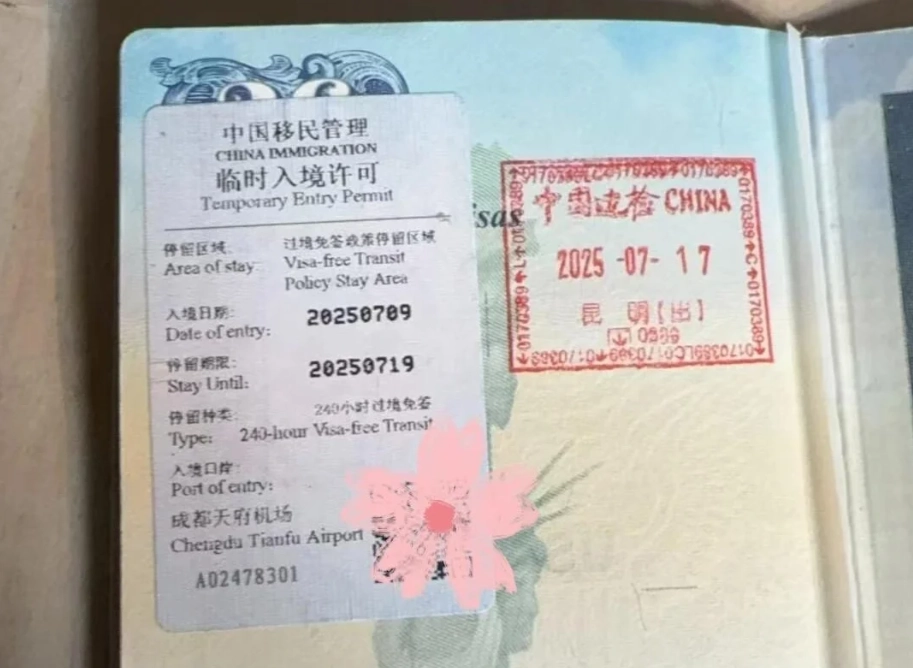
⚠️ Warning: Do not show a ticket with an open return date or no confirmed seat. Some airlines refuse boarding if you don’t have proof of onward travel. I recommend booking a refundable onward ticket just in case you change plans.
Hotel Reservation and Itinerary
You need a confirmed hotel booking for every night you’ll stay in China. The hotel registration is mandatory — Chinese police require hotels to register foreign guests within 24 hours. If you don’t have a hotel, or your hotel doesn’t accept foreigners (some small guesthouses avoid them), you’ll be in trouble. I always tell my clients: use international chains like Holiday Inn, Marriott, or Sheraton in big cities. They are used to foreign guests and will help with registration. For hostels, call ahead. In Beijing, the Beijing Downtown Travelotel (address: 9 Nanyuan Road) is foreigner-friendly and costs about $40 a night. In Shanghai, Hanting Hotel near Nanjing Road also takes foreigners but call first: +86 21 6351 2345.
Print your hotel confirmation and onward ticket. Digital copies work, but I’ve seen immigration officers ask for printed ones after a device battery died. Better safe.
How to Prepare for Immigration
Here’s my ritual before reaching the immigration booth. First, fill out the arrival card (given on the plane). Write your hotel address exactly as on your booking. The officer will ask your purpose: always say “transit” or “transit to [next country].” Do not say “tourism” for transit — it invites more questions. Keep your passport, onward ticket, hotel confirmation, and boarding pass from the previous leg ready. I also carry a pen for the card. Many flights don’t provide pens, and borrowing one at immigration is a hassle.
Expect fingerprint scanning (both thumbs). It’s quick. The officer might ask a few questions like “Where are you going?” and “How long will you stay?” Answer with confidence. If your onward ticket is for more than 144 hours, you’ll be denied. I once had a traveler who mistakenly booked a flight 7 days later instead of 6 — they had to rebook at the airport counter and lost $200.
Common Mistakes That Get You Denied
- Mistake 1: Arriving at a city that doesn’t offer transit visa-free for your nationality. For example, some cities like Lhasa or Urumqi have limited policies. Always verify on TravelChinaGuide or the official Chinese immigration website.
- Mistake 2: Not having a visa for the next country if required. For instance, you transit through China to Japan — Japan requires a visa for many nationals. If you don’t have a valid Japanese visa, China might deny entry because you can’t complete your journey.
- Mistake 3: Overstaying the transit time. The 144-hour count starts from 00:00 the day after arrival? Actually, it’s from the time you pass immigration — yes, it’s exact hours. I’ve seen people miscalculate by a few hours and get a fine (500 RMB) and a black mark.
- Mistake 4: Using a bus or ferry as onward transportation. Some ports only accept flights or trains. Check before you book.
🔑 Insider tip: If you’re flying into Shanghai and want to see both Shanghai and Beijing, don’t try to take a domestic flight between them during transit — that’s not allowed. The only permitted domestic transport is if your onward international flight departs from the same city. For Beijing, you are allowed to travel within the Beijing municipality area, but not to another province.







No comments yet.