Suzhou Travel FAQ
Can I find vegetarian options?
Absolutely. Many Jiangsu dishes can be prepared without meat. Look for 'sù shí' (vegetarian) on menus or specify 'bù yào ròu' (no meat). The braised tofu (dazhu gansi) is a great choice, and many teahouses offer vegetable dim sum.
Do I need to book a table for popular restaurants?
For famous places like Tongdexing or Fuchun, yes — especially during lunchtime. But booking through WeChat mini-programs is a hurdle for foreigners. My advice: ask your hotel reception to call and reserve, or simply show up at 4:30 PM for dinner (they open at 5). You'll beat the crowd.
Is Jiangsu food spicy?
Not typically. Jiangsu cuisine is known for its delicate flavors and slight sweetness. Spiciness is uncommon, but you can always ask for chili oil or add your own. If you have a low tolerance for sweetness, beware of dishes like Wuxi spare ribs, which are aggressively sweet.
Is it possible to see the top things to do in Jiangsu in 4 days without rushing?
Yes, but you'll need to pick two bases. Spend two full days in Suzhou (gardens, water town, Pingjiang Road) and one full day in Nanjing (Sun Yat-sen Mausoleum and City Wall), leaving the last day for either Yangzhou or Wuxi. I warn you, adding a third city will turn your trip into a forced march.
What's the fastest train connection between Nanjing and Suzhou for my top things to do list?
The high-speed train between Nanjing South and Suzhou North takes just around one hour on the G-trains. There are frequent departures throughout the day. Book via 12306 official website or the "12306 Travel" app, which now supports passport registration and international payment. The fare is around 100-150 RMB.
As a foreigner, what's the smoothest way to reserve tickets for the top things to do in Jiangsu?
Use Trip.com or Klook for major attractions. They accept foreign cards and email you a QR code directly. If you're comfortable with Chinese, the official WeChat mini-programs are cheaper, but the process can be language-barrier heavy. Always have your passport number ready — every attraction requires real-name booking.
When traveling around Jiangsu, is cash still necessary at tourist sites?
While Alipay and WeChat Pay are ubiquitous, having about 200 RMB in small bills is a smart backup. Many small shops and some public restrooms (the ones with an attendant) may not accept card. Your international Visa or Mastercard will work in large hotels and some chains, but don't rely on it for street food or taxis.
Is it safe to walk around Nanjing or Suzhou at night?
Yes, very safe. The civil security is genuinely impressive. Still, like anywhere, stick to well-lit streets in the old towns — no, there's no added threat, but you'll just find more night markets along those lights. And the police patrol major sightseeing areas, so you're in good hands.
What should I do if I don't have a Chinese phone number for the WeChat mini-programs?
You don't strictly need one if you use Trip.com or Klook — they send you a booking reference and you show it at the gate. For the official WeChat programs, many now accept international numbers after you switch the language to English. If both fail, ask your hotel's receptionist to book it; they've helped countless visitors. It's a bit of a dance, but you'll be okay.
Are Jiangsu tourist attractions wheelchair accessible?
Mixed. The big sites like Ming Xiaoling and Lingshan have ramps and electric carts, but Suzhou's classical gardens often have many steps and uneven stone bridges. If you have mobility issues, skip Slender West Lake's full loop and instead take a boat from the south gate. And always check with the ticket office about renting a manual wheelchair — they rarely have them but can direct you to a nearby shop.
Recent Reviews
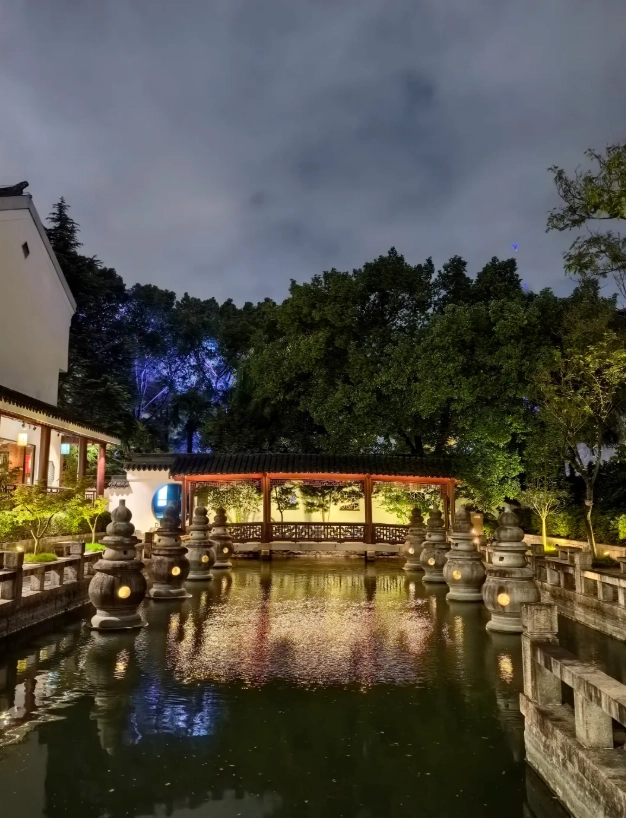
What a beautiful city! The Suzhou Museum is a masterpiece in itself—I.M. Pei's use of light and white walls made the exhibits shine. The Master of the Nets Garden is small but perfect, and the evening garden performances were magical. I ate at a local canteen where the chef insisted I try his squirrel-shaped mandarin fish; it was crispy, sweet, and unforgettable. Definitely a highlight of my trip.
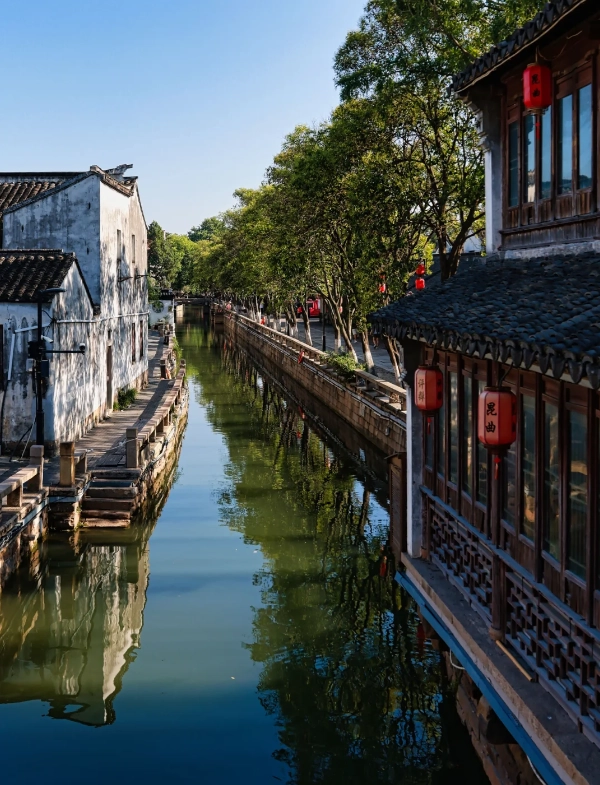
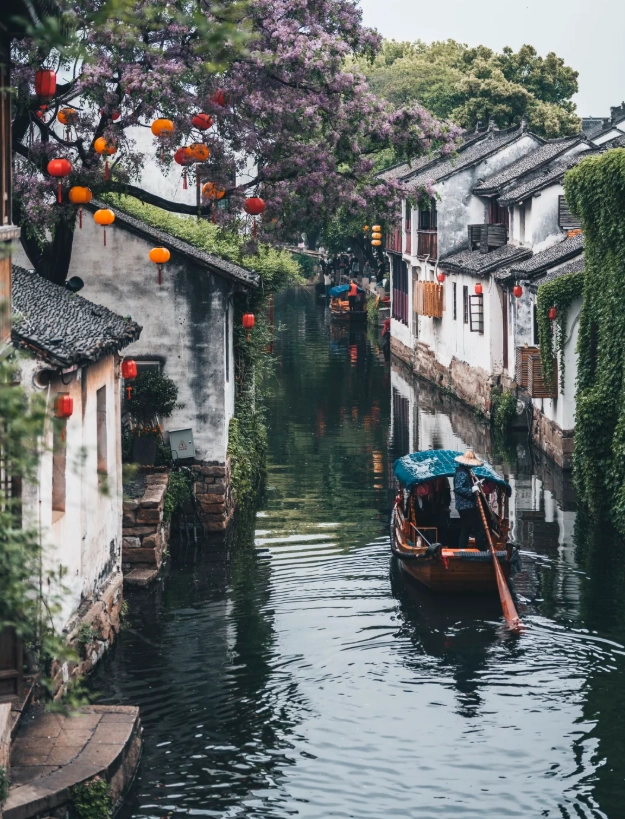
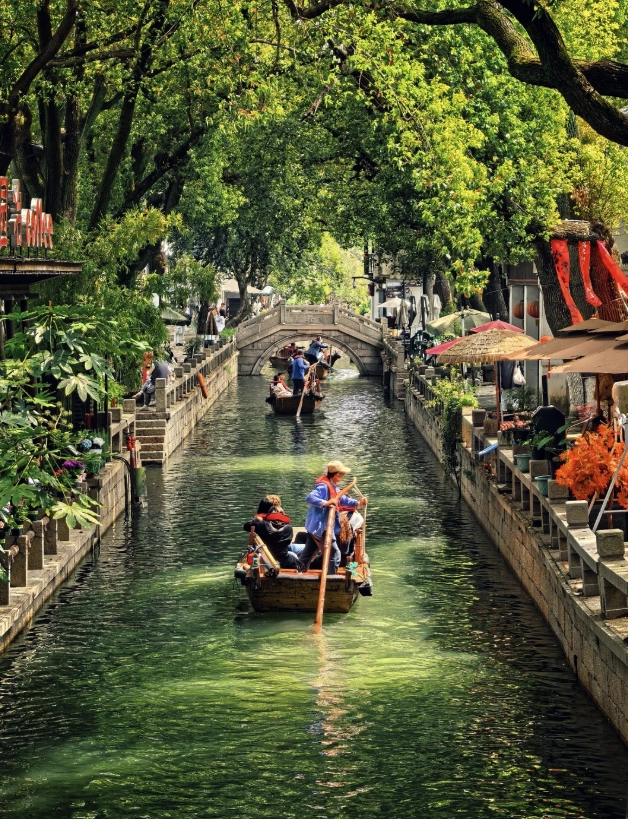
Suzhou stole my heart. I came for the gardens but stayed for the slower pace. Rented a bike and rode along the canals early morning—locals were doing tai chi by the water and a grandpa was selling freshly steamed buns from a basket. The silk museum was unexpectedly fascinating. Everyone was so kind, even helped me navigate the bus. Highly recommend taking a boat on the moat at sunset.
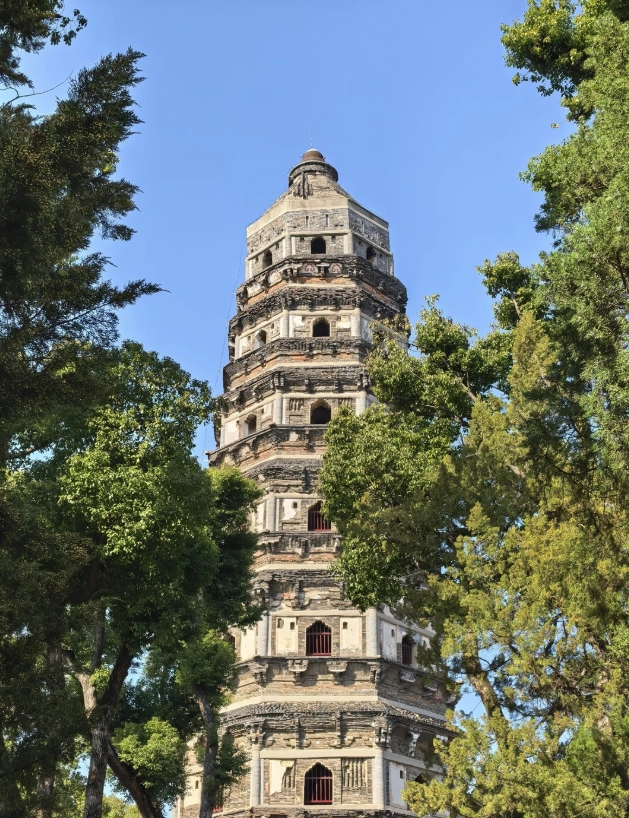
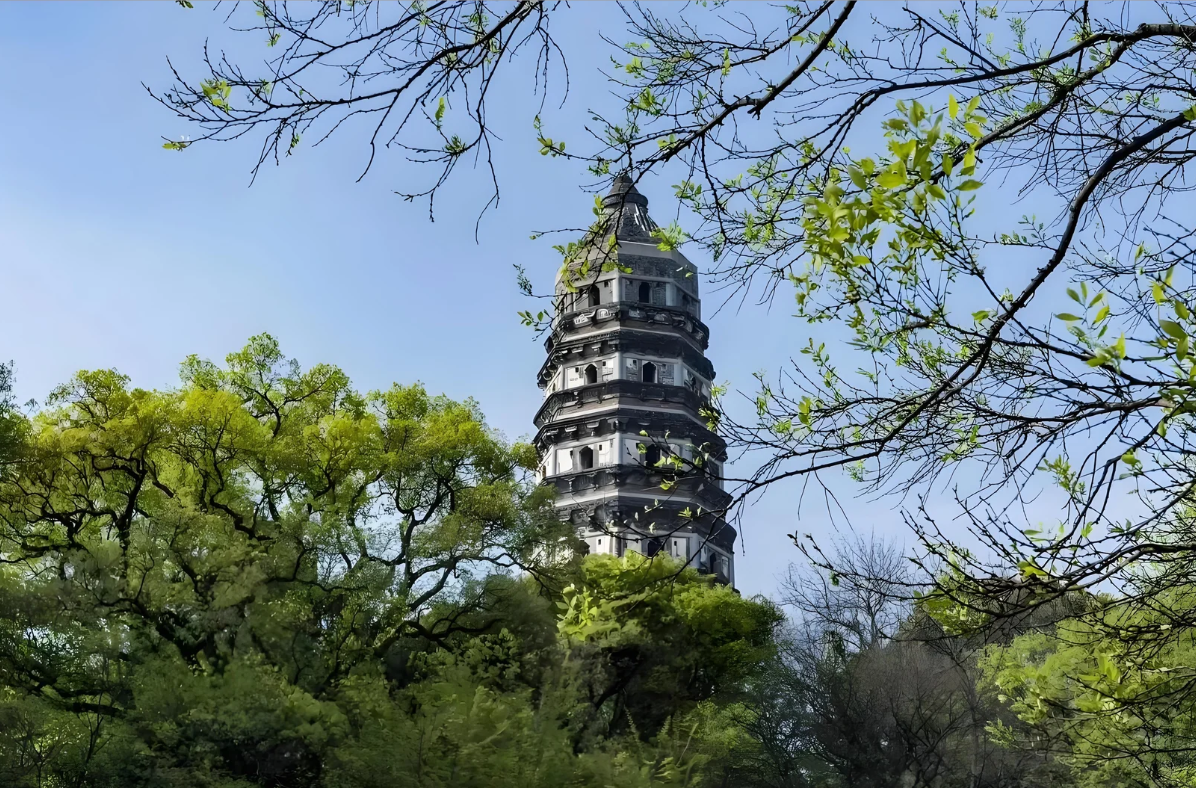
Honestly, I wanted to love Suzhou but it felt a bit underwhelming. The gardens are pretty, but after seeing a few they blur together, and the crowds made it hard to enjoy the quiet atmosphere you're supposed to feel. Also, tourist area restaurants seem to serve bland versions of local dishes. The Tiger Hill pagoda was interesting but not worth a half-day. Maybe my expectations were too high.
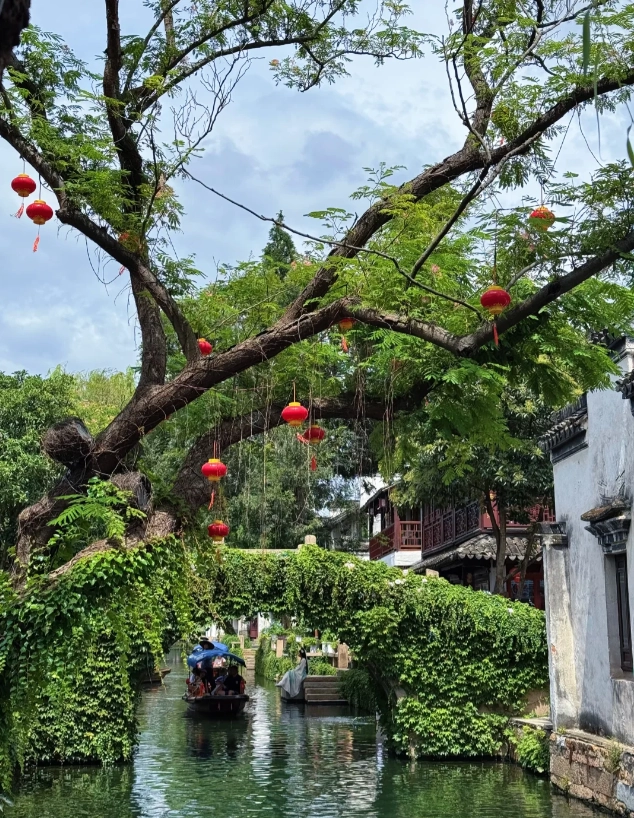
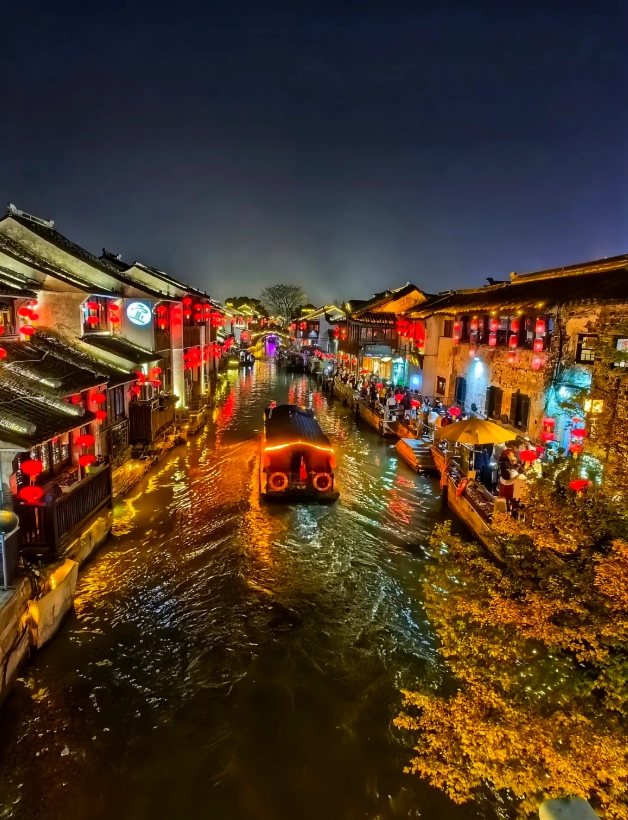
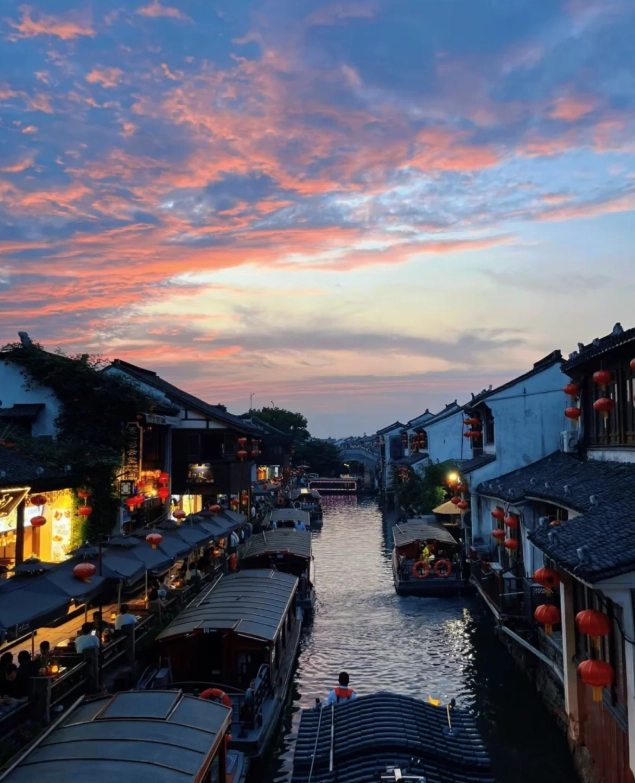
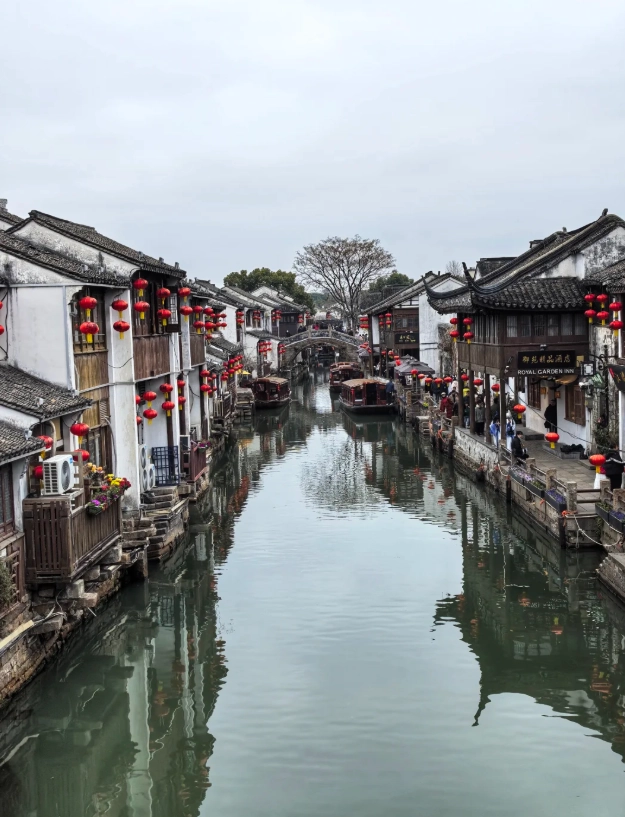
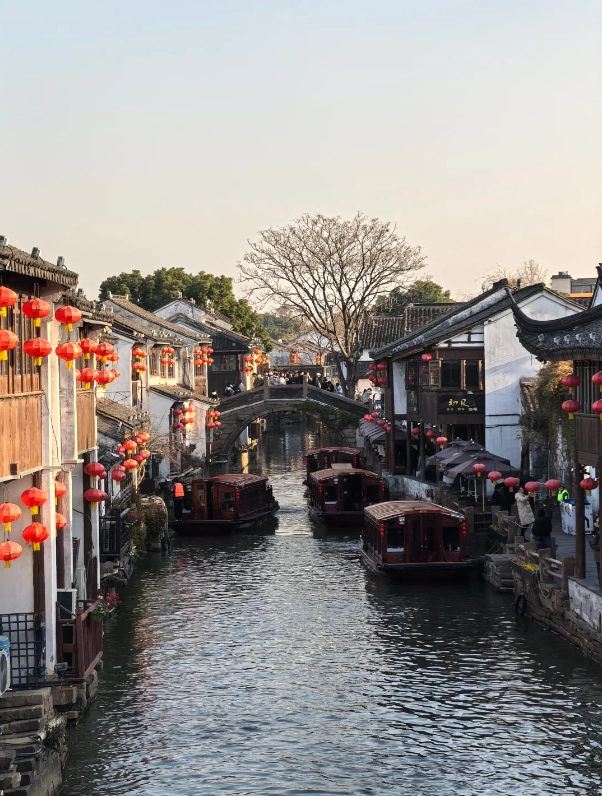
Great weekend getaway from Shanghai. The classical gardens are beautiful, but they get crowded fast—go right at opening. I really enjoyed the canal walk in Shantang Street at dusk, all the red lanterns reflecting on the water. Only downside: some taxi drivers didn't know my hotel and the map app struggled. Still a lovely city with great food.
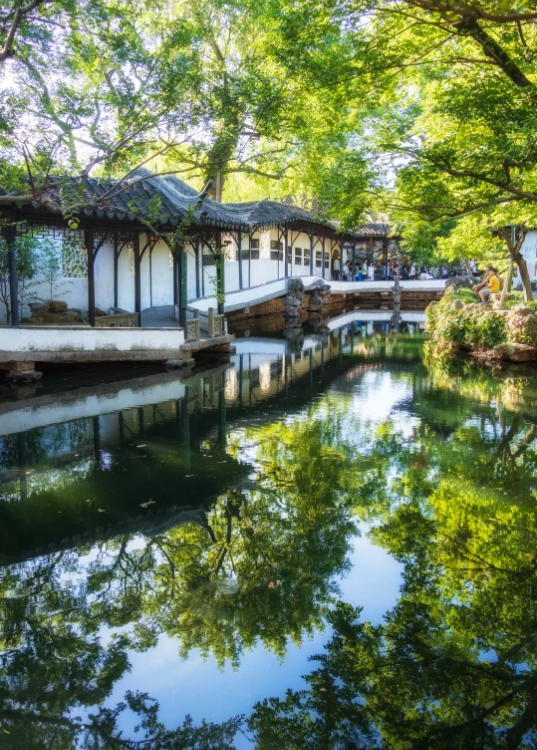
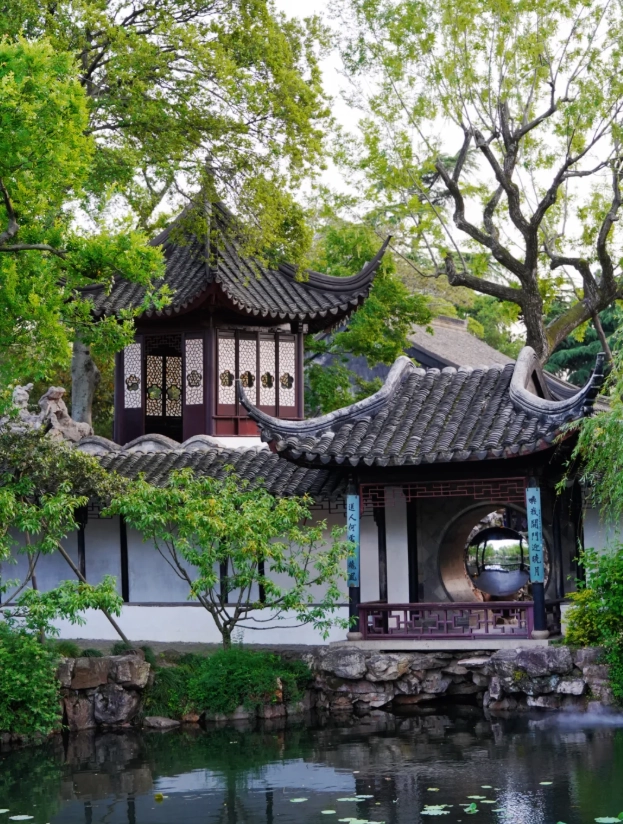
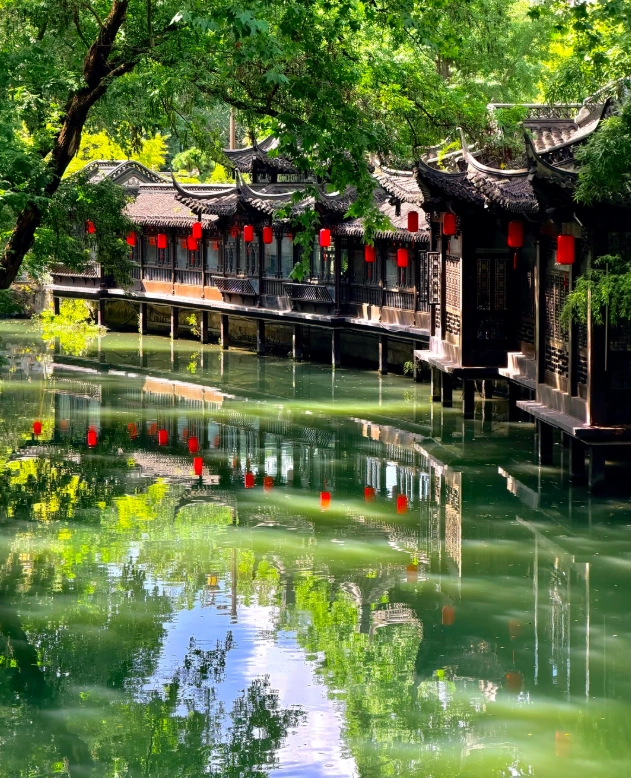
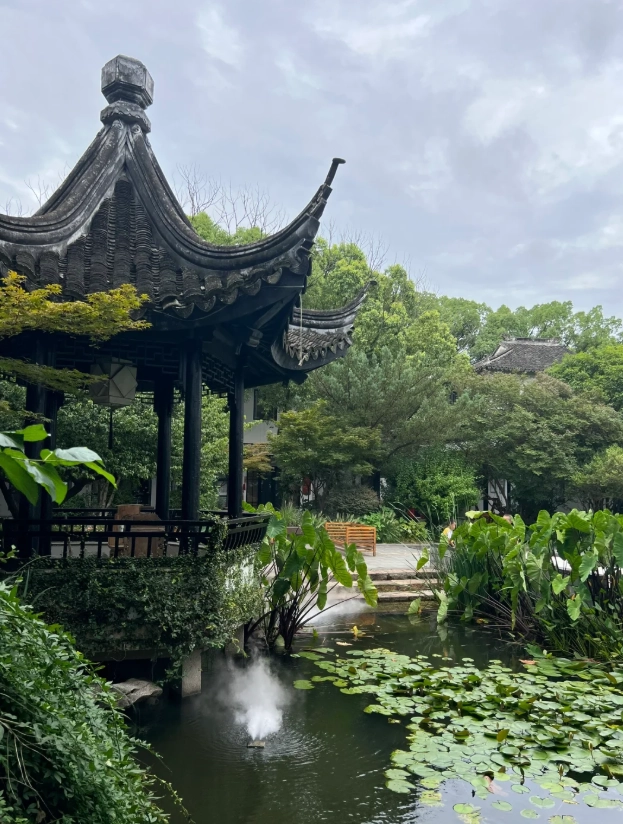
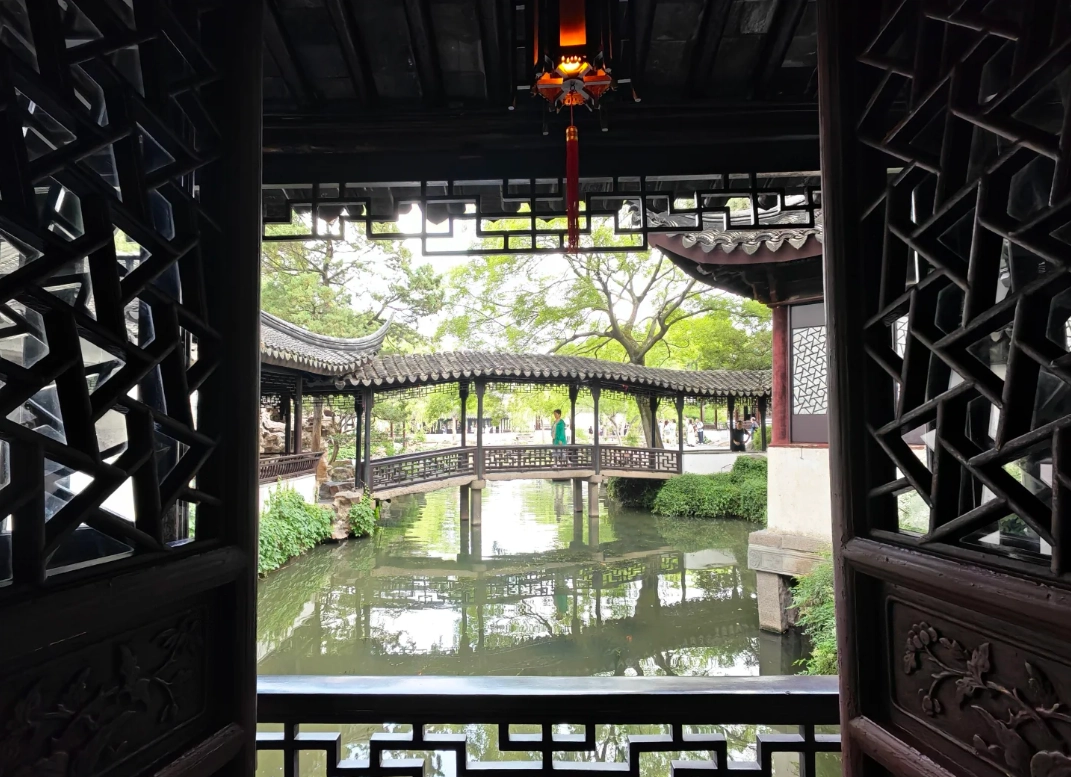
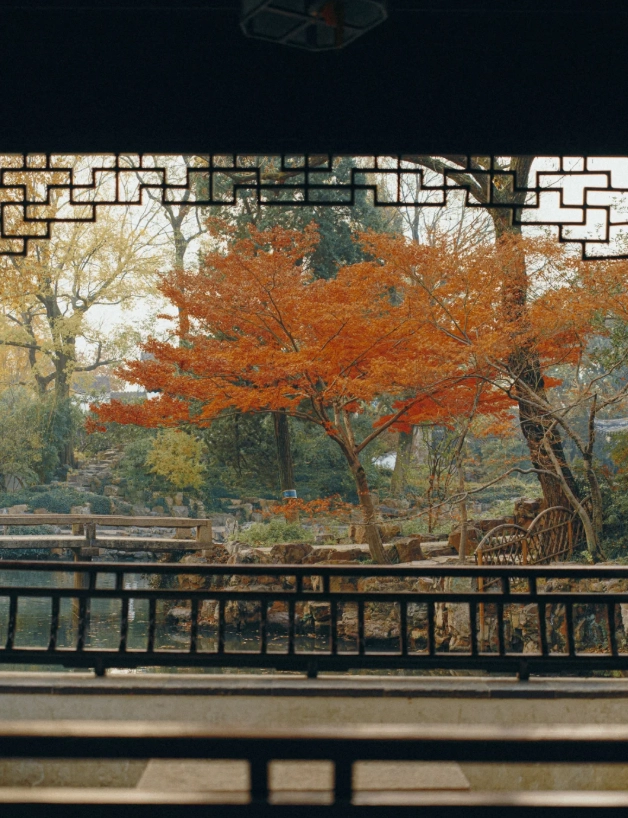
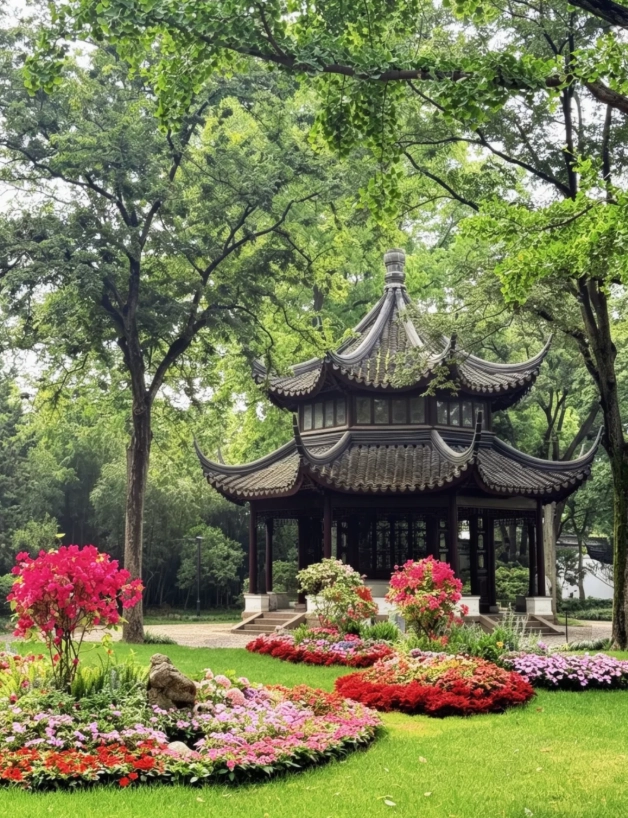
Suzhou completely exceeded my expectations. I spent a slow afternoon in the Humble Administrator's Garden and the rockeries and lotus ponds felt like a living ink painting. The way light filtered through the gingko trees was unreal. Also tried a tiny noodle shop near Pingjiang Road—the fried eel noodles were smoky and sweet. Already planning a return trip.
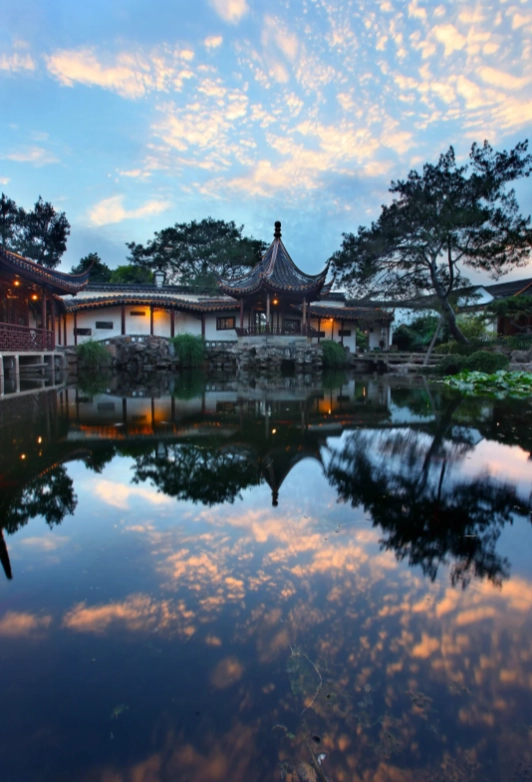
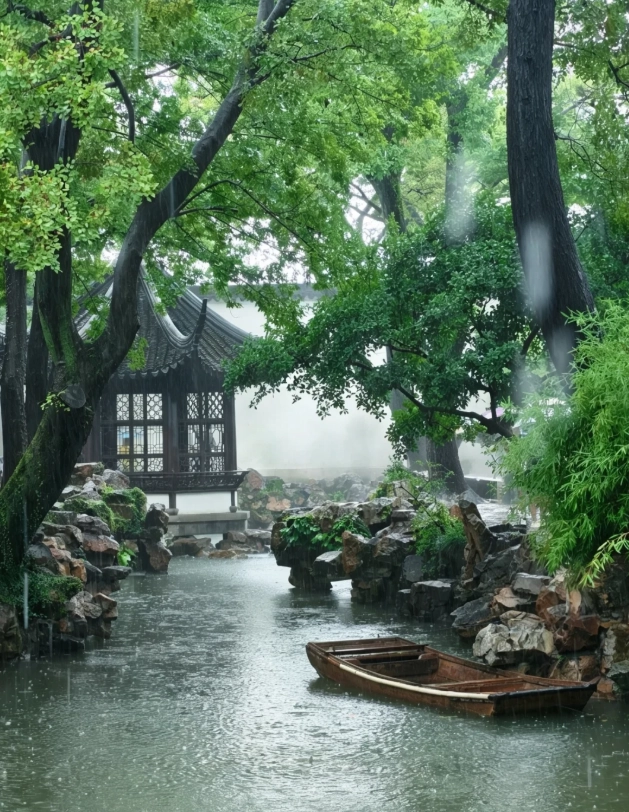
Suzhou exceeded all my expectations. From the moment I stepped into the Lingering Garden, I was transported into a living painting. The rockeries, the ponds, the quiet pavilions — every corner was a photo op. I also took a night cruise on the Grand Canal, which was surreal with the lanterns lit. This city is a hidden gem for anyone who loves culture and slow travel.
Leave a Review