 Ling Wu
Jump to the good stuff
- What is the visa-free transit policy?
- Who qualifies? (Yes, US citizens)
- Key requirements — don't miss these
- Step-by-step: How to actually do it
- Which cities & airports offer transit without visa?
- 144-hour vs 72-hour vs 24-hour: Pick wisely
- Common mistakes that get you denied
- Tips for a smooth transit experience
- Frequently Asked Questions
I’ve been guiding travelers through China’s visa maze for over a decade. And the number one question I get from Americans? “Do I really need a visa just to hop off the plane for a day?” Short answer: No — if you play by the transit rules. But here’s the catch: one wrong detail and you’ll be stuck at the airline counter, watching your connection fly away. Let me save you that headache.
This guide covers exactly what US citizens need to know about China’s visa-free transit — no fluff, just the rules, the traps, and the offbeat tips I’ve learned from watching hundreds of passengers breeze through (and a few get denied).
What is the visa-free transit policy?
China’s visa-free transit allows travelers from certain countries (including the US) to stay in designated cities for up to 24, 72, or 144 hours without a visa — but only if you’re transiting to a third country. That means you fly from Country A to China, then on to Country B. No round-trips, no hopping off to visit family. I’ve seen people try to use it for a break in a round-trip ticket — denied every time.
The policy is a lifesaver for layovers, especially on long-haul routes between North America and Asia. You can explore Shanghai for a weekend or grab Peking duck in Beijing between flights. But you must follow the rules exactly.
Who qualifies? (Yes, US citizens)
US citizens are on the approved list. But qualifying depends on:
- You hold a valid US passport with at least 6 months of validity.
- You have a confirmed onward ticket (paper or e-ticket) to a third country — not back to the US (that’s a round-trip, not transit).
- You arrive at and depart from one of the approved ports (see table below).
- Your stay does not exceed the maximum for that port (24/72/144 hours).
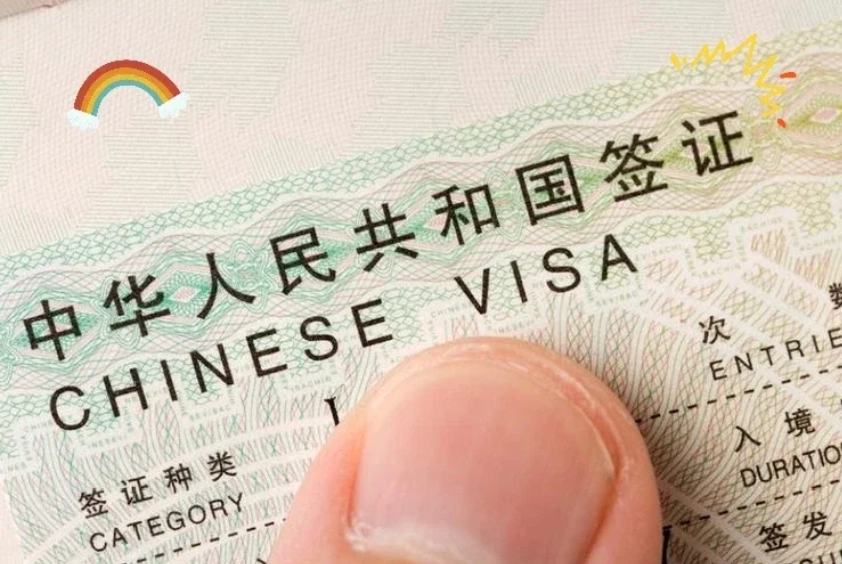
(I’ve personally seen an airline agent refuse boarding to a passenger with that exact round-trip itinerary. Don’t risk it.)
Key requirements — don't miss these
| Requirement | Details |
|---|---|
| Valid Passport | US passport with at least 6 months validity from date of entry into China. |
| Onward Ticket | Confirmed ticket to a third country (country different from origin and nationality). Printed e-ticket accepted. |
| Stay Duration | 24/72/144 hours depending on port. Overstay = fine and potential ban. |
| Port of Entry & Exit | Must arrive and depart from the same province (exceptions apply for 144-hour ports). See table. |
| Purpose | Transit only. No work, no study, no permanent stay. |
One tricky point: Some airlines will check your return ticket even if you’re not required to have one. I always tell my clients to carry a printed copy of their onward ticket and, if possible, a hotel reservation for the transit city (even if you don’t plan to stay). Officials often ask for a local address.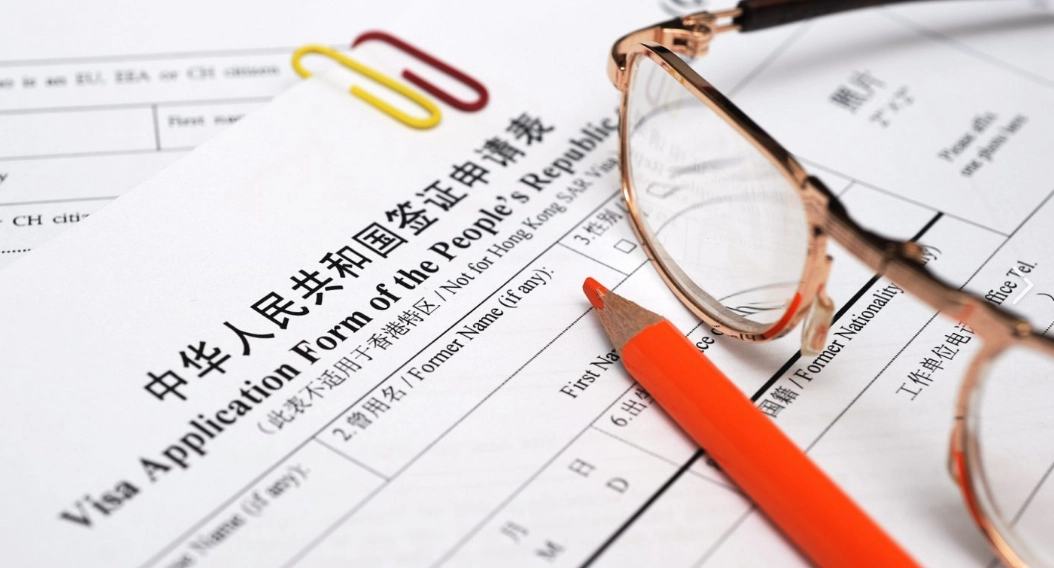
Step-by-step: How to actually do it
Booking your flights
Choose an itinerary that arrives and departs from approved ports. For example, Los Angeles → Shanghai (arrive), then Shanghai → Tokyo (depart) within 144 hours. Book both tickets separately or as a single booking — just ensure the onward flight departs from the same city or province (for 144-hour, you can exit from a different city within the same province, e.g., fly into Shanghai, depart from Nanjing).
Filling out the arrival card
On the plane, you’ll get an arrival card. Under “Visa type,” check “Transit” or write “Visa-free transit.” List the address of your hotel (if staying) or “in transit” if you plan to stay at the airport. I always recommend having a hotel booking even for a 24-hour layover — it looks more legitimate.
At immigration
Proceed to the “Transit” or “Visa-on-Arrival” counters (not the regular foreigner lines). Hand over your passport, onward ticket, and arrival card. The officer may ask for a hotel reservation and proof of funds. I’ve never seen a US citizen asked for bank statements, but be prepared to show a credit card.
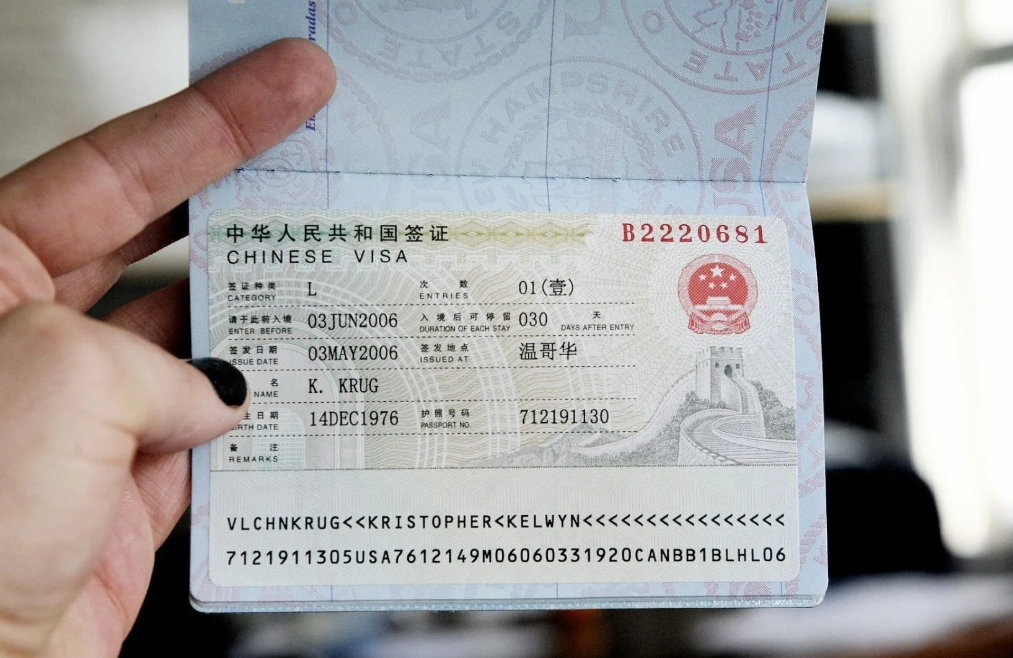
They will stamp your passport with a transit permit stating the allowed stay duration. Don’t lose that stamp! It’s your ticket out.
During your stay
You’re free to leave the airport and explore the metropolitan area (the port’s city and sometimes the whole province). For 144-hour, you can travel within the province but not to other provinces. I had a client who tried to take a bullet train from Shanghai to Beijing — he was stopped at the station because Beijing is outside the allowed zone.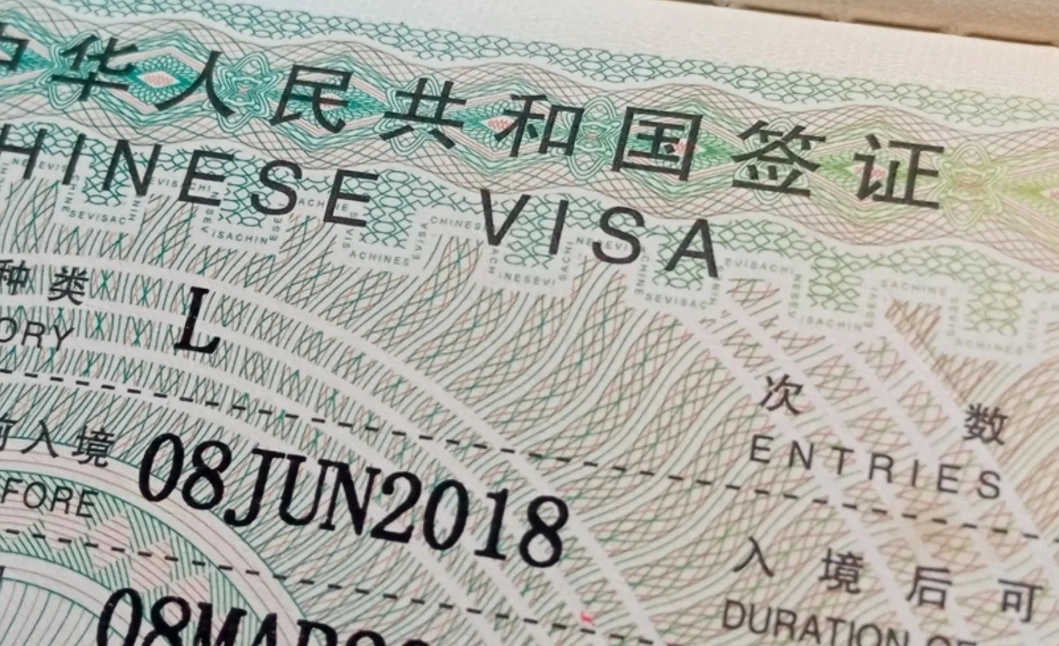
Which cities & airports offer transit without visa?
| City | Airport/Port | Max Stay | Allowed Area |
|---|---|---|---|
| Beijing | Beijing Capital (PEK), Beijing Daxing (PKX) | 144 hours | Beijing, Tianjin, Hebei |
| Shanghai | Shanghai Pudong (PVG), Shanghai Hongqiao (SHA) | 144 hours | Shanghai, Jiangsu, Zhejiang |
| Guangzhou | Guangzhou Baiyun (CAN) | 144 hours | Guangdong Province |
| Chengdu | Chengdu Tianfu (TFU), Chengdu Shuangliu (CTU) | 144 hours | Chengdu, Leshan, etc. (Sichuan) |
| Xi'an | Xi'an Xianyang (XIY) | 144 hours | Xi'an city |
| Kunming | Kunming Changshui (KMG) | 144 hours | Kunming city |
| Hangzhou | Hangzhou Xiaoshan (HGH) | 144 hours | Zhejiang Province |
| Chongqing | Chongqing Jiangbei (CKG) | 144 hours | Chongqing city |
| Other ports | Xiamen, Dalian, Tianjin, Qingdao, etc. | 72 hours | City only |
Note: The 24-hour transit policy applies at almost all Chinese airports, even those not listed above. You can stay in the transit area or exit the airport for up to 24 hours. But I rarely recommend it unless you have a very short layover because the exit process takes time.
144-hour vs 72-hour vs 24-hour: Pick wisely
144-hour (6 days) is the golden ticket. It’s available at most major hubs like Beijing, Shanghai, and Guangzhou. Perfect for a mini-trip. You can even take a domestic flight within the province to another city. For example, fly into Shanghai, spend a few days in Suzhou or Hangzhou, then depart from Shanghai again.
72-hour (3 days) used to be the standard, but many cities upgraded to 144. Still available at some smaller ports. 72 hours is tight but doable for a quick city tour.
24-hour (1 day) is essentially a long layover. You can exit the airport but must leave within 24 hours. Useful for red-eye connections where you want a quick shower and a decent meal outside. One tip: if your layover is less than 8 hours, it’s often not worth going through immigration — the line can be 45 minutes each way.
(And yes, I once had a client who accidentally booked a 72-hour port and had to rearrange everything — lost a nonrefundable hotel night.)
Common mistakes that get you denied
- Mistake #1: Round-trip ticket. You must fly China → Third Country. Even if you have a return to the US later, that first leg must be to a third country. Solution: Book a separate multi-city or one-way.
- Mistake #2: Leaving the allowed area. If you have a 144-hour transit for Shanghai, you cannot go to Beijing. The train station will not let you board without a valid visa. I’ve seen families stranded at the station.
- Mistake #3: Overstaying. The countdown starts at 00:00 the day after arrival? Actually, it’s from the time of entry. For 144-hour, you have exactly 144 hours from the immigration stamp. Don’t count in days — use hours. I recommend leaving at least 3 hours before the deadline to account for delays.
- Mistake #4: Not having a printed hotel address. Immigration officers often ask where you’ll stay. If you say “I don’t know,” they might suspect you’re planning to overstay. Always have a hotel reservation, even if you cancel it later.
- Mistake #5: Using Alipay without a Chinese bank card. I know this isn’t directly visa-related, but many Americans get stuck because they can’t pay for a taxi to a hotel. Bring some cash (RMB) or set up Alipay with an international card before you go. Apple Pay works at some places but not all.
Tips for a smooth transit experience
Payment & apps
Download Alipay and link your US credit card. It’s accepted almost everywhere. In Shanghai, even street vendors use it. WeChat Pay works too but is harder for foreigners to set up. For taxis, use DiDi (the ride-hailing app) with the English interface. If you can’t get the app, find the taxi line — but expect a language barrier. Have your hotel address written down in Chinese.
Navigation
Google Maps is unreliable in China. Use Apple Maps (which works surprisingly well) or Baidu Maps (but it’s mostly Chinese). For transit directions, I rely on Apple Maps — it has English names for subway stops.
Language
English is not widely spoken outside major hotels and airports. Download Google Translate offline (with Chinese package) or use Apple Translate. I also carry a small phrasebook — pulling it out often makes locals more willing to help.
VPN
If you need Google, Gmail, or any social media while in China, you must have a VPN installed before you arrive. Set it up while you’re still in the US. Many free VPNs don’t work; I use Astrill or ExpressVPN. Without a VPN, your US apps will time out.
Airport lounges
If you have a long layover but don’t want to exit, consider lounge access. Many lounges in PVG and PEK accept Priority Pass and provide showers. That can be a better option than risking the immigration line.
Frequently Asked Questions
Verified and fact-checked by the editorial team.







No comments yet.