 Yan Zhou
What's Inside
I still remember the first time I navigated a 144-hour visa-free stay in Shanghai with a group of travelers from Germany. They were anxious, clutching their passports, constantly checking Google Maps (which, as you'll find out, barely works here). But within an hour, we were sipping tea at a hidden garden tucked behind Yu Garden. That's the beauty of China's transit visa-free policy—it gives you a taste of the country without the hassle of a full visa. But it's also a minefield of rules if you don't know the ropes. Let me walk you through exactly how to make the most of your visa-free stay in China without tripping up. No fluff, just what you need.
Who Qualifies for the Visa-Free Stay China?
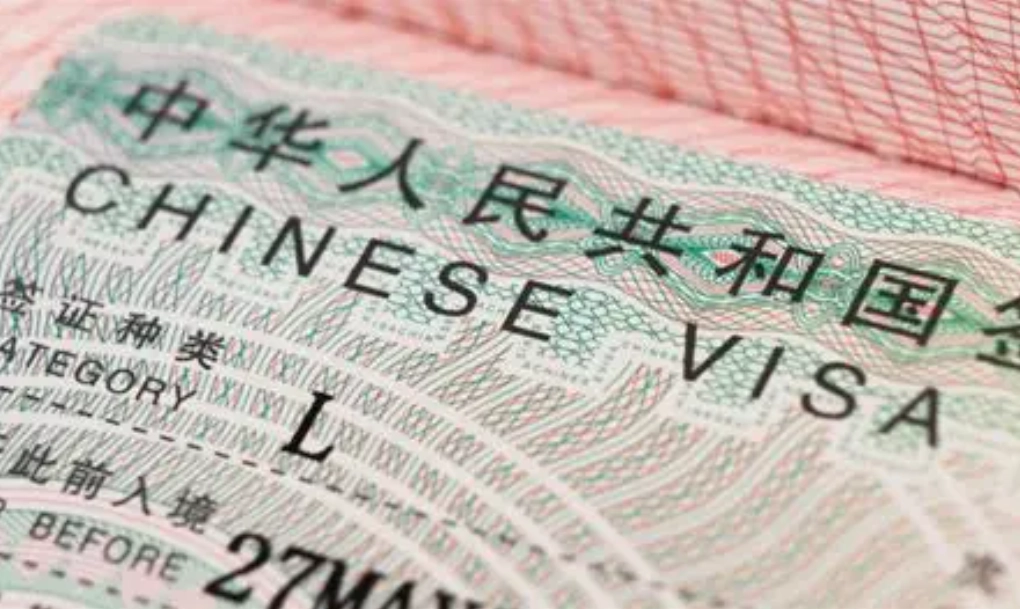
First, the basics. Not everyone gets this privilege. China offers three types of transit visa-free stays: 24-hour, 72-hour, and 144-hour. The 24-hour is available at almost any international airport—you can transit without a visa as long as you stay in the airport transit area. But for the 72-hour and 144-hour policies, you must be from one of the eligible countries (list includes US, UK, Canada, Australia, most EU nations, and many others). You also need a confirmed onward ticket to a third country (not the same you flew from) within the time limit, and you must enter and exit through designated ports.
Here's a table summarizing the key differences for the 72-hour and 144-hour policies:
| Policy | Maximum Stay | Accessible Regions | Required Documents |
|---|---|---|---|
| 72-hour Transit Visa-Free | 72 hours (3 days) | Limited to specific cities (e.g., Beijing, Shanghai, Guangzhou, Chengdu) | Valid passport, onward ticket to a third country |
| 144-hour Transit Visa-Free | 144 hours (6 days) | Broader region: e.g., Shanghai (entire Yangtze River Delta area), Beijing-Tianjin-Hebei, Guangdong province | Valid passport, onward ticket to a third country, must stay within designated region |
How to Use the 24/72/144-Hour Transit Policy
Now, let's talk execution. I've helped dozens of tourists get through immigration without a hitch. Here's the step-by-step:
Step 1: Check Eligibility at Your Arrival Airport
Not all airports support all policies. For instance, if you fly into Beijing Capital Airport (PEK) or Beijing Daxing (PKX), you can use 144-hour transit visa-free for the Beijing-Tianjin-Hebei area. But if you land at Shenzhen, you're limited to 72-hour Guangdong transit. Always check China's National Immigration Administration website or call your airline. I always tell my clients: "Confirm with the airline before you board—they sometimes deny boarding if they think you don't meet the rules."
Step 2: Prepare Your Documents
You need:
- A valid passport with at least 6 months remaining.
- An onward ticket (printed or digital) to a third country within the allowed window. This ticket must be for a flight or train that leaves the Chinese mainland (e.g., Shanghai to Hong Kong counts as a third region, but mainland to Hong Kong is not considered a third country; actually, for the policy, Hong Kong, Macau, and Taiwan are considered separate customs territories, so they qualify as a third destination).
- If you're staying in a hotel, your hotel booking confirmation or itinerary (the officer may ask).
Step 3: Fill Out the Arrival Card Correctly
On the flight, you'll receive an arrival card. Mark 'Transit' and write down your onward flight number. I've seen people accidentally tick 'Other' and end up in secondary inspection for 30 minutes. Avoid that.
Step 4: Follow the Transit Signs
In major airports like Shanghai Pudong, there are clear signs for 'Transit Without Visa' (TWV) counters. If you don't see one, and the line seems long, ask an airport staff: "I'm on transit visa-free" — they'll direct you. Do not go to the regular tourist visa line.
Top Destinations for a Short Visa-Free Trip
With 72 or 144 hours, you can't see all of China. But you can experience a city deeply. Here are my top picks based on where the policy is easiest and what you can cram into a few days.
Shanghai (144-hour policy, covers the entire Yangtze River Delta)
Shanghai is the easiest for first-timers. You can stay up to 6 days and travel around Shanghai, plus nearby cities like Suzhou, Hangzhou, and Nanjing (within the delta region). My personal itinerary for a 4-day visa-free stopover:
- Day 1: Arrive, check into a hotel near People's Square. Walk the Bund at sunset—it's free. Then head to Nanjing Road for street food.
- Day 2: Morning at Yu Garden (tickets about ¥40, prebook on Trip.com). After lunch, head to the French Concession for café hopping. Avoid the touristy spots; instead, wander the backstreets near Wukang Road.
- Day 3: Take a 30-minute high-speed train to Suzhou to see classical gardens (like the Humble Administrator's Garden). Come back for evening acrobatics show at Shanghai Circus World.
- Day 4: Visit the Shanghai Museum (free, but require reservation via WeChat mini-program—tough for foreigners. Alternative: use the English interface on official website or ask your hotel concierge). Fly out in the evening.
Payment note: Almost no place accepts cash. Set up Alipay or WeChat Pay with your international card before arrival. Taxis require Alipay, though Didi app can link to Alipay. Apple Maps works for navigation (Google Maps is blocked).
Beijing (144-hour policy for Beijing-Tianjin-Hebei)
Beijing's policy allows you to explore the capital and its region. But timing is tight if you want to see the Great Wall—it's 2 hours drive away. Here's a realistic plan if you have 3 days (72 hours):
- Day 1: Forbidden City (reserve at least 10 days in advance on dpm.org.cn; foreigners need passport number). Spend 3 hours. After, climb Jingshan Park for a panoramic view.
- Day 2: Great Wall at Mutianyu (less crowded; take a Didi for about ¥600 round trip from central Beijing). Leave by 7 AM to avoid traffic. If tired, swap for Temple of Heaven.
- Day 3: Summer Palace & Wangfujing snack street. Fly out.
Guangzhou (72-hour policy for Guangdong province)
Guangzhou is great for foodies. The policy is 72 hours only (unless you transit through Shenzhen which also has 72 hours). Don't miss dim sum at Dian Dou De (address: No. 5, Huifu East Road). Cash? They prefer WeChat Pay. But many places accept international credit cards at hotels and big malls.
Essential Tips for a Smooth Entry
Here are the insider tricks that most online guides skip.
- VPN is mandatory. China blocks Google, Facebook, Instagram, WhatsApp, and many websites. Install a reputable VPN (like ExpressVPN or NordVPN) on your phone before you land. Otherwise, you'll be stuck without maps or social media.
- Download WeChat and Alipay. Link your international credit card (Visa/Mastercard) to Alipay before arrival. I suggest doing it at home because the setup requires SMS verification which may not work on China networks. Once done, you can pay nearly everywhere by scanning QR codes. For taxis, use Didi inside Alipay.
- Carry some cash as backup. In case your phone dies or QR codes fail. Only RMB is accepted. Exchange at airport banks (not at hotel counters, their rates are poor).
- Print your itinerary. Have a printed copy of your onward ticket, hotel reservation, and passport data page. Chinese immigration officers sometimes ask to see them.
- Language barrier. Most Chinese don't speak English. Use Apple Translate or Google Translate (with VPN) for simple phrases. Also, download the offline Chinese language pack on Google Translate before departure.
Common Mistakes to Avoid During Your Stay
I've seen travelers fall into these traps time and again. Save yourself the headache.
- Mistake 1: Leaving the designated region. If you have 144-hour Shanghai transit, you cannot take a flight to Beijing without checking out first. You must stay within the Yangtze River Delta unless you formally exit the mainland. A friend tried to take a high-speed train to Nanjing (within delta) which is allowed, but then took a bus to Anhui—outside the delta—and got a fine when leaving.
- Mistake 2: Overstaying by even an hour. The immigration officers are strict. Overstay penalties range from ¥500 per day to detention and a ban. Set an alarm 6 hours before your departure time.
- Mistake 3: Using Google Maps. It doesn't work inside China. Use Apple Maps (works decently) or Amap (Chinese only). For public transit, I recommend the 'Citymapper' app if you're in Shanghai or Beijing—it's English-friendly.
- Mistake 4: Expecting to book everything at the door. Major attractions like the Forbidden City or Shanghai Museum require reservation days in advance. Use Trip.com (English) or Klook for booking; they accept foreign credit cards. Do not rely on WeChat mini-programs if you don't read Chinese.
- Mistake 5: Thinking you can rent a car. Foreign driving licenses are not valid in mainland China. You cannot rent a car. Only use taxis, Didi, or trains.
FAQs
This content has been fact-checked to ensure informational precision.







No comments yet.