.jpeg) Prof. Jian Chen
Prof. Jian Chen
Quick Look
I’ve lost count of how many times I’ve watched a tourist stare blankly at a Bank of China ATM, passport in hand, sweat dripping. The machine beeps, spits the card out, and they’re stuck with no cash. It doesn’t have to be that way. Let me walk you through the real deal — the stuff no official page tells you.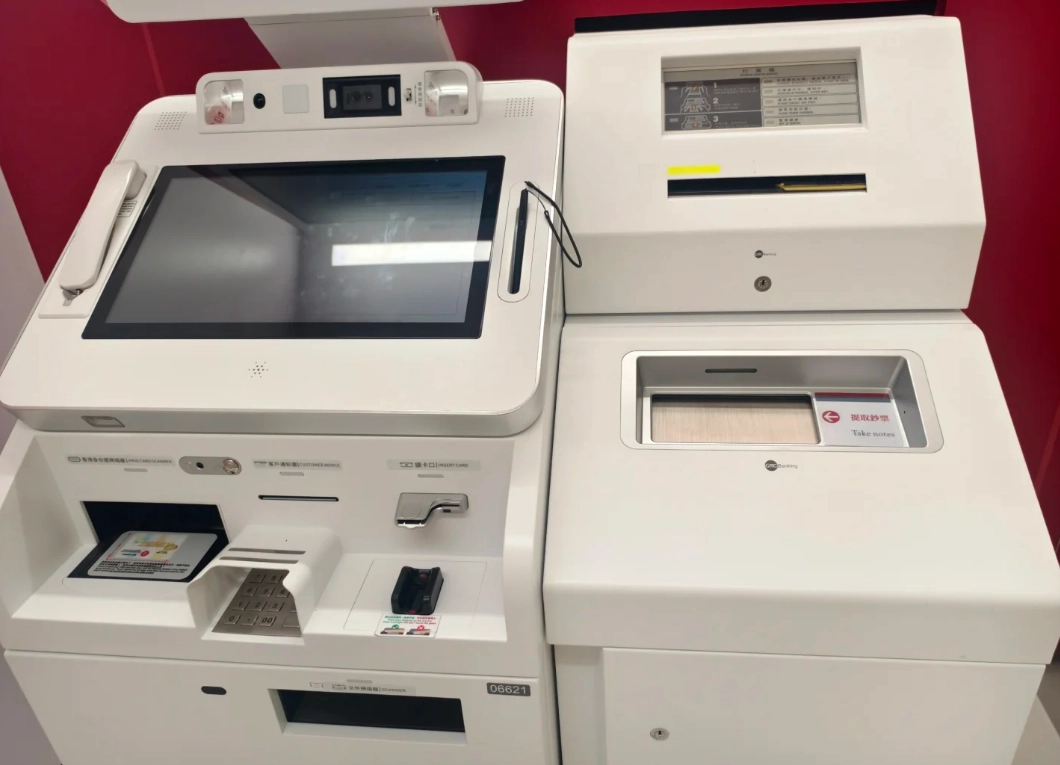
What’s the Deal with Bank of China ATMs?
Bank of China (BOC) is your best bet for foreign card withdrawals. They have the most English-friendly interface and the highest success rate with non-Chinese cards. But even BOC has quirks.
Key points:
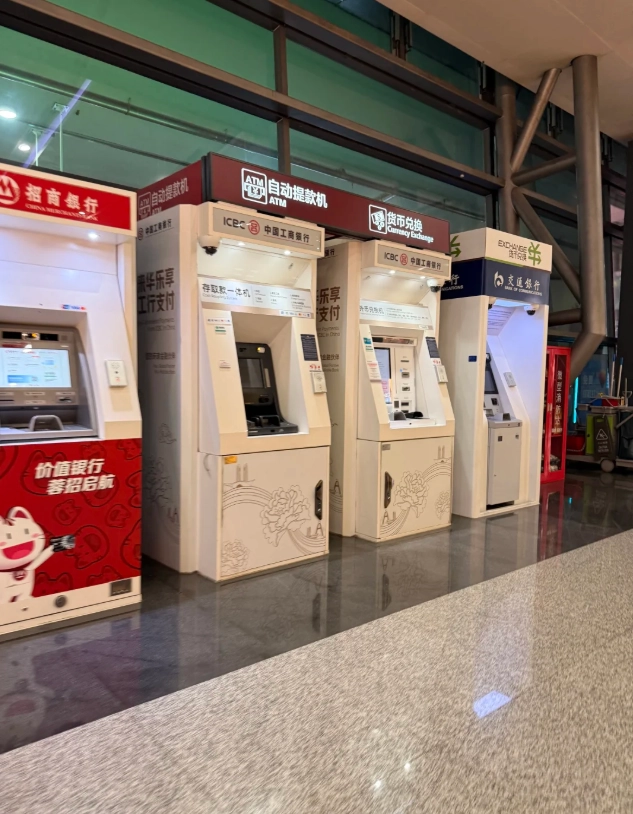
- Look for ATMs inside bank branches or major transport hubs. Standalone machines on the street sometimes run out of cash.
- Most BOC ATMs accept Visa, Mastercard, and UnionPay. American Express is hit-or-miss.
- You must have a chip-enabled card. Magnetic stripe only? Forget it – the machine won’t even read it.
Fees & Withdrawal Limits
Here’s the part that stings. Bank of China charges a flat fee of 12 RMB per withdrawal (international card). Your home bank will add its own fee (usually $3–$5). Plus, a currency conversion fee of 1–3%.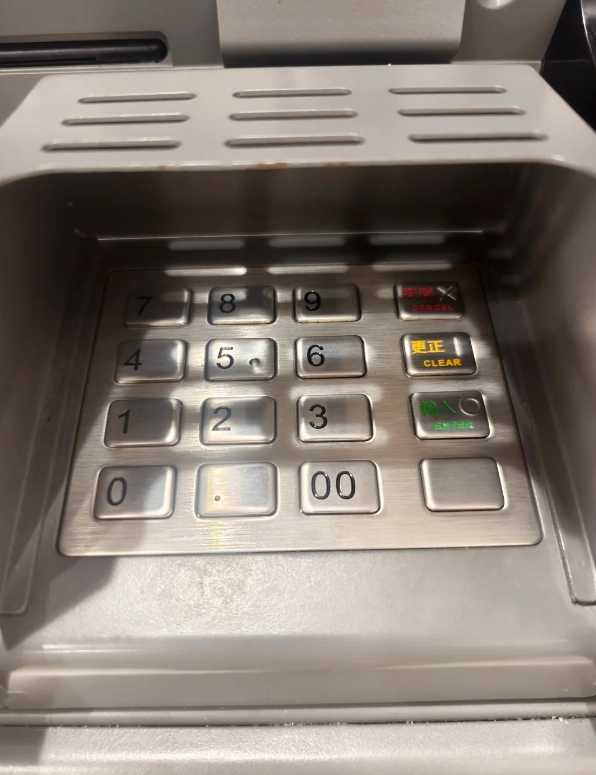
Withdrawal limits:
| Card Type | Per Transaction | Daily Limit |
|---|---|---|
| Visa / Mastercard | 3,000 RMB | 10,000 RMB |
| UnionPay (foreign) | 5,000 RMB | 20,000 RMB |
| American Express | 2,000 RMB | 6,000 RMB |
Pro tip: Withdraw the maximum per transaction to minimize flat fees. But check your home bank’s cap — some limit you to $300 per day.
Step-by-Step: How to Withdraw
I always tell my clients: follow this exact order, or you’ll get rejected.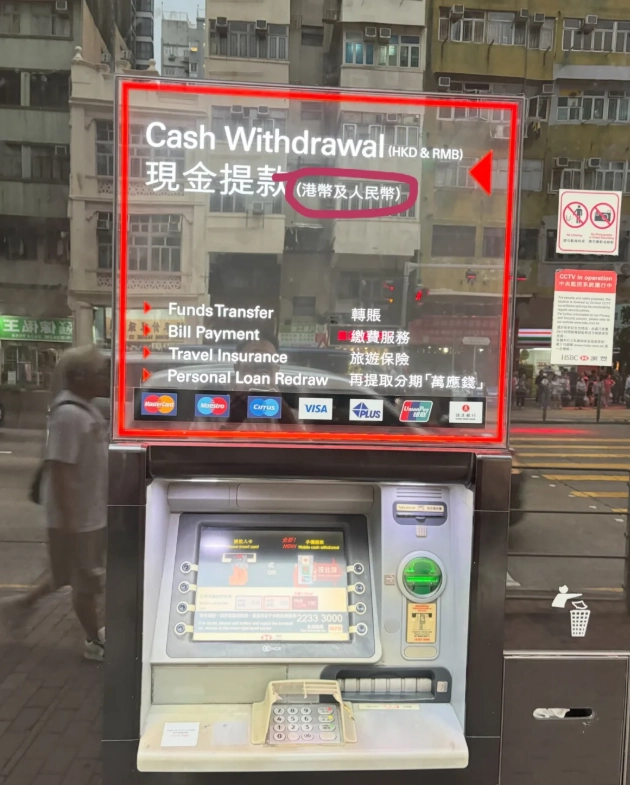
- Insert card — chip facing up, gold side towards you.
- Select language — English is available, but it’s buried. Look for “English” at the top right corner of the screen. If you don’t see it, press the “中文” button and then look for a British flag icon on the next screen.
- Enter PIN — your 4-digit PIN. If your card uses 6 digits, try the first 4. Some ATMs will ask “Savings or Credit?” Always choose Savings if prompted.
- Choose amount — the machine offers preset amounts like 500, 1000, 2000. Custom amounts are possible but often buggy. Stick to presets.
- Take cash first — the machine will dispense cash, then your card. Many people grab the card and walk away leaving the cash behind. Don’t be that person.
- Get receipt — tap “Yes” for a receipt. It helps if there’s a dispute.
Which Cards Actually Work?
Not all cards are equal. I’ve seen these work flawlessly:
- Charles Schwab Visa — no foreign fees, refunds ATM fees. Best choice.
- Revolut / Wise — good exchange rates, but sometimes BOC rejects them due to “card type not supported.”
- Major bank cards (Chase, Barclays, HSBC) — work fine but charge fees.
Cards that fail often:
- Prepaid travel cards (e.g., Travelex) — BOC machines sometimes can’t read them.
- American Express — only works in about 30% of BOC ATMs.
- Debit cards without a chip — instant rejection.
Common Pitfalls (And How to Dodge Them)
Here’s where my guide beats the generic advice. I’ve seen these screwups countless times.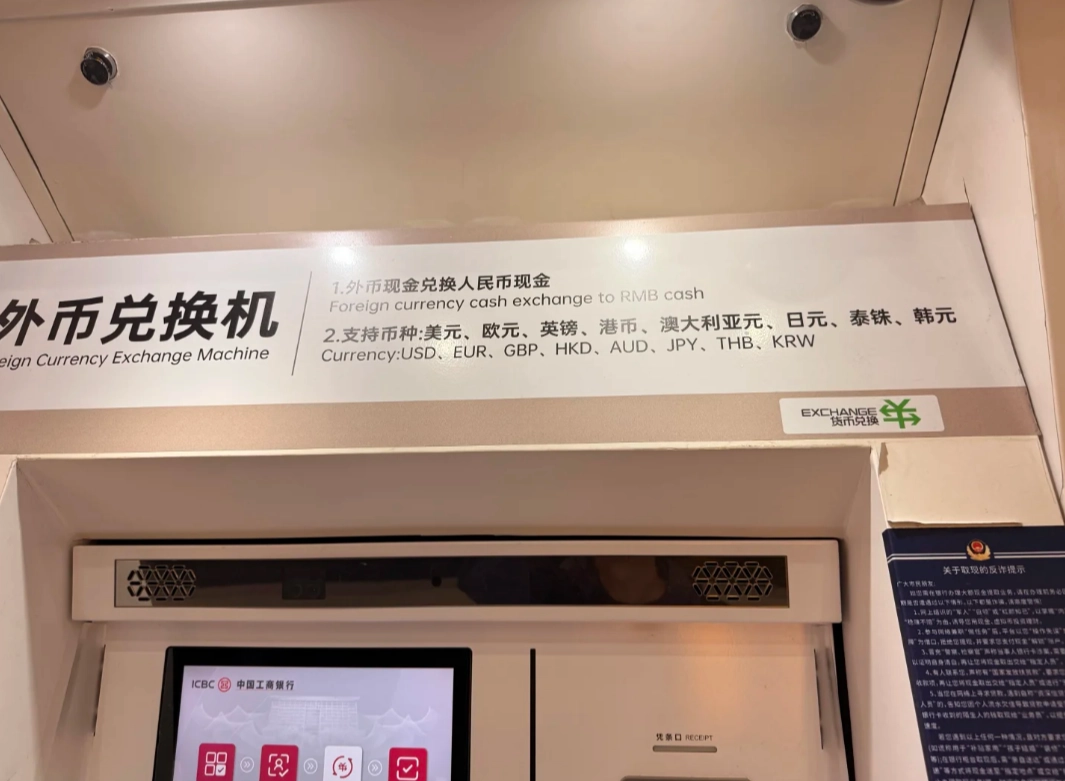
1. Using Google Maps to find an ATM. Google Maps is blocked and inaccurate. Use Baidu Maps (you can type “Bank of China ATM” in English, it shows results). Better yet, ask a hotel staff to write down the nearest BOC branch address in Chinese. Show that to a taxi driver.
2. Not carrying a backup card. I always carry two cards: one Visa, one Mastercard. If the Visa gets rejected, the Mastercard usually works.
3. Forgetting your passport. Wait, you don’t need it for the ATM. But if the machine eats your card (happens), you’ll need your passport to get it back from the bank. Always have it with you when withdrawing.
4. Ignoring the time. BOC ATMs inside branches are only accessible during branch hours (typically 9:00–17:00). Outside those hours, use the 24-hour self-service zone — but those ATMs run out of cash more often.
5. Assuming the machine gives small bills. Most BOC ATMs only dispense 100 RMB notes. That’s fine for most purchases, but taxis hate them. Break a 100 at a convenience store by buying a water.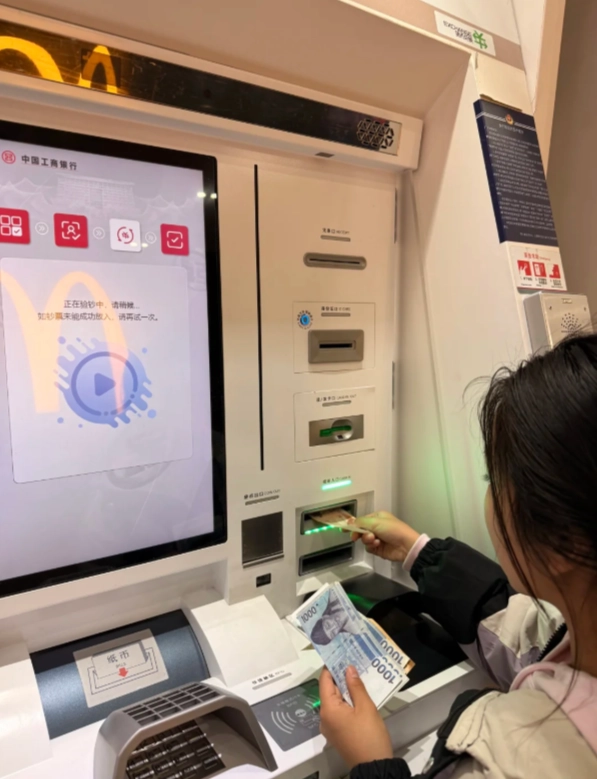
FAQ: Your Burning Questions
Verified and fact-checked by the editorial team.








No comments yet.