 Hui Lin
Quick Navigation
I have been guiding travelers through China's visa maze for years, and the number one question I get is always: "How long does it take?" Then come the follow-ups about rush fees, lost passports, and endless waiting. Let me save you the stress with the real deal.
Here's the thing: China visa processing time can vary wildly depending on where you apply, the season, and how perfect your documents are. I have seen someone get a visa in 2 days (yes, with the right connections), and I have seen applications stuck for 3 weeks due to a single missing signature. This guide will walk you through everything so you can plan your trip without the nail-biting.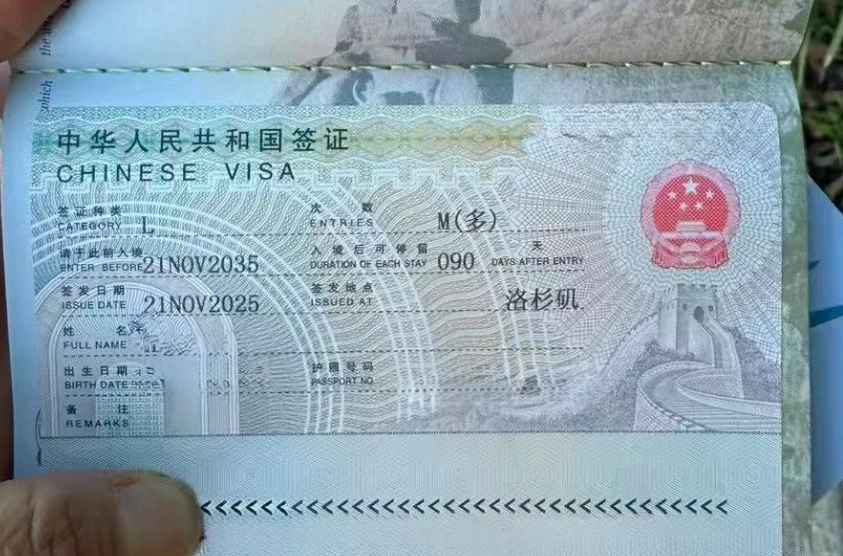
Bottom line: For most tourists, plan on 4 to 7 business days for standard processing. But if you are in a rush, expedited options can cut that to 2–3 days. Keep reading for the exact breakdowns and my personal tricks to avoid delays.
How Long Does China Visa Processing Really Take?
China visa processing time depends on your visa type and where you submit. The standard processing for a tourist visa (L visa) through the Chinese Visa Application Service Center (CVASC) is 4 business days. But it can stretch to 7 or more during peak seasons (like summer or Chinese New Year).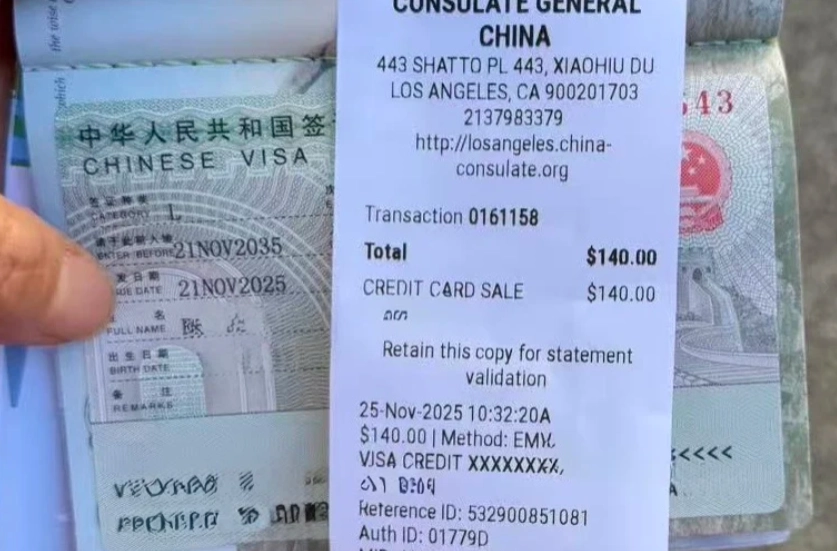
| Visa Type | Standard Processing (Business Days) | Expedited Processing (Business Days) |
|---|---|---|
| Tourist (L) | 4–7 | 2–3 |
| Business (M) | 4–7 | 2–3 |
| Student (X1/X2) | 7–10 | 3–5 (sometimes not available) |
| Work (Z) | 10–15 | 5–7 (only in emergencies) |
My tip: Always count business days only. Weekends and Chinese public holidays do not count. If you apply on a Friday, the 4-day clock starts Monday. And during Golden Week (first week of October), everything shuts down. I have had travelers panic because they didn't factor that in.
Factors That Affect Your China Visa Processing Time
Not all applications are equal. Here are the sneaky things that can slow things down:
- Document completeness: One missing signature or a blurry passport copy can pause your processing instantly. The CVASC won't call you; they'll just hold it until you figure it out.
- Peak seasons: April–June and September–October are crazy. Processing times can double. I always tell my clients to apply at least a month in advance during these months.
- Consulate workload: The embassy in Washington D.C. or the consulate in San Francisco might have different queues. Smaller consulates can be faster.
- Background checks: If your nationality requires additional clearance (e.g., some African or Middle Eastern countries), expect an extra 5–10 days.
Here is the catch: You cannot track progress in real-time. The online status often updates only once: when it's ready for pickup. So don't refresh every hour. Instead, call the CVASC after the standard processing days have passed.
Standard vs. Expedited Processing: Which One Should You Choose?
Expedited processing (often called "rush" or "urgent") costs extra—typically $20–$50 extra depending on the country. But is it worth it?
When to choose expedited:
- You have a flight departing in less than 10 business days.
- You need the visa for a last-minute business meeting.
- It's peak season and you can't wait.
When standard is fine:
- You are applying 3–4 weeks before travel.
- Your documents are perfect and you have a backup plan.
I personally recommend standard processing for most people. Expedited doesn't mean same-day; it still takes 2–3 days. And if there's a mistake, expedited won't save you—they'll still reject it and you'll have to reapply standard.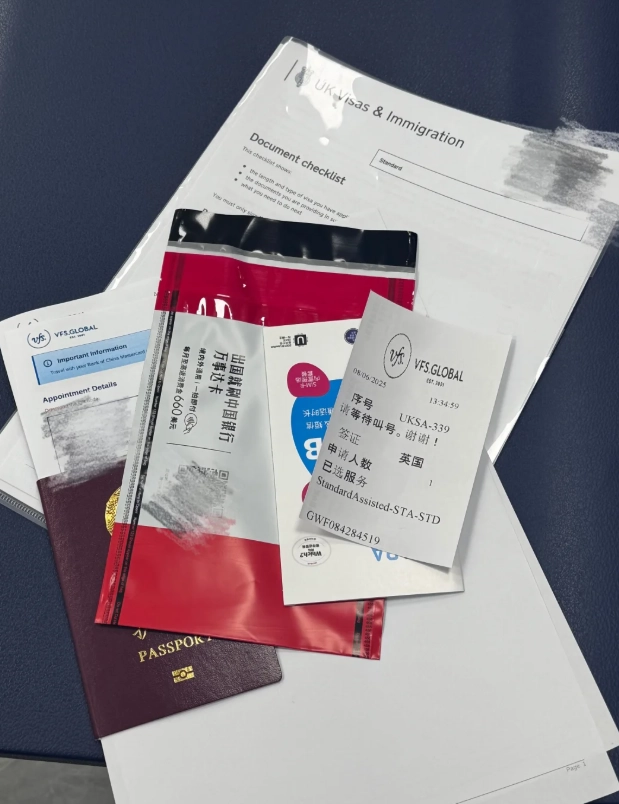
How to Check Your China Visa Application Status
Once you submit, you receive a receipt with an application number. You can check status on the CVASC website (specific to your country). But again, it won't show detailed steps—just "Processing" or "Ready."
If you applied directly at the embassy (rare now), status checks are even more limited. My advice: Wait the full standard period, then call or email the center. Be polite—the staff is swamped. Mention your application number and ask politely if it's ready.
I have a personal rule: Don't book non-refundable flights until you have the visa in hand. I have seen too many people lose money because of unexpected delays.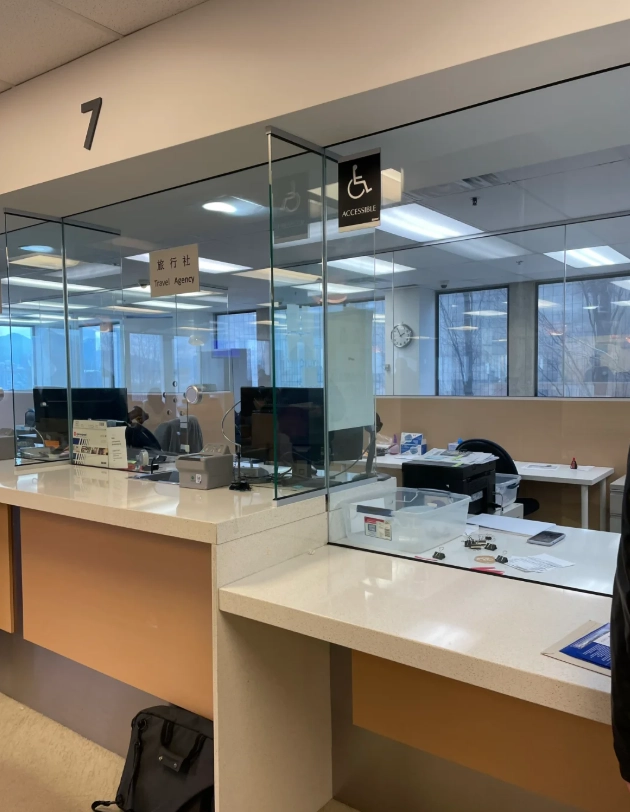
Common Mistakes That Delay China Visa Processing
Over the years, I have collected real horror stories. Here are the top mistakes that slow you down:
- Using an outdated form: The visa application form changes every few months. Always download from the official CVASC website.
- Wrong photo size: The required dimensions are 48mm x 33mm, with specific face size and background. I have seen passport photos rejected because the ears were slightly covered.
- Incorrect invitation letter: For M visas, the invitation letter must have a specific format, including the host's official stamp. A generic letter from a contact won't work.
- Missing signature: All signatures must match your passport signature. And you must sign exactly where indicated—not on the margin.
- Paying the wrong fee: Fees vary by nationality and number of entries. Double-check on the CVASC site; underpayment means they hold your application until you pay the difference.
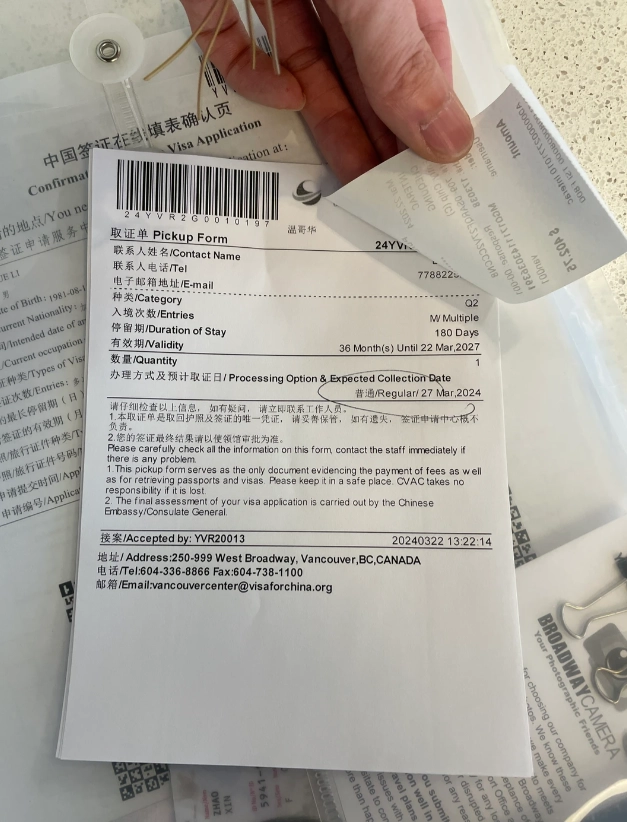
My insider tip: Print your application form, scan it, and email it to yourself before submitting. That way, if it gets lost, you have proof of what you submitted. I have helped three clients recover their applications this way.







No comments yet.