 Yan Zhou
What’s Inside
Last month, a couple from Germany showed up at Shanghai Pudong with a 240-hour transit permit printed from some blog. They thought they could hop out, explore Suzhou for three days, then fly back home. Immigration officer took one look, shook his head, and told them they violated the regional restriction. They had to buy a new ticket and their whole plan collapsed.
This happens all the time. The 240-hour transit China 60 ports policy is generous, but it's also littered with traps. I've been guiding in China for over a decade, and I've seen too many travelers get burned by the same small details. So here's the real deal—how to use this visa-free policy without getting stuck at the border.
What Exactly Is the 240-Hour Transit Policy?
China allows citizens from 54 countries (including US, UK, Canada, Australia, most EU nations) to transit without a visa for up to 240 hours—that's 10 days. The catch? You must be traveling from one country to a third country via China, and you must stay within specific administrative regions. It's not a free pass to wander anywhere in China.
And here's something most guides miss: You cannot use this policy if you're flying from China back to your home country directly. It must be a transit—A to China to B, where A and B are different countries. Hong Kong, Macau, and Taiwan count as separate regions, so flying from London to Beijing to Hong Kong qualifies.
Which 60 Ports Can You Use?
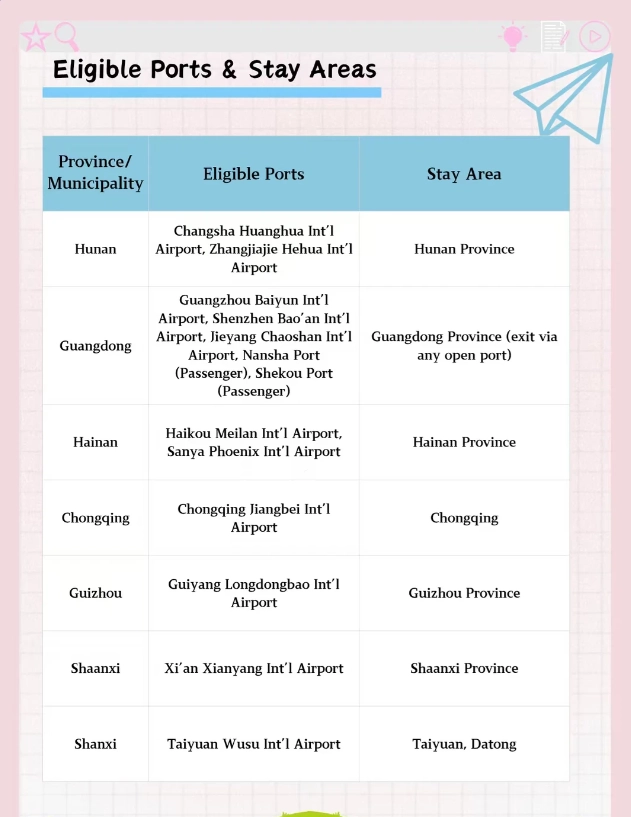
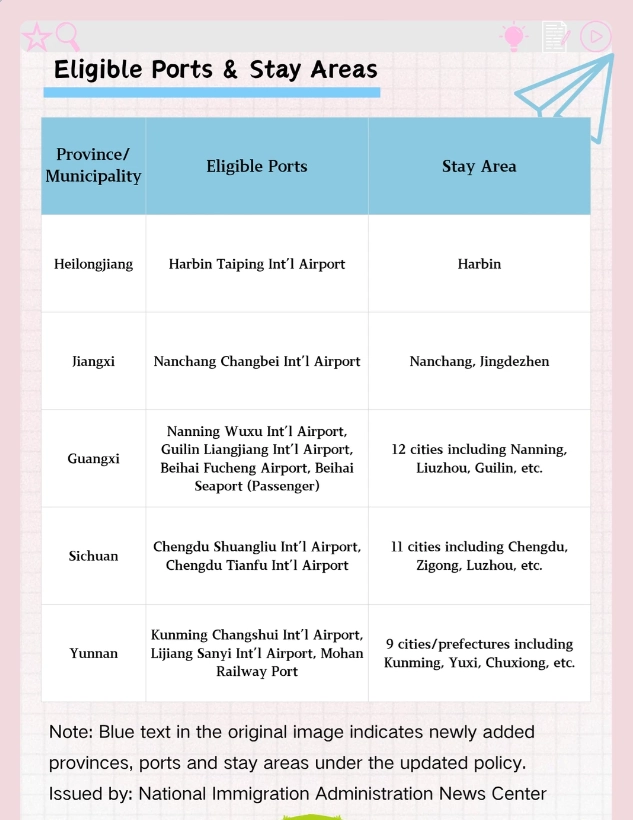
Not all ports are created equal. The 60 ports include major airports, seaports, and land crossings, but each has its own allowed area. Here's a breakdown of the most popular ones:
| Port City | Allowed Region | Notes |
|---|---|---|
| Shanghai (PVG/SHA) | Shanghai, Jiangsu, Zhejiang (3 provinces) | Most flexible; includes Suzhou, Hangzhou, Nanjing |
| Beijing (PEK/PKX) | Beijing, Tianjin, Hebei | Can visit Great Wall and nearby cities |
| Guangzhou (CAN) | Guangdong Province | Includes Shenzhen, but NOT Hong Kong |
| Chengdu (CTU/TFU) | Sichuan, Chongqing | Perfect for pandas and spicy food |
| Kunming (KMG) | Yunnan Province | Great for Lijiang, Dali |
| Xiamen (XMN) | Fujian Province | Near Gulangyu Island |
There are also seaports like Tianjin and land ports like Horgos (Kazakhstan border), but most travelers use the airports. A full list is on the National Immigration Administration website.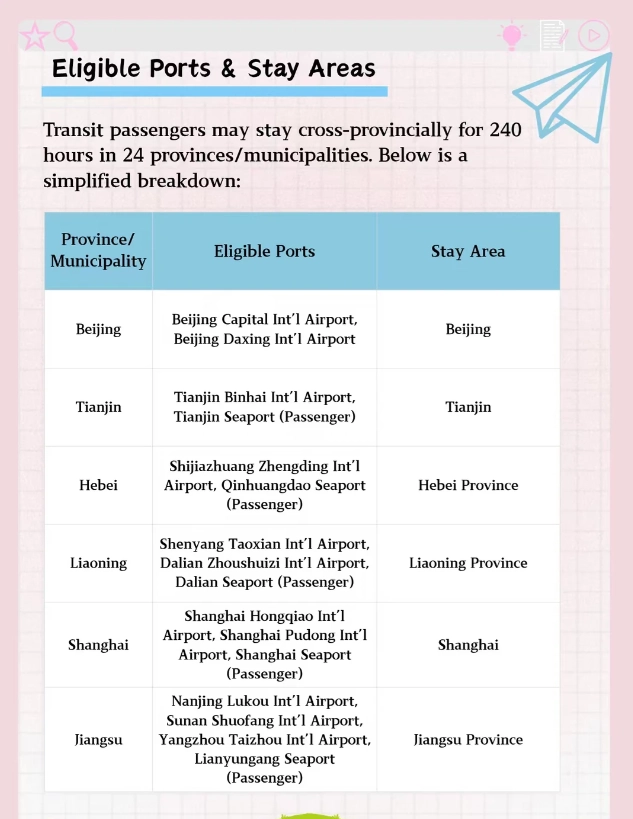
5 Mistakes That Get You Denied
1. Staying in the Wrong Province
You can't enter through Shanghai and then fly to Beijing during your transit. The policy ties you to the initial port's region. I had a traveler who wanted to see the Forbidden City after three days in Shanghai—denied at check-in because his next flight was from Beijing. He had to change his entire itinerary.
2. Not Having a Confirmed Onward Ticket
Immigration will check that you have a ticket out of China to a third country within 240 hours. A flexible ticket won't cut it; it must be a confirmed booking. Also, the destination must be different from where you came from. If you fly into Shanghai from Tokyo, your onward ticket cannot be back to Tokyo.
3. Assuming All Ports Allow 240 Hours
Some ports only offer 72 or 144 hours. The 240-hour policy applies to 60 ports, but double-check your specific port. For example, the land port at Manzhouli offers only 72 hours. Always confirm on the official list before booking.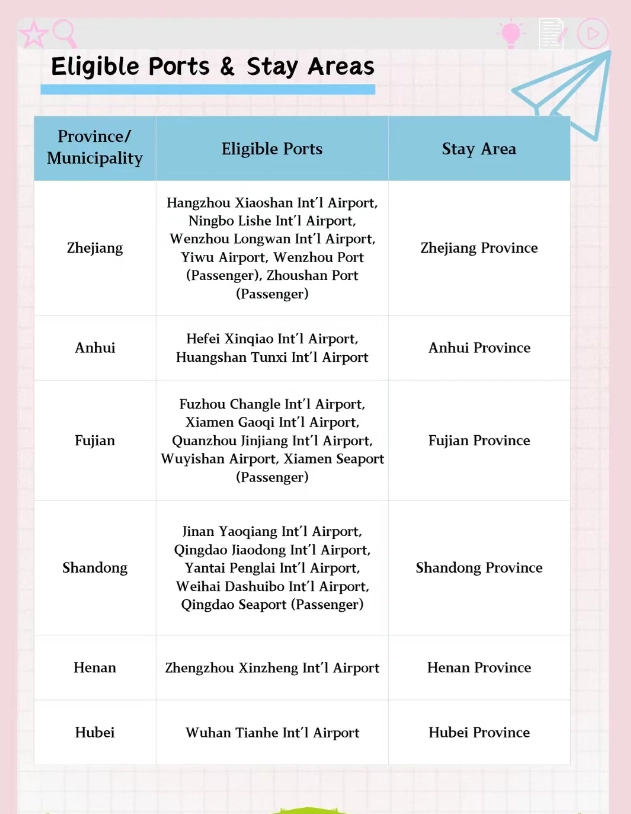
4. Overlooking the Registration Process
Even with the transit permit, you need to register your temporary residence. If staying at a hotel, they do it automatically. But if you're in an apartment or homestay, you must register at the local police station within 24 hours. I've seen people fined 500 RMB for forgetting.
5. Using Google Maps After Arrival
Google Maps won't work. You'll get lost. Download Apple Maps (it works surprisingly well) or a VPN before you land. I always tell my clients to install Baidu Maps (it has English mode now) and a translation app like Apple Translate. Saves tons of headaches.
Step-by-Step: How to Use It Smoothly
- Book your flights so that your transit includes at least one overnight in China. You need a confirmed onward ticket to a third country.
- Prepare documents: Passport with at least 6 months validity, copies of onward flight itineraries, and hotel bookings (if staying).
- At check-in, tell the airline you're using the 240-hour transit policy. Some airlines require you to have the visa-free policy code (like TWOV). They might ask to see your onward ticket.
- Fill out the arrival card on the plane. In the "Visa" section, write "Transit 240 hours".
- At immigration, join the "Transit Without Visa" lane (if available). Present your passport, onward ticket, and hotel info. They'll stamp you with a stay permit.
- Set up VPN immediately after getting through customs. Don't wait—you'll lose access to Google, WhatsApp, etc.
FAQ: Real Questions from Travelers
Verified and fact-checked by the editorial team. This information is accurate at the time of writing but policies may change. Always check official sources.






No comments yet.