 Wei Zhang
What's Inside
I've led dozens of backpackers through China. And every time, the same mistake: they follow outdated advice and end up stuck with wrong SIM cards, useless maps, and empty wallets.
Here's the truth: backpacking China is absolutely doable on $30-40 a day — but only if you skip the rookie traps.
In this guide, I'll give you the exact visa strategy, transport hacks, and cash-saving tricks that most tour companies never share. No fluff, just stuff that works.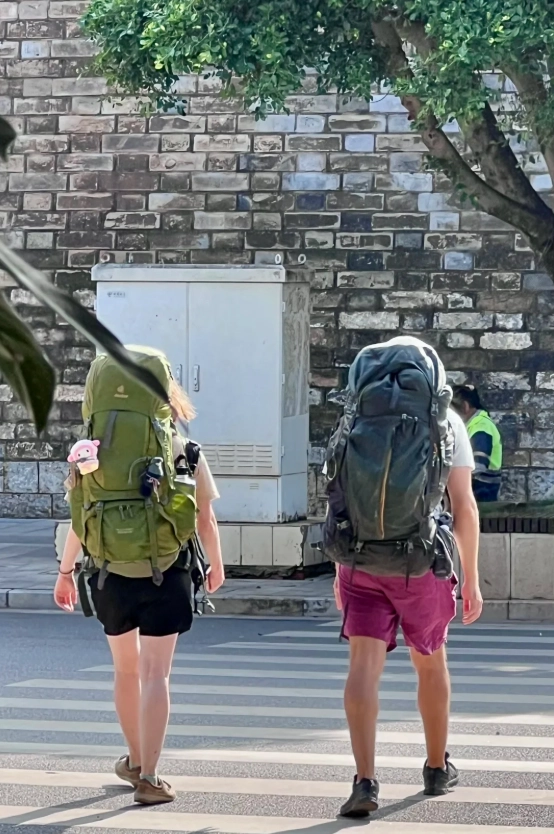
1. Getting Your Visa Right (Don't Assume)
First, the boring but critical part. Most nationalities need a tourist visa (L-visa) before arrival. You can't get one at the border. Apply at your nearest Chinese embassy or use a visa service like CIBTvisas.
Key points:
- Visa is usually valid for 30 days, single or double entry. If you plan to hop to Hong Kong and back, request double entry.
- Submit at least 3 weeks before departure. Rush service costs extra.
- You need a confirmed hotel booking and flight itinerary. Use a flexible booking site like Booking.com or a visa service that provides dummy itineraries.
Pro tip: Some cities like Shanghai and Beijing offer 144-hour transit visa-free stays if you hold a valid visa to a third country. Perfect for a short layover.
2. Money & Payments: The Real Deal
China is nearly cashless. Your credit card won't work in most street stalls, small restaurants, or even some subway stations. You need Alipay or WeChat Pay.
How to set up:
- Download Alipay and register with your foreign passport. Link your international credit card (Visa/Mastercard). It works for most payments.
- WeChat Pay is similar but trickier for foreigners. Start with Alipay.
- Carry some cash for emergencies — I always keep 300 RMB in my shoe. ATMs at banks like Bank of China accept foreign cards, but charge a fee.
My personal pain: I once watched a backpacker try to pay with a €50 note at a noodle stall. The owner laughed and pointed to a QR code. Don't be that person.
3. Getting Around Without Breaking the Bank
Public transport is your best friend. Trains, buses, and subways are incredibly cheap and efficient.
| Transport | Cost (approx) | Booking Tips |
|---|---|---|
| High-speed rail (e.g., Beijing-Shanghai) | ~500 RMB (2nd class) | Book via Trip.com or 12306 (English site). Bring your passport. |
| Overnight sleeper train | 200-400 RMB (hard sleeper) | Best budget option for long distances. Bring earplugs and a sleep mask. |
| Local bus | 1-2 RMB | Pay with Alipay or exact change. Google Maps doesn't work — use Apple Maps or Baidu Maps (in Chinese). |
| Subway (major cities) | 3-8 RMB per ride | Download subway map offline. Most stations have English signs. |
| Ride-hailing (Didi) | ~15 RMB for 5 km | Download Didi app. It's like Uber. You can pay with Alipay or cash. Show the driver the Chinese address. |
Navigation nightmare: Google Maps is blocked and inaccurate. Instead, use Apple Maps (works surprisingly well) or download an offline map in Mapa and mark key spots. Always have the Chinese address written down — I save a screenshot on my phone.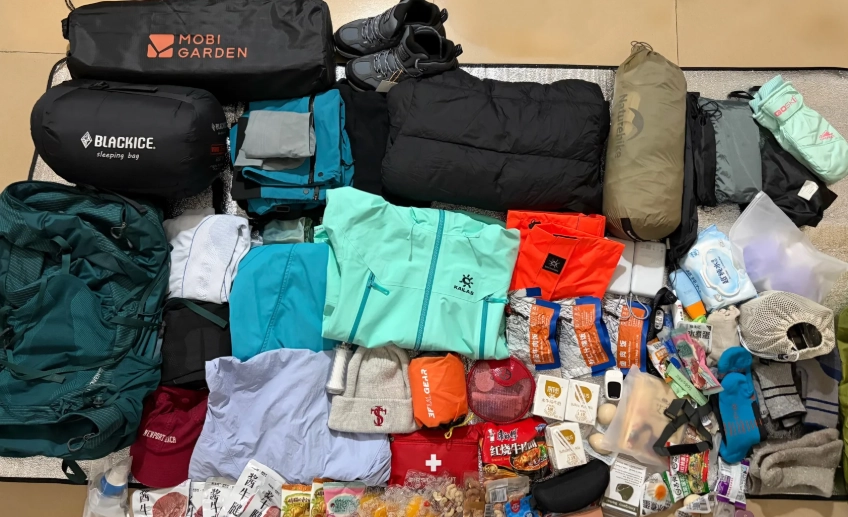
4. Where to Sleep on a Dime
Dorm beds range from $5 to $15 per night. Here's my breakdown:
- Hostels: Look for ones rated 8+ on Hostelworld. Chains like Hello, My Name Is Su and Astor Hostel are reliable. Most have free Wi-Fi, laundry service, and a common room.
- Budget hotels: Use Trip.com or Booking.com. Many offer private rooms for $15-20. Check if they accept foreigners (some smaller ones don't have license).
- Couchsurfing: Active in Beijing, Shanghai, Chengdu. But be aware: trust is key.
One hostel I loved in Chengdu: Mix Hostel. Clean, great location near Jinli Street, and the staff helped me book tickets. Dorm bed: 45 RMB.
Watch out: Some cheap hostels have no elevator — imagine carrying a 60L backpack up 5 floors. Check before booking. Also, Wi-Fi often slows at night. Get a local SIM card with data (China Unicom or China Mobile). You need a VPN installed before arrival — I use ExpressVPN.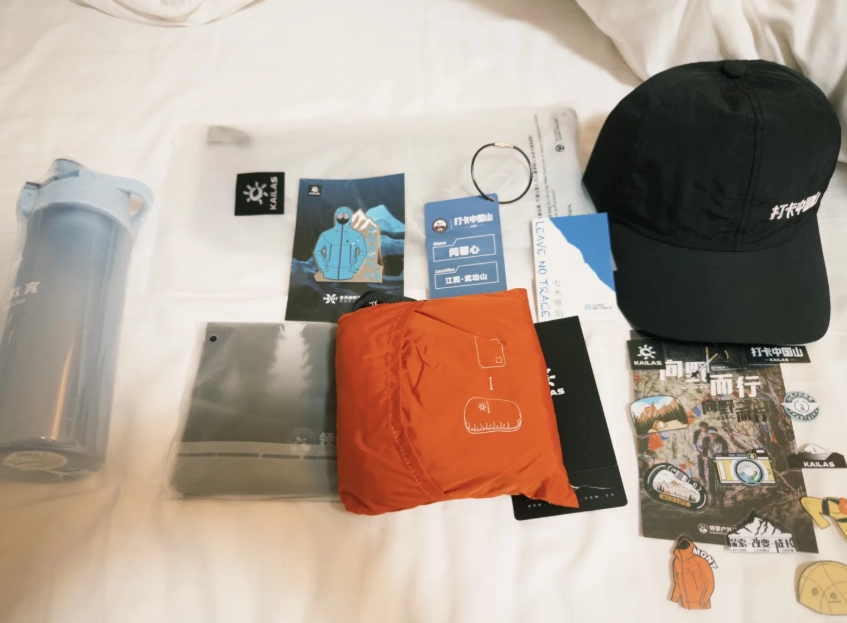
5. 2 Must-Try Backpacking Routes
Route A: The Classic Loop (14-21 days)
Beijing → Xi'an → Chengdu → Yangshuo → Hong Kong
- Beijing (3 days): Great Wall, Forbidden City, hutong alleys. Train to Xi'an (6 hours, ~300 RMB).
- Xi'an (2 days): Terracotta Warriors, Muslim Quarter. Night sleeper to Chengdu (14 hours, ~250 RMB).
- Chengdu (3 days): Panda base, spicy hotpot, Mount Qingcheng. Fly to Guilin (1 hour, $80) or train.
- Yangshuo (3 days): Cycle through karst mountains, bamboo raft on Li River. Bus to Shenzhen (4 hours, 100 RMB), then border to HK.
- Hong Kong (2 days): Budget hostels are pricey, but dim sum is worth it.
Route B: Off the Beaten Path (10-14 days)
Yunnan Province: Kunming → Dali → Lijiang → Shangri-La
- Kunming (1 day): Stone Forest (day trip). Bus to Dali (4 hours, 80 RMB).
- Dali (3 days): Old town, Erhai Lake cycle, hike Cangshan. Bus to Lijiang (3 hours, 60 RMB).
- Lijiang (3 days): Ancient town, Jade Dragon Snow Mountain (day trip). Bus to Shangri-La (4 hours, 70 RMB).
- Shangri-La (2 days): Songzanlin Monastery, Pudacuo National Park. Fly out from Diqing Airport.
I always tell clients: skip the overpriced cable car at Jade Dragon Snow Mountain. Instead, hike the less-crowded Shanzhi trail for free — same views, no tourist herd.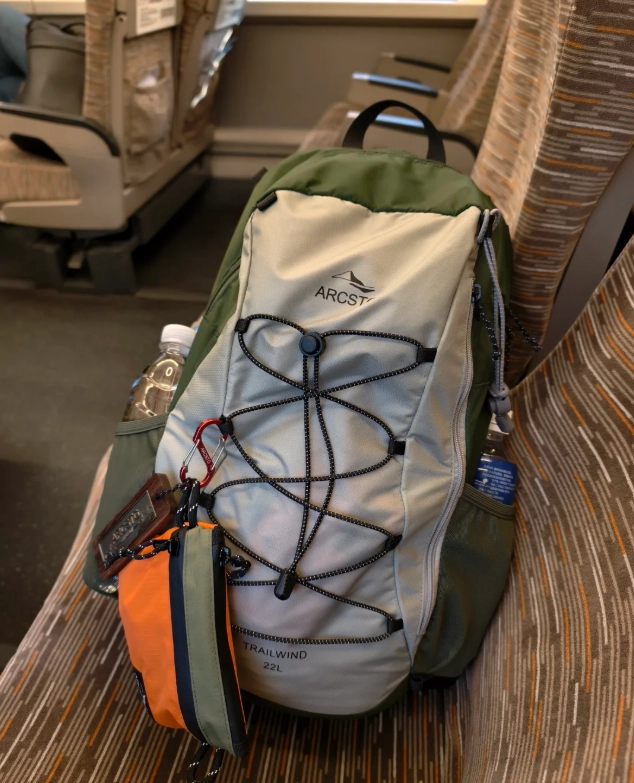
6. Eating Well for Under $5 a Day
Street food is your savior. A bowl of noodles (la mian) costs 10-15 RMB. Jianbing (savory crepe) is 6 RMB for breakfast. For lunch, look for small local canteens serving set meals (two dishes + rice) for 15 RMB.
Ordering tips:
- Point at what other people are eating. Most places have picture menus.
- Download the Pleco app — it translates Chinese menus via camera.
- Carry a reusable chopstick set. Some street stalls use disposable ones.
- Bottled water: 2 RMB at convenience stores (7-Eleven, FamilyMart). Never drink tap water.
My guilty pleasure: In Xi'an, the Muslim Quarter has lamb skewers (yangrou chuan) for 10 RMB each. I always eat at least six. The locals know a spot next to the Drum Tower — unmarked but busy. Ask for "lao ma" and they'll understand.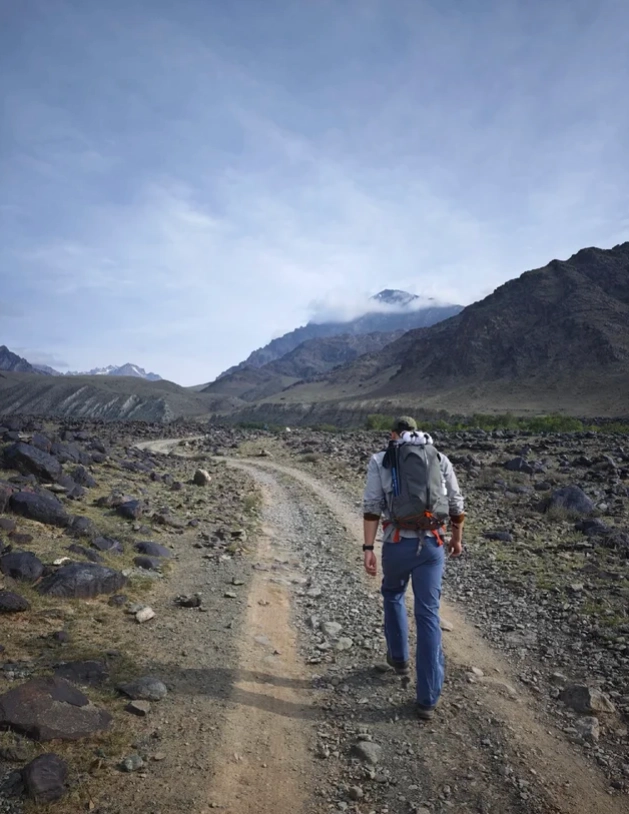







No comments yet.