 Yan Zhou
Quick Navigation
Let me guess—you’ve seen those postcard-perfect photos of zigzag bridges and lotus ponds. You’re excited. But then you open Trip.com and see “requires WeChat mini-program.” That’s when the panic sets in. I’ve been guiding travelers through Suzhou for years, and I know exactly what trips people up. This guide gives you the real, no-nonsense info—how to buy tickets with a foreign passport, when to show up to avoid elbow-to-elbow crowds, and which corners of the garden are actually worth your time.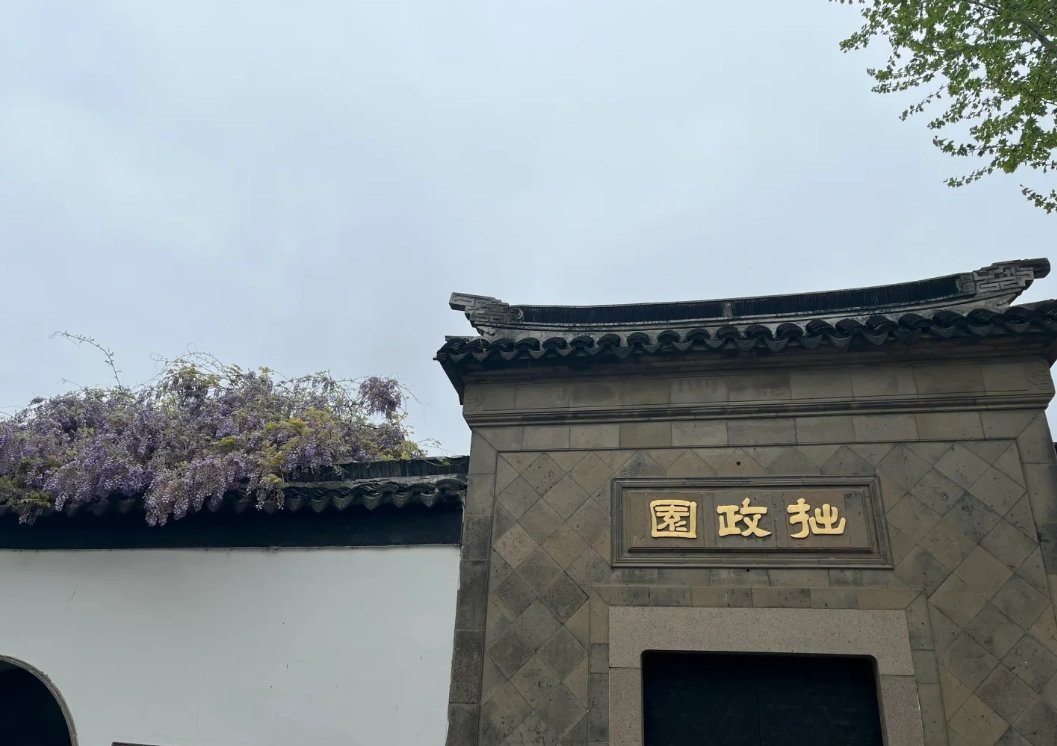
Why This Garden is a Must-See (But Not at Noon)
The Humble Administrator's Garden is the crown jewel of Suzhou’s classical gardens—a UNESCO World Heritage site that redefines tranquility. But here’s the catch: most visitors arrive between 10am and 2pm, turning those serene pathways into a bottleneck. I’ve watched families melt in the heat while waiting for photo spots. My advice? Skip the midday madness. The garden is at its most magical just after opening (8am) or after 4pm, when the light softens and the crowds thin. I always tell my clients: “Don’t be a sheep. Be an early bird or a twilight wanderer.”
How to Buy Tickets Without a Chinese Phone Number
Here’s the nightmare: the official ticketing runs through a WeChat mini-program—all in Chinese, requiring a local phone number. I’ve seen too many tourists stuck at the entrance. Here are three workarounds that actually work:
- Trip.com or Klook: Both sell timed-entry tickets in English. You pay with an international card and get a QR code. Show that at the gate. No WeChat needed.
- Hotel concierge: Ask your hotel to pre-book. Most high-end hotels in Suzhou (e.g., the Pan Pacific) will do this for free. Just give them your passport info.
- On-site (risky): The ticket office does accept cash, but only during off-peak hours. And they don’t take foreign credit cards. If you must buy there, bring exact Chinese yuan (80 RMB).
Best Time to Visit: Beat the Crowds
Timing is everything. Here’s a quick breakdown based on my years of leading groups:
| Time | Pros | Cons | My Verdict |
|---|---|---|---|
| 8:00-9:30 AM | Almost empty, fresh air | Some sections still in shadow | ❤️ Best for photos |
| 10:00 AM-2:00 PM | Full sunlight for lotus | Tour groups flood in, long lines | Avoid if possible |
| 4:00-5:30 PM | Golden hour, fewer people | Last entry at 4:30 (winter) or 5:00 (summer) | ❤️ Second best |
Pro tip: The garden closes 1 hour before the posted time (e.g., last ticket at 4:30 for a 5:30 closing). Check the official site or ask your hotel for exact dates—they vary by season.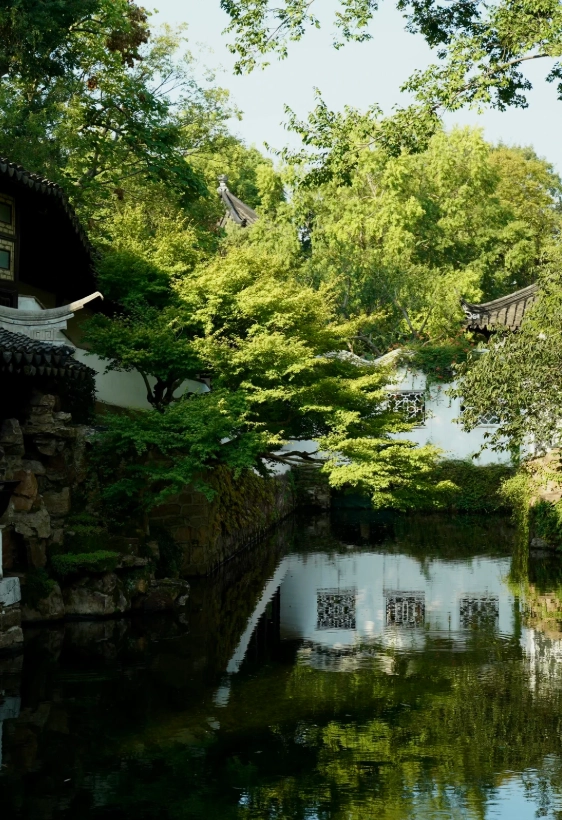
Getting There: GPS That Actually Works
Google Maps is unreliable in China. I’ve seen it mark the garden 2 km off. Use Apple Maps (if you have an iPhone) or Baidu Maps (download the English version). Alternatively, just show your driver this:
English address: No. 178, Dongbei Street, Gusu District, Suzhou, Jiangsu
Metro: Line 4, Beisita Station (北寺塔站), Exit 4. Walk 8 minutes east.
Taxi from city center: About 20 RMB, 15 minutes. Just show “拙政园” (Zhuozheng Garden) to the driver.
If you’re coming from Shanghai, take a high-speed train to Suzhou Railway Station (25 minutes) then a 10-minute taxi. Don’t confuse the garden with the Suzhou Museum—they’re next to each other, but you need separate tickets.
Navigating the Garden: Don't Get Lost
The garden is huge—52,000 square meters. Most people wander aimlessly. Here’s my recommended route that hits the highlights without backtracking:
- Start at the Eastern Section: The entrance leads you here. Don’t linger too long—the real beauty is in the central part.
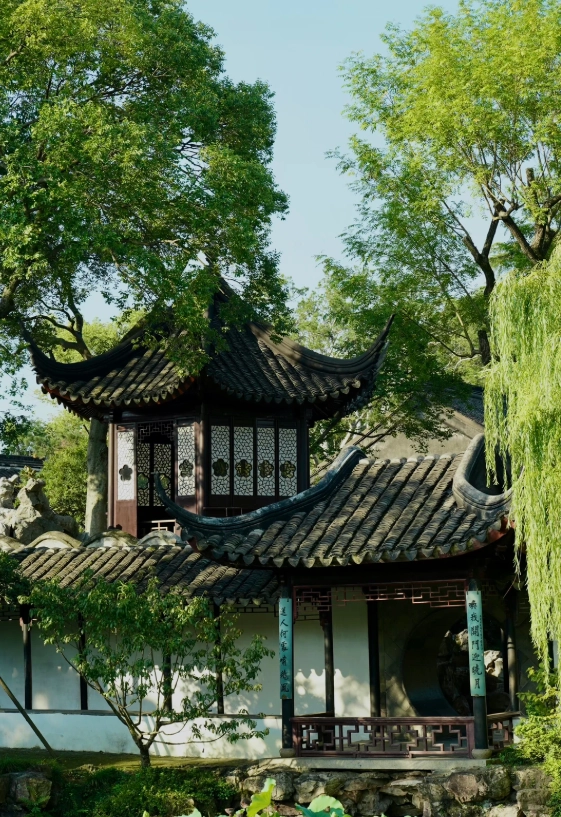
- Central Section (the heart): The Lotus Pond and the Four-Sided Pavilion are must-sees. The reflection of the pavilion in the water is iconic. Try to shoot it from the east bank at 4pm.
- Western Section: The Mandarin Duck Hall has beautiful stained glass. It’s often overlooked by rush tour groups.
- Exit via the South Gate: You’ll end up right at Suzhou Museum. Reserve 2 hours for the museum if you have time (book separately!).
Watch out: The small stone bridges are one-way during peak hours. You might get stuck behind a slow-moving group. Be patient and let them pass.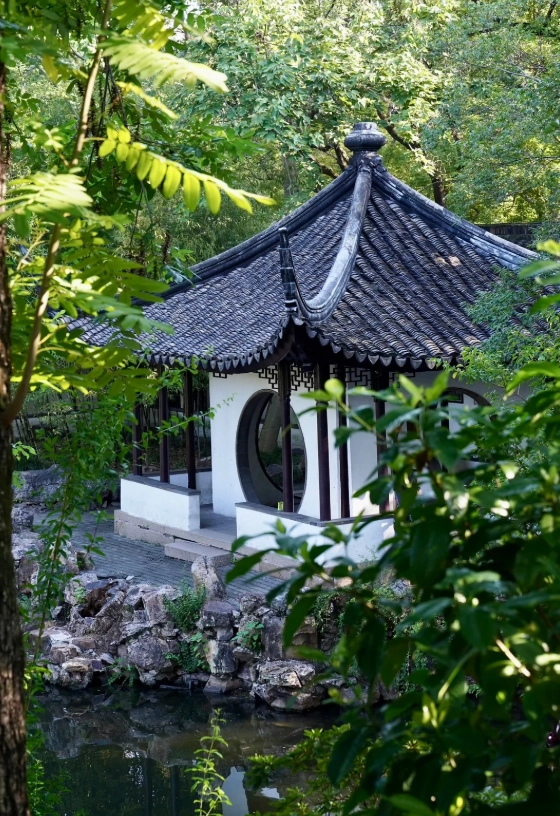
Avoiding Common Tourist Traps
Right outside the garden’s south gate, there’s a row of souvenir shops. They’ll sell you “jade” pendants for 50 yuan—they’re plastic. Save your money. Instead, head two blocks north to Pingjiang Road, a historic street with authentic silk and tea shops.
Lunch tip: Skip the overpriced noodles inside the garden complex. Walk 5 minutes to Tongde Xing noodle shop at 13 Minzhi Road. The braised pork shank noodles (35 RMB) are legendary. I’ve brought dozens of clients there—they all thank me.
Payment reality: Almost all street vendors and small restaurants only take Alipay/WeChat. Keep 200 RMB in cash as backup, but don’t rely on it. Your foreign Visa card will fail 90% of the time.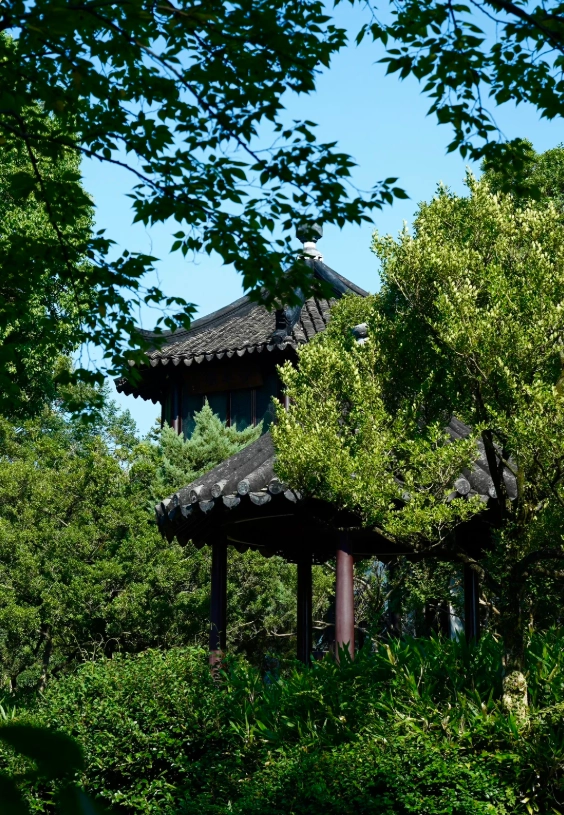





This garden totally transported me back in time. I went in autumn when the maple leaves were turning red—the colors reflected in the ponds were breathtaking. It's incredibly photogenic, but also peaceful if you step away from the main paths. I sat on a stone bench near the little waterfall and just listened to the water for 20 minutes. Pure zen. I'd recommend booking tickets online in advance to skip the long queue.
Hands down the best garden I've ever been to! I'm a landscape architect, so I came with high expectations, and this place exceeded them. The use of water, rocks, and borrowed scenery is genius. I especially loved the Hall of Drifting Fragrance and the little bridges over the winding streams. It's huge—wear comfy shoes! Pro tip: rent the English audio guide; it explains the symbolism behind each structure.
Absolutely magical! The Humble Administrator's Garden is a masterpiece of design. I visited during a light drizzle, and the mist made the lotus pond and pavilions look like a painting come to life. The layout plays with perspective so cleverly—every turn reveals a new secret. Spent 3 hours just wandering and snapping photos. If you love gardens, architecture, or just want to escape Suzhou's busy streets, this is a must-see.
A lovely place to spend a few hours, but not without flaws. The ponds and rockeries are stunning, and I loved how every window frames a different picture. However, some sections felt a bit neglected—weeds growing in the water, and a few benches were broken. The audio guide was helpful but the volume was too low in noisy spots. Still, a solid 4-star experience overall; just wish they'd maintain it a bit better.
Honestly, I was a bit underwhelmed. The garden is beautiful in theory, but it was absolutely packed when I visited on a Saturday afternoon. I could barely move through the narrow paths, and the crowds ruined the peaceful vibe that a classical Chinese garden is supposed to have. The ticket price (¥80?) also felt steep for what it is. Maybe go on a weekday early morning, but I wouldn't rush back.
Brought my DSLR and got some of the best shots of my trip. The play of light through the latticed windows and the reflections in the ponds are just gorgeous. Even the smallest details — the carved stone pathways, the curved roofs — are frame-worthy. It's a bit pricey for a garden, but for photography enthusiasts it's worth every yuan. Don't skip the hidden courtyard near the back!
A botanist's dream! The variety of plants — bamboo groves, wisteria, ancient pines, and those massive lily pads — is incredible. The garden design changes with every season, so I can see why people revisit. The staff were friendly and the restrooms were clean. One of the most serene experiences I've had. A perfect 5/5 for nature lovers.
Absolutely magical! I spent three hours wandering through the pavilions and bridges, and every corner felt like a painting. The way the water reflects the ancient buildings is breathtaking. Even the tea house inside was a nice surprise — cheap and relaxing. This is the best garden I've seen in China so far. Highly recommend!
Lovely place with so much history. The layout and ponds are really photogenic, especially the lotus blossoms in summer. I only give it a 4 because the audio guide was a bit confusing to follow and the signs weren't always in clear English. Also, some of the souvenir shops inside felt intrusive. Still, definitely worth a visit if you're in Suzhou — just bring a good map and go early to avoid the worst of the crowds.
Stunning gardens, but way too crowded even on a weekday morning. I get that it's a must-see in Suzhou, but the narrow pathways made it hard to actually enjoy the scenery. Some areas felt more like a queue than a peaceful retreat. The water features and rock formations are beautiful, but the constant shuffle of people killed the tranquility for me. If you go, aim for the earliest entry time.