 Gang Zheng
Two stations. One city name. Pick the wrong one and your morning is gone.
Last January I stood on the arrival concourse at Jilin Railway Station and watched a German couple sprint for a taxi — thermos in one hand, ski bag in the other — because their booking confirmation said "Jilin" and their driver was waiting twelve kilometres away at a heritage building that handles almost no passengers.
I have lost count of how many times that scene has played out in front of me. So let me clear up the Jilin train station confusion first, before we get to rime ice, hotpot and ski shuttles.
Book everything to and from Jilin Railway Station, the big hub on Chongqing Road. There is no metro in Jilin City. The airport has its own railway station on the same intercity line. And the exit you walk out of changes both your taxi fare and how long you stand in the cold.
Here is what is waiting below, so you can jump straight to the part you actually need.
Jump Straight to What You Need
- Which Jilin Station Do You Actually Need?
- How to Get Out of Jilin Railway Station Without Getting Overcharged
- How Do You Book and Collect Tickets with a Foreign Passport?
- Getting from Jilin Station to the Big Attractions
- What Is Actually Inside Jilin Railway Station
- A 24-Hour Jilin Plan Built Around a Train Arrival
- Where to Eat Near Jilin Railway Station
- Real Questions from Travellers at the Platform
Which Jilin Station Do You Actually Need?
Jilin City sits inside Jilin Province, and the naming trips up almost every first-timer. Add a second railway station with the same city name and you have a genuine recipe for a missed train.
Two buildings carry the name. Only one of them is a working hub.
Jilin Railway Station vs Jilin West Railway Station
Jilin Railway Station handles the high-speed and intercity traffic, and it is the only station you should ever put on a booking. Jilin West Railway Station is a beautiful old brick building from the late 1920s with very limited or no passenger service — a photo stop, not a departure point.
| Station | Chinese Name | Location | What It Serves | Use It? |
|---|---|---|---|---|
| Jilin Railway Station | 吉林站 | No. 1 Chongqing Road, Changyi District | High-speed trains to Changchun, Shenyang, Harbin and Beijing, plus intercity service to the airport | Yes — this is your default |
| Jilin West Railway Station | 吉林西站 | Western edge of the city, Chuanying District | A late-1920s heritage building with very limited or no passenger service | Photo stop only |
| Longjia Airport Station | 龙嘉站 | Inside Changchun Longjia International Airport | Changchun to Jilin intercity trains | Yes, if you fly in |
The West Station is genuinely lovely. Local lore credits the design to Lin Huiyin and Liang Sicheng, though historians argue about it, and the arched windows and grey brick make it one of the few railway buildings in northeast China worth a detour. Just do not plan your trip around it.
Insider Advice: If your booking confirmation shows 吉林西站 in Chinese characters, cancel it and rebook. I have watched travellers stand on that empty platform at minus twenty degrees waiting for a train that never comes.
Why the Airport Train Changes Everything
If you land at Changchun Longjia International Airport, you do not need a car or a bus to reach Jilin City. The intercity rail line stops inside the airport grounds at Longjia Station, and the ride into Jilin takes roughly half an hour. A taxi for the same journey costs many times more and takes longer in snow.
Walk out of the arrivals hall, follow the signs for the railway station, and buy your ticket at the counter with your passport. Schedules shift with the seasons, so confirm the current timetable on the official China Railway 12306 platform the night before you fly.
One warning that nobody tells you: late-night flights sometimes land after the last intercity train has gone. Check the final departure time before you commit. If you miss it, a Changchun hotel for one night beats a two-hundred-yuan highway taxi at midnight.
How to Get Out of Jilin Railway Station Without Getting Overcharged
You have cleared security, you have your bag, and now you are standing in a hall full of signs you cannot read. Here is the part that actually matters.
East Exit or West Exit?
Jilin Railway Station has two plazas on opposite sides of the tracks, and the one you choose decides your next twenty minutes. The east plaza is the busier side — main taxi rank, bus stops, the majority of hotels and fast food within walking distance. The west plaza is quieter and puts you closer to the older residential streets.
- Inside the paid concourse you can usually walk between the two sides, but that passage is not open around the clock.
- Outside, walking from one plaza to the other takes roughly ten minutes and is unpleasant with luggage in winter.
- Save the Chinese characters on your phone: 东出口 for East Exit and 西出口 for West Exit, pronounced dong chu kou and xi chu kou.
Show that screen to your driver and you skip the entire conversation.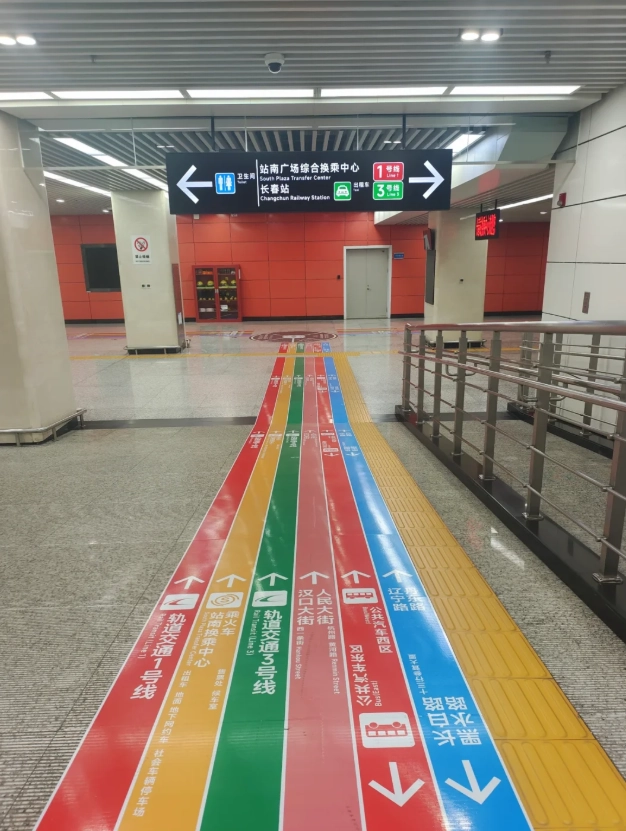
Taxis, DiDi and the Guys Who Approach You Indoors
Anyone who walks up to you inside the arrival hall and asks "taxi?" is not a licensed driver. They are freelance touts, and the price they quote is roughly double the meter. Ignore them completely — do not even negotiate, because negotiating signals interest.
Walk outside and look for the official 出租车 rank with the queue barriers. Cars there run on the meter, and the flag-fall in Jilin is low by Western standards, so most in-city hops land in the low double digits.
Ride-hailing is the smoother option. DiDi has an English interface, and the DiDi mini-program inside Alipay works with an international card attached. Pin your pickup at the designated ride-hailing bay rather than the taxi queue, or your driver will circle the plaza calling your phone while you stand in the wrong spot. I have done this to myself more than once.
Pro Tip: Google Maps is close to useless in mainland China and will happily drop you two streets from your hotel. Use Apple Maps or Amap Global, and screenshot the Chinese-character address before you leave the station — mobile data is fine, but a screenshot never fails when a driver grabs your phone to read it.
Cash still works in taxis here, and drivers accept it without complaint. Most prefer an Alipay or WeChat Pay QR code, so have one of those set up before you arrive.
How Do You Book and Collect Tickets with a Foreign Passport?
Your passport is your ticket. China Railway moved to fully electronic ticketing, so there is no paper stub to collect and no reason to queue at a window unless something goes wrong.
Book on the official 12306 app or website and register with your passport number exactly as printed, including the middle name if it appears on the photo page. The English interface exists, though a few pages still snap back to Chinese, and the passport registration step is the one that trips people up. If you would rather not fight with it, Trip.com charges a small booking fee and is far friendlier for a first trip.
At the station, you tap your passport on the gate reader. Not every gate reads foreign passports, and when one flashes red it is almost never a ticket problem — it is a reader problem. Walk to the staffed lane at either end of the gate line and hand the passport to a human.
Entry and visa rules change more often than train timetables, so verify your situation on the National Immigration Administration site before booking flights. And build in buffer time: forty-five to sixty minutes before departure on a normal day, ninety minutes during Lunar New Year or the October holiday, when the security line snakes out of the building.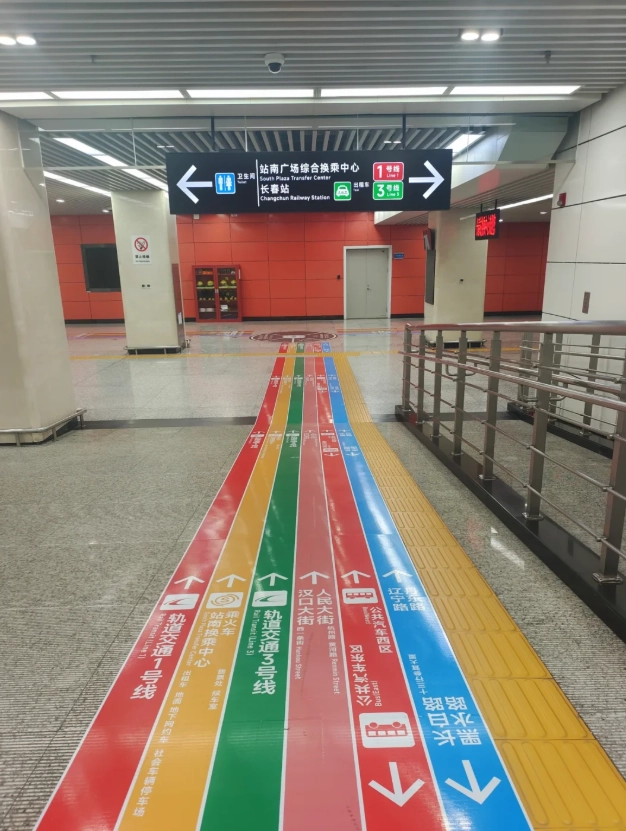
Getting from Jilin Station to the Big Attractions
Distances in Jilin City are short by Chinese standards, but winter changes everything. A twenty-minute drive in October becomes forty minutes in January.
| Destination | Distance from Jilin Station | Best Way | Rough Cost | Time |
|---|---|---|---|---|
| Wusong Island, the rime spot | About 40 km north | DiDi or a car arranged for the round trip | Several hundred yuan for a half day | 1 to 1.5 hours |
| Songhua Lake | About 20 km southeast | DiDi or taxi | Moderate metered fare | 30 to 45 minutes |
| Vanke Songhua Lake Resort | About 20 km | Resort ski shuttle, or DiDi | Shuttles are often free for guests | 30 to 40 minutes |
| Beidahu Ski Resort | About 55 km | Resort shuttle bus | Varies by season | 1 to 1.5 hours |
| Beishan Park | About 5 km | DiDi, or a city bus from the east plaza | Low | 15 to 20 minutes |
| Songjiang Middle Road riverside | About 4 km | DiDi, or walk plus one bus | Low | 15 minutes |
Confirm shuttle times with your hotel or the resort directly, because winter schedules change with snow conditions and I have seen more than one traveller wait for a bus that stopped running in November.
Wusong Island and the Songhua River Rime
Rime ice forms when the river stays warm enough to steam while the air sits far below freezing, and the window is narrow. The season runs roughly from late December into February, with the best conditions in the coldest weeks.
Go at dawn. Rime starts burning off the moment direct sun hits the branches, and by ten in the morning the trees are bare and the tour buses have arrived. I tell every client the same thing: be on the riverbank by seven, and you will have the good light and most of the silence to yourself.
The rime does not appear every day. Wind, humidity and temperature all have to line up. Jilin City publishes a daily rime forecast in winter, so check it before you commit to a long drive — locals read it the way skiers read a snow report.
Wusong Island sits in Wula Street town, a Manchu heritage area north of the city, and reaching it involves a short river crossing. Dress for standing still in wind, not for walking, and bring hand warmers. Your phone battery will die in minutes if you keep it in an outside pocket.
Songhua Lake, Beidahu and the Ski Resorts
Two resorts dominate winter here, and they suit different people. Vanke Songhua Lake Resort is the closer, more polished option with a resort village feel — good for families and anyone who wants a short transfer from the station. Beidahu is the bigger mountain, the one with the serious vertical and the competition pedigree, and it is worth the longer drive if you actually came to ski.
If you are day-tripping from the station with luggage, Songhua Lake is the realistic choice. Beidahu deserves at least one overnight.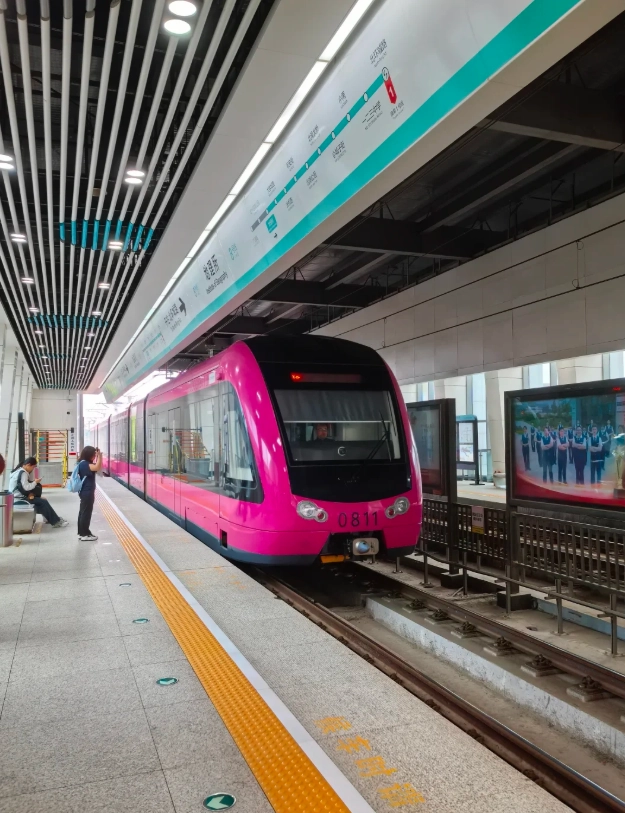
Beishan Park, the Confucian Temple and Downtown
Beishan Park is the easy half-day — a hill, a cluster of temples, and a lake that freezes into a public skating rink in winter. Entry to the park itself is free or a token amount, with small separate charges for some temple halls. Check at the gate rather than trusting an old blog post.
The Confucian Temple in the old town is one of the best-preserved in northeast China and is usually quiet, which makes it a pleasant contrast to the riverside crowds. Longtan Mountain on the east bank pairs a forest walk with ancient walls from the Gaogouli period.
For a rainy or brutally cold day, the Jilin City Museum holds the Jilin meteorite, one of the largest ever recovered. It is an oddly moving thing to stand next to. Admission is free or nominal, and it is the best indoor backup in the city.
What Is Actually Inside Jilin Railway Station
The station is modern, clean and far more comfortable than its reputation suggests, but it has quirks worth knowing about.
- Departure boards show train numbers in Latin characters, so you can match your ticket without reading Chinese.
- Free boiling water dispensers sit in the waiting areas. Bring a travel cup or a pot of instant noodles — this is the single most useful thing in any Chinese station.
- Fast food and convenience stores cluster near the main entrances. They thin out sharply after nine at night, so buy snacks before your train if you arrive late.
- Luggage storage is handled by small private shops around both plazas rather than station lockers. Expect a per-bag, per-day fee, and bring your passport. Ask for the price before you hand over the bag.
- Toilets are a mix of squat and seated, with paper often missing. Carry tissues.
- Power outlets near the gates are scarce and contested. A power bank is not optional here.
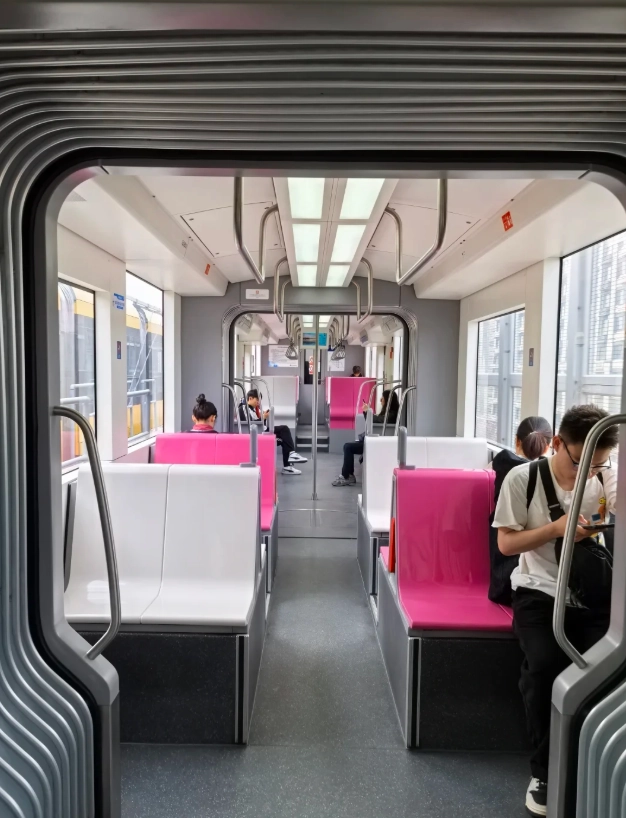
One honest complaint: the Wi-Fi inside the station is unreliable and requires a Chinese phone number for the login code. Download your ticket details, your hotel address and an offline map before you walk in. I have watched confident travellers reduced to waving a dead phone at a station employee.
A 24-Hour Jilin Plan Built Around a Train Arrival
Say you roll in on the early intercity from Changchun and leave on the evening train. This is how I would spend the day, with realistic transfer times baked in.
- 06:40 — Arrive at Jilin Railway Station, drop your bag at a storage shop near the east plaza. Budget ten minutes for the paperwork.
- 07:00 — DiDi to the Songjiang Middle Road riverside, about fifteen minutes. This is the closest serious rime viewing to the station, and it costs you almost nothing.
- 07:20 to 08:45 — Walk the riverbank. Light is best early, and the steam over the water is the photo everyone comes for.
- 09:15 — Breakfast on jianfen, the local pan-fried starch cubes. Cheap, filling, and exactly what you want at minus fifteen degrees.
- 10:30 — Beishan Park, fifteen to twenty minutes by DiDi. Give it ninety minutes at an easy pace.
- 12:30 — Lunch downtown. Sit down properly rather than eating on the move; you will need the warmth.
- 14:00 — Jilin City Museum or the Confucian Temple. Pick based on weather, not on ambition.
- 16:00 — Coffee and a rest. This is the part most itineraries skip and most travellers regret skipping.
- 18:00 — Manchu hotpot for dinner, roughly an hour and a half including the wait.
- 20:00 — DiDi back to the station, collect your bag, allow forty-five minutes before departure.
If you have less energy, cut Beishan and stretch the riverside instead. If the weather turns nasty, swap the park for the museum and the temple for a teahouse — the city is compact enough that a bad-weather Plan B costs you nothing but a slightly shorter list.
Where to Eat Near Jilin Railway Station
The station area is functional rather than delicious, but two local dishes are worth seeking out before you leave the city.
Jianfen is the one I recommend to everyone. It is a plate of chewy starch cubes pan-fried until crisp at the edges, dressed with sesame paste, garlic water and chilli oil. Vendors and small shops around the city sell it for pocket change, and the flavour is unlike anything else in northeast China. Order it with a bowl of something hot.
Manchu hotpot is the other must. A copper pot, pickled cabbage, thin pork belly and a broth that gets better the longer it simmers. The most famous old house sits out in Wula Street near the rime area, which pairs neatly with a dawn trip to Wusong Island. In the city centre, look for restaurants advertising 满族火锅 on the sign and check the queue before you commit.
Cold noodles and grilled skewers are everywhere and reliable. Songhua River fish is the local luxury dish and priced accordingly — delicious, but not a cheap meal.
- Payment: Alipay and WeChat Pay with an international card work almost everywhere. Cash is accepted. Physical foreign credit cards are frequently refused, so do not rely on them.
- Menus: photo menus are common even without English text, so pointing works fine.
- Timing: dinner service peaks around seven in the evening. Add half an hour of waiting if you arrive then.
- Dietary needs: vegetarian options exist but are limited outside dedicated Buddhist restaurants. Halal restaurants are clearly signed in Chinese as 清真.
Real Questions from Travellers at the Platform
Can I buy a train ticket at Jilin Railway Station with a foreign credit card?
Bring cash or use Alipay as your fallback. Card acceptance at station ticket windows varies and is not something I would build a travel day around. The reliable route is booking in advance through 12306 or Trip.com with your passport, then walking straight to the gate. If you must buy on the spot, the window staff will take cash, and there is usually an ATM or currency option in the station complex.
Is there a metro from Jilin Railway Station to the city centre?
There is no metro system in Jilin City at all, so stop looking for a subway map. Your realistic options are the city buses leaving from the east plaza, DiDi, or a metered taxi. For almost every hotel in the centre, DiDi is the fastest and the difference in price is trivial. Do not waste time hunting for a metro entrance that does not exist.
How early do I really need to arrive with a passport?
Forty-five minutes is comfortable on a normal weekday, and I would push that to ninety during Lunar New Year or the first week of October. The bottleneck is never the ticket check, it is the security line and the passport gate reader. If your passport fails the automatic gate twice, go straight to the staffed lane instead of trying a third machine. Standing at the wrong gate while your train leaves is a genuinely common mistake.
Can I leave my luggage at the station and go sightseeing?
Small storage shops around both plazas will hold bags for a per-bag daily fee, and they are used to foreign travellers. Ask the price first, keep the receipt tag, and note the shop's location in Chinese characters so you can find it again. The station itself does not run lockers, so do not count on finding one inside the building.
Is the rime viewing within walking distance of Jilin Railway Station?
The riverside along Songjiang Middle Road is only a short ride away and delivers rime on a good morning, so you can absolutely see it without a long trip. Wusong Island is the more dramatic version and needs a half-day commitment with a car. If your schedule is tight, take the riverside — you will see the same phenomenon with a fraction of the effort, and you can be back at the station within an hour.
Verified and fact-checked by the editorial team. This content has been fact-checked to ensure informational precision.



No comments yet.