 Fang Wang
I have watched grown adults cry on Mount Tai. Not at the sunrise. At the stairs.
It was August. Thirty-four degrees at the Red Gate, a river of umbrellas overhead, and a client in a linen shirt that stopped behaving like linen somewhere around the halfway mark.
Shandong does not do gentle summers.
So here is the short version before I explain anything. If you are searching for the best month to visit Shandong and you have any flexibility at all, book late September through late October. Dry air. Fifteen to twenty-five degrees. Clear views off the coast. And the cheapest hotel rates you will see before winter.
Most foreign travelers get this wrong in one of two ways. They bolt Shandong onto a Beijing and Shanghai route in the middle of July, or they book the first week of October because it is a national holiday and assume everyone else will stay home. Both mistakes cost real money and real comfort.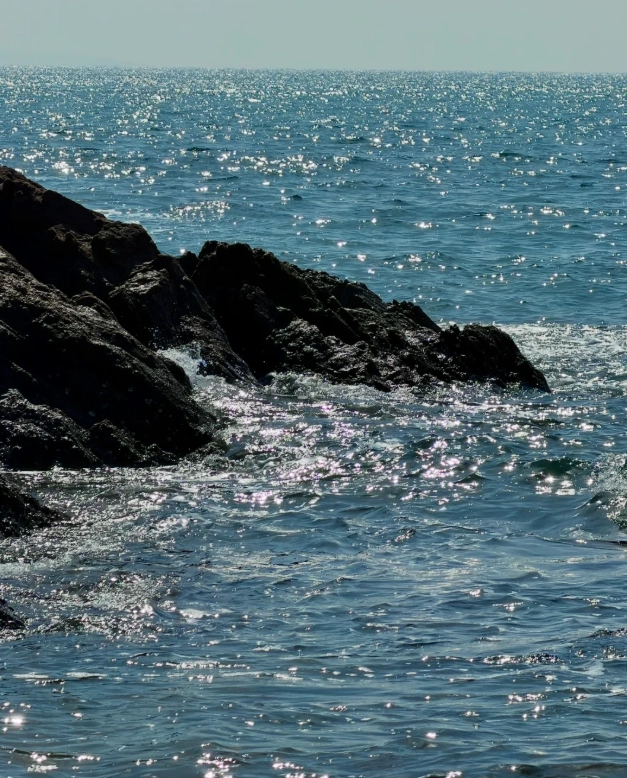
The one thing worth tattooing on your itinerary: the last ten days of September are the sweet spot. Hotels are still on shoulder-season pricing, the sea in Qingdao is warm enough to swim, Mount Tai's cable cars run without hour-long queues, and the National Day crowds have not landed yet.
Here is how the year actually plays out.
Jump Straight to What You Need
- What Is the Best Month to Visit Shandong?
- Shandong Weather Month by Month
- How Do You Plan a Shandong Trip Around the Best Months?
- The Best Month for Your Type of Traveler
- Holidays, Crowds and Prices: The Calendar Traps
- Trains, Payments and Apps That Actually Work
- A 6-Day Shandong Itinerary in the Sweet Spot
- Where to Stay in Shandong, City by City
- What to Eat in Shandong, Season by Season
- Reader Questions I Answer Every Week
What Is the Best Month to Visit Shandong? The Straight Answer
Late September through late October is the best window for Shandong, full stop. October wins on comfort, September wins on crowds and price.
If you want the ranking, here it is, built from years of dragging groups around this province in every kind of weather.
- October — dry, clear, 12 to 22 degrees. The best light of the year on Mount Tai and along the Qingdao coast. Downside: the first seven days belong to Golden Week.
- September — 19 to 28 degrees, the sea is still swimmable, and hotels run roughly a quarter to a third cheaper than in October. My personal pick.
- May — 15 to 26 degrees, everything green, but the first week is Labor Day and the sea is still cold enough to hurt.
- April — blossoms, peonies in Heze, thin crowds, plus wind and the occasional dust haze.
- November — crisp and empty, brilliant for photography, but the coast turns raw after the middle of the month.
- June — the last comfortable month before humidity arrives, and the start of Qingdao's sea-fog season.
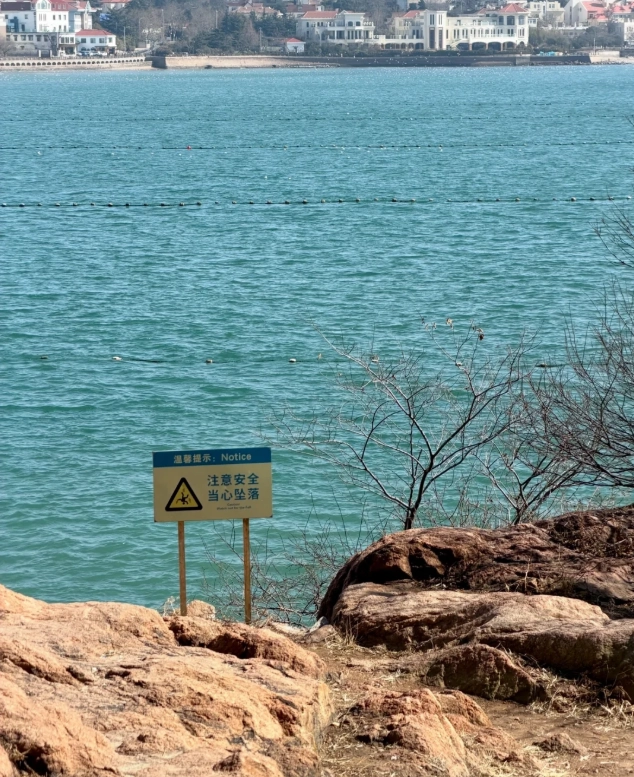
Everything from July to August I steer people away from unless their dates are locked. That is not snobbery. Jinan is one of China's traditional furnace cities, and the humidity sits on you like a wet towel from morning to midnight.
Most English-language guides push May as the answer. I don't. May is genuinely lovely, but the second half brings the first wave of domestic summer bookings, and the water off Qingdao is still around 15 degrees — cold enough that locals wear wetsuits. If you want empty beaches and do not care about swimming, take May. If you want to actually get in the water, take September.
Shandong Weather Month by Month: What the Forecast Won't Tell You
Averages lie in this province. Shandong stretches roughly 700 km from the Yellow River delta to the coast, and the gap between coastal Qingdao and inland Jinan is often five degrees and a completely different sky.
| Month | Typical Daytime Range | Crowd Level | My Verdict |
|---|---|---|---|
| March | 5 to 15 degrees | Low | Cold coastal wind, cheap hotels, quiet sights |
| April | 10 to 21 degrees | Low to medium | Peony season in Heze, good value |
| May | 15 to 26 degrees | Medium | Beautiful, but Labor Day and cold seawater |
| June | 20 to 30 degrees | Medium | Last comfortable month, sea fog starts |
| July | 24 to 34 degrees | High | Humid, rainy, school holidays begin |
| August | 24 to 33 degrees | Very high | Hottest and most crowded month |
| September | 19 to 28 degrees | Medium | Best balance of weather and price |
| October | 12 to 22 degrees | High first week, low after | Best overall comfort |
| November | 5 to 14 degrees | Low | Crisp, empty, great photography light |
| December | -2 to 7 degrees | Low | Dry cold, hot springs, no queues |
| January | -4 to 5 degrees | Low | Coldest month, ice waterfalls near Jinan |
| February | -2 to 8 degrees | Low, then a spike | Spring Festival chaos in the middle |
Spring: March to May
March is still winter in everything but the calendar — the Bohai wind cuts through Qingdao's old town like a blade. I have had clients show up in March wearing a light jacket and end up buying a padded coat on Taidong shopping street the same afternoon. Budget for one warm layer you did not plan on.
Inland warms faster. Jinan hits pleasant afternoon temperatures by late March while Qingdao is still two weeks behind. Baotu Spring in Jinan is at its most photogenic in April, and the peony fields of Heze in the southwest of the province run from mid-April into early May. Almost no foreign visitors go to Heze, which is exactly why I send people there — it is roughly two hours by high-speed train from Jinan and the flower fields are genuinely spectacular.
Summer: June to August
June to August is the stretch I only recommend to people willing to start their day at five in the morning.
Two things happen on the coast. First, the sea fog. From late June into July, Qingdao can sit under a grey blanket for days — the famous pier photographs you have seen online are often taken in October, not summer. Second, the domestic school holidays flood every beach, cable car and seafood restaurant from early July.
Mount Tai in August is doable if you climb at night and reach the summit for sunrise. It is also the month when afternoon thunderstorms shut the cable cars. I have had a cable car stop running at four in the afternoon with clients still halfway up. Always buy the round-trip ticket, and always keep small cash for the shuttle bus at the base.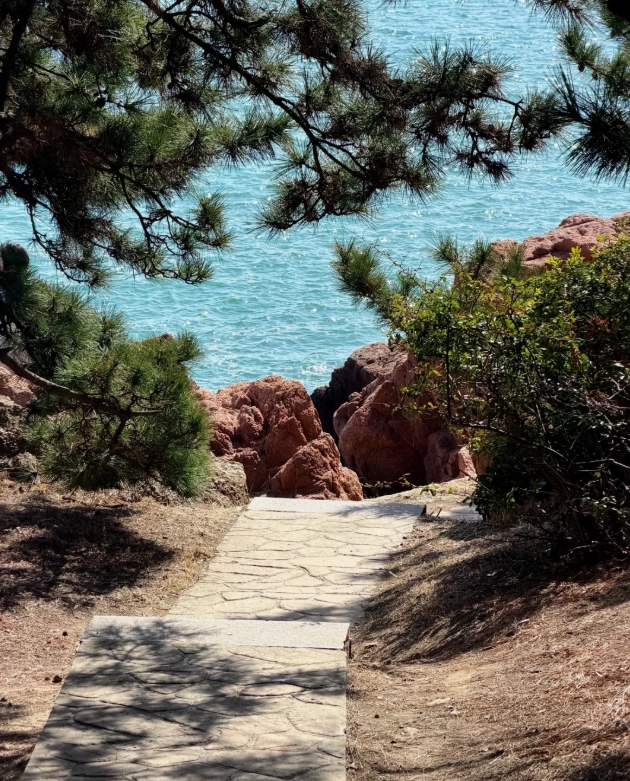
Autumn: September to November
Autumn is why people come back to Shandong a second time.
Sea temperatures lag the air by about a month, so swimming in Qingdao is at its most pleasant in early to mid-September, right when the crowds thin out. October brings the clearest skies of the year and the best chance of an unobstructed Mount Tai sunrise. By November the light turns golden and low, the Yellow River Delta wetlands near Dongying fill up with migratory birds, and hotel prices drop to their lowest comfortable level.
Winter: December to February
Winter here is cheap, empty and quietly beautiful, as long as you accept that some attractions shorten their hours.
Expect dry cold rather than damp cold, which sounds minor until you experience it — minus four in Jinan feels gentler than plus two in Shanghai. Jiuru Mountain outside Jinan freezes into cascading ice walls that photograph beautifully and get almost no international attention. Hot springs around Tai'an and Linyi are at their best now.
The catch is Spring Festival, which moves each year and shuts down half the country for about a week. Temple fairs in Jinan are worth seeing once, but transport in that window is genuinely unpleasant.
How Do You Plan a Shandong Trip Around the Best Months?
Shandong looks small on a map and is not. The province's highlights sit in four separate corners, and the high-speed rail network is what makes a one-week trip possible.
My standard advice is to run the route in one direction and never backtrack. Land in Qingdao, ride the rail corridor west, and fly out of Jinan.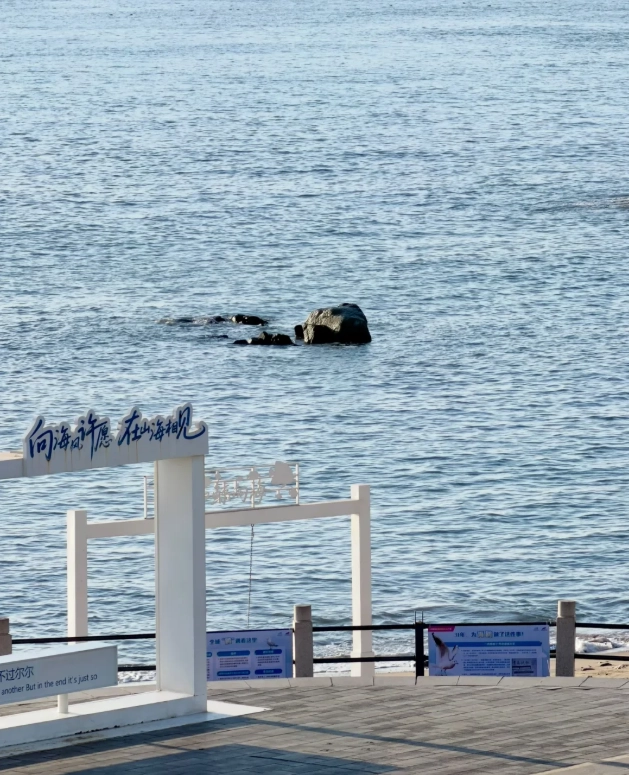
| Route | Fastest Option | Journey Time | Approx. 2nd-Class Fare | Booking Note |
|---|---|---|---|---|
| Qingdao to Jinan | G-series high-speed train | 1h 40m to 2h 10m | 120 to 160 RMB | Book 5 to 10 days ahead in peak season |
| Jinan to Tai'an | G-series high-speed train | 20 to 30 minutes | 25 to 35 RMB | Departures every 20 to 30 minutes |
| Tai'an to Qufu East | G-series high-speed train | 25 to 35 minutes | 30 to 40 RMB | Fewer departures after 6 p.m. |
| Qingdao to Qufu East | G-series high-speed train | 2h 30m to 3h | 170 to 200 RMB | Skips a Jinan backtrack |
| Jinan city to Yaoqiang Airport | Airport shuttle or Didi | 45 to 70 minutes | 20 to 150 RMB | Add buffer time in fog season |
Fares shift with train class and season, so check live prices on China Railway's official 12306 platform. If the Chinese interface fights you, Trip.com sells the same seats in English with a small fee, and your passport number is the only ID you need.
The coastal leg: Qingdao, Yantai, Weihai
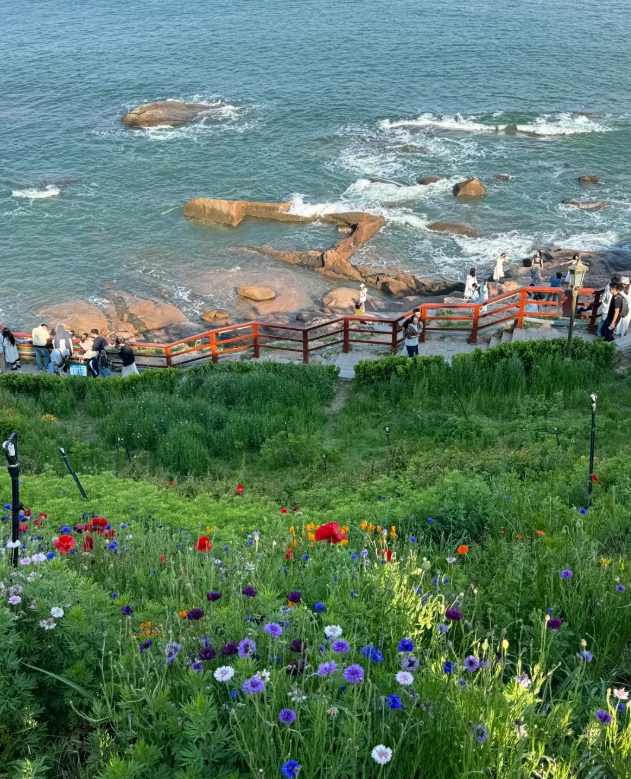
Give Qingdao two full days minimum. The old town, Badaguan's tree-lined lanes and the Zhanqiao Pier area are all walkable from each other, but they are not close — I clock about 12 km on foot in a normal day there. Yantai and Weihai are quieter, cheaper coastal towns that domestic travelers love and foreigners almost never visit.
The spring city leg: Jinan
Jinan gets dismissed as a transit stop. That is a mistake. Baotu Spring, Daming Lake and the old canal district sit within a 3 km triangle, and Furong Street's snack lane is right in the middle of it.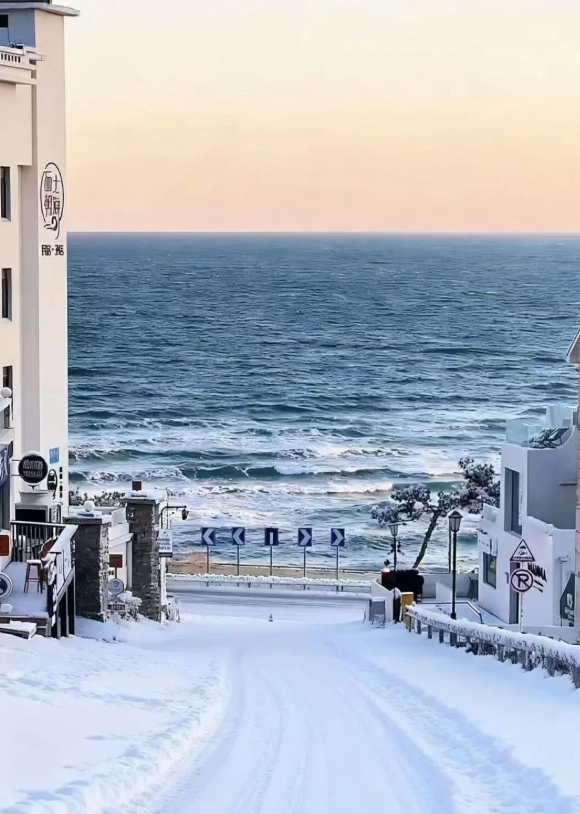
The mountain leg: Tai'an and Mount Tai
Mount Tai is a UNESCO World Heritage site, listed for its role as a site of imperial sacrifice rather than for scenery alone — that context makes the climb far more interesting. Read the UNESCO World Heritage listing for Mount Tai before you go and the temples at the summit will mean something.
The Confucius leg: Qufu
Qufu holds the Temple, Mansion and Cemetery of Confucius, also UNESCO-listed. It is small, walkable and best visited in the morning before tour buses arrive around 10 a.m.
The Best Month to Visit Shandong for Your Type of Traveler
Families with children
Mid-September to mid-October is the safest bet for kids, with late April as the backup. No heatstroke risk, no holiday crush, and every attraction runs full hours. The Qingdao Beer Museum keeps children entertained with the bottling line and old machinery, and Jinan's Shandong Museum is free, air-conditioned and enormous.
Hikers and sunrise chasers
Late September and October give you the highest chance of a clear sunrise on Mount Tai. The classic route from the Red Gate is roughly 6,000 stone steps. Most people climb overnight and arrive frozen and exhausted. I tell my clients to do the opposite: hike up in the afternoon, sleep at a summit hotel, and walk five minutes to the viewing area at 5 a.m. The extra hotel cost buys you a sunrise you will actually enjoy.
Photographers
Late October into early November is the best light of the year in Shandong. Low sun angles, clean air and long shadows. Here is a detail nobody puts in guides: the old town of Qingdao faces east, so morning light on the red rooftops is superb, but by 2 p.m. the narrow lanes are in flat shade and your photos look grey. Shoot the old town before 9 a.m.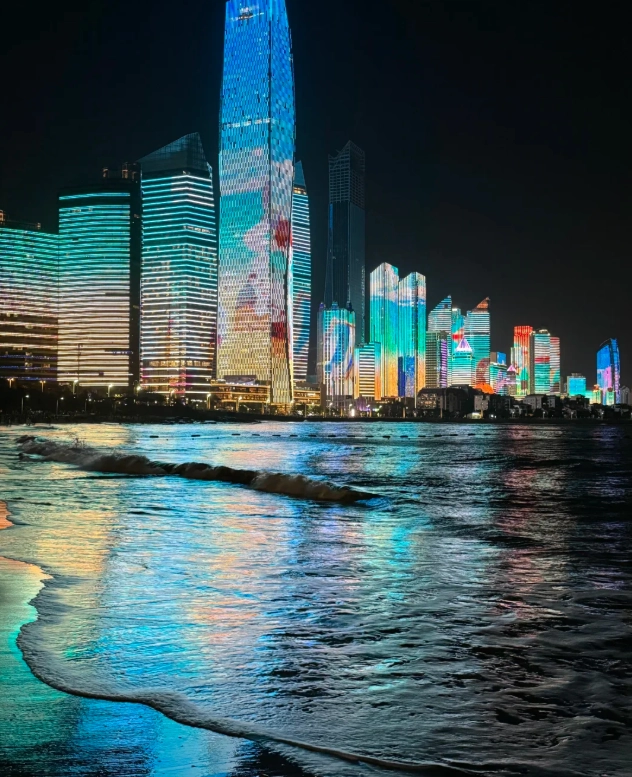
Budget travelers
November and March are the cheapest comfortable months. Hotel rates in Qingdao and Jinan drop noticeably outside the summer and Golden Week windows, high-speed train seats are easy to book the day before, and you will not be fighting anyone for a ticket counter.
Holidays, Crowds and Prices: The Calendar Traps Nobody Warns You About
Three travel windows can wreck a Shandong trip if you book into them blindly: early October, early May, and the Spring Festival period.
- National Day Golden Week, October 1 to 7 — hotels can double or triple, Mount Tai cable car queues stretch for hours, and high-speed train seats sell out within minutes of release.
- Labor Day, May 1 to 5 — shorter, but the same pattern on the coast.
- Spring Festival — dates move each year. Many small restaurants and shops close entirely for several days.
- Summer school holidays, early July to late August — not a public holiday, but domestic family travel peaks and beach towns feel it hardest.
- Qingming, early April — a long weekend that catches foreign visitors off guard.
Pro Tip: If your dates land inside Golden Week, do not try to see Mount Tai or Zhanqiao Pier. Instead, book a hotel in a smaller coastal town like Yantai or Weihai, ride the metro in Qingdao instead of taxis, and visit major sights on October 8 or 9 when the country goes back to work.
Getting Around Shandong: Trains, Payments and Apps That Actually Work
Two things break most foreign trips in China before the sightseeing even starts: payment apps that are not set up, and maps that do not work.
- Payments — link your international card to Alipay or WeChat Pay before you fly. Both work at almost every shop, restaurant and ticket window in Shandong. Cash is accepted by law, but small vendors often cannot break a 100 RMB note, so keep 10 and 20 RMB bills. Physical foreign credit cards are only reliably accepted at international hotel chains.
- Maps — Google Maps is unreliable in mainland China. Apple Maps works well and shows English labels, and AMap has an English-friendly global mode. Screenshot your destination in Chinese characters before you get in a taxi.
- Ride hailing — Didi runs inside Alipay with an English interface. It is almost always cheaper and less stressful than flagging a taxi at a station.
- Internet — install and test your VPN before departure. It will not download once you land.
- Language — Apple Translate and Baidu Translate both handle menus and signs reasonably. Offline Chinese packs are worth the two minutes it takes to download.
A 6-Day Shandong Itinerary in the Sweet Spot
This route works from mid-September to late October. It moves west, so you never backtrack.
Day 1 — Qingdao old town. Land at Jiaodong International Airport and take the airport express or a Didi into Shinan District, roughly 60 to 80 minutes depending on traffic. Walk Zhanqiao Pier, the old town lanes and St. Michael's Cathedral. Eat seafood dumplings near Zhongshan Road. Keep this day light on purpose — jet lag plus 12 km of walking is how trips fall apart.
Day 2 — Qingdao coast. Badaguan in the morning for the light, then the Qingdao Beer Museum, then May Fourth Square at sunset. Badaguan to the Beer Museum is about 20 minutes by Didi. If rain moves in, swap the coast for the Qingdao Museum or the art museum in the old town.
Day 3 — Qingdao to Jinan. High-speed train takes about 2 hours. Afternoon at Baotu Spring, evening at Daming Lake, dinner on Furong Street. Baotu Spring to Daming Lake is a 20-minute walk. Rain plan: the Shandong Museum, which is free but closed on Mondays — check before you go.
Day 4 — Jinan to Tai'an and up the mountain. The train takes about 25 minutes. Drop bags at a hotel near the station, then taxi 15 minutes to the Red Gate and climb in the afternoon, or take the bus and cable car if your knees object. Sleep at the summit.
Day 5 — Sunrise, then Qufu. Sunrise around 5:30 to 6 a.m. depending on the month. Descend by cable car and shuttle, collect your bags, and take a 30-minute train to Qufu East. Afternoon at the Temple of Confucius.
Day 6 — Qufu to home. Morning at the Cemetery and Mansion, then a high-speed train back to Qingdao or Jinan for your flight. Leave at least four hours between your train arrival and your international departure.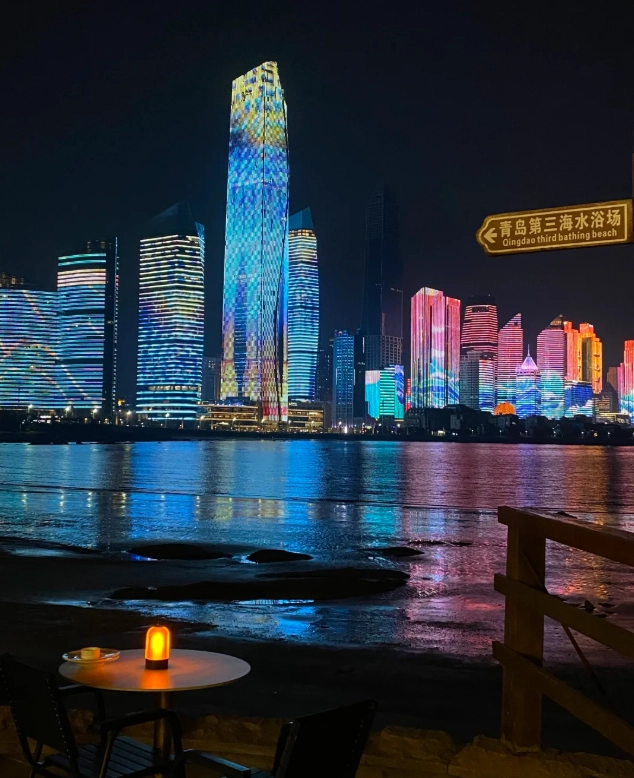
Where to Stay in Shandong, City by City
Pick the neighborhood first and the hotel brand second. In Shandong, location saves you more time than a nicer lobby ever will.
| Area or Property Type | City | Best For | Price Band per Night | Why I Send People There |
|---|---|---|---|---|
| Badaguan and No. 2 Bathing Beach boutique stays | Qingdao | Couples, photographers | 500 to 1,200 RMB | Quiet tree-lined streets, walkable to the coast |
| Zhanqiao and old town guesthouses | Qingdao | First-timers, backpackers | 250 to 600 RMB | Steps from the pier, easy metro access |
| International chains near May Fourth Square | Qingdao | Families, business travelers | 700 to 1,500 RMB | English-speaking front desk, stable Wi-Fi |
| Quancheng Road and Daming Lake area | Jinan | Almost everyone | 400 to 1,000 RMB | Walking distance to Baotu Spring and Furong Street |
| Chain hotels near Tai'an Railway Station | Tai'an | Mount Tai climbers | 200 to 450 RMB | Luggage storage, 15 minutes by taxi to the Red Gate |
| Old town stays near the Temple of Confucius | Qufu | Culture-focused travelers | 250 to 600 RMB | Walk to the Confucius sites before the buses arrive |
Two practical notes. Peak-season rates in Qingdao can climb well above these bands during July, August and Golden Week, so book early or shift your dates. And if you are booking a guesthouse rather than a chain hotel, message them in advance about luggage storage — many small properties cannot hold bags after checkout, which matters a lot on a one-night stop in Tai'an.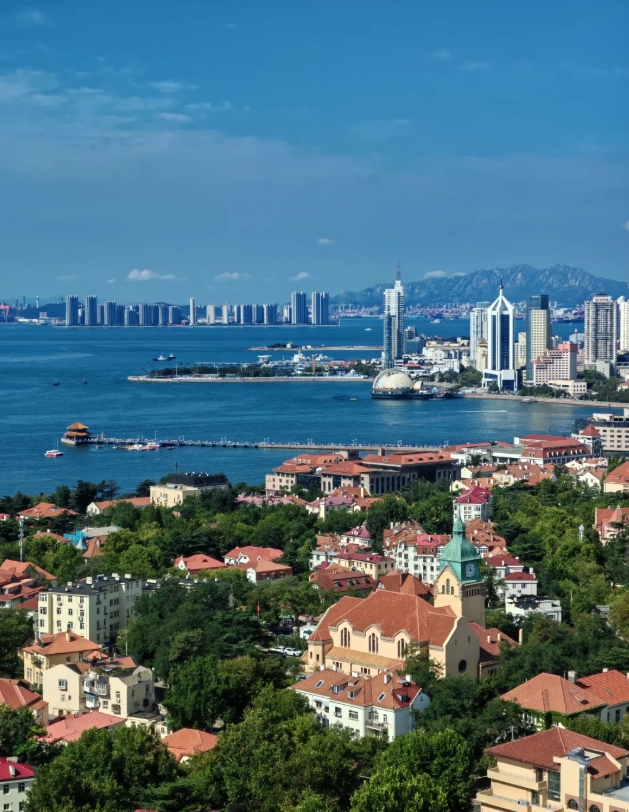
What to Eat in Shandong, Season by Season
Shandong cuisine, known as Lu cuisine, is one of China's eight great culinary traditions, and autumn is when the coast eats best.
From September to November, Qingdao's markets fill with clams, prawns and mantis shrimp. The local way is a plate of steamed clams with a cold glass of draft beer, eaten standing up. For a sit-down meal with a picture menu, the Chuan Ge fish dumpling chain has several branches across Qingdao, runs about 80 to 120 RMB per person, and is easy for non-Chinese speakers. Expect a 20 to 30 minute wait after 6:30 p.m. on weekends.
In Jinan, look for braised pork belly over rice at the Chaoyixing chain — 20 to 35 RMB, no English menu, point at what you want. It is the meal I eat most often in this province. Furong Street's snack lane is fun but shoulder-to-shoulder between 6 and 9 p.m., so go early or late.
Winter belongs to mutton soup and hot pot. Spring brings fresh greens and river fish. And a word of warning about the beer street next to the Qingdao Beer Museum: the restaurants there are tourist-priced. Walk two blocks inland and the same clams cost half.
Shandong Travel Questions I Answer Every Week
My only free dates are in July or August. Is Shandong still worth visiting?
It is, but you have to flip your daily rhythm. Be at your first sight by 6:30 a.m., rest indoors between 1 and 4 p.m., then head out again after 6. Climb Mount Tai overnight rather than in the afternoon heat, and build the Qingdao Beer Museum, the Shandong Museum and Jinan's underground shopping streets into your plan as heat refuges. What you should avoid is the classic 9 a.m. to 6 p.m. sightseeing schedule. That is the one that ruins August trips.
How do I book Mount Tai and other Shandong attractions without a Chinese ID card?
Most sites now use real-name reservation through WeChat mini-programs, and yes, navigating a pure-Chinese mini-program to reserve a cable car slot is genuinely frustrating — I have fumbled it in front of clients more than once. The workaround is Trip.com or Klook, which sell the same tickets for foreigners with passport entry at a small markup. Alternatively, hand your passport to your hotel front desk and ask them to reserve for you. Carry the physical passport on the day; a phone photo will not scan at the gate.
Is Golden Week in Shandong really as bad as people say?
On October 1 to 7, yes. Mount Tai cable car queues can run for hours, Qingdao's coastal hotels hit their annual peak, and high-speed train seats disappear fast. The escape route is to skip the headline sights entirely that week and go to Yantai, Weihai or the Yellow River Delta instead. Those places absorb crowds far better, and you can see Mount Tai on October 8 when the country returns to work.
Do I need a visa to visit Shandong, and does visa-free transit apply?
Qingdao Jiaodong International Airport is one of the ports included in China's visa-free transit arrangements for eligible nationalities, and the rules have been expanded and adjusted several times. Because eligibility depends on your passport, your onward ticket and your intended travel area, confirm your specific case with the National Immigration Administration before you book anything non-refundable.
What should I pack for a September or October Shandong trip?
Layers, a light rain shell, and genuinely broken-in walking shoes — the stone steps on Mount Tai and the cobbles in Qingdao's old town punish thin soles. Add one warm mid-layer for the summit, where it runs 8 to 12 degrees colder than the base and the wind is constant. A power bank matters more than you think, because you will be scanning QR codes for payments, tickets and menus all day, and cold mornings drain phone batteries fast.
Verified and fact-checked by the editorial team. Ticket prices, reservation rules and transport schedules in China change frequently, so confirm current details through official channels or a reputable English-language booking platform before you travel.

No comments yet.