 Yan Zhou
Start Here — My Quick Route Map
I once watched a client sprint across Shanghai Hongqiao with three suitcases. He missed the 7:02 to Jinan by ninety seconds. His mistake wasn't the luggage — it was assuming the metro would be empty at dawn.
Booking the Shanghai and Shandong route is mostly a rail problem, not a sightseeing problem. Solve the trains first. Most first-timers do it backwards: they lock in hotels, then panic over tickets, then end up stuck in a station at 10 p.m. with a phone that refuses to load a payment page.
Here is my honest verdict after running this line more times than I can count. Go south to north. Shanghai Hongqiao to Qufu East first, then Tai'an, then Jinan, then Qingdao. Reverse it and you will climb Mount Tai on a Saturday alongside every domestic tour group in the province. Nobody warns you about that.
The quick map is above. Take what you need.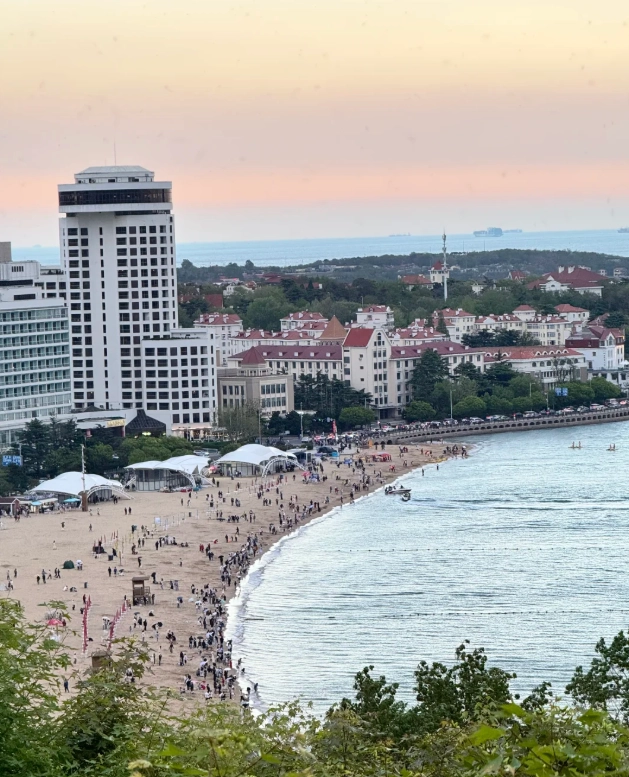
What the Shanghai and Shandong Route Actually Looks Like
Think of it as a Y, not a straight line. Shanghai is the stem. Somewhere around Jinan the line forks — west toward Qufu and Tai'an, east toward Qingdao. That shape decides whether you flow or backtrack.
The Rail Spine: Shanghai, Qufu, Tai'an, Jinan, Qingdao
Every leg of this route runs on China Railway's G-series high-speed trains, and not one of them takes longer than a morning. You never need a domestic flight until the final return leg, and even that one is optional.
The station that catches people out is Qufu East. It sits roughly 12 km east of the old town, out in what is basically open farmland. There is no metro. Taxis queue outside the exit, and the ride into the walled old town runs about 20 minutes. Budget it.
Jinan is worse in a different way. The city has three high-speed stations — Jinan West, Jinan East and the older central Jinan station — and they are nowhere near each other. I have had clients book a hotel beside Daming Lake and then arrive at Jinan East, which quietly adds 40 minutes of city traffic nobody budgeted for.
| Route Segment | Train Type | Typical Journey Time | Approx. 2nd Class Fare | Station Note |
|---|---|---|---|---|
| Shanghai Hongqiao to Qufu East | G | 3h 20m – 3h 50m | ¥350 – ¥450 | Taxis wait outside the main exit; no metro link |
| Qufu East to Tai'an | G | 25 – 35 min | ¥30 – ¥50 | Short hop; no need to change hotels if you are tired |
| Tai'an to Jinan | G | 20 – 30 min | ¥30 – ¥50 | Check which Jinan station before you book the hotel |
| Jinan to Qingdao | G | 1h 40m – 2h 40m | ¥120 – ¥180 | Qingdao North and central Qingdao are far apart |
| Qingdao to Shanghai Hongqiao | G | 5h – 7h | ¥500 – ¥650 | Flying takes 1h 30m but eats airport time |
Those fares move with train type, seat class and how far ahead you book. Confirm the live number on China Railway's official 12306 platform before you commit money to anything else.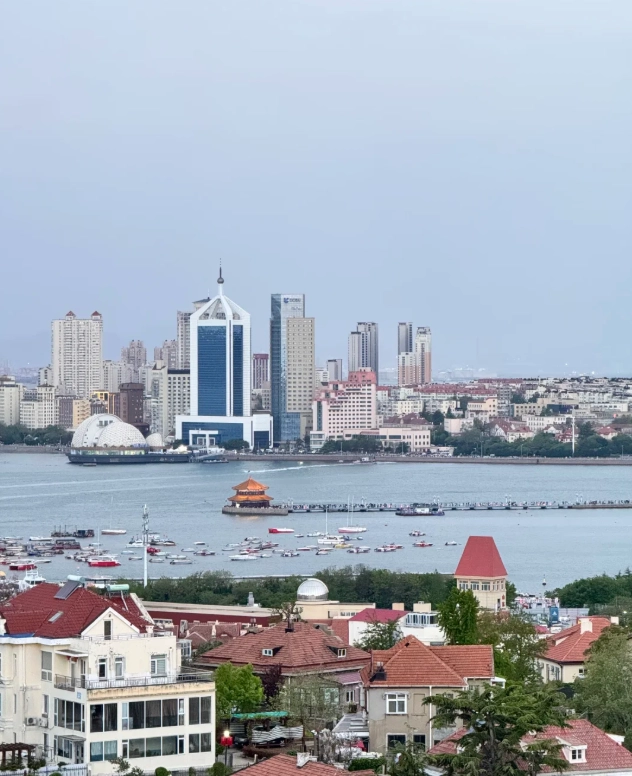
How Many Days Do You Actually Need?
Eight days is the honest minimum for Shanghai, Qufu, Mount Tai, Jinan and Qingdao without living out of a rolling suitcase.
Six days works if you cut Shanghai to a single evening and skip Jinan entirely. Ten days lets you add Yantai or Weihai on the coast, which is where Chinese holidaymakers go when they want a beach that is not Qingdao in August.
Here is the bit that goes against most published itineraries. They give Qingdao two nights and Qufu one. I would flip that if you care about history at all. Qufu after 4 p.m., once the tour buses have pulled out, is a completely different town — quiet courtyards, no selfie sticks, and light that actually lets you photograph the stone lions.
How to Book Train Tickets as a Foreigner
Ticket booking is the single biggest point of failure on this route, and it has almost nothing to do with your Chinese.
12306 or Trip.com — Which One Should You Actually Use?
Use the official 12306 app if your passport details scan cleanly; use Trip.com if you want an English interface and can tolerate a small service fee.
12306 has an English version now and accepts foreign passports. Registration is the wall. You type your passport number exactly as printed, and if your name carries a hyphen, a middle name or a space that does not match the machine-readable zone, verification can bounce and you will not know why.
Trip.com charges a markup per ticket and lets you pay with an international card. On a two-week trip with four rail legs, that fee buys a surprising amount of peace.
One thing to know before you start: China Railway uses real-name ticketing, and the National Immigration Administration handles the visa side separately. Your passport is both your ID and your boarding pass.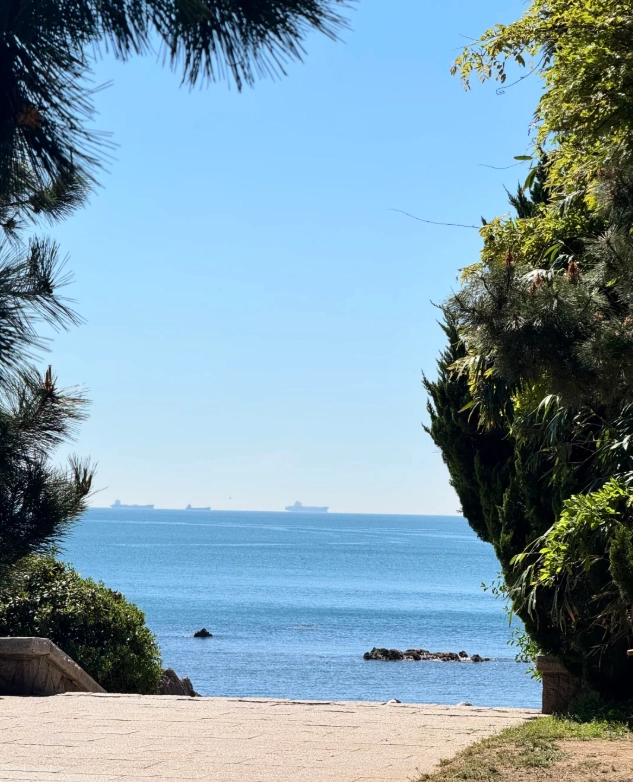
Passport, Security, and the Gate Nobody Explains
Your passport is your ticket. At most stations there is no paper ticket to collect and no counter to visit.
- Arrive 40 minutes before departure. Big stations like Shanghai Hongqiao need more.
- Security screening comes before the waiting hall, not at the platform. Liquids, power banks and umbrellas all get scanned.
- Foreign passports usually fail the automatic gates. Look for the staffed lane and hand the passport over.
- Boarding gates display train numbers, not city names. Learn your train number — it is four digits, often starting with G.
- Gates close about five minutes before departure. They do not reopen for you.
Pro Tip: Chinese stations post the platform and gate number only around 15 minutes before departure. Do not park yourself far from the departure boards. At Shanghai Hongqiao and Qingdao North, the walk from the waiting area to the platform can take five minutes on its own, and that is before you queue behind 400 people with the same idea.
My 8-Day Route, Hour by Hour
Days 1 and 2: Shanghai Without the Queue Trauma
Give Shanghai two nights and use your mornings for the places everyone else visits at noon.
The Bund at 6:30 a.m. is a completely different experience — joggers, wedding photographers, and the Pudong skyline lit up without a single tour flag in frame. By 10 a.m. it is a wall of people and you will hate it.
For the Shanghai Museum on People's Square, you need a free timed reservation made in advance through the official channel or a booking platform. Walk-ins get turned away at the door, and I have seen grown adults argue with the staff about it. Do not be that person.
Getting around is easy: metro Line 2 connects Pudong Airport, People's Square and Hongqiao Railway Station in one straight line. Load your Alipay transit QR code before you land.
Days 3 and 4: Qufu, Confucius, and the Mount Tai Climb
Take a morning train from Shanghai Hongqiao to Qufu East, drop your bags, and be inside the Confucius Temple by early afternoon.
The Temple and Cemetery of Confucius and the Kong Family Mansion carry a UNESCO World Heritage listing, and the scale surprises people who expect a single courtyard. It is closer to a walled town within a town. Combined tickets cover all three sites and run in the low hundreds of yuan; buy at the gate or through an English-language platform.
Day 4 is Mount Tai. Take the short train to Tai'an, leave your bag at the station or your hotel, and start early. There are three routes up, and the classic Hongmen stone staircase is the one in every photo.
A practical warning about the cable car: it only covers the middle section. You still climb stone steps at both ends. I have watched confident hikers turn around at the top station because nobody told them that.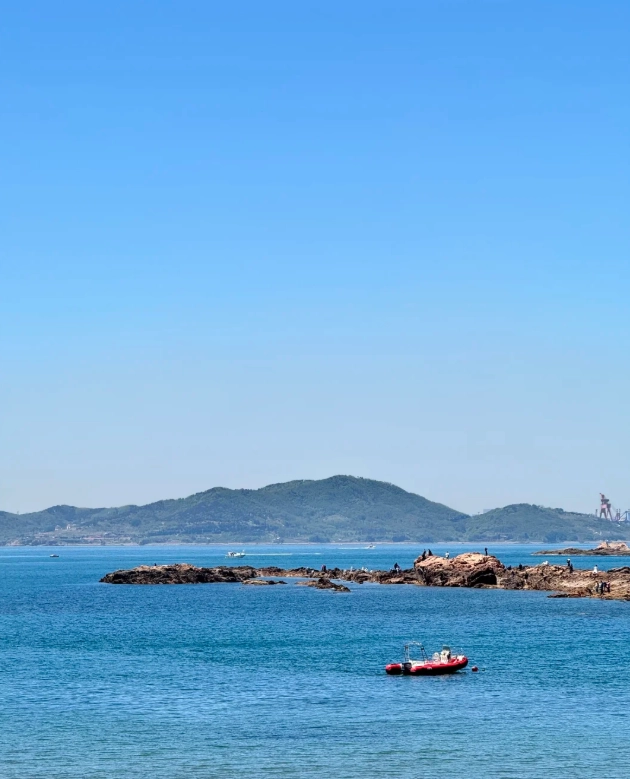
Days 5 and 6: Jinan, the City Everyone Skips
Jinan is the stop most foreign itineraries cut, and it is the one I would defend hardest.
This is the city of springs. Baotu Spring is the famous one and tickets are modest — a few dozen yuan, with discounts for children and seniors. Go at opening time. By mid-morning the spring pools are ringed three deep.
Daming Lake is free, enormous, and best walked in the late afternoon when the light softens. The Kuanhouli food street sits a short walk away and is where I send clients for an easy first Shandong dinner.
Days 7 and 8: Qingdao and the Beer That Tastes Different Here
Qingdao's draft beer genuinely tastes better in Qingdao, and it is not patriotism — the local unpasteurised beer simply does not travel well.
Start at Zhanqiao Pier early, walk the Old Town, then take a taxi to Badaguan for the tree-lined streets and the villas. The Beer Museum is worth two hours if you like industrial history; skip it if you do not.
Dengzhou Road in the evening is the beer street. Expect plastic stools, grilled squid, and noise. It is a scene, not a quiet dinner.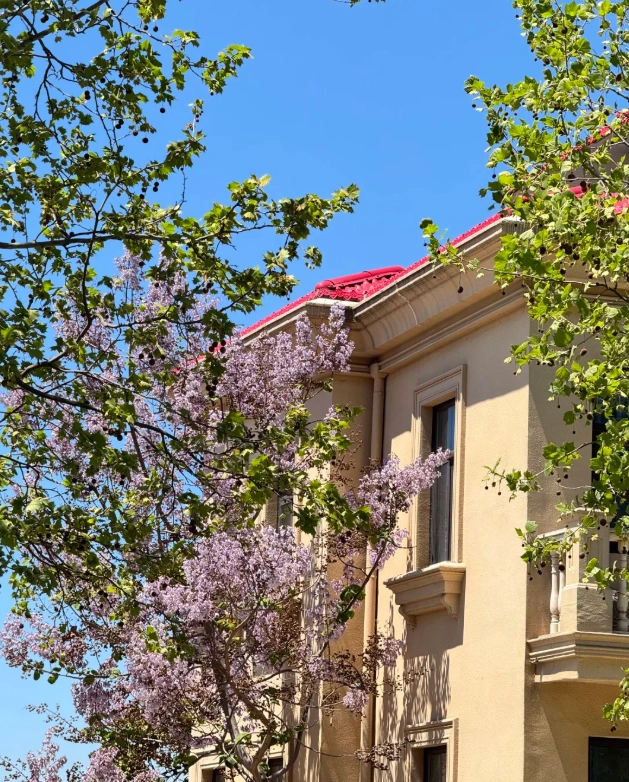
What to Do When It Rains
Shandong's summer rain arrives in short violent bursts, so build a two-hour indoor escape into every day instead of cancelling plans.
- Qingdao: the Beer Museum, or any of the coffee shops in the Old Town's converted German-era buildings.
- Jinan: the Shandong Museum, which is large, free with reservation, and rarely crowded on weekdays.
- Shanghai: the Shanghai Museum, or the covered arcades around Yu Garden if you just need to stay dry.
- Tai'an: honestly, there is no great indoor option. If the mountain is closed, take an earlier train to Jinan and reclaim the time.
Where to Sleep Without Wasting Time
Hotel Picks by City
On this route, the right hotel is the one closest to the station you will actually use — not the one closest to the postcard.
| Area | City | Est. Nightly Range | Best For | On-the-Ground Convenience |
|---|---|---|---|---|
| Bund / Fuzhou Road | Shanghai | ¥700 – ¥1,400 | Couples, first-timers | 5–8 min walk to the promenade; Line 2 and Line 10 metro nearby |
| Qufu Old Town guesthouses | Qufu | ¥300 – ¥600 | Culture-focused solo travelers | Walkable to the Confucius Temple; limited English at reception |
| Near Hongmen gate | Tai'an | ¥350 – ¥700 | Night hikers | About 10 min on foot to the Hongmen trailhead |
| Around Daming Lake | Jinan | ¥450 – ¥900 | Families, mid-range comfort | 5 min walk to the lake; convenience stores on the corner |
| Old Town or May Fourth Square | Qingdao | ¥600 – ¥1,200 | Anyone who wants sea air | Short taxi to Zhanqiao Pier; seafood streets on foot |
Two things I check before recommending any hotel on this route. First, whether the front desk can handle a Chinese-language mini-program booking on my behalf — that single skill saves hours. Second, whether there is an elevator, because a lot of charming Old Town properties in Qufu and Qingdao are converted buildings with steep wooden stairs and no lift.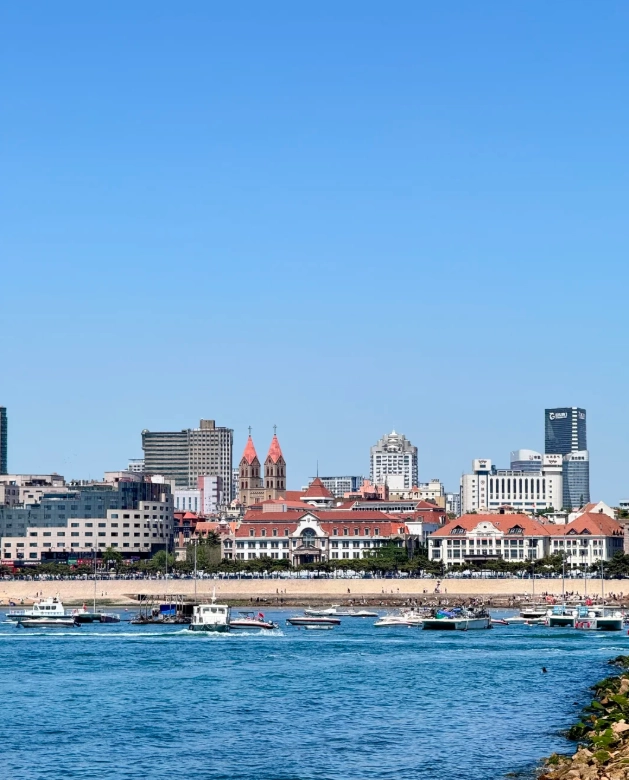
What to Eat Along the Way
Jinan: Breakfast That Costs Less Than a Coffee
Shandong breakfast is savoury, cheap and fast, and it will reset your idea of what morning food looks like.
Look for a jianbing stall or a small noodle shop near your hotel. A bowl of Shandong-style noodles plus a stuffed flatbread typically lands between ¥15 and ¥30. Cash is often accepted at these stalls, though most younger vendors prefer a QR scan.
For a proper sit-down dinner, head to the Kuanhouli area. Sweet-and-sour flavours run strong in Shandong cooking, so if you dislike sugar in savoury dishes, say so — the phrase for "not sweet" is worth having saved in your translation app.
Qingdao: Clams, Beer, and One Warning
Order the clams, order the draft beer, and check the price per jin before you point at anything live in a tank.
Chunhelou on Zhongshan Road in the Old Town is the classic address for old-school Qingdao cooking, and a meal for two with beer usually runs ¥150 – ¥300 depending on what seafood you add.
Insider Advice: Seafood streets price by weight, and the weight includes shells. Ask to see the scale and confirm the total before cooking starts. This is not a scam specific to Qingdao — it is how the whole coast works — but it catches visitors off guard every single summer.
Payment, Maps and Other Trip-Ups
Alipay, WeChat Pay, and the Cash Question
Link your international card to Alipay before you fly, and treat WeChat Pay as your backup rather than your primary.
Alipay's foreign-card support is the smoothest of the two, and it now covers metro rides, train tickets and most small vendors. WeChat Pay works, but the verification flow is fussier and a failed verification mid-trip is genuinely painful to fix.
Carry ¥300 – ¥500 in cash as a floor. Older stalls, some temple ticket windows and a handful of rural taxi drivers still take notes. Physical international credit cards are accepted at big hotels and almost nowhere else.
Which Map App Actually Works in China
Google Maps is unreliable inside China — not blocked everywhere, but wrong often enough to get you lost.
Apple Maps works well for English speakers and handles transit directions in major cities. AMap, also branded as Gaode, is the most accurate option overall and has a usable English mode, though the interface still leans Chinese.
Whatever you use, save your destinations as Chinese characters alongside the English name. When you show a driver your phone, the Chinese version is what they will actually read.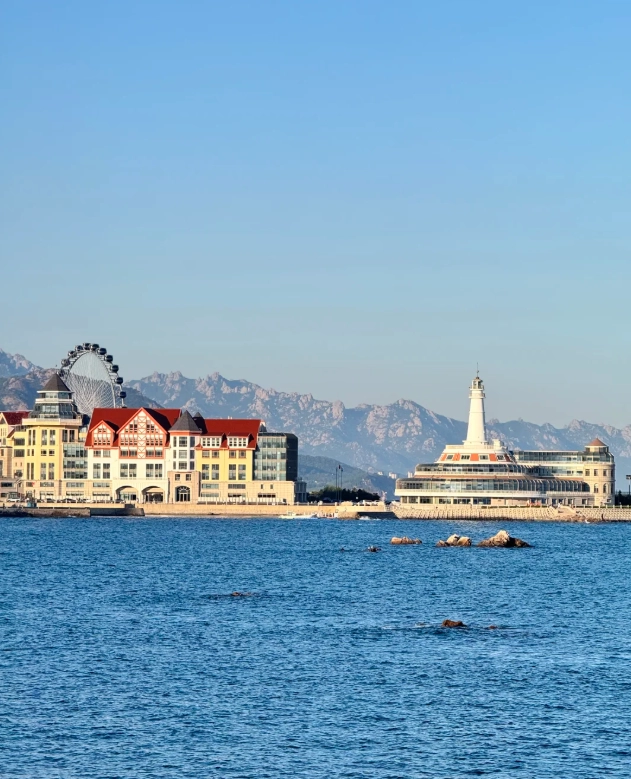
Route Questions I Get Asked Constantly
Can I travel the Shanghai and Shandong route without speaking any Chinese?
You can, but the friction concentrates in three places: station signage, ticket booking, and taxi communication. Download offline translation before you leave, screenshot your hotel address in Chinese characters, and let hotel staff handle any mini-program booking you cannot read. The rail system itself is far more foreigner-friendly than it was five years ago, and staff at major stations generally know enough English to point you to the right gate.
Is visa-free transit enough to cover this whole route?
Visa-free transit policies in China have expanded significantly and now cover longer stays in many regions, but eligibility depends on your nationality, your entry and exit ports, and your onward ticket. The rules change more often than most travel blogs update. Check the current list directly with the National Immigration Administration before booking anything non-refundable.
Should I fly or take the train from Qingdao back to Shanghai?
Flying is faster in the air and slower on the ground. Qingdao's airport sits well outside the city, and Shanghai's airports are also a trek from the centre, so a 1h 30m flight often eats six hours door to door. The high-speed train takes five to seven hours but drops you at Hongqiao, which is already on the metro. If you have the time, take the train and work on the way.
Is Mount Tai manageable if I have knee problems?
Partly. The cable car removes the brutal middle section, but you still face stone stairs at the bottom and a steep final approach at the top. Trekking poles help more than you would expect, and the downhill is harder on knees than the climb. If your knees are genuinely bad, take the bus plus cable car combination and accept that you will skip the classic staircase entirely.
What happens if I miss my high-speed train?
You can usually rebook onto a later train the same day, subject to seat availability and a change fee, and this is done at the station ticket office rather than online. Go straight to the staffed counter with your passport. Do not buy a fresh ticket before asking about a change, because the change is often cheaper. On popular weekend routes between Jinan and Qingdao, later trains can sell out, so have a fallback plan.
Verified and fact-checked by the editorial team to ensure informational precision.



No comments yet.