 Yan Zhou
The Route I Hand My Clients
- What Is a Classic Shandong Itinerary, Actually?
- How Do You Move Between Shandong's Cities Without Wasting Days?
- Days 1–2: Jinan, the City of Springs
- Days 3–4: Mount Tai Without the Misery
- Day 5: Qufu — Confucius in One Day
- Days 6–8: Qingdao, Beer and the Sea
- Where to Stay and What It Costs
- Mistakes I Watch Foreign Travelers Make
- Questions I Get Asked Before Every Shandong Trip
Six a.m. on Mount Tai. My client is wheezing. I'm eating a cucumber.
I bought it from a woman near the South Gate of Heaven for a couple of yuan, and honestly it was the best thing either of us ate that morning. My client had booked what the internet calls a classic Shandong itinerary — four cities, five days — and by the third morning she was wedged into a cable car queue with a few thousand strangers, quietly wondering why her legs had stopped cooperating.
I have run this loop more than a dozen times with foreign travelers. The scenery never disappoints. The logistics are what break people.
So here is the shortcut before we go any further: lock your high-speed rail seats the moment your dates are fixed, climb Mount Tai in the late afternoon instead of at midnight, and give Qufu a full day rather than a rushed morning. Those three decisions alone erase most of the misery I see on this route. Eight days is the sweet spot. Six works if you cut Qingdao to a single overnight.
Here is the whole thing, laid out the way I would brief you over coffee at the airport.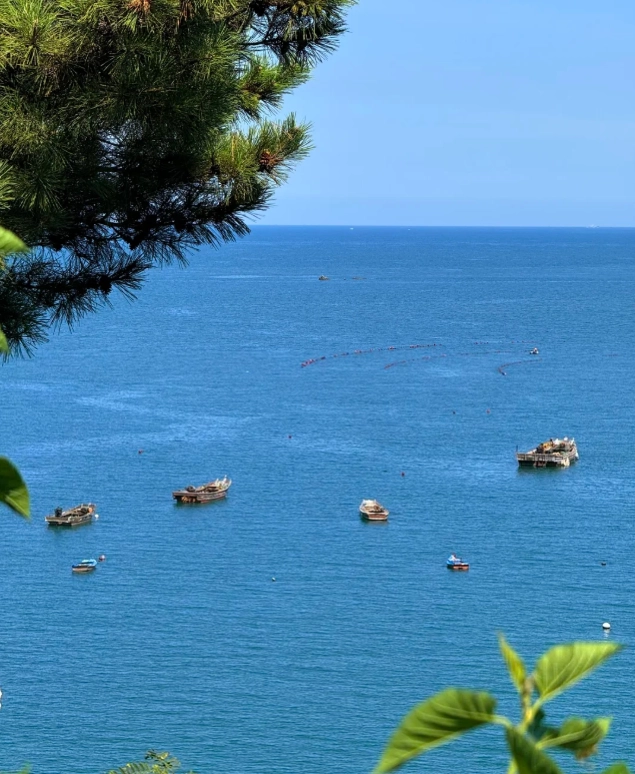
What Is a Classic Shandong Itinerary, Actually?
The classic Shandong route is a rail loop through four places: Jinan, Tai'an, Qufu and Qingdao. They line up on one high-speed corridor, which is exactly why the trip works — and also why so many travelers assume it is a three-day job. It is not. Every stop deserves a full day, and Mount Tai eats two.
Jinan, the provincial capital, is the spring city. Artesian water has been pushing up through the city center for a couple of thousand years, and locals still queue with buckets at the free taps. Tai'an sits barely 20 minutes south by rail and exists mostly as the gateway to Mount Tai, the most climbed mountain in China. Qufu is another half hour further south — a small town that happens to be the hometown of Confucius. Qingdao is the odd one out: a German-era port on the Yellow Sea, two hours east by train, with beer halls, beaches and brick architecture that looks nothing like the rest of the province.
Shandong holds three UNESCO World Heritage listings — Mount Tai, the Temple and Cemetery of Confucius with the Kong Family Mansion in Qufu, and a stretch of the Grand Canal. The UNESCO World Heritage Centre classifies Mount Tai as a rare mixed site, cultural and natural at once, which is a big part of why it feels so different from China's other sacred mountains.
| Days | Base City | What You Are Actually Doing |
|---|---|---|
| Day 1–2 | Jinan | Baotu Spring, Daming Lake, Qianfo Mountain, Furong Street and Kuanhouli food crawl |
| Day 3–4 | Tai'an | Dai Temple, Mount Tai ascent, summit sunset, optional sunrise |
| Day 5 | Qufu | Temple of Confucius, Kong Family Mansion, Cemetery of Confucius |
| Day 6–8 | Qingdao | Old town and Zhanqiao, Tsingtao Brewery Museum, Badaguan coast, seafood and beer |
Notice what is missing from that table: Yantai and Penglai. Every second traveler asks about them. They are lovely. They are also a long transfer east of Qingdao with no rail connection that actually saves you time, and tacking them on turns a comfortable eight days into a forced march. Save them for a second trip.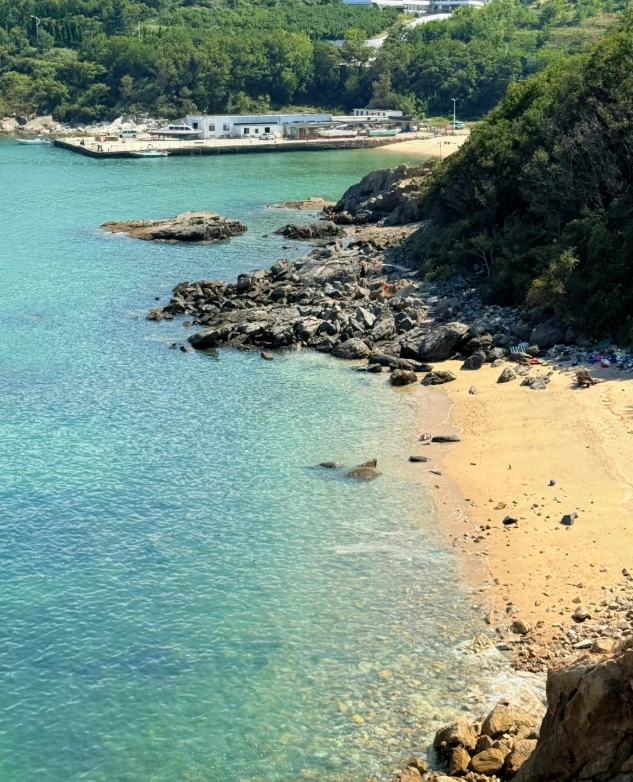
How Do You Move Between Shandong's Cities Without Wasting Days?
Shandong's high-speed rail is fast, cheap and almost always punctual — the real trap is picking the wrong station, because most cities here have several and they are nowhere near each other.
| Route | Journey Time | Approx. Second-Class Fare | Station Note |
|---|---|---|---|
| Jinan West → Tai'an | 20–25 min | 30–40 CNY | Tai'an's high-speed station sits about 20 minutes by taxi from the Red Gate trailhead |
| Tai'an → Qufu East | 25–35 min | 40–60 CNY | Qufu East is 15 km east of the old town, no metro connection |
| Qufu East → Qingdao | 2 hr–2 hr 30 min | 170–220 CNY | Qingdao station drops you in the old town, Qingdao North does not |
| Qingdao → Jinan | 1 hr 40 min–2 hr 40 min | 150–200 CNY | Use this leg to reposition for a flight out of Jinan |
Fares shift with season and train type, so treat those numbers as planning figures rather than gospel. Schedules and seat classes live on China Railway's official 12306 platform, and for English-language booking with an international card, Trip.com is the path of least resistance.
A few station facts that save real time:
- Jinan has three passenger stations. Jinan West handles nearly all high-speed services, Jinan is the old central station, and Jinan East is stranded out in the suburbs. Read the character on your ticket, not just the city name.
- Qufu East is not in Qufu. A taxi to the Confucius Temple area takes 25 to 30 minutes and costs roughly 40 to 60 CNY. Local buses run, but the signage is Chinese-only.
- Qingdao station is the one you want for the old town, Zhanqiao Pier and the German quarter. Qingdao North is better for Laoshan and the airport line.
- Your passport is your ticket. Staff scan it at the gate. Foreign passports regularly fail the automated barriers, so use the staffed lane instead of queuing twice.
Pro Tip: Give yourself 25 minutes at the station, not 10. Security at Jinan West and Qingdao North can swallow 15 minutes on a long weekend, and the departure gates close several minutes before the train actually leaves.
Set these up before you fly: Alipay linked to your international card, an offline translation app such as Apple Translate or Baidu Translate, and a navigation app that actually works in mainland China. Google Maps is unreliable here and will happily route you onto the wrong side of a river. Use Apple Maps or AMap, and keep your hotel's Chinese name and address saved as a screenshot to show drivers.
Days 1–2: Jinan, the City of Springs
Most foreign travelers treat Jinan as a rail hub and skip it entirely. That is a shame, because it is the cheapest, calmest, most walkable stop on this route — and it is where you will eat your best breakfast of the trip.
Baotu Spring: Tickets, Timing and the Passport Rule
Baotu Spring Park is the one paid sight in Jinan you should not skip, and the only civilized time to walk through the gate is before 8:30 a.m. The park sits at 1 Baotuquan South Road in Lixia District, and the nearest entrance to aim for is the east gate — show a driver the characters for the east gate and you will be dropped right there.
Admission runs around 40 CNY, with reduced rates for children, students and seniors on production of ID. There is also a combined pass covering Baotu Spring, Daming Lake and Qianfo Mountain that usually pays for itself if you are hitting all three within two days. Entry is real-name, which means your passport, and booking runs through the official WeChat account or Trip.com. Opening hours stretch later in summer, and last entry is typically about an hour before closing — confirm the current schedule at your hotel, because it moves with the season.
Here is the part the blogs leave out. Between 10:00 and 14:00, the narrow walkways around the main spring pool turn into a slow-moving queue, and the stone railings are lined three deep with phones. After 16:30 the crowds thin and the light on the water turns gold. I have photographed that pool dozens of times and never once gotten a clean shot at midday.
Daming Lake and Qianfo Mountain Without the Crowds
Daming Lake is free to walk and best in the final hour before sunset, when the boats come in and the pagoda lights up. The main park circuit takes 60 to 90 minutes at an easy pace. Some smaller zones are ticketed separately, but the bulk of the lakefront is open.
Qianfo Mountain, the Thousand Buddha Mountain, is a 30 CNY-ish climb with a cable car if your legs are already tired from the flight. Budget two hours. The Shandong Museum is free with a passport reservation and closes on Mondays — it is an excellent rain plan, and the bronze and Han dynasty galleries are genuinely worth an afternoon.
What to Eat in Jinan, and What to Walk Past
Furong Street is a tourist strip, and I say that as someone who has eaten there plenty of times. It is fine for a photo and a grilled skewer, but the value is thin and the crowds are thick. Walk 10 minutes to the Kuanhouli area near Baotu Spring instead for a proper snack crawl, or do what locals do and eat a serious breakfast.
- Bazi rou — braised pork belly served over rice, glossy and faintly sweet. This is the dish I order every single time.
- Tianmo — a savory millet-flour soup with peanuts and vermicelli. The name translates as "sweet foam" and it is neither sweet nor foamy. Order it anyway.
- Jiu zhuan da chang — braised pork intestine in a sweet-sour sauce. Not for everyone. Absolutely for some of you.
One practical warning: small breakfast shops in Jinan are phone-payment only. Your Alipay or WeChat Pay QR code is the whole transaction, and a foreign credit card will get you a polite shrug. Carry a little cash as backup — it is legal tender and must be accepted, though staff may struggle to make change early in the morning.
Days 3–4: Mount Tai Without the Misery
This is the part of a classic Shandong itinerary that people either love or quietly regret. The mountain itself is magnificent. The way most visitors climb it is not.
The Midnight Climb vs. the Late-Afternoon Climb
Nearly every guide tells you to start climbing Mount Tai at midnight to catch the sunrise. I have done it, and I do not recommend it for a first visit. What actually happens is this: thousands of people set off between 22:00 and 23:00, the path from the Red Gate up to the Midway Gate to Heaven becomes a shuffling column, and the cable car queue at dawn can run well past an hour. You reach the summit frozen and exhausted, then watch the sunrise shoulder to shoulder with a few thousand strangers.
The better play, and the one I now give every client: enter around 14:00 to 15:00, take the shuttle bus from Tianwaicun up to the Midway Gate to Heaven, ride the cable car to the South Gate of Heaven, and be on the summit ridge by late afternoon. Sunset up there is arguably better than sunrise, the crowds evaporate, and you can sleep at the top and walk down in clean morning light before the day-trippers arrive.
If you want the full on-foot pilgrimage, start at the Red Gate in the morning and allow five to six hours to the summit. The famous 18 Bends near the top are brutal and beautiful in equal measure, and there is no shame in turning around at the Midway Gate and taking the cable car from there.
Tickets, Cable Cars and the Passport Rule
Mount Tai entry, the shuttle bus and the cable car are three separate purchases, and none of them can be settled with a foreign credit card at the gate.
| Item | Approx. Cost | What to Know |
|---|---|---|
| Mount Tai entrance ticket | 100–130 CNY, higher in peak season | Real-name entry, passport required, book via the official WeChat account or Trip.com |
| Shuttle bus, Tianwaicun to Midway Gate | About 30 CNY | Roughly 25 to 30 minutes on a winding road |
| Cable car, Midway Gate to South Gate of Heaven | About 100 CNY one way | Runs daytime hours only and shuts down in high wind |
| Dai Temple at the foot of the mountain | About 30 CNY | Worth a slow hour before or after the climb |
Prices move with season and policy, so check the official account the night before or ask your hotel front desk to book on your behalf. This is the single most common place I see foreign travelers stuck at a barrier with no way through, because the WeChat mini-program is Chinese-only and the self-service kiosks want a Chinese ID.
Insider Advice: Foreign passports frequently fail the automated scanners at the Mount Tai entrance. Skip the long self-service line entirely and walk to the staffed lane on the far left. You will be through in two minutes while everyone else is still tapping a screen.
Sleeping at the Summit
There are only a handful of hotels and guesthouses on the summit, and they sell out on weekends and public holidays. The best known is Shenqi Binguan, near the summit ridge. Rooms are basic and walls are thin, but you are paying for altitude and a sunrise you can watch in slippers rather than hiking boots.
Bring earplugs. Summit temperatures run roughly 8 to 10 degrees Celsius below the base, and rental coats are available near the top for a small fee if you packed for summer. Book through Trip.com where possible, or have your Tai'an hotel call directly — availability on the summit is genuinely tight, and I have had clients sleep in a stairwell once. Do not repeat that.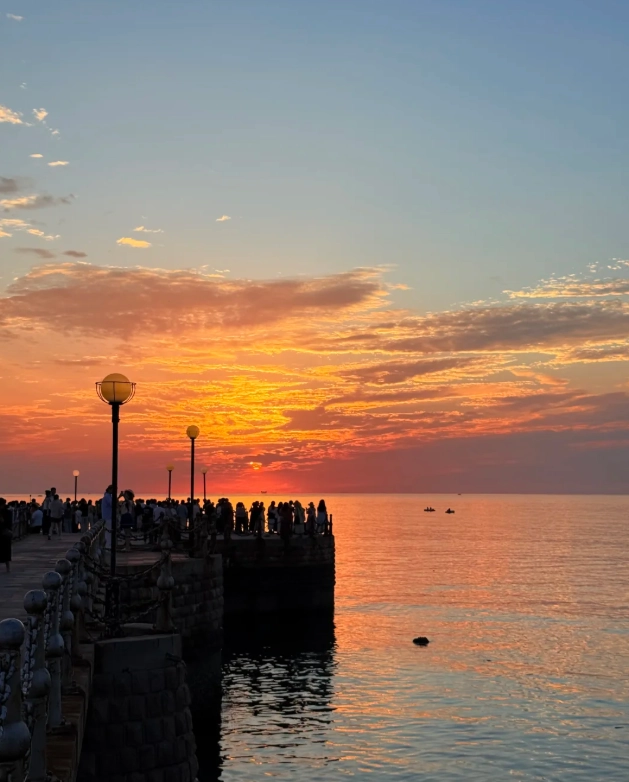
Day 5: Qufu — Confucius in One Day
Qufu is small, largely walkable in the center, and the most historically dense stop on this route. The three sights locals call the San Kong — Temple of Confucius, Kong Family Mansion and Cemetery of Confucius — are sold as a combined ticket for roughly 140 CNY, available at the main ticket office and on Trip.com. Passport required, as always.
Start at the Temple the moment the gate opens, because the tour buses land around 9:30 and the courtyards fill fast. The Mansion is next door and takes about an hour. Then take a taxi or a pedicab roughly two kilometers north to the Cemetery, which most visitors skip and which is, in my opinion, the best of the three: a silent forest of ancient cypresses with Confucius's own tomb at the far end. Give it 90 minutes and go before the heat peaks.
Getting there: Qufu East station is about 15 kilometers east of the old town, a 25 to 30 minute taxi ride costing roughly 40 to 60 CNY. There is no metro. If you are arriving on the morning train and leaving the same evening, store your bag at the station or at a hotel near the temple — most will hold luggage for a small fee even if you are not staying.
On food: Kong family cuisine is the local specialty, heavy on braised and steamed dishes with a sweet-sour streak. Finish with Qufu zaoshan, a sweetened jujube paste dessert. English menus are rare, so point and smile. One honest note — the banquet restaurants clustered beside the temple are priced for tour groups. Walk two blocks off the main drag and the same dishes cost roughly half, which I have verified more than once with a receipt in hand.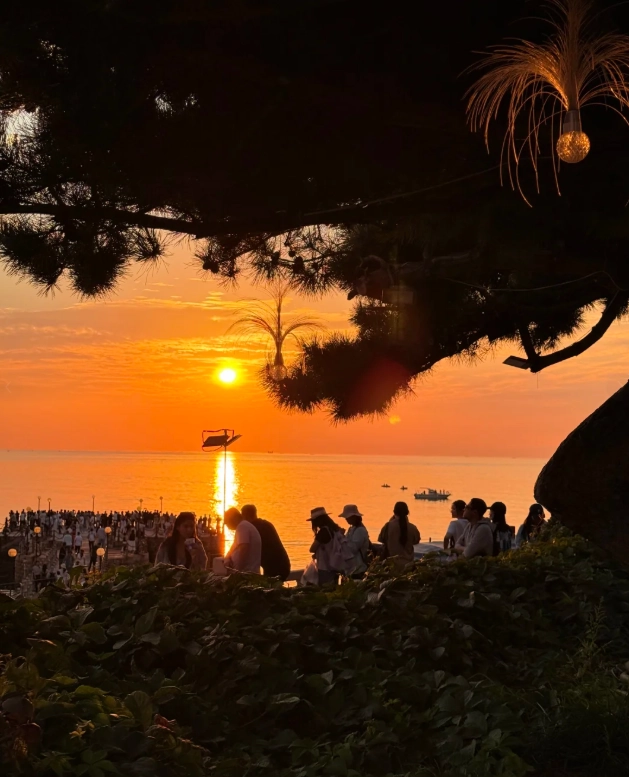
Days 6–8: Qingdao, Beer and the Sea
After three days of temples and mountains, Qingdao is a palate cleanser. Red-tiled roofs, plane trees, cold beer and salt air.
Qingdao Old Town in Half a Day
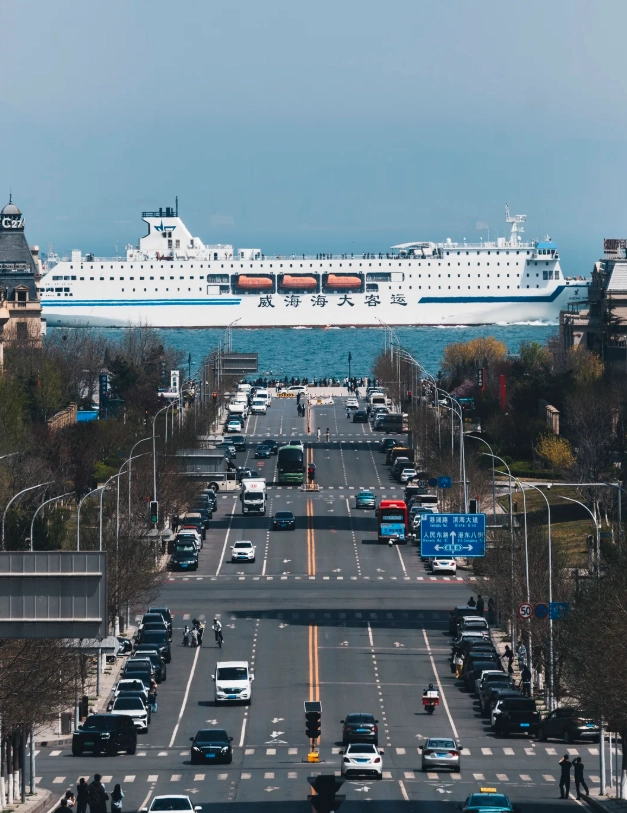
The old town is a walking neighborhood and it rewards slow wandering far more than checklist ticking. Zhanqiao Pier is free and worth it before 9:00, after which it is a selfie scrum. St. Michael's Cathedral charges a small admission and closes to visitors during services. Signal Hill gives you the classic rooftop panorama over the red roofs and the bay, and Badaguan's eight tree-lined streets are best covered on foot with no particular destination in mind.
For sunset, climb Xiaoyushan rather than paying for a boat. The view over the bay and the old town roofline is the shot everyone wants, and it takes 15 minutes to reach the top.
Is Laoshan Worth a Full Day?
With three days in Qingdao, yes. With two, no. Laoshan is a coastal mountain range about 40 kilometers east of the city, and the scenic areas are separate ticketed zones — Taiqing, Yangkou and Beijiushui among them — each with its own shuttle system. Moving between them eats the day. Admission plus shuttle generally lands somewhere in the 100 to 130 CNY range depending on which zone you pick.
Metro Line 11 plus a local bus gets you to the edges of the park, but a taxi or DiDi from the old town is far simpler at roughly 50 minutes and about 100 CNY. If your Qingdao time is short, skip Laoshan and spend the day on the coastal walk from Badaguan to May Fourth Square instead. You will see more, walk less, and eat better.
How to Order Qingdao Seafood Without Getting Ripped Off
Qingdao's seafood is superb and the pricing is exactly where tourists get hurt. A few habits will protect you:
- Prices are quoted per jin, which is 500 grams. Always confirm the unit before you nod.
- At seafood markets, you buy the catch yourself and pay a nearby restaurant a cooking fee per dish. Agree on that fee before you hand anything over.
- Ask them to drain the bag before weighing. This is not an accusation, it is standard practice, and they will do it without blinking.
- Order yuanjiang beer — the unfiltered draft — not the bottled export lager. Corner shops sell it in plastic bags, and drinking it on a stoop is a genuine local ritual.
- Beer Street is fun and overpriced. Do one round for the atmosphere, then eat two streets away.
Spring is mantis shrimp season, and scallops and clams are reliable year-round. Tsingtao Brewery Museum on Dengzhou Road charges a modest admission that includes a couple of tasters, and the original brewery buildings are worth the 90 minutes even if you are not a beer person.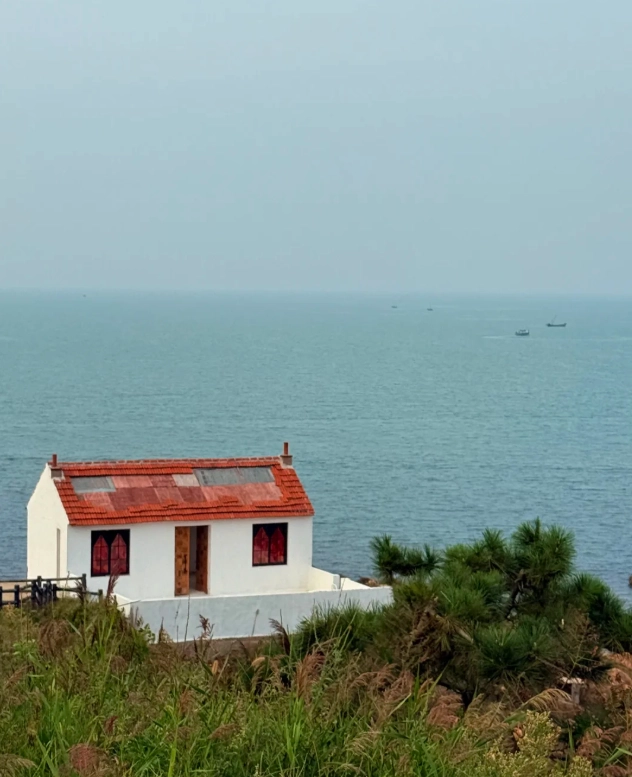
Where to Stay and What It Costs
Pick your accommodation by the transport you will use the next morning, not by the view. That single rule has saved my clients more time than any other advice on this route.
| City and Area | Example Property | Approx. Nightly Rate | Best For |
|---|---|---|---|
| Jinan, Quancheng Road near Baotu Spring | Shangri-La Jinan | 700–1,100 CNY | Couples, first-timers who want walkability |
| Jinan, near Jinan West Station | Atour Hotel, Home Inn | 300–500 CNY | Early trains, solo travelers |
| Tai'an, Red Gate and Dai Temple area | Mid-range chains and small local guesthouses | 250–500 CNY | Anyone starting the climb on foot at dawn |
| Mount Tai summit | Shenqi Binguan and simpler summit guesthouses | 300–800 CNY | Sunrise without a midnight hike |
| Qufu, inside the old town walls | Courtyard guesthouses near Gulou Street | 250–600 CNY | Atmosphere, everything within walking distance |
| Qingdao, old town near Zhanqiao | Mid-range chains and converted boutique houses | 300–700 CNY | Sightseeing entirely on foot |
| Qingdao, May Fourth Square and Fushan Bay | St. Regis Qingdao, Shangri-La Qingdao | 900–1,800 CNY | Families, sea views, business-standard comfort |
Rates swing hard with season. Qingdao in July and August roughly doubles, and Mount Tai summit rooms triple around public holidays. Book early, and confirm the property has an elevator and a front desk that speaks some English if either matters to you — a lot of older Chinese hotels have neither.
| Spending Category | Budget | Mid-Range | Comfort |
|---|---|---|---|
| Accommodation per night | 150–300 CNY | 400–800 CNY | 900 CNY and up |
| Food per person per day | 80–150 CNY | 200–350 CNY | 400 CNY and up |
| Attraction tickets, whole trip | 250–350 CNY | 350–450 CNY | 500 CNY and up |
| High-speed rail, whole loop | 400–500 CNY | 450–600 CNY | 600–800 CNY |
These are planning ranges, not quotes. Verify current pricing through Trip.com or the official scenic-area accounts before you commit, because ticket policy in China changes more often than most travel sites admit.
Mistakes I Watch Foreign Travelers Make
The errors that ruin a classic Shandong itinerary are almost never about the sights. They are about money, mapping and timing.
- Assuming a Visa card works everywhere. Hotels take it. Noodle shops, temples and ticket kiosks do not. Alipay or WeChat Pay linked to an international card is the real answer, with cash as a backup.
- Trusting Google Maps. It is inaccurate in mainland China and will send you down pedestrian alleys that do not exist. Apple Maps and AMap are the working alternatives.
- Booking a train from the wrong station. Jinan West and Jinan are not the same place. Neither are Qufu and Qufu East. This mistake costs people an entire morning.
- Skipping the Cemetery of Confucius. It is the quietest, most moving part of Qufu and most tour groups never go.
- Wearing brand-new sneakers up Mount Tai. The stone steps are uneven and worn smooth in the middle. Ankle support matters more than cushioning.
- Trying to do four cities in four days. I have watched people attempt it. Nobody has ever enjoyed it.
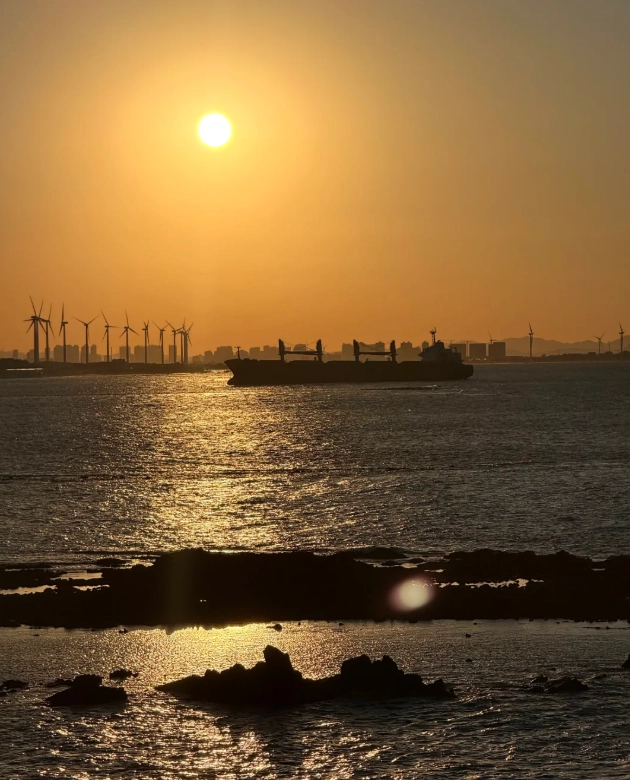
Pro Tip: China's visa-free entry rules for many nationalities change often. The National Immigration Administration publishes the current country list and permitted stay length, and it takes two minutes to check before you book flights rather than after.
Questions I Get Asked Before Every Shandong Trip
Can I book Mount Tai and Qufu tickets if I do not read Chinese at all?
You can, but the route matters. The official WeChat mini-programs are Chinese-only and require real-name registration, which is a nightmare even for me on a bad day. The shortcut I give clients is simple: book through Trip.com or Klook in English with your passport number, then screenshot the confirmation and QR code. If a specific site is not listed there, walk to your hotel front desk and ask the receptionist to book it for you. They do this constantly, it takes them two minutes, and it costs you nothing but a smile.
Is Mount Tai realistic for someone with knee problems or small children?
Yes, if you skip the staircase worship. Take the Tianwaicun shuttle bus to the Midway Gate to Heaven, then the cable car to the South Gate of Heaven. From there it is a mostly paved 20 to 30 minute walk to the summit ridge, with some steps near the very top. What I would not recommend is the classic on-foot route from the Red Gate, which is several thousand stone steps and unforgiving on joints. Also check the cable car status before you commit, because it shuts in high wind and there is no announcement in English.
Do I need a VPN, and will my usual apps work in Shandong?
Install and test your VPN before you land, not after. Once you are on a Chinese network, the app stores and download pages you need may not load, and I have spent an hour of a client's first afternoon fixing exactly that. For translation, Apple Translate and Baidu Translate both work well, and Baidu handles offline Chinese better. For maps, use Apple Maps or AMap. Have your hotel's Chinese address saved as a screenshot so you can hand your phone to any taxi driver.
Should I add Yantai or Penglai to this route?
Only if you have ten days or more, and only if you fly rather than train between Qingdao and Yantai. The rail connection is slow and indirect, and Penglai Pavilion ends up being a full-day transfer for a two-hour visit. In my experience the better use of two spare days is a slower Qingdao, with a full day on Laoshan and an afternoon eating seafood by the market. Penglai is genuinely beautiful, and it is a second-trip destination, not an add-on.
Is Shandong safe for a solo female traveler?
Violent crime against tourists is rare here and I have never had a client report feeling unsafe at night in Jinan, Tai'an, Qufu or Qingdao. The real risks are boring ones: unlicensed taxis outside major stations quoting triple the fare, and the summit of Mount Tai in bad weather with inadequate clothing. Use DiDi or the official taxi rank, never follow someone who approaches you offering a ride, and treat the mountain forecast as seriously as you would at home.
Verified and fact-checked by the editorial team for informational accuracy. Prices, opening hours and ticketing policies in China change frequently, so confirm current details through official channels or a reputable English-language booking platform before you travel.


No comments yet.