 Ting Chen
Cold air. 3,300 meters. My shutter finger numb before sunrise. If you want Songzanlin Monastery photography that looks different from the bus-tour flood, you need to ignore the standard noon arrival. Most travelers shoot this place at the wrong hour and from the wrong gate—then wonder why their frames look flat. I’ve guided photographers here for years, and the fix is simple: arrive early, enter through the south lane, and leave before the 10 a.m. tour wave.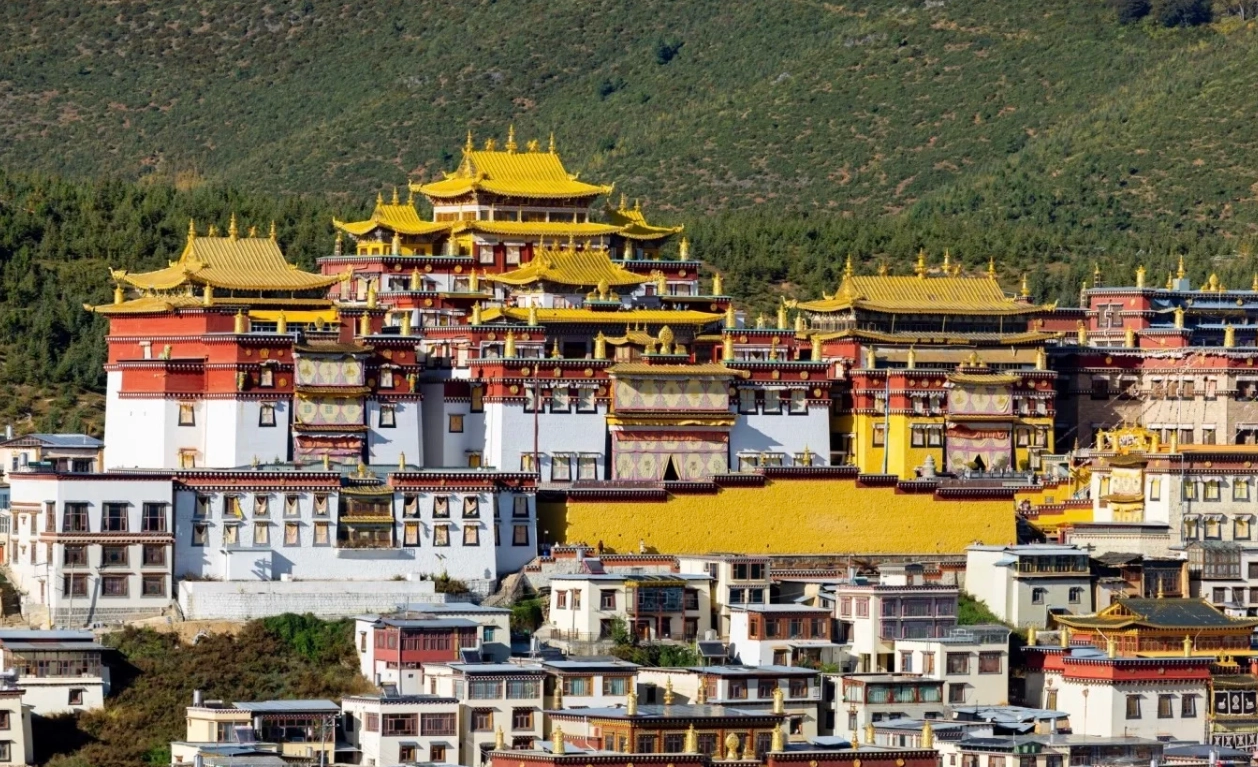
What I’d check before you pack your camera
- What Is Songzanlin Monastery and Why It Photographs So Well
- How to Get to Songzanlin Monastery from Shangri-La Old Town
- Tickets, Passport Rules, and the Booking Step Most Foreigners Miss
- Best Time for Songzanlin Monastery Photography
- Photo Spots Inside and Outside the Monastery Walls
- Gear, Altitude, and the Light Mistake Almost Everyone Makes
- Questions I Get Asked at the Gate
What Is Songzanlin Monastery and Why It Photographs So Well
Songzanlin Monastery—also called Ganden Sumtseling—is a Tibetan Buddhist complex built in the 17th century and often nicknamed the “Little Potala Palace.” The white walls, ochre roofs, and gold finials sit against a bowl of mountains, which means the light changes fast here. That’s good for photography and brutal for lazy planning. UNESCO recognized the historic ensemble of the old town area under the UNESCO World Heritage listing for Old Town Lijiang, not Songzanlin itself, but the regional Tibetan cultural landscape is why this monastery matters. Don’t confuse the two—many blogs do, and it sends photographers to the wrong town.
The place is active religious ground. You’ll see monks walking the lower lanes, butter lamps inside dim halls, and pilgrims circling stupas. I always tell my clients: shoot the architecture, respect the people. If a monk waves you off, lower the camera and move on.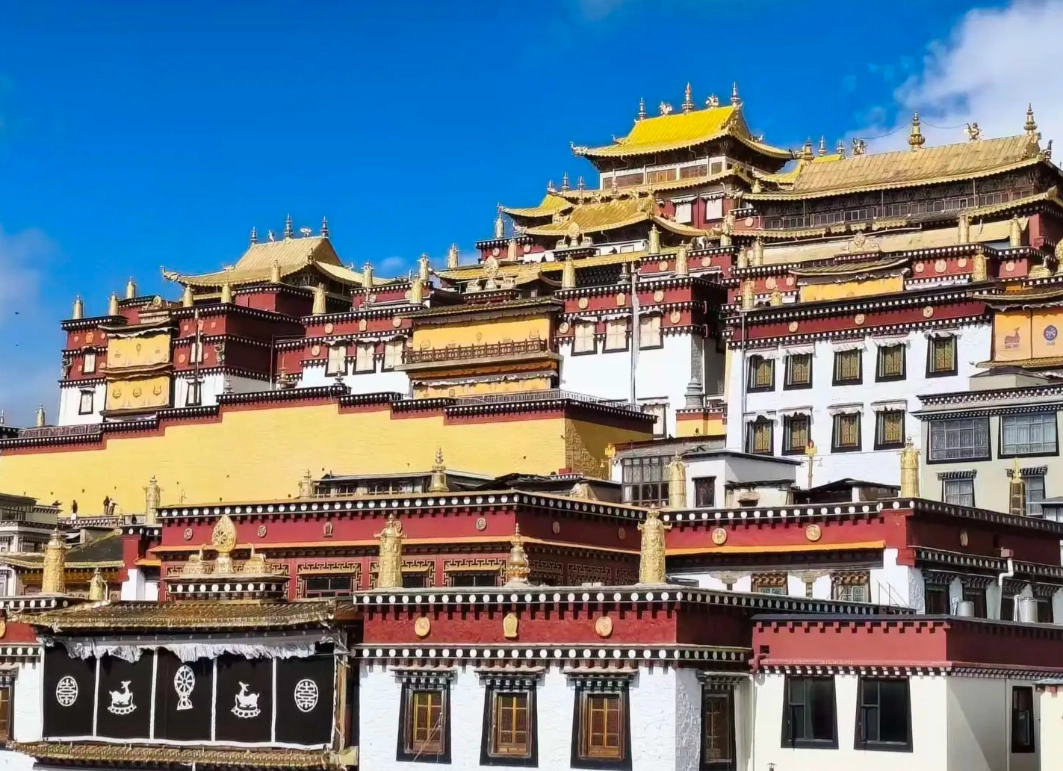
How to Get to Songzanlin Monastery from Shangri-La Old Town
The monastery sits roughly 5 km north of Dukezong Old Town, and the easiest foreigner-friendly move is a Didi or taxi to the south visitor entrance—not the main road gate where tour buses unload. A metered taxi from the old town usually runs a short ride; expect a modest fare and confirm the driver uses the meter. Show this address to your driver: Songzanlin Monastery, Niwang Road, Shangri-La, Diqing, Yunnan. Chinese name: 松赞林寺.
Google Maps is unreliable in China. Use Apple Maps or AMap Global, and drop a pin before you leave the hotel. Public buses exist but drop you on the main road, adding a 15–20 minute walk uphill—fine in good weather, miserable with a heavy tripod bag.
Tickets, Passport Rules, and the Booking Step Most Foreigners Miss
You need your passport for the ticket check, and online reservation is now the norm during peak season—don’t assume you can just walk up and buy at the window. Ticket prices and shuttle-bus rules change by season, so check the official scenic-area notice on arrival or ask your hotel to confirm. The shuttle from the ticket hall to the monastery gate is mandatory for most visitors and saves a long uphill walk.
Here’s the catch: the WeChat mini-program booking flow is in Chinese and asks for mainland ID in some fields. I’ve watched international travelers freeze at this step. Ask your hotel reception to book for you, or use Trip.com if the scenic area lists a foreigner-friendly ticket option. Payment inside the ticket hall is usually mobile-only via Alipay or WeChat Pay; cash is accepted in some windows but don’t rely on it. International credit cards often fail here.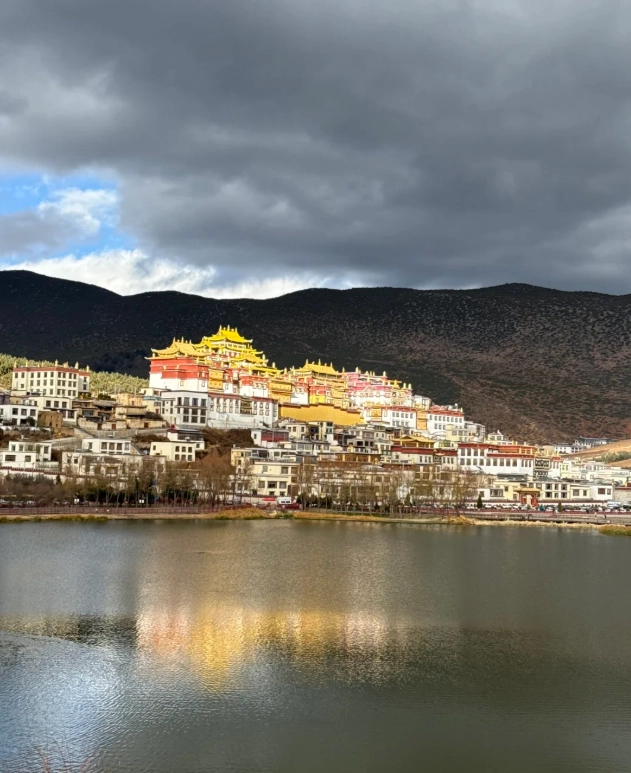
| Item | What to Expect | Photo Impact |
|---|---|---|
| Passport | Required for ticket and entry | Keep it in a zipped pocket, not your camera bag |
| Shuttle bus | Usually mandatory from ticket hall to gate | Arrive before the first tour wave |
| Payment | Alipay/WeChat Pay preferred; cash not always accepted | Set up payment before you leave the hotel |
| Opening hours | Seasonal, with last entry before late afternoon | Confirm same-day at the ticket hall |
Best Time for Songzanlin Monastery Photography
The golden window is roughly the first hour after opening and the last hour before closing—midday sun flattens the white walls and blows out the gold roofs. I’ve seen too many photographers arrive at 11 a.m., squint, and leave with gray skies and harsh shadows. The morning light hits the east-facing façades first, so start on the lower lanes and work uphill.
Afternoon backlight can work beautifully for silhouettes of the golden finials, but you need to expose for the sky and let the walls go dark. That’s a stylistic choice—know it before you press the shutter. Late afternoon also brings prayer-flag movement, which adds life to wide shots.
Photo Spots Inside and Outside the Monastery Walls
The classic wide shot comes from the viewing platform near the entrance lake, but the more original frames are found along the lower pilgrim circuit and the side lanes between dormitory buildings. Here’s how I break it down for clients:
- Entrance lake reflection: Best in calm morning air before the wind picks up; tripod-friendly but crowded by mid-morning.
- Main stair approach: Strong leading lines, but shoot early or late to avoid harsh shadows on the white walls.
- Lower pilgrim circuit: Quiet, human-scale details—butter lamps, worn steps, prayer wheels—great for 35mm or 50mm lenses.
- Side lanes between buildings: Framed doorways and ochre walls; ask before photographing monks at close ranage.
Drones are restricted in many cultural and religious sites across China, and this monastery is no exception—check local signage before unpacking one. I’ve seen travelers argue with staff over drone rules; it’s not worth it. Leave the drone in the hotel.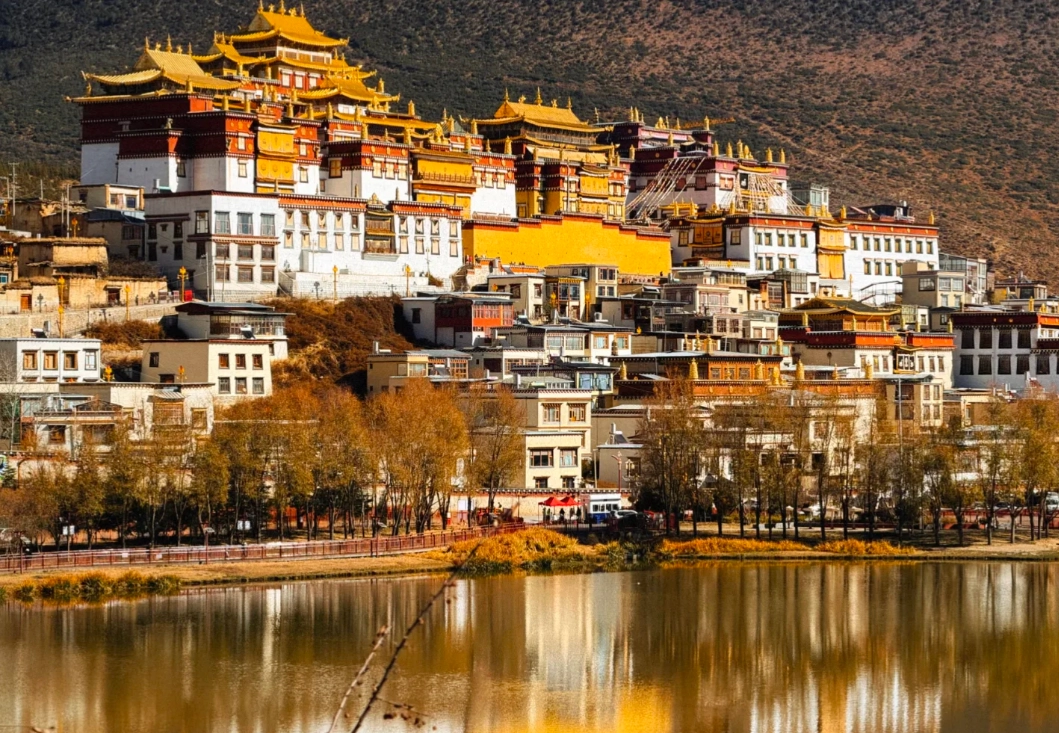
Gear, Altitude, and the Light Mistake Almost Everyone Makes
At 3,300 meters, you will get winded climbing the stairs with a heavy backpack—carry one body, one mid-range zoom, and a polarizer, and leave the rest behind. The polarizer helps control glare on the gold roofs, but don’t overdo it or the sky turns fake-dark. A light tripod is useful for the dim interior halls, but many halls prohibit tripods; ask before setting up.
The biggest mistake? Overexposing the white walls to “brighten” the scene. The monastery’s lime-washed surfaces are highly reflective. Meter for the walls, then check your histogram—you want texture in the white, not a blown-out blob. Bracket if you’re unsure. And bring a lens cloth: dust and butter-lamp smoke coat front elements fast.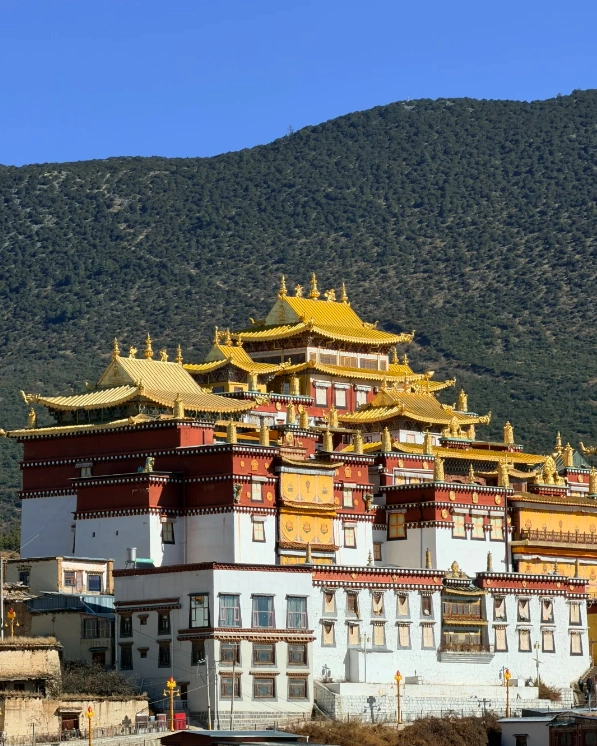
Questions I Get Asked at the Gate
Can I photograph inside the main assembly halls?
Rules vary by hall and by day. Some allow photography without flash; others prohibit it entirely. Look for signage at the door and follow it. If a monk or caretaker shakes their head, put the camera down. Flash is almost always a bad idea—it damages painted surfaces and disturbs worshippers.
How do I book a ticket if the WeChat mini-program is in Chinese?
Ask your hotel reception to complete the booking on their account, or check Trip.com for a foreigner-friendly listing. Bring your passport to the ticket hall regardless. Don’t rely on international credit cards at the counter—set up Alipay or WeChat Pay with a linked foreign card before you arrive.
Is the altitude going to ruin my shooting day?
It can if you rush. Drink water, skip alcohol the night before, and walk the stairs slowly. I’ve had clients feel dizzy within minutes because they sprinted from the shuttle bus to the main hall. Give yourself twenty minutes to acclimatize at the lower lanes before climbing.
What if it rains or the sky is completely overcast?
Overcast light is actually excellent for detail shots—doorways, butter lamps, prayer wheels—because there are no harsh shadows. Use the covered walkways and shoot close. If heavy rain sets in, head back to the old town and use the afternoon for indoor cafés; the monastery isn’t going anywhere.
Do I need a guide to get the best photo spots?
Not strictly, but a local guide saves you the trial-and-error of finding the south lane and the quiet lower circuit. If you’re short on time, a guide is worth it. If you’re confident with maps and early starts, go solo—just avoid the main tour-bus entrance.
Verified and fact-checked by the editorial team.
No comments yet.