 Chen Liu
What's Inside This Guide
I watched a couple from Germany nearly melt into the pavement at 1:30 PM in July. They had booked a midday slot because every blog told them to “start early”—but they arrived at noon. Bad move. The Longmen Grottoes are stunning, but the sun and the tour groups can turn a bucket-list visit into a survival test if you don’t know the rhythm of this place.
I’ve guided dozens of foreign travelers through these 2,300+ caves and niches carved into the limestone cliffs along the Yi River. I’ve seen the good, the bad, and the “why did I wear sandals?” moments. This Luoyang Longmen Grottoes guide is the distilled, practical version I wish every visitor had before they booked a ticket. No fluff. Just the stuff that actually matters when you’re standing at the gate with your passport in hand.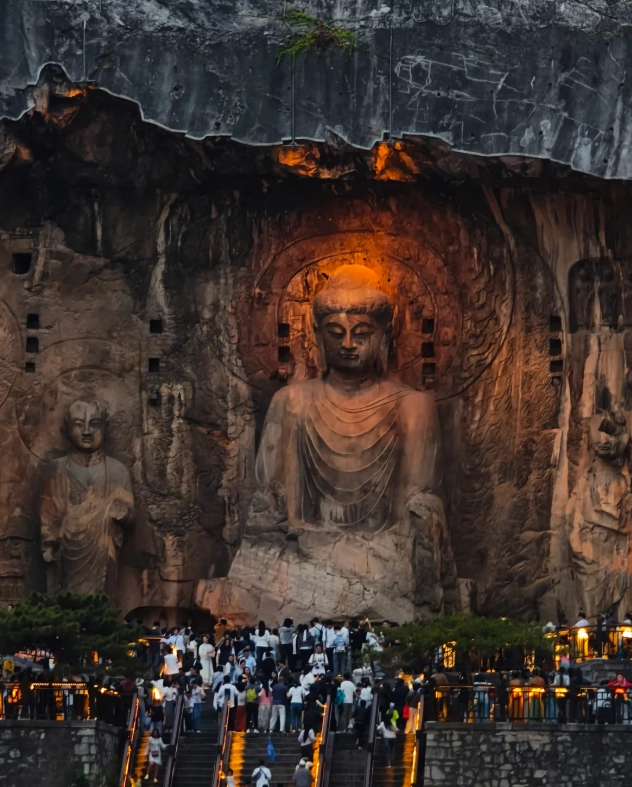
Tickets and Entry: What Actually Works
You need a reservation. Walk-ups are technically possible during quiet weekdays, but don’t risk it—especially on weekends and Chinese holidays. The official WeChat mini-program is in Chinese only, and honestly, navigating it is a headache even for me. The simplest route for international visitors is to book through Trip.com or Klook a day or two ahead. You’ll pay a small service fee, but it saves you the stress.
Here’s the price breakdown—no surprises:
| Ticket Type | Price (CNY) | Notes |
|---|---|---|
| Adult | 90 | Includes all three sections: West Hill, East Hill, Xiangshan Temple |
| Child (under 1.4m) | Free | Must be accompanied by an adult |
| Seniors (60+) | Free | Bring passport for verification |
| Student (with ID) | 45 | International student cards accepted |
Opening hours shift with the seasons. In summer (April–October), gates open at 9:00 AM and close at 6:00 PM, with last entry at 5:00 PM. Winter hours are shorter—9:00 AM to 5:00 PM, last entry 4:00 PM. Bring your passport; it’s required for the ticket check. The address for taxis is: Longmen Grottoes Scenic Area, Luolong District, Luoyang (Chinese: 龙门石窟景区). Show that to your driver and you’re set.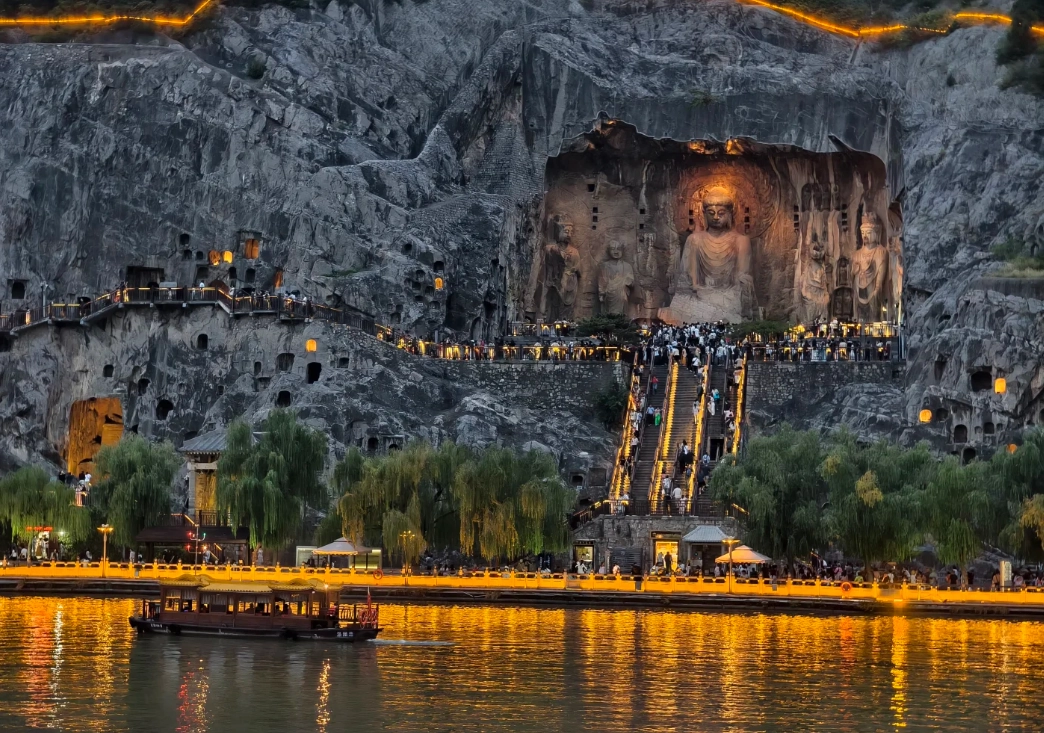
Pro Tip: The ticket office has a luggage storage counter, but it closes at 5:30 PM sharp. If you’re arriving late, store your bags at your hotel instead—trust me, you don’t want to sprint back.
Best Time to Visit: Why 4 PM Changes Everything
Most guides tell you to arrive at 8 AM to beat the crowds. Here’s the non-consensus truth: the morning light is flat, and the tour buses from Xi’an and Zhengzhou dump thousands of people between 10 AM and 2 PM. The real magic happens after 3:30 PM. The crowds thin out, the afternoon sun lights up the Fengxian Temple’s giant Vairocana Buddha from the front, and you can actually hear the river.
I always tell my clients to aim for a 4 PM entry in summer. You’ll have about two hours of good light and breathing room. The site closes at 6 PM, so you won’t get stuck in the dark. Just double-check the seasonal closing time before you go—the gate staff are strict about last entry.
Which Gate to Use: The West Gate Secret
The scenic area has two main entrances: the North Gate and the West Gate. Most tour groups use the North Gate because it’s closer to the parking lot. Ignore them. The West Gate is your friend. It’s a 10-minute walk from the ticket office, but it drops you right near the starting point of the West Hill walkway—the most impressive section.
How to get there: Take bus 53 or 60 from Luoyang Railway Station to the “Longmen Grottoes” stop (about 40 minutes, 1 CNY). From there, follow the signs to the West Gate—don’t follow the crowd to the North Gate. If you’re taking a taxi or DiDi, tell the driver “West Gate” (西门). It’s a small detour but saves you 20 minutes of walking.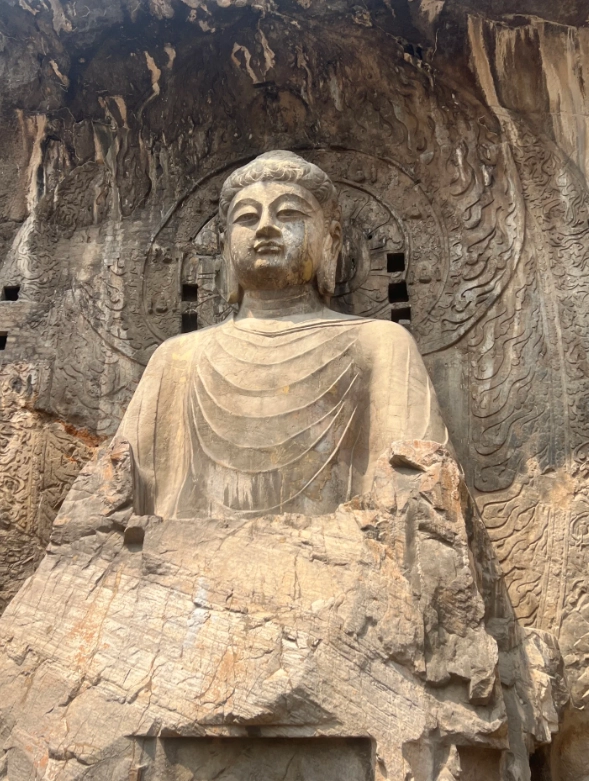
The Walking Route That Saves Your Legs
Here’s the route I walk with every group, and it’s designed to avoid backtracking and fatigue:
- Start at West Hill: Enter through the West Gate and walk north along the cliff. The first major highlight is the Guyang Cave—one of the oldest, with inscriptions from the Northern Wei dynasty. Then continue to the Binyang Caves and finally the Fengxian Temple with the giant Buddha. This takes about 1.5 hours at a slow pace.
- Cross the Yi River: After the Fengxian Temple, take the bridge to the East Hill. The walk is flat and takes 15 minutes. From the East Hill, you get the classic postcard view of the giant Buddha—best photographed in the late afternoon when the sun hits the cliff face.
- Optional: Xiangshan Temple: If you still have energy, climb the steps to Xiangshan Temple. It’s a 20-minute uphill walk, and the view is nice but not essential. Skip it if your knees are complaining.
Total walking distance is about 3–4 kilometers. Wear comfortable shoes—the stone paths are uneven in places. And bring water; the vendors inside charge a markup.
Practical Tips for Foreign Visitors
Payment: The ticket office and most vendors inside accept Alipay and WeChat Pay with international cards linked. Cash is accepted but often met with a sigh and a search for change. Credit cards are not accepted at the gate. Load your Alipay before you arrive.
Navigation: Google Maps is useless here. Use Apple Maps or download Amap (Gaode Maps) with the English interface. The scenic area is well-signposted in English, so you won’t get lost once inside.
Language: Signage is in Chinese and English. The ticket staff speak minimal English, so have your booking confirmation ready on your phone. A translation app like Baidu Translate helps for any questions.
Facilities: There are accessible ramps at the main entrances and along the West Hill walkway, but the East Hill and Xiangshan Temple have steep stairs. Wheelchair users should stick to the West Hill and the riverside path—still a fantastic experience.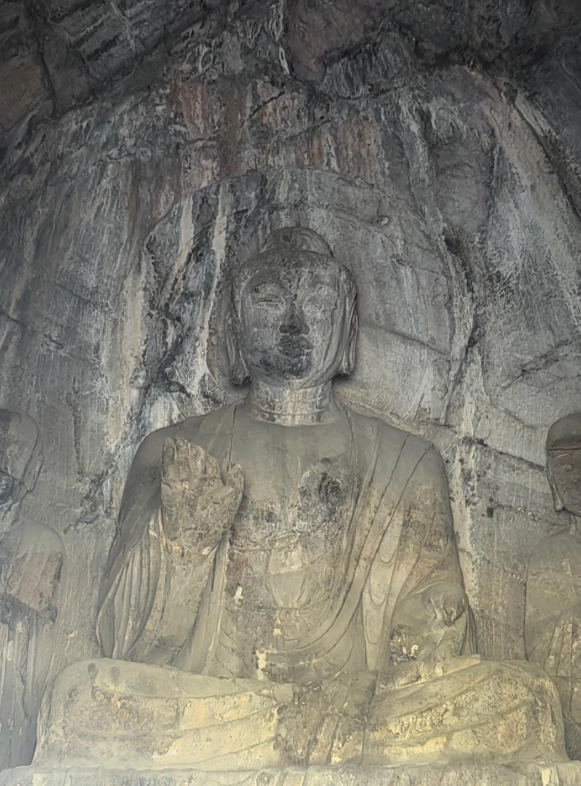
Insider Advice: The toilets near the Fengxian Temple are tiny and always have a line. Use the facilities at the ticket office or the West Gate before you start walking. You’ll thank me later.
Straight Answers to Real Questions
Verified and fact-checked by the editorial team. This content has been fact-checked to ensure informational precision.
No comments yet.