 Hui Lin
What's in this guide (tap to jump)
Stuck at a Chinese train station security line at 7 a.m. with a Swiss Army knife in your backpack? Yeah, I've been there. Two minutes before boarding—no time to mail it home.
Most foreign travelers obsess over booking high-speed rail tickets on 12306.cn, but they forget the physical security check. It's not like airport security, but it's not a walk in the park either. One wrong item, and your itinerary crumbles.
Here's the short version: arrive 45 minutes early, and never pack lighters, pocket knives, or full-size aerosols in your carry-on. Security is mandatory at every station—no exceptions. And yes, they will scan your passport alongside your bag. Beyond that, there are quirks you won't find in official brochures. Let's talk about those.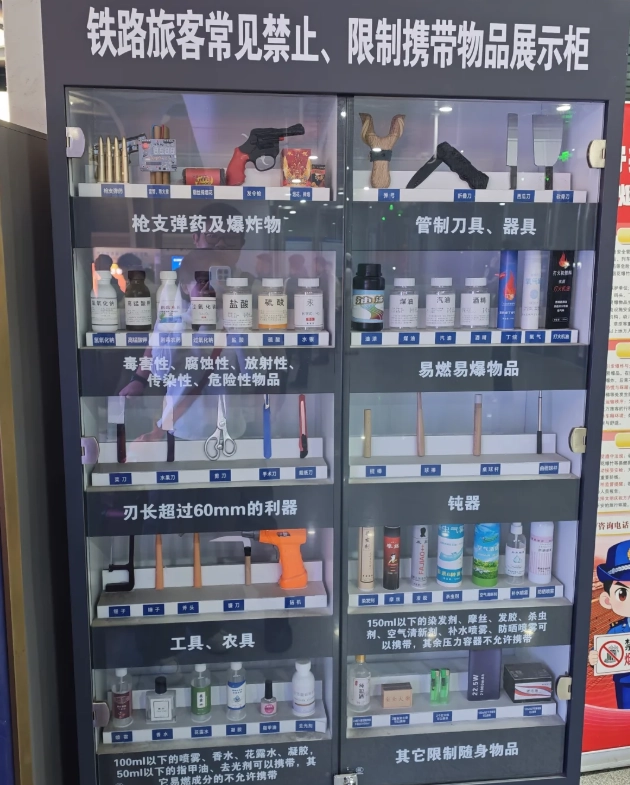
What Actually Happens at the Security Check?
I've walked through security at Beijing South, Shanghai Hongqiao, and Guangzhou South dozens of times. The process is straightforward, but the devil is in the details.
You'll queue with your luggage, place everything on the X-ray belt, and walk through a metal detector. Your passport gets a quick glance. That's it—usually under 90 seconds. But here's what nobody tells you: the metal detector is sensitive, and belt buckles, large phones, or even thick boots can trigger a pat-down. I always toss my phone and keys into the tray first—saves me the awkward beep-and-step-aside dance.
Also, watch out for the conveyer belt exit. It's short. Small bags sometimes tumble off. Wait until your bag fully clears before grabbing it—I've seen more than one traveler lose a phone to a cracked screen because they lunged too fast.
What Items Are Banned from Train Station Security in China?
This is where most travelers get caught. The rules follow national railway regulations, but enforcement varies by station. Don't risk it—here's what will definitely get pulled.
- Sharp objects: Pocket knives, Swiss Army knives, scissors with blades over 5 cm, or anything that looks remotely tactical. I once saw a guy lose a corkscrew—the waiter in the dining car laughed.
- Flammable items: Lighters are allowed in small quantities (usually one per person), but matches are a grey area—some stations confiscate them outright.
- Aerosols and liquids: Hairspray, bug spray, and any pressurized container over 150 ml are a no-go. Perfume is fine if it's under 100 ml.
- Batteries: Lithium batteries above 160Wh are banned, but power banks are fine as long as the capacity is clearly printed. No label? They'll toss it.
- Alcohol: Bottles with an alcohol content over 70% are prohibited—and that includes your fancy travel sanitizer.
Also, forget about bringing your e-scooter or hoverboard. They're banned on trains entirely, even if folded. I learned this the hard way when a client tried to board with a Xiaomi scooter at Hangzhou East. Security made him ship it via freight—cost him two hours and a significant fee.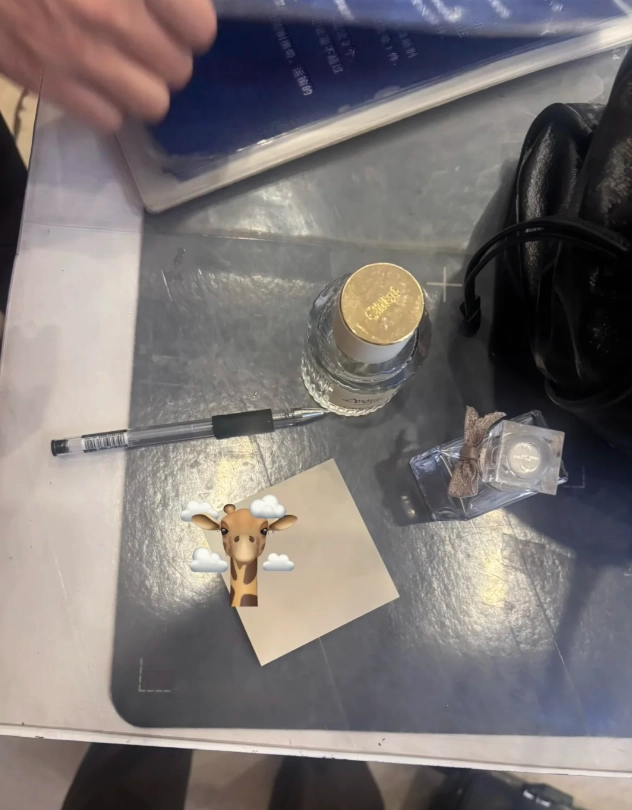
How to Pack to Breeze Through Train Station Security in China
Packing smart isn't just about avoiding confiscation—it's about speed. Here's my personal checklist, refined over years of guiding groups.
First, use the two-bag system: one small personal bag that stays with you during the scan, and one main backpack that goes on the belt. Toss your phone, wallet, and passport into the personal bag before you reach the X-ray. This way, you're not fumbling in line.
Second, wear slip-on shoes. Some stations require you to remove shoes if the scanner beeps—rare, but it happens. Lace-up boots are a hassle.
Third, label your power bank. A strip of masking tape with the capacity written in marker works. If security can't read it, they'll treat it as a hazardous item and confiscate it. No exceptions.
Now, let's talk about timing. If you're catching a train during Chinese New Year or the autumn holiday week, double your arrival time. Security lines at Guangzhou South can stretch over 30 minutes when the station hits 80% capacity. Otherwise, 45 minutes early is safe for most stations. All major hubs have English signs, but the queues don't care about your language skills.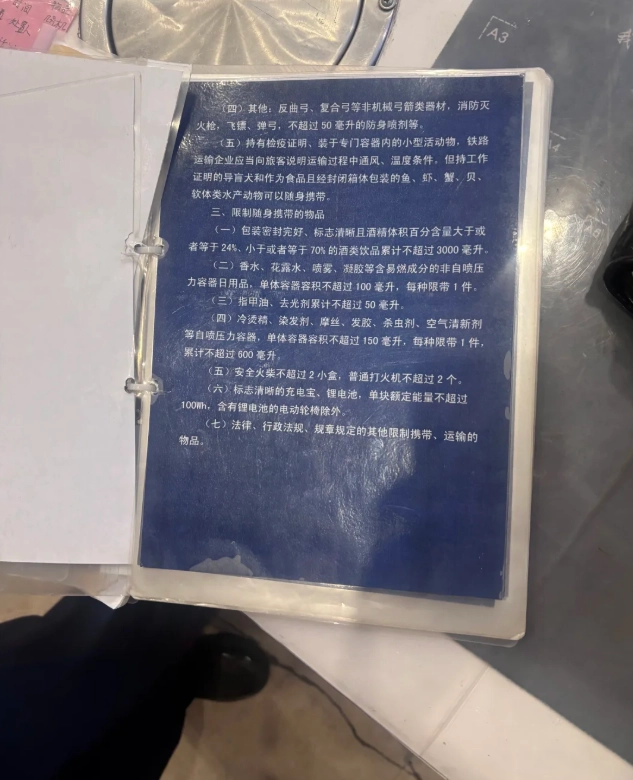
Transfer Security Tips for Major Hubs
Connecting between trains? Many travelers assume they can bypass security at the transfer station. Nope. If you exit the paid area, you must go through security again. At Beijing South, the transfer lane is clearly marked on the second floor—follow the "Transfer" signs, not the exit signs. If you accidentally exit, you'll have to queue with the main crowd.
I always tell my clients: check the station map on the 12306 app before you arrive. It shows security lane locations and even average wait times. Don't rely on Google Maps—it's useless inside Chinese stations. Use Apple Maps or ask a station attendant.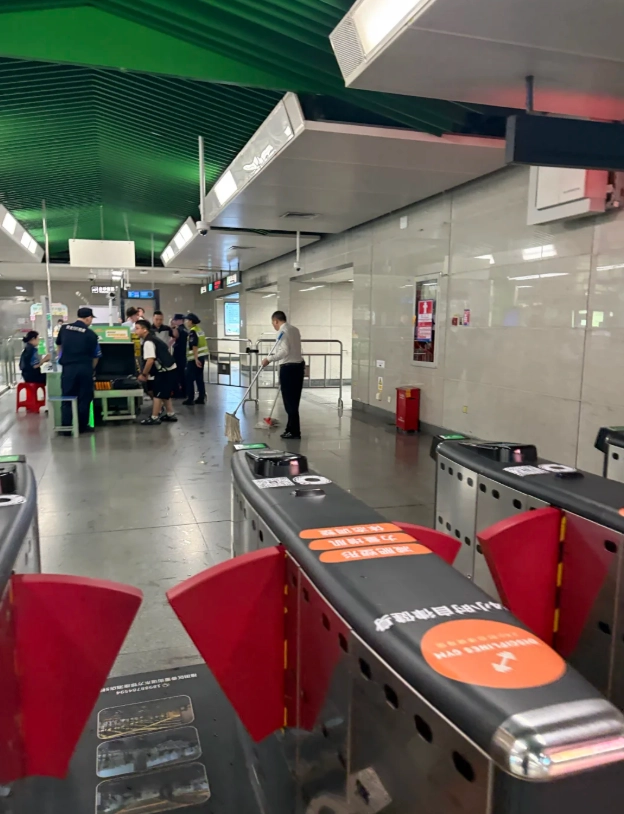
Real Questions from Travelers
Final word: security in China is efficient but unforgiving. Pack like a pro, arrive early, and keep your passport ready. You'll be through in no time.
Verified and fact-checked by the editorial team. This content has been fact-checked to ensure informational precision.






No comments yet.