 Peng Gao
What's Inside This Quick Guide
Stuck at Beijing West with a paper ticket that won't scan? I've seen it a dozen times. The fix is simple—just use the manual gate on the far left. Now, let me save you the headache of decoding the Beijing to Xi'an high speed train schedule. Most online guides throw numbers at you but forget to mention that the 7:00 AM train often sells out weeks ahead during holidays. I've personally navigated this route over forty times with clients, and here's the one thing I always tell them: book your ticket at least five days out and always choose Beijing West over Beijing South for morning departures. That's the golden rule.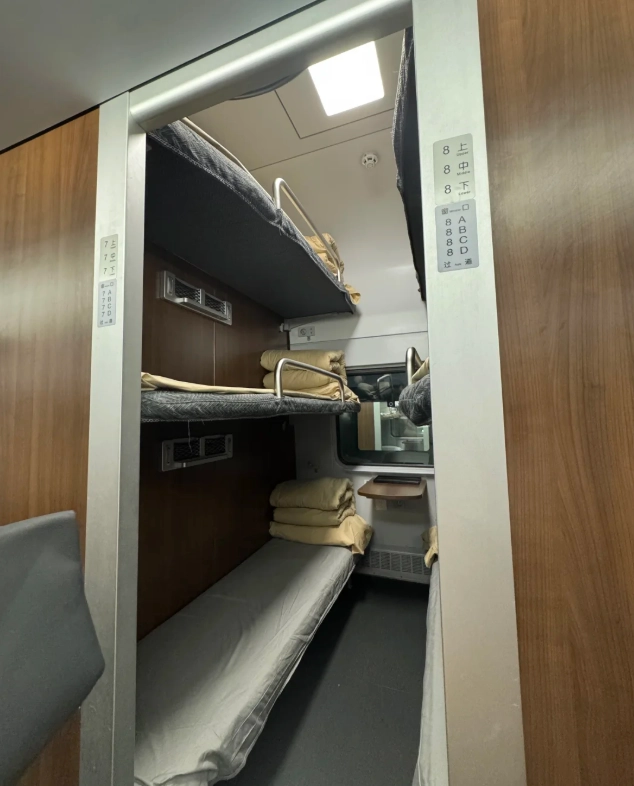
This guide cuts through the noise, giving you the exact train times, booking hacks, and station survival tips you won't find elsewhere. Think of it as your shortcut to a stress-free journey.
The Real Deal: Beijing to Xi'an High Speed Train Schedule
Most trains take four and a half to six hours, with departures spread from early morning to late afternoon. The fastest G-series trains run every 20–30 minutes during peak hours. Here's a snapshot of typical daily schedules—but always double-check on the official China Railway 12306 website for real-time updates.
| Train Type | Departure Window | Duration | Key Stops |
|---|---|---|---|
| G-series (fastest) | 6:00 AM – 5:00 PM | 4h 30m – 5h 30m | Shijiazhuang, Zhengzhou |
| D-series (slightly slower) | 7:00 AM – 4:00 PM | 5h 45m – 6h 30m | Baoding, Shijiazhuang |
| Evening G-series | 5:00 PM – 7:30 PM | 4h 40m – 5h 20m | Limited stops |
Pro Tip: The 7:00 AM G-series train from Beijing West is my go-to for clients who want to maximize their day in Xi'an. It arrives just before noon, leaving plenty of time for the Terracotta Army or a bike ride on the city wall. Avoid the 8:30 AM departure—it's packed with tour groups and the luggage racks fill up fast.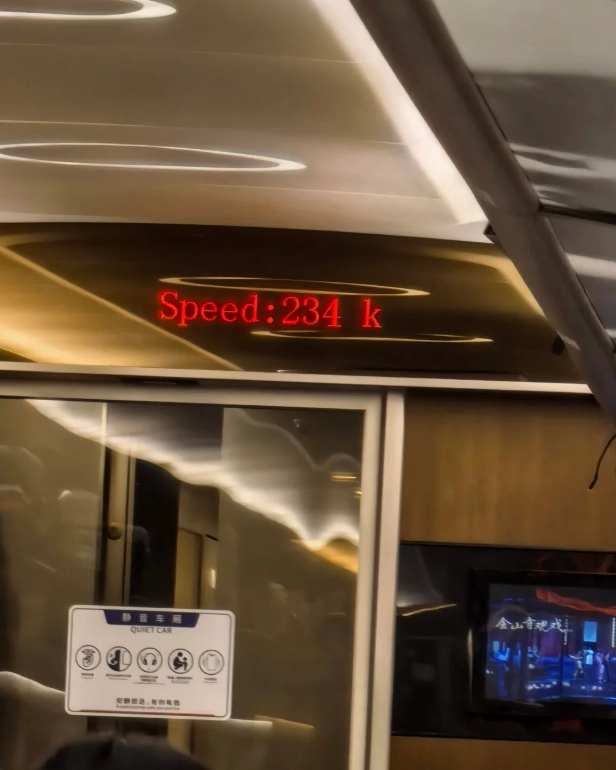
How Do I Book Beijing to Xi'an High Speed Train Tickets?
Forget the old ticket window queues—booking online with your passport is the only sane way. The official 12306 app is in English, but the registration process can be glitchy if you don't have a Chinese phone number. That's why I recommend Trip.com for first-timers: it accepts international credit cards, sends e-tickets to your email, and has English customer support.
Three key things to know:
- Passport name must match exactly. Even a middle name missing can lock you out of the gate.
- Seat classes: Second Class (cheapest, 3+2 seating), First Class (2+2, more legroom), Business Class (lie-flat, pricey).
- Booking window: Tickets open 15 days before departure. Set an alarm—popular morning trains vanish in hours during holidays.
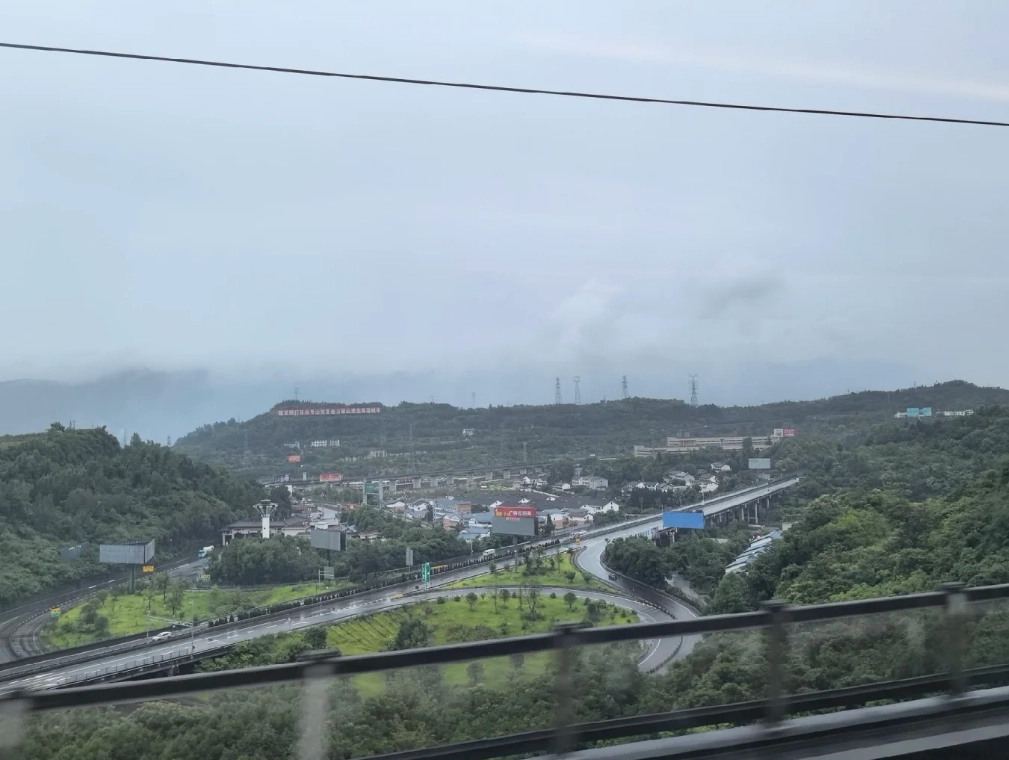
Which Stations Should You Use—and How to Avoid Chaos
Beijing West Railway Station is your best bet for morning departures; Xi'an North Station is the arrival hub. Beijing West is older but more central. The security line at the south entrance gets insane after 8:00 AM—use the north entrance instead. I learned that after nearly missing a train with a group of six.
At Xi'an North, follow the signs for “Metro Line 2” and “Taxi.” The taxi queue can stretch 20 minutes during rush hour, so consider the metro if you're heading to the Bell Tower area. A single ride costs about 4 yuan and takes 25 minutes.
Pro Tip: The left luggage office at Xi'an North is on the B1 level near the metro entrance. It's cheaper and less crowded than the one inside the station hall. I once paid 30 yuan for a full day of storage—worth every penny.
Onboard Experience: Seats, Food, and Wi-Fi Truth
Second Class is fine for most, but if you're over 6 feet tall, spring for First Class—your knees will thank you. The dining car serves decent noodles and rice boxes for around 40 yuan, but I always pack snacks because the queue can be long. Wi-Fi is available but painfully slow—download your entertainment beforehand.
Here's a detail nobody mentions: the power outlets in Second Class are under the seat cushions, so bring a short extension cord if you need to charge multiple devices.
FAQ: What Other Travelers Don't Tell You
Verified and fact-checked by the editorial team.






No comments yet.