 Lei Li
Ticket window. Passport in hand. Student card out. Rejected.
I’ve watched that scene play out more times than I can count — usually at the National Museum of China, where the line behind you sighs loudly while the clerk shakes her head.
Here is the blunt truth: student discount cards validity at Chinese museums is a mess of city rules, museum policies, and card types. Most major museums are free anyway. Where discounts exist, the discount often only applies to Chinese students.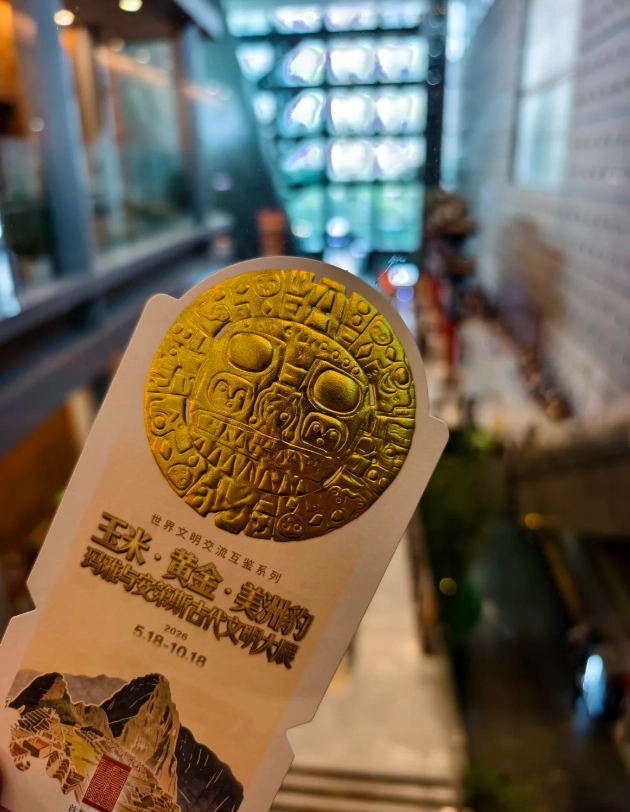
Quick Navigation
What free really means for foreign students
Most top-tier Chinese museums are free for everyone, so your student card is irrelevant. The National Museum of China, the Shanghai Museum, the Shaanxi History Museum, and the Nanjing Museum all charge zero admission.
What you pay for is the special exhibition. That is where student discounts occasionally appear — and where confusion starts.
Free entry still requires a booked time slot. You need your passport, not your student card, to reserve. I always tell my clients to book through Trip.com if the official WeChat mini-program feels like reading code. The official booking page often asks for a Chinese ID number that foreign passports cannot fill; Trip.com handles passport details smoothly.
Pro Tip: Even at free museums, the ticket clerk may ask to see your passport at the door. Keep it in your hand, not buried in your bag. I once watched a family dig through three backpacks while the security line backed up onto the sidewalk.
Which student cards actually get accepted
Your home university ID is rarely accepted for a discount in China. The clerk looks at the card, flips it over, and hands it back. No Chinese text, no student price.
The cards that sometimes work:
- ISIC card — the International Student Identity Card. Some museums with paid special exhibitions accept it, but not all. Beijing’s Capital Museum accepted it for a special exhibition last time I checked, but the clerk had to call a supervisor.
- Chinese university student card — if you are studying in China, this card works almost everywhere. It is printed in Chinese and has your student number.
- Passport plus enrollment letter — occasionally accepted at smaller city museums, but never at major national ones.
Do not count on any discount card for general admission at free museums. There is no admission fee to discount.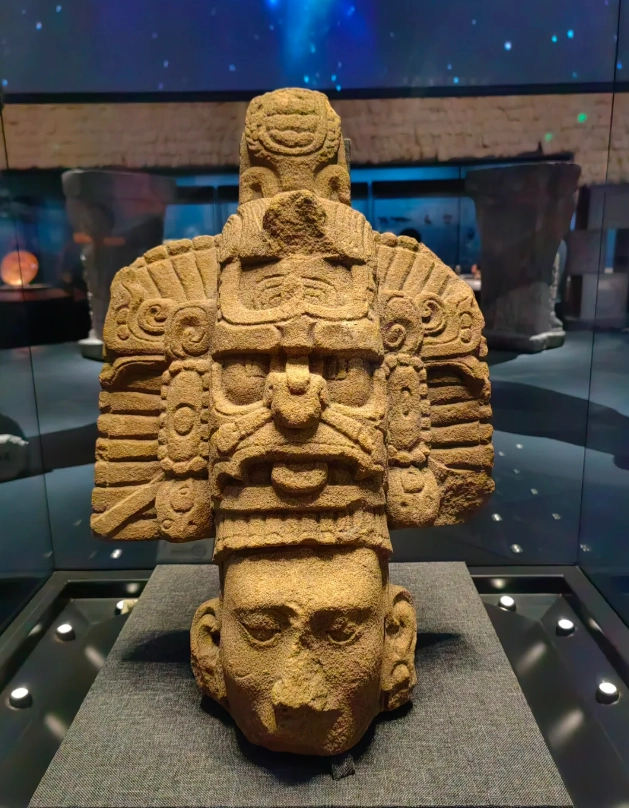
How to check before you queue
The only reliable source is the museum’s official WeChat account or website — and even then, translation apps garble the fine print. Look for the Chinese characters 优惠政策 (discount policy) on the ticket page.
Here is what the Chinese text usually says: “全日制学生凭学生证享受半价” — full-time students with a student ID get half price. It does not specify foreign student IDs. The clerk decides.
My workaround: screenshot the museum’s Chinese discount policy, then use Apple Translate to read it. If the policy says “凭有效证件” (valid ID), your passport works. If it says “学生证” (student ID), your foreign card is a gamble.
Museum-by-museum reality check
Each city runs its own museum discount system, so the answer changes the moment you cross a provincial border. Here is the real situation at the museums foreign visitors ask about most.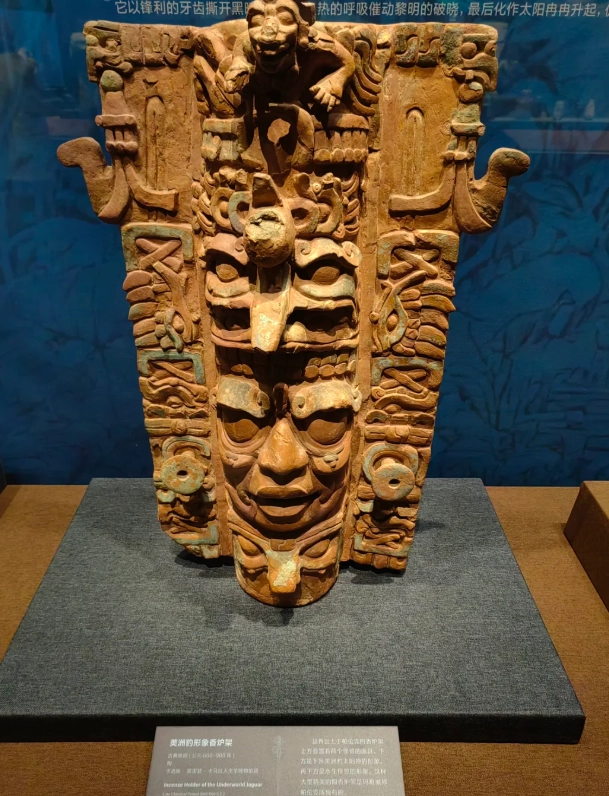
| Museum | General Admission | Student Discount Card Validity | Best For |
|---|---|---|---|
| National Museum of China, Beijing | Free with passport reservation | No discount needed — free entry | First-time visitors |
| Shanghai Museum, Shanghai | Free with reservation | No discount on general entry | Bronze and ceramics lovers |
| Shaanxi History Museum, Xi’an | Free with reservation | Special exhibitions sometimes half-price for Chinese student cards only | Tang dynasty fans |
| Capital Museum, Beijing | Free with reservation | ISIC card sometimes accepted for paid exhibitions | Art and porcelain |
| China Art Museum, Shanghai | Free with reservation | No student discount — free | Modern Chinese art |
Notice the pattern? Free museums dominate. The student discount question only matters for special exhibitions, and there the card rules are tighter than the security checkpoint.
If you are heading to Xi’an, the Shaanxi History Museum is the one place where I have seen foreign students pay half price — but only for a temporary Terracotta Army exhibition, and only with an ISIC card. The clerk asked for a second form of ID. Bring your passport and a printed copy of your ISIC card.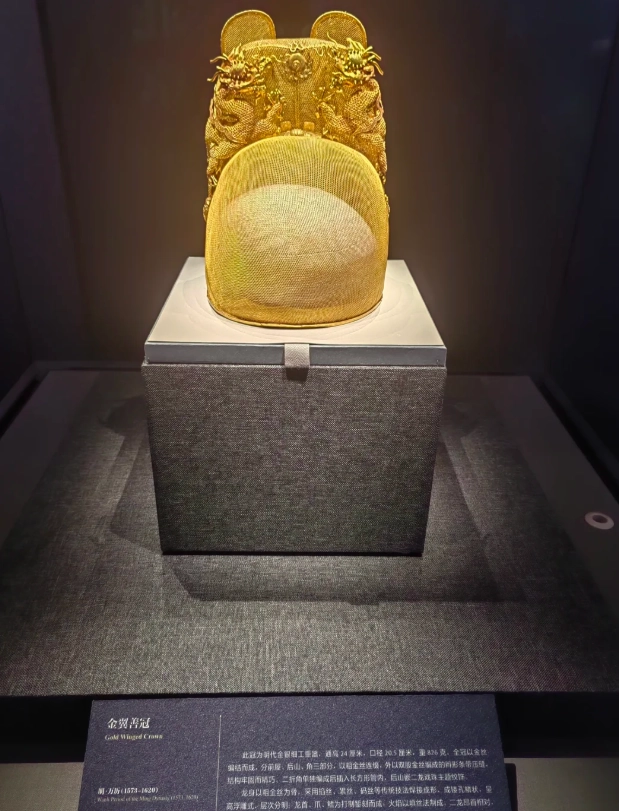
FAQ: student cards at Chinese museums
My university ID is in English only. Will a Chinese museum accept it for a special exhibition discount?
Rarely. The clerk needs to see a student status that matches the Chinese policy text. An English-only card often gets refused because the clerk cannot verify the enrollment date or full-time status. Carry your ISIC card if you have one — it has a recognizable logo and expiry date. Otherwise, budget for full price.
Is the student discount at Chinese museums worth arriving early for?
No. The discount is small and the eligibility rules are strict. Arrive early for the free entry slot instead. At the National Museum of China, the 9:00 a.m. reservation slot empties out by 9:40 a.m. because tour groups rush the ancient China gallery first. I send my clients to the rear galleries before 10:00 a.m. — you get the same free ticket and zero crowd.
Can I use my student card to skip the reservation line at free museums?
Never. Student cards do not grant priority access anywhere. The reservation system is tied to your passport, and security checks every visitor individually. I have seen students try to wave a card at the guard — it just slows down the line. Book your slot online like everyone else.
Which card works best for a foreign student visiting multiple Chinese museums?
An ISIC card gives you the widest chance, but chances are still low. The real value is at paid attractions outside museums — some temples and scenic sites accept it. For museums, assume no discount and treat any half-price ticket as a bonus. That mindset saves you from ticket-window disappointment.
Verified and fact-checked by the editorial team. This content has been fact-checked to ensure informational precision.






No comments yet.