 Jian Zhao
What’s Inside This Route Guide
Two weeks ago, I watched a backpacker hand over 400 RMB for a “private transfer” from Kashgar to Karakul Lake. The shared minibus costs 60. That gap—the foreigner tax—is what this guide kills.
I’ve been guiding budget backpacking routes through western China for years—sleeping in 40 RMB dorm beds, arguing with bus station touts in broken Mandarin, and learning which “scenic” detours are pure tourist traps. Western China is the cheapest, wildest part of the country for backpackers. But the information gap is brutal. Google Maps fails. International cards get rejected. Booking apps require a Chinese ID.
Here’s the ultimate truth: the best budget route through western China isn’t a single path—it’s a loop that starts in Urumqi, dips into the Silk Road oases, cuts through Qinghai’s high plateaus, and spits you out in Chengdu. Total cost? Under 250 RMB per day if you follow local rhythms. Let me show you exactly how.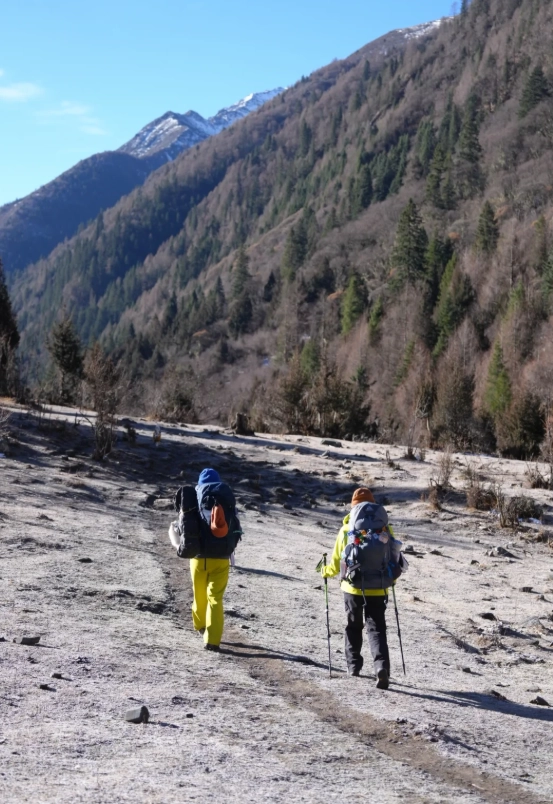
How I Plan Cheap Routes in Western China
Western China is huge. Trying to “see it all” on a budget is a rookie mistake. The trick is to embrace slow travel—pick three or four base towns and radiate outward by shared minibus or local bus.
My golden rule: always stay two nights minimum in any town that has a decent hostel. Why? Because the cheapest transport options (morning local buses, shared taxis filling up) require patience and local knowledge. Arriving and leaving the same day means you default to expensive private vans.
Route planning cheat sheet: Use the western hub cities—Urumqi, Kashgar, Xining, and Chengdu—as anchor points. Between them, choose one or two scenic detours, not five. Bus routes radiate from these hubs, and dorms cluster nearby.
The Silk Road Budget Loop: Xinjiang to Gansu
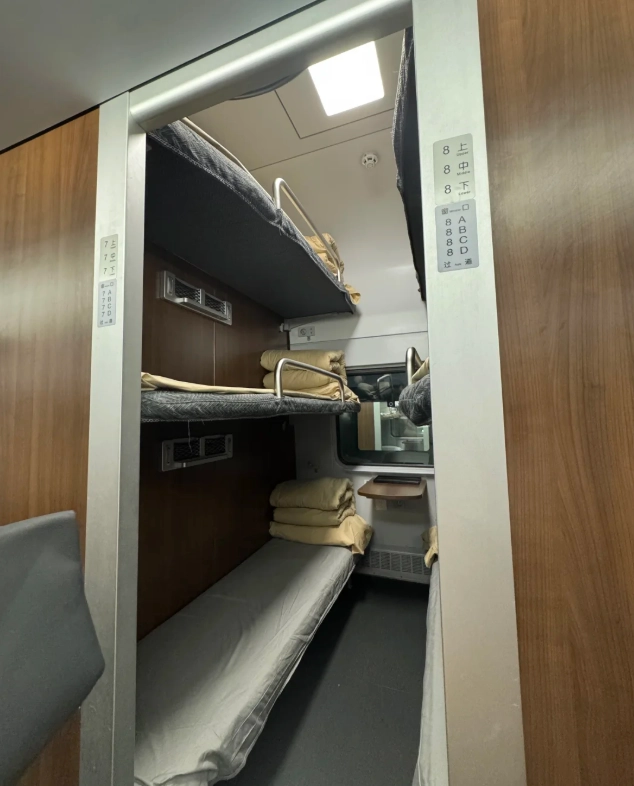
This is the classic budget backpacking route through western China, and for good reason. Urumqi to Kashgar by overnight train is a rite of passage—hard sleeper tickets run 250–300 RMB and sell out days in advance, so book on 12306.cn the moment your dates are fixed. The train leaves Urumqi around 8 PM and rolls into Kashgar just after sunrise. You save a night’s accommodation and wake up to the call to prayer from the Id Kah Mosque.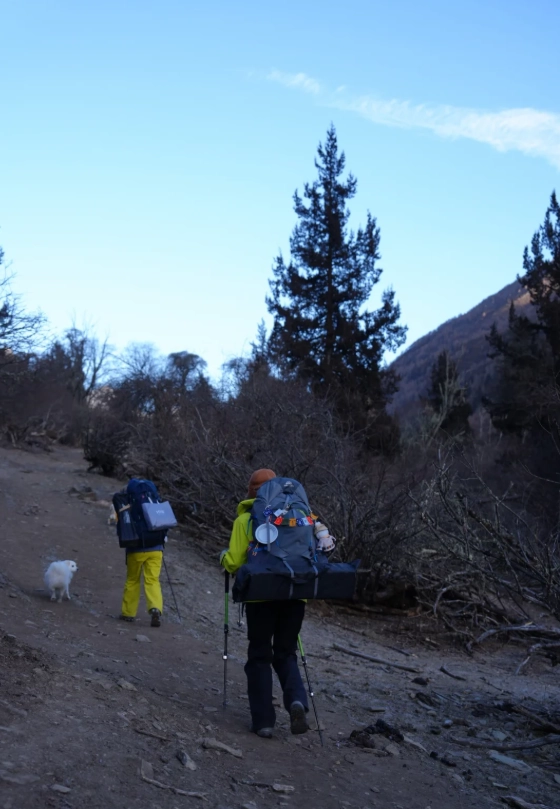
Karakul Lake: The Budget Way
Every agency in Kashgar will try to sell you a two-day jeep tour to Karakul Lake for 800–1,200 RMB. Here’s what they don’t tell you: shared minibuses to the lake leave from the Kashgar bus station every morning around 9 AM, cost about 60 RMB one way, and take roughly four hours. You need to show your passport to buy the ticket—there’s a checkpoint on the way.
Accommodation at the lake? Skip the “tourist yurts” that charge 150 RMB for a bed. Walk five minutes past the main viewing area; local Kyrgyz families rent beds in their yurts for 50 RMB. They won’t speak English, but pointing and smiling works. Bring cash—there are no ATMs and no card readers up there.
Tibet Fringe on a Shoestring: Qinghai & Sichuan
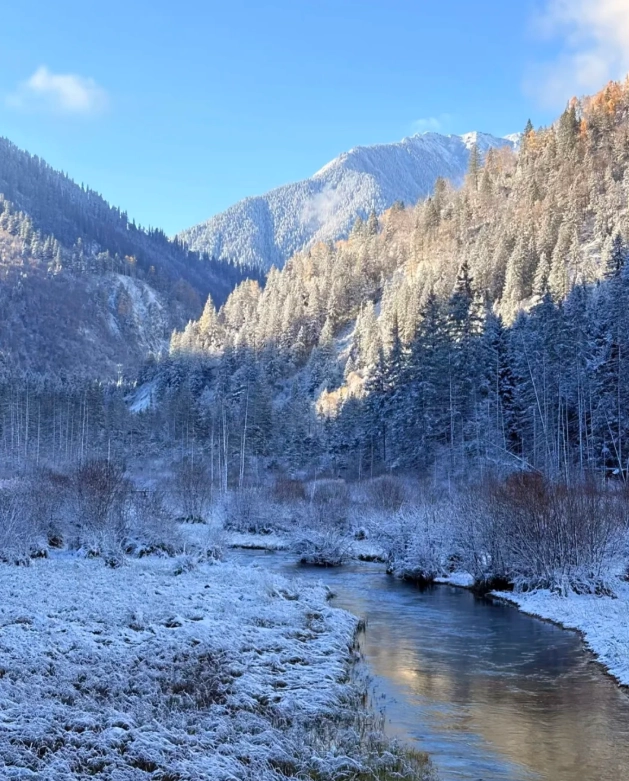
You don’t need a costly Tibet permit to experience Tibetan culture on a budget. The Qinghai-Tibet Plateau’s eastern edge—from Xining down through Yushu and into western Sichuan—delivers monasteries, grasslands, and mountain passes without the permit headache.
The budget backbone: Xining to Yushu by long-distance bus takes about 12 hours, costs roughly 180 RMB, and runs daily. From Yushu, shared minibuses connect to Shiqu and eventually Ganzi in Sichuan. This route is physically demanding—long days in cramped buses, high passes over 4,500 meters—but it’s one of the cheapest ways to see Tibetan nomad life.
Hostels in Yushu run 45–60 RMB per dorm bed. The Jiana Mani stone mound is free to visit and best in late afternoon light. I always tell my clients to arrive around 4 PM—the tour buses have left and the local pilgrims are doing their evening circuits.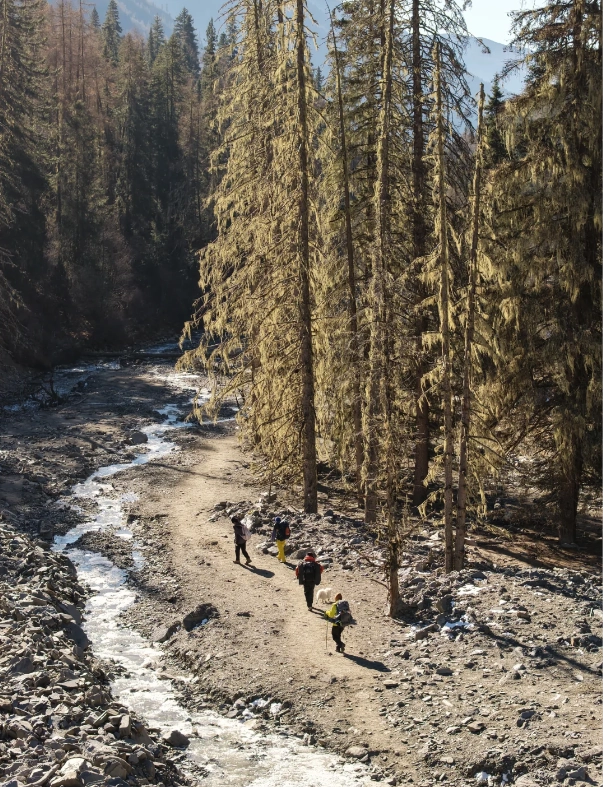
Where to Sleep for Under 100 RMB
| City | Hostel Name | Dorm Price | Best For | Key Detail |
|---|---|---|---|---|
| Urumqi | Silk Road Youth Hostel | 55–75 RMB | Train connections | 5 min walk from South Railway Station exit A; English-speaking staff |
| Kashgar | Old Town Hostel | 50–70 RMB | Culture seekers | Rooftop with mosque view; no elevator—pack light |
| Xining | Plateau Backpackers | 45–65 RMB | Acclimatization | Free oxygen canisters at reception; near bus station |
| Chengdu | Traffic Inn Hostel | 60–80 RMB | Recovery stop | 24-hour reception; near Wenshu Monastery metro |
Booking these dorms is the tricky part. Most don’t show up on international booking sites. I use Trip.com or Hostelworld for the ones that do, and for the others I ask my hotel in the previous city to call ahead. It sounds old-school, but it works.
One more thing: almost no budget hostel in western China accepts foreign credit cards at the front desk. Download Alipay and link your international card before you arrive. Cash works at markets and bus stations, but hostels often prefer mobile payment.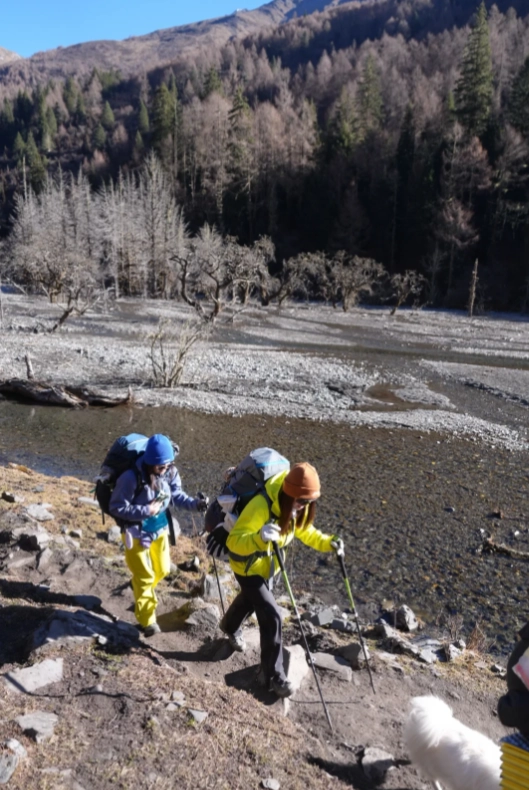
Transport Tricks That Save Real Money
- Shared minibuses over private vans: At any bus station, ask for “he cheng” (合乘)—shared rides. They leave when full. A shared ride from Kashgar to Karakul is 60 RMB versus 400 RMB for a private van. Be patient—you might wait an hour for the vehicle to fill.
- Hard sleeper trains: Overnight trains save a night’s accommodation. Book on 12306.cn with your passport. The website has an English interface, but the app is Chinese-only—I use the website.
- Local buses over tourist shuttles: At any scenic area, skip the official “eco-shuttle” and find the local bus stop. It’s often a fraction of the cost and drops you at the same entrance.
Backpacker Questions I Hear Every Week
One last thing—don’t trust Google Maps out here. It’s hopeless for bus stations and local addresses. Download AMap Global or use Apple Maps. And get a VPN before you land: you’ll need it for everything from hostel bookings to checking the weather.
Verified and fact-checked by the editorial team. This content has been fact-checked to ensure informational precision.

No comments yet.