 Ming Yang
My Quick Survival Map
My first client ever burst into tears at a Chengdu hot pot joint. Not from the chili—from panic. The menu was a grid of Chinese characters, the waiter spoke zero English, and the broth was bubbling like lava. I ordered for her that night. Now I do it before we even sit down.
Here's the truth: a Sichuan hot pot guide for foreigners isn't about which restaurant is "best." It's about knowing the exact words, the sauce bar dance, and the one trick that saves your stomach. I've guided dozens of visitors through their first mala experience—some loved it, one guy cried again (spice, this time). Let me save you the confusion.
The single most important move? Ask for a split pot—half mild, half spicy—before you even look at the menu. Most places charge 10-20 RMB extra for the divider, and it's worth every yuan. Speak this phrase: "Yuanyang guo" (鸳鸯锅). Point at the picture if you must. Without it, you're committing to a bowl of numbing fire.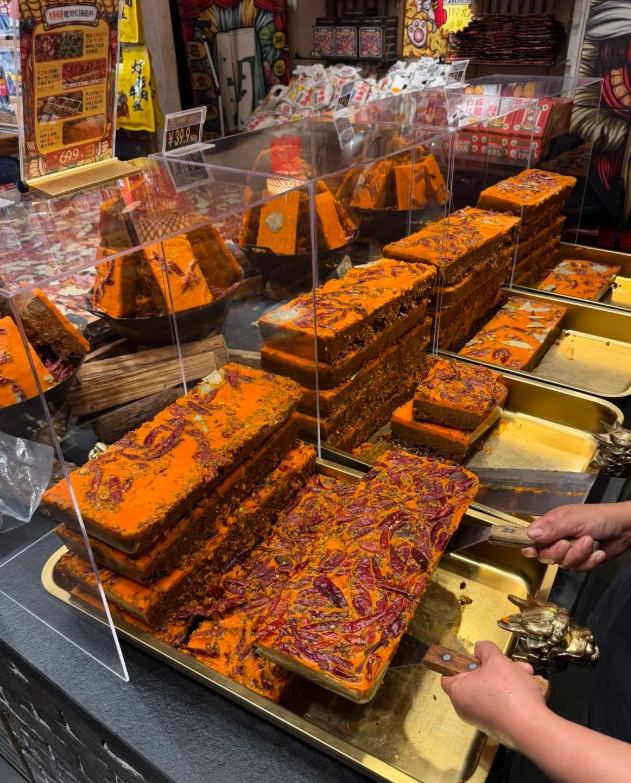
What Makes Sichuan Hot Pot Different?
Sichuan hot pot is a bubbling cauldron of beef tallow, chili bean paste, and Sichuan peppercorns—the latter cause a tingling, numbing sensation called málà. It's not just "spicy." It's a two-part attack: chili heat plus a citrusy buzz that makes your lips vibrate. I've seen tough guys from Texas tap out after three bites.
The broth base matters. Traditional Chengdu spots use beef tallow, which solidifies as it cools—look for a thick, waxy layer on top if you peek into the kitchen. Vegetarian-friendly versions use mushroom or tomato broth. If you're plant-based, say "wo chi su" (I eat vegetarian) and double-check the pot isn't shared with meat. Many places offer individual mini-pots for a few extra RMB.
How Do I Order Without Speaking Chinese?
Download a picture menu app or use the restaurant's WeChat mini-program—most chains like Haidilao have English menus on their tablets. But small local spots? You'll rely on pointing and Google Translate's camera. I always screenshot the Chinese characters for "beef," "lamb," "tofu skin," and "potato" before walking in. It saves ten minutes of awkward gesturing.
Here's a sample order for two people that won't overwhelm: one plate of fatty beef slices, one lamb roll, a basket of enoki mushrooms, lettuce, frozen tofu, and wide sweet potato noodles. That's plenty. Don't order tripe or duck intestine unless you're an offal adventurer—the texture is chewy and the flavor is intense.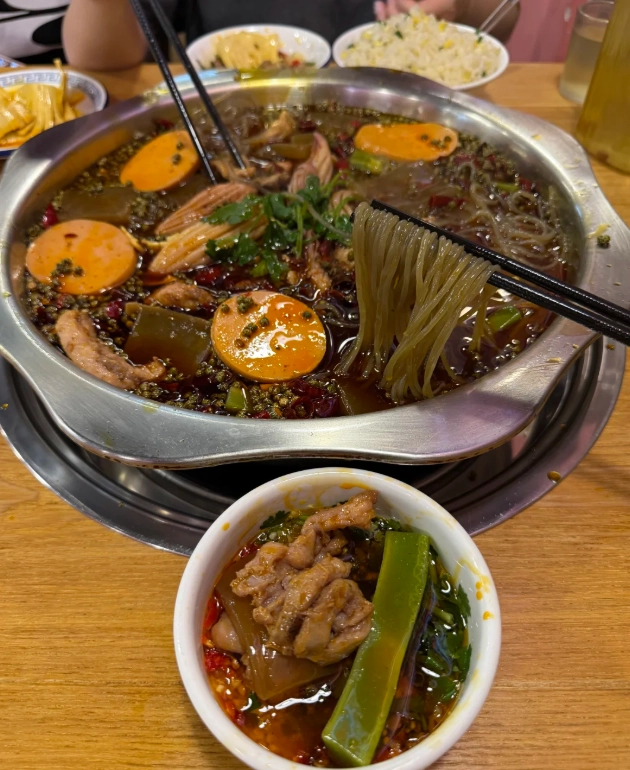
The Sauce Bar: Rules I Learned the Hard Way
Never fill your whole bowl with chili oil. The sauce bar is where locals customize their dip, and a classic mix is two spoons of sesame oil, one spoon of minced garlic, a splash of vinegar, and a pinch of cilantro. Add a spoonful of the hot pot broth on top—it thins the oil and adds flavor.
Some sauces are traps for foreigners: fermented bean paste (furu) is salty and funky—skip it unless you love strong cheese. Oyster sauce is sweet and thick. My personal favorite is a simple garlic-sesame blend with a squeeze of lime juice I bring in my bag. Don't judge me—it works.
Insider Advice: The sauce bar at chain restaurants like Haidilao is labeled in English. At mom-and-pop shops, look for a white, pasty sauce (garlic), a red oil (chili), and a dark brown liquid (soy). Stick to those three and you can't go wrong.
What to Dip and For How Long
Cooking times vary by ingredient, and getting it wrong is the fastest way to a rubbery meal. Thin beef slices? Ten to fifteen seconds in the boiling broth. They should turn pale brown—if they're grey, they're overcooked. Thick potato slices need three to four minutes. Enoki mushrooms take two minutes; tofu skin is ready in thirty seconds.
The biggest mistake I see? People drop everything in at once. The broth cools down, and you end up boiling your meat for two minutes instead of ten seconds. Cook in small batches and use a slotted spoon to fish things out. Most restaurants provide a small wire basket for each diner—use it.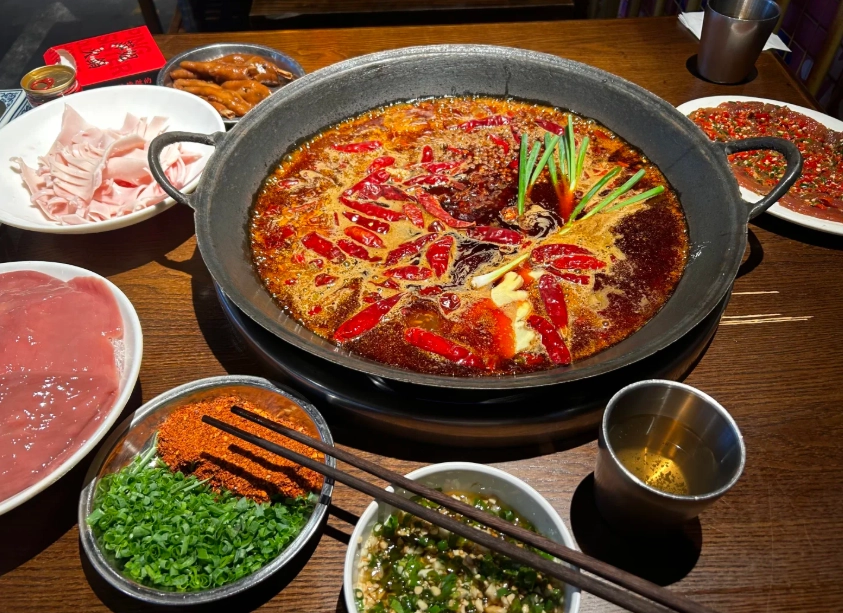
Paying, Booking, and Avoiding the Queue
Cash is still king at small hot pot shops—many don't accept foreign credit cards, and some won't take WeChat Pay linked to an international card. I always carry 200-300 RMB in cash for these situations. At bigger chains like Haidilao, you can pay with Alipay or WeChat Pay if your account is set up with a foreign card—test it before you arrive.
Reservations? Only necessary for popular spots on weekends. Walk in around 5 PM and you'll beat the 6:30 PM rush. If you arrive at 7 PM on a Saturday, expect a 45-minute wait. Haidilao lets you queue online via their app, but the interface is Chinese-only. Ask your hotel concierge to book for you—it's a two-minute call they're happy to make.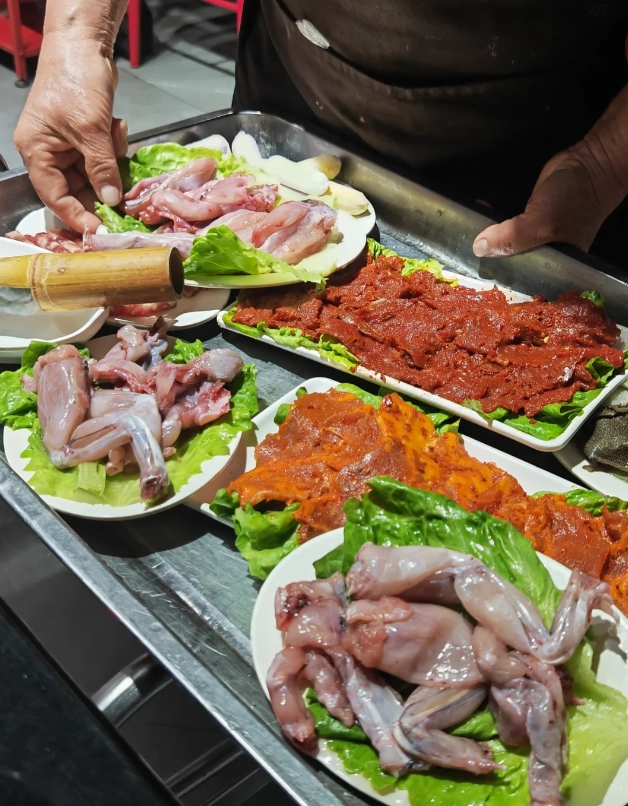
| Restaurant Type | Average Cost per Person | Accepts Intl. Credit Card? | English Menu? |
|---|---|---|---|
| Local neighborhood spot | 60-80 RMB | No (cash only) | No (use translation app) |
| Haidilao or similar chain | 120-150 RMB | Yes (via Alipay/WeChat) | Yes (tablet) |
| Tourist-area restaurant | 150-200 RMB | Sometimes | Usually |
FAQ: Real Questions from My Tour Groups
Verified and fact-checked by the editorial team.







No comments yet.