 Fang Wang
Stuck at a Hangzhou restaurant, staring at a menu of pure Chinese characters, and your phone battery is dying? That was me on my first trip — and it's a scene I've watched countless travelers stumble through. As a local guide who lives here, I've spent years eating my way across every neighborhood, from West Lake tourist spots to hidden alleys in the old city. This guide isn't a list of generic recommendations — it's the exact dishes, exact streets, and exact escape routes I use with my own friends.
If you're still wondering what to eat in Hangzhou, the answer goes way beyond touristy Dongpo pork. You need to know where locals actually queue up, what to order, and how to pay — without falling into the traps that leave visitors with a cold meal and a lighter wallet.
Here's the headline: skip the fancy lakefront spots at noon, head to Hefang Street at 9 AM for street breakfast, and always carry cash — some legendary stalls don't accept cards. Now, let's map out the essentials.
What's Inside This Guide?
Why Hangzhou Food Is a Game-Changer for Your Tastebuds
Hangzhou cuisine is the soul of Zhejiang province — it's light, fresh, and often leans on the sweetness of local produce and the umami of the West Lake itself. Unlike the fiery heat of Sichuan or the hearty wheat bowls of the north, Hangzhou's flavors are subtle but addictive. The trick is in the freshness: fish straight from the lake, tea from the nearby hills, and bamboo shoots that snap with every bite. As a local guide, I've seen visitors fall in love with dishes they thought they'd hate — because the secret is in the precision of the cooking, not heavy spices.
But there's a catch: the most authentic spots are often hidden in plain sight, and the menus are almost never in English. That's where I come in.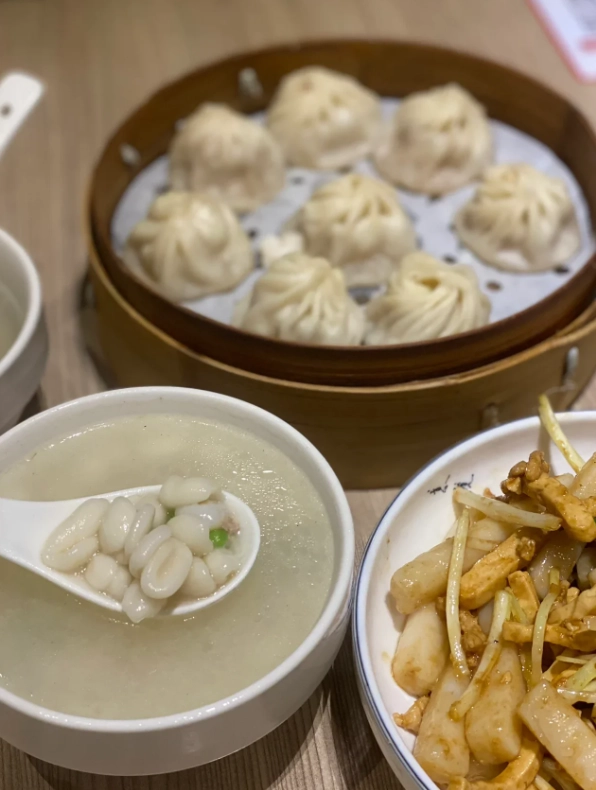
Over the years, I've also learned that Hangzhou food is deeply seasonal. In spring, the wild vegetables and bamboo shoots take center stage. Summer demands light soups and cold snacks. Autumn brings fresh lotus root and hairy crabs, while winter begs for slow-braised pork and warming stews. If you're planning your trip, try to coincide with the seasonal specialties — it's like tasting the city's rhythm through its food.
What Are the 10 Must-Try Dishes in Hangzhou?
These ten dishes are the ones I personally taste-test on every visit to different restaurants. Some are iconic classics, others are street-level gems — but all are absolutely non-negotiable for a first-timer.
The Iconic Classics (Dishes 1-5)
Keep these five on your radar — they're the backbone of Hangzhou's culinary reputation.
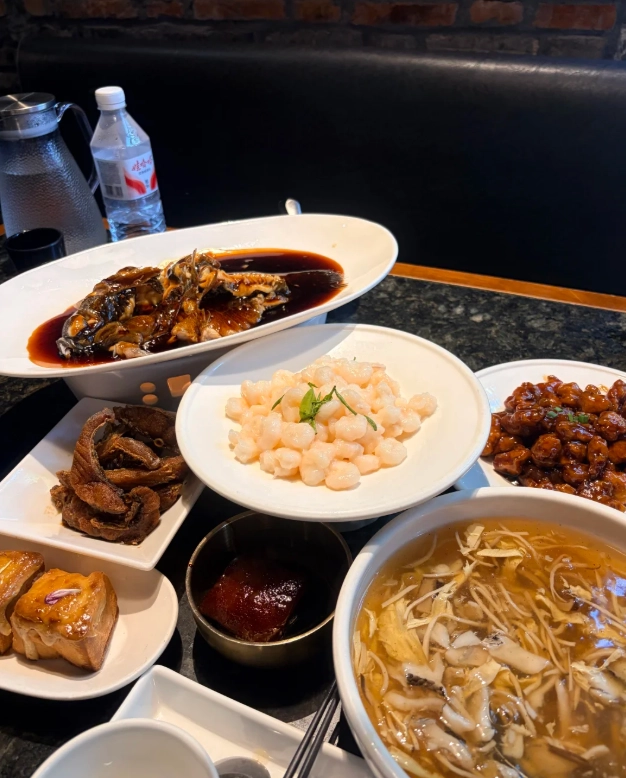
- West Lake Vinegar Fish (西湖醋鱼) — This is the dish that defines Hangzhou. A whole fish is gently poached and then bathed in a glossy sweet-and-sour vinegar sauce with a whisper of ginger. The fish should be tender, the sauce tangy but not harsh. Locals say the best version uses grass carp from the lake itself. I always order it at 楼外楼 (Lou Wai Lou), the lakeside institution, but be ready to pay around ¥150-200 for a good portion. If you're on a budget, try 知味观 (Zhi Wei Guan) near West Lake — their version is slightly sweeter but still hits the spot.
- Dongpo Pork (东坡肉) — Named after the poet Su Dongpo, this is braised pork belly that melts in your mouth. The meat is slow-cooked in soy sauce and sugar until it's so tender that it quivers on the chopsticks. It's rich, sweet, and utterly satisfying. A small cube usually costs ¥20-35 at most restaurants. My personal pick: 奎元馆 (Kui Yuan Guan) on Jiefang Road — they serve it with mantou buns perfect for soaking up the sauce.
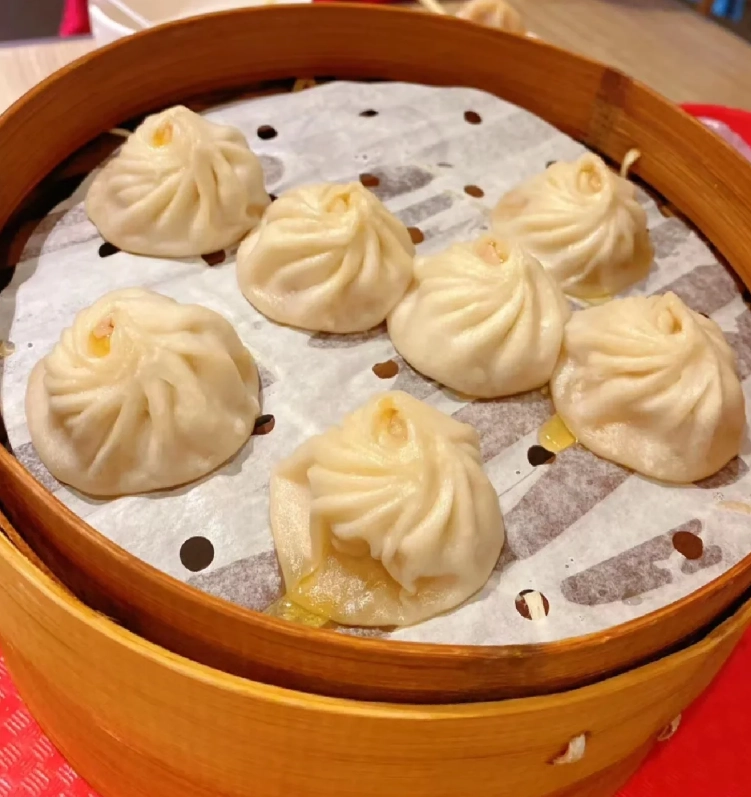
- Longjing Shrimp (龙井虾仁) — Think of it as green tea meets fresh river shrimp. The shrimp are stir-fried with Longjing tea leaves, which lends a subtle smoky, grassy note. The texture is springy and delicate. This is one of the most photographed dishes in Hangzhou. For a refined experience, book at 山外山 (Shan Wai Shan) which has a beautiful view of the lake. Expect to pay ¥80-120 for a plate.
- Beggar's Chicken (叫花鸡) — Legend has it that a beggar wrapped his stolen chicken in lotus leaves and mud, then baked it. The result is unbelievably juicy meat with a fragrant herbal aroma. Restaurants traditionally crack open the clay shell at your table for the full performance. Try it at 张生记 (Zhang Sheng Ji), a local favorite for over a century. A whole chicken runs around ¥158-198.
- Song Sister's Fish Soup (宋嫂鱼羹) — This spicy-sour soup is a hangover cure and a warming appetizer in one. It's made with fish, bamboo shoots, egg drop, and a sharp vinegar kick. I love getting a small bowl before diving into heavier mains. 外婆家 (Grandma's Home) serves a solid version for only ¥15-25.
Street Snacks and Small Eats (Dishes 6-8)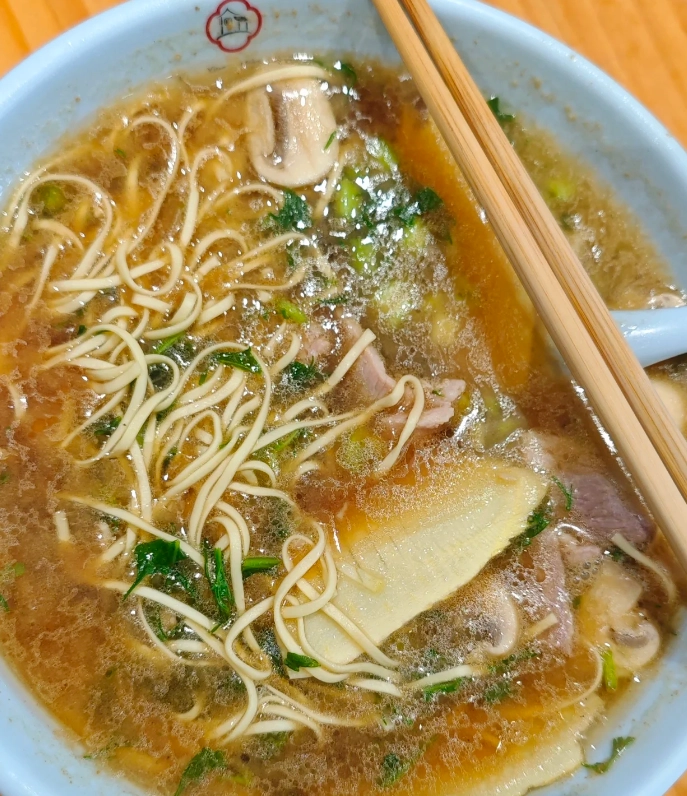
These are the bites you'll find in local markets — cheap, quick, and full of character.
- Crispy Fried Bean Curd Rolls (干炸响铃) — These golden rolls are made from tofu skin, which is fried until it's a crackling, brittle shell. They're often served with a sweet bean-paste dip. The name literally means "delicious sound of the bell" because they crackle so loudly. Grab them at 河坊街 (Hefang Street) food stalls for around ¥10 per portion.
- Dingsheng Cake (定胜糕) — This little pink rice cake has a red bean paste center and a spongy texture. It's a traditional good-luck snack, especially popular during festivals. You'll see them at street carts near West Lake — each piece costs just ¥3-4. My favorite spot is Ding Sheng Cake Shop on Zhongshan Middle Road.
- Cong Bao Gui (葱包桧) — This is a street breakfast legend: a spring onion wrapped in a thin pancake, then pressed and grilled until crispy, served with sweet bean sauce. It looks like a small roll but packs a punch of savory flavor. Try the vendor stalls at Wushan Night Market — they'll set you back about ¥6-8.
Sweet Endings and Drinks (Dishes 9-10)
Don't leave without these two — they're Hangzhou's comfort food finale.
- Pian Er Chuan (片儿川) — This is a noodle soup with pickled mustard greens, bamboo shoots, and pork slices. It's the local's go-to lunch — simple, savory, and incredibly satisfying. The broth is light but complex. I always swing by Kui Yuan Guan (yes, same place) for a bowl of this at around ¥20-30.
- Lotus Root Powder (西湖藕粉) — For dessert, skip the heavy cakes and try this glossy, pudding-like dish. The powder is dissolved in hot water, then topped with sweet osmanthus syrup and sometimes wolfberries. It's silky and barely sweet — a perfect palate cleanser. Find it in any traditional teahouse or at 知味观 for about ¥10-15.
That's the full list — ten dishes that will give you a crash course in Hangzhou flavor. But knowing what to order is only half the battle. You also need to know where to find them.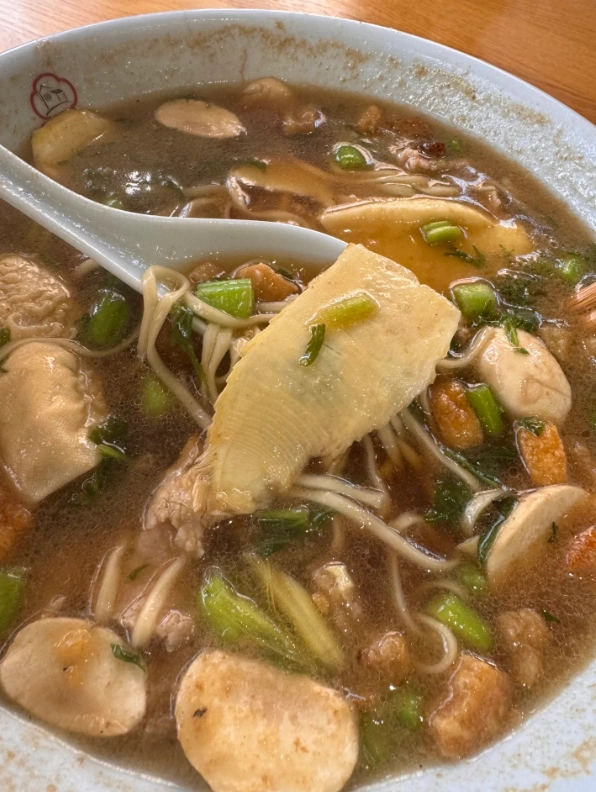
Where Does a Local Eat in Hangzhou?
The best food in Hangzhou is rarely inside tourist malls — it's in the old streets and market alleys. Let me break down the key neighborhoods and what you'll find there. To help you decide, here's a quick comparison table:
| Food Area | Best Time to Visit | Signature Bite | Payment |
|---|---|---|---|
| Hefang Street (河坊街) | Morning (9-11 AM) | Dingsheng cake, fried tofu rolls | Cash, Alipay/WeChat |
| Wushan Night Market (吴山夜市) | Evening (6 PM-12 AM) | Grilled skewers, stinky tofu | Cash, mobile |
| Zhongshan Middle Road (中山中路) | Lunch (11:30 AM-1:30 PM) | Dongpo pork, noodle soups | Alipay/WeChat, cards at some places |
| Gaoji Street (高银街) | Dinner (5-8 PM) | Fish head casserole, local classics | Alipay/WeChat, cash |
Hefang Street — The Historic Pedestrian Street
This is the first stop for any visitor, but locals know it's for tourists too. Yes, it's crowded, but it's also packed with authentic snack stalls and teahouses. Come in the morning (around 9 AM) to beat the crowds and get the freshest batches of Dingsheng cake and fried bean curd rolls. Many stalls accept Alipay/WeChat Pay, but cash is safer for the smaller vendors. Address: Hefang Street, Shangcheng District.
Wushan Night Market — The Neon-Fueled Food Crawl
If you're after late-night eats, this market turns on its neon glow after dark. You'll find skewers of grilled meat (chuanr), stinky tofu (which is an acquired taste), and the famous Cong Bao Gui. Be prepared for a loud, chaotic, and utterly addictive vibe. It's open roughly from 18:00 to midnight, but some stalls close earlier. Cash and mobile payments both work here. Address: Wushan Road, Shangcheng District.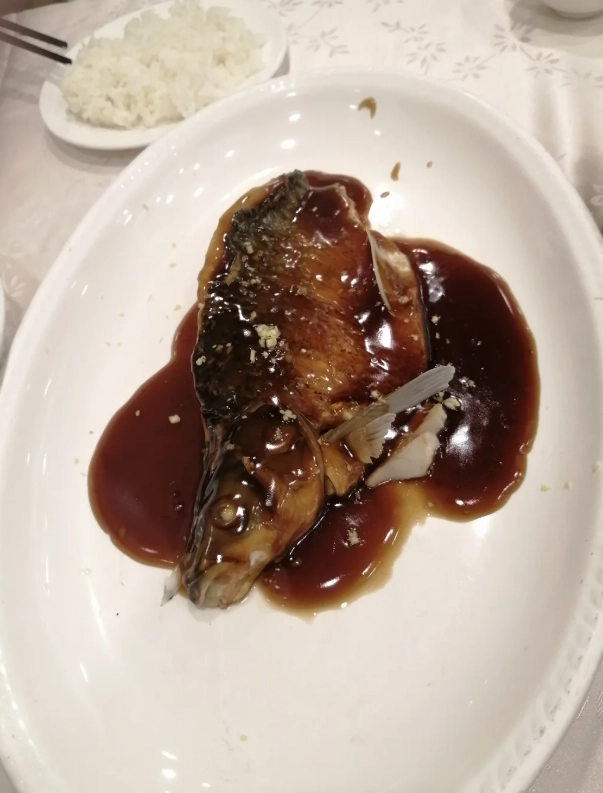
Zhongshan Middle Road — The Locals' Dining Hub
This is where locals go for a sit-down meal. The street is lined with old-school restaurants serving Dongpo pork, fresh river fish, and seasonal bamboo shoots. I always take first-time visitors to 奎元馆 (Kui Yuan Guan) at No. 6 Zhongshan Middle Road — it's been serving noodles since 1867. Come early for lunch (11:00) to avoid a wait, as it gets packed with office workers by 12:30. The experience here is more traditional, so expect paper menus and fast-talking waiters — but that's part of the charm.
Gaoji Street — The Underrated Gourmet Lane
Just south of Hefang Street, Gaoji Street is less crowded and more affordable. You'll find a mix of classic Zhejiang restaurants and trendy cafes. For a quick and authentic meal, try Xiang Fu Jian (享福健) for its fish head casserole — priced around ¥60 per person. Address: Gaoji Street, Shangcheng District. Pro tip: go with a group so you can order more dishes to share.
How Can You Order Like a Local Without Speaking Chinese?
This is the #1 hurdle for foreign visitors — and I've developed a foolproof system. Here's how to navigate any menu without panic.
- Carry a screenshot of these Chinese phrases: 推荐菜 (recommended dish), 招牌菜 (signature dish), 不要辣 (no spicy), and 我用现金 (I'll pay cash). Show them to the waiter — it breaks the ice immediately.
- Use your phone's camera translation: Both Google Translate and Apple Translate can handle Chinese menus decently. Point your camera at the menu, and it'll translate the text in real-time. It's not perfect for poetic dish names, but it gives you the main ingredients.
- Ask for an English menu: Most mid-range restaurants have one, even if it's hidden in a drawer. Just ask "English menu, please?" and they'll usually produce it. If not, they'll often bring a tablet with photos.
- Embrace the "shuffle" method: Point at a dish the next table is eating and say "Same, please!" Works like a charm, especially in busy noodle shops.
Pro Tip: Download Amap (高德地图) before you arrive — it has an English version (AMap Global) and is far more accurate than Google Maps for finding local restaurants and getting walking directions. It also shows real-time reviews and recommended dishes.
Payment is another classic pitfall. While Alipay and WeChat Pay are dominant, many smaller stalls still only take cash. So always carry ¥200-300 in small bills. International credit cards are rarely accepted outside major hotels and a few upscale restaurants. If you've set up Alipay with your foreign card, great — just make sure you have a backup of cash for those street vendors.
Another helpful tool is 大众点评 (Dianping) — it's like Yelp for China. The app is in Chinese, but it can tell you which places are trending and how much to budget. I often use it to double-check a restaurant's score before stepping in. If you don't want to navigate the Chinese UI, there are English-friendly food blogs and tours that can point you in the right direction.
What About Dietary Restrictions?
If you're vegetarian, vegan, or halal, you'll need extra planning. Standard Hangzhou dishes tend to include pork or fish broth. For veggies, look for 青菜 (green vegetables) and 豆腐 (tofu) dishes. Many restaurants can adjust a dish if you say "不放肉" (no meat) and "不放鱼露" (no fish sauce). For halal diners, I recommend heading to Zhongshan Middle Road where several Muslim-run restaurants serve excellent beef and lamb dishes. There are also a couple of reliable vegan places like 简在桥 (Jianzaiqiao) near West Lake, but always call ahead to confirm hours.
A Day in Hangzhou: A Food-Filled Itinerary
Let me walk you through how I'd spend a day eating in Hangzhou — from breakfast to late-night snack — without rushing or tourist traps.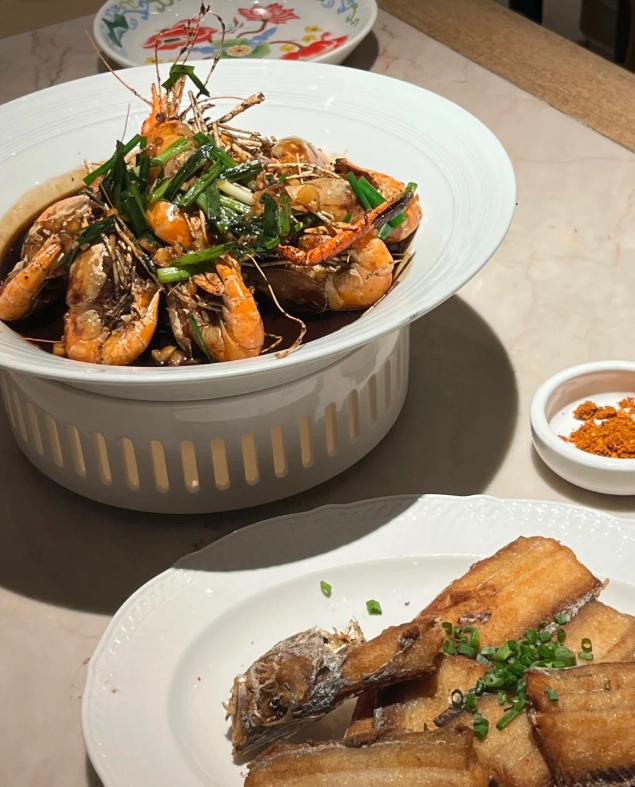
Morning (8:00 – 11:00)
Start your day on Hefang Street, sampling Dingsheng cake and a warm bowl of Pian Er Chuan noodles at a local joint. This area is quiet before 9 AM — you'll have the cobblestones almost to yourself. Check out the street vendors as they set up; the freshest stinky tofu also comes out around this time.
Midday (11:00 – 14:00)
Head to Zhongshan Middle Road for a sit-down lunch. My go-to is 奎元馆 for its legendary Dongpo pork and noodle soups. If the wait is long (it often is at 12:00), walk to Gaoji Street for a more relaxed meal at Xiang Fu Jian. Either way, plan about two hours total including travel (the two streets are a 10-15 minute walk apart).
Afternoon (14:00 – 17:00)
This is the perfect time to visit West Lake — not for the food, but to walk off lunch and admire the scenery. After 16:00, the light is golden and the crowds thin out. Grab a small snack of Lotus Root Powder from a lakeside tea house to keep your energy up. If you're feeling adventurous, head to Lingyin Temple for a vegetarian lunch — it's a bit out of the way, but the temple's food is legendary.
Evening (17:00 – 21:00)
Return to Wushan Night Market for the full street food experience. Order a mix of grilled skewers, stinky tofu (if you dare), and Cong Bao Gui. For dinner, I'd secure a seat at 楼外楼 on the lake for West Lake vinegar fish and Longjing shrimp — but book ahead or go early (17:00) to skip the queue. The queue at Wushan Night Market can get brutal after 19:00, so plan your timings.
Late Night (21:00 onwards)
If you're still hungry, Zhongshan Middle Road stays lively with late-night noodle joints. I usually finish with a warm bowl of chicken soup from 沈元汤 (Shen Yuantang) — it's not touristy, but it's the kind of comforting end to the day that locals love.
FAQ: What Travelers Ask About Food in Hangzhou
These are the questions I get asked most often on my tours — and the answers go beyond the usual advice.
Can I use my foreign credit card at most restaurants in Hangzhou?
Not really. At least 80% of restaurants, especially street stalls, only accept WeChat Pay, Alipay, or cash. Even larger establishments like Lou Wai Lou may have issues with foreign cards at their self-service kiosks. My recommendation: set up Alipay with your international card before you fly, and also withdraw ¥500 in cash from an ATM for emergencies.
What's the best way to handle language barriers when ordering food?
Your phone's camera translation is your best friend. Both Google Translate and Apple Translate have offline Chinese packs. In restaurants with no English menu, just scan the menu with your camera. When that fails, point at what the next table has — it's a universal fallback that always gets a laugh and usually a thumbs-up.
Are there any vegetarian or vegan options in Hangzhou?
Yes, but you'll need to be proactive. Hangzhou has a strong Buddhist tradition, so many temple cafeterias serve excellent vegetarian meals — try the one at Lingyin Temple (entrance fee applies but the food is worth it). For regular restaurants, stick to dishes like Mapo tofu (ask for no meat), stir-fried greens, and mushroom soups. Just be careful with soups — they're often made with pork bone broth. Always ask "有肉吗?" (is there meat?) before ordering.
Is street food safe for foreign stomachs in Hangzhou?
In general, yes — the health standards in urban China are decent. However, your stomach might not be used to the oil and spices. Start with lightly fried or steamed options, avoid cold cuts from unfamiliar stalls, and drink only bottled water. I've never had a severe food poisoning case with my guests, but having some activated charcoal tablets in your bag is a smart safety net.
How do I avoid the tourist-trap restaurants near West Lake?
The simple trick: walk 10 minutes away from the lakefront. Any restaurant with a view of the lake is charging a premium for that view, not for the food. Locals eat on streets like Gaoji Street and Zhongshan Middle Road — the food is just as good (often better) and prices drop by 30-50%. Also, look for restaurants with a queue of Chinese people — that's a reliable signal of quality.
This content has been fact-checked to ensure informational precision.





No comments yet.