 Fang Wang
Two provinces. Ten days. One suitcase that gets heavier at every station.
That is the Beijing and Shandong tour I have run more times than I can count — and the one where experienced travelers still trip over the same three things. Last spring a couple from Melbourne missed their Mount Tai sunrise because they had booked a 9 a.m. train out of pure habit. The summit had been packed since 3 a.m.
When you book a Beijing and Shandong tour, the sights are the easy part. The boring stuff wrecks itineraries: a Forbidden City ticket that sells out a week ahead, a booking mini-program that only speaks Chinese, a taxi driver who has never seen your hotel's English name on a map.
So here is the verdict up front. Give Beijing four nights. Ride the rail south instead of flying. And never put Mount Tai on the same day you arrive in Tai'an. Do those three things and the rest of this route almost runs itself.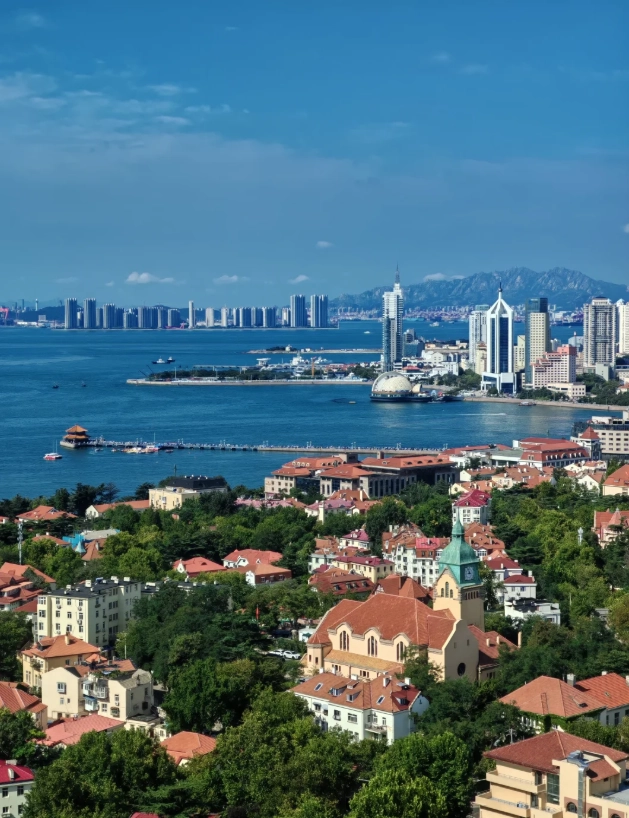
What Is In This Route Guide
Why Bother Pairing Beijing With Shandong
Shandong is where Chinese travelers go to meet their own history, and almost no Western tourists follow them there. Confucius was born in Qufu. Mount Tai has been climbed by emperors for two thousand years. Qingdao has German-era brickwork, a coastline, and the beer that made the city famous. Beijing South to Jinan West takes under 90 minutes on the fastest trains.
The trade-off is real, and nobody warns you about it. Shandong is less English-friendly than Beijing or Shanghai. You will meet hotel staff who can check you in but cannot recommend a restaurant. Menus will be Chinese-only in the small places. Google Maps will be useless here — as it is everywhere in China — so load Apple Maps or Amap before you leave your hotel wifi. None of this is hard to solve. It just needs planning, not discovering at 8 p.m. with hungry kids.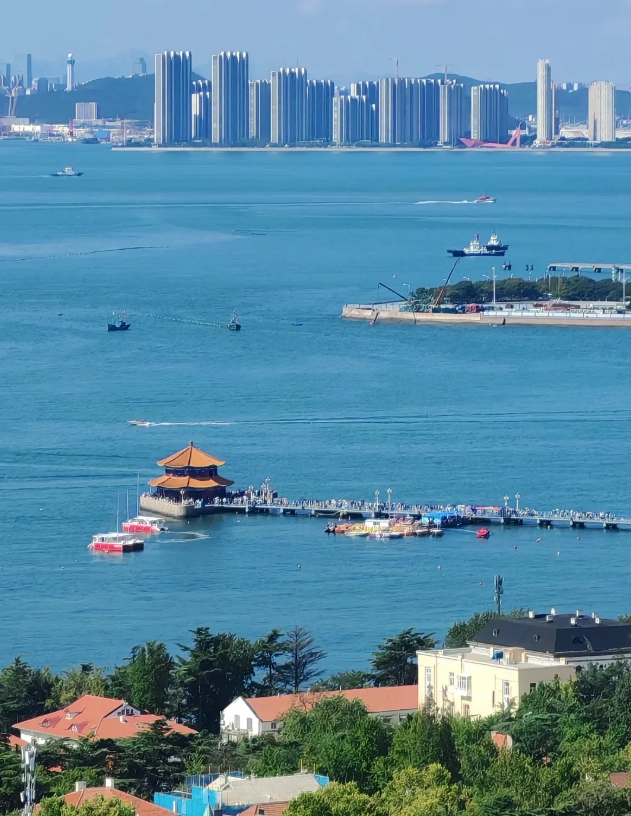
Pro Tip: Rail stations in Shandong often sit 10 to 20 km outside the city core. Tai'an station is reasonably close, but Qufu East sits in open farmland — budget 25 minutes and roughly ¥40 for a taxi into the old town, and screenshot your hotel name in Chinese before you get in the car.
The 10-Day Beijing and Shandong Tour Route, Day by Day
This is the version I hand to clients who want depth without collapsing. It assumes you land in Beijing and fly home from Qingdao. Flip it if your flights are cheaper the other way — the rail works in both directions.
Days 1 to 4 — Beijing Without the Queue Trauma
Day one is a write-off and you should treat it that way. Land, drop bags, walk the hutongs around Gulou and the Drum Tower at dusk, eat noodles, sleep. Do not book the Great Wall for tomorrow. Jet lag plus a 6 a.m. departure is how people end up hating their first day in China.
Day two is the Forbidden City. Here is the part most guides skip: entry is only through the Meridian Gate on the south side, and the square in front of it, Tian'anmen Square, requires its own free advance reservation. No square reservation, no access to the palace entrance. Palace tickets are released about a week ahead at 8 p.m. Beijing time on the official Palace Museum channel, and weekend slots vanish in minutes. The museum closes on Mondays. Always confirm the current release time on the official channel before you build your day around it.
A workaround I use constantly: buy the ¥3 ticket to Zhongshan Park, the small imperial park just west of the palace, and walk east through it. You surface close to the Meridian Gate and skip the longest security line. Rules shift, so if that gate is closed, fall back to the square reservation route.
When you exit at the north gate, do not walk straight to the subway. Cross the street into Jingshan Park, climb 15 minutes to the Wanchun Pavilion, and look south over the golden roofs. That is the photo. Sunset there is shoulder-to-shoulder; late morning is clear and calm.
Day three: Mutianyu, not Badaling. Badaling is the wall you have seen in every photo, and that is exactly the problem — it becomes a conveyor belt of tour buses by 10 a.m. Mutianyu is further out, greener, and has a cable car up plus a toboggan down. Arrive by 8:30 and whole stretches of wall are yours. The toboggan shuts in rain or high wind, so keep the cable car as your fallback, and go on a weekday if your schedule allows it at all.
Day four is the Temple of Heaven early — gates open around dawn and locals are doing tai chi and singing opera under the trees, which is honestly better than the buildings. Summer Palace in the afternoon if your legs still work, or a long lunch and a foot massage if they do not.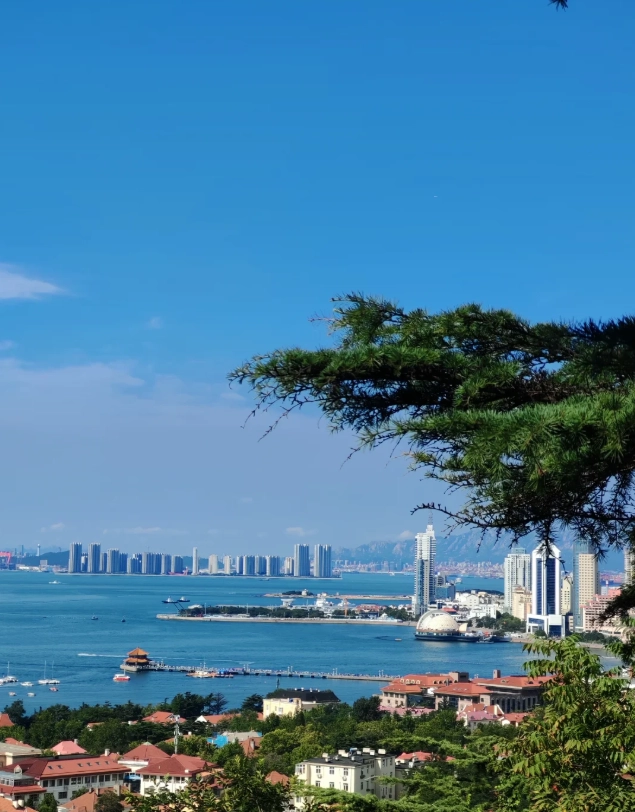
If you have only 24 hours in Beijing before the train south: Forbidden City at opening, Jingshan at 11, dumplings near Nanluoguxiang, Temple of Heaven at 3 p.m., and roast duck at 5:30 before the queues form. It is brutal. It works.
Days 5 and 6 — Jinan, the City of Springs
The morning train from Beijing South to Jinan West is barely long enough to finish a coffee. Jinan is the stop most foreigners skip, and it is the one I defend hardest. This is a city built on artesian springs — water pushes up through courtyards and park paving.
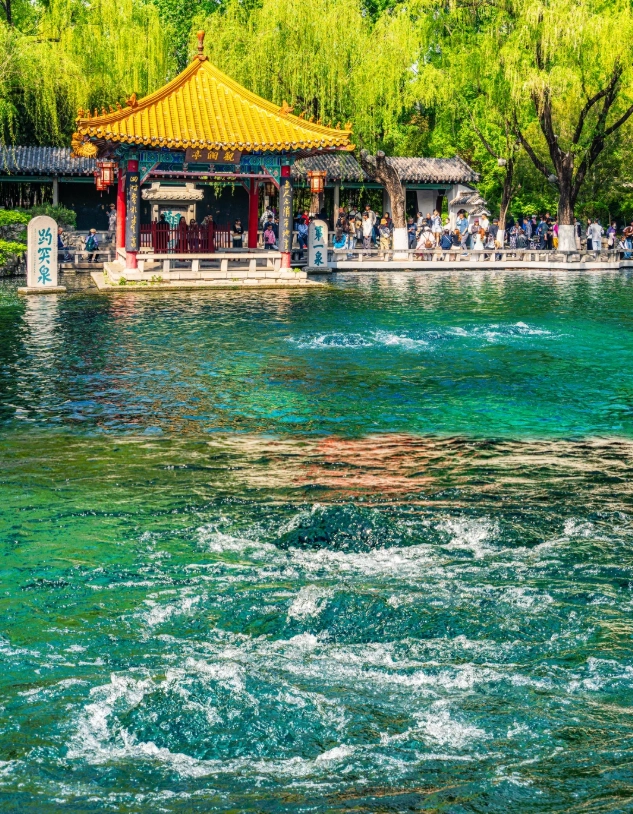
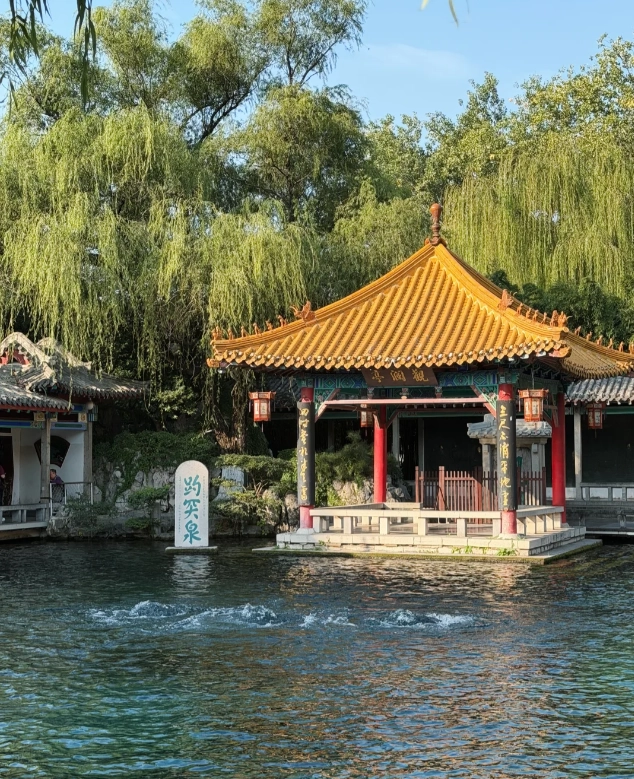
Baotu Spring is the headline act. Go at 7 a.m. when locals arrive with thermos flasks and the light is soft. Honest note: after a dry winter the famous gush can be modest, and the ¥40 ticket feels steep when the water is low. Daming Lake is free to walk along, and on a clear evening the locals dancing by the water are the actual attraction.
For lunch, skip Furong Street. It is a snack alley built for tourists now, and the prices show it. Walk 10 minutes to any Chaoyixing branch and order the braised pork over rice for around ¥20. Office workers queue there at noon and it is the best value meal on this entire route.
Day 7 — Mount Tai and How to Actually Catch the Sunrise
Mount Tai carries a UNESCO World Heritage listing for both culture and nature, and it is also the most physically demanding day on this itinerary. There are three ways up. The classic Red Gate route is a staircase of roughly six thousand steps and takes most people four to six hours. The easier version is a bus from Tianwai Village to the midpoint, then a cable car to the top.
The sunrise crowd starts moving at 2 a.m. If you want an actual bed, book a room at the summit and set an alarm for four. Rooms up there are basic, cold, and overpriced — that is the deal. Bring a fleece even in July; the top runs several degrees cooler than the base and the wind never stops.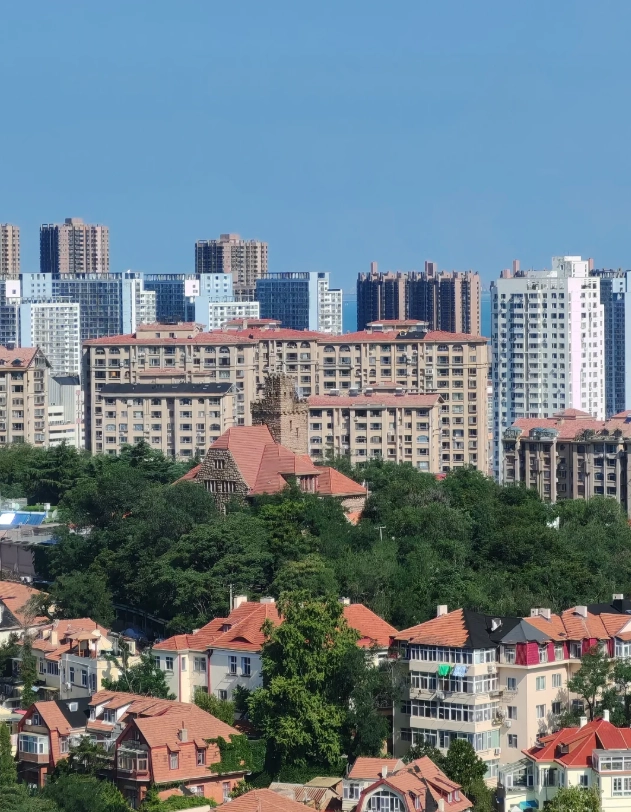
Insider Advice: The summit toilets are grim and the dawn queues are worse. Use the facilities at the cable car station before you go up. Riguan Peak also fills up by 4 a.m. in summer, so claim your spot early or accept a view of other people's phone screens.
Day 8 — Qufu and the Confucius Sites
Qufu is a small town holding one of the most important sets of buildings in East Asia, and you can cover the core of it in half a day. The Temple of Confucius, the Kong Family Mansion, and the Cemetery of Confucius appear together on the UNESCO World Heritage list as the Temple and Cemetery of Confucius and the Kong Family Mansion. A combined ticket covers all three and beats buying separately.
The cemetery sits a couple of kilometres north of the temple, so take a taxi or the tourist cart instead of walking in summer heat. Qufu East station is about 25 minutes from the temple area. Do not plan a late train out — the sites close in the late afternoon and the town goes quiet fast.
Days 9 and 10 — Qingdao, Beer, and German Brickwork
Qingdao is the decompression stop. Red roofs, sea air, and a brewery running since the German concession. The Tsingtao Brewery Museum is genuinely worth the ticket — it occupies the original 1903 building and admission includes a couple of small pours at the end. Allow about 90 minutes.
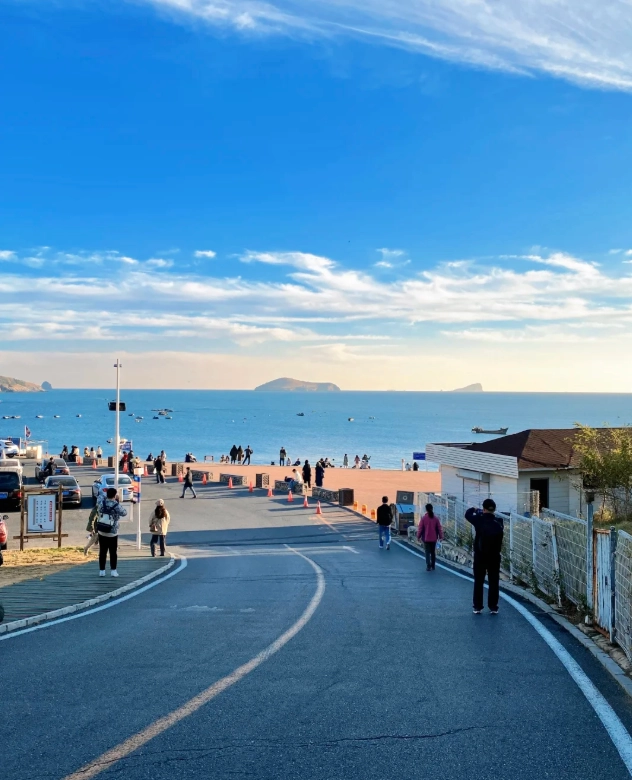
Walk Zhanqiao Pier at sunrise, not midday. At 6 a.m. it is fishermen and soft light. At noon it is selfie sticks. Badaguan is a grid of streets named after eight mountain passes, lined with villas from a dozen countries, and late October turns it into the best walk in the city.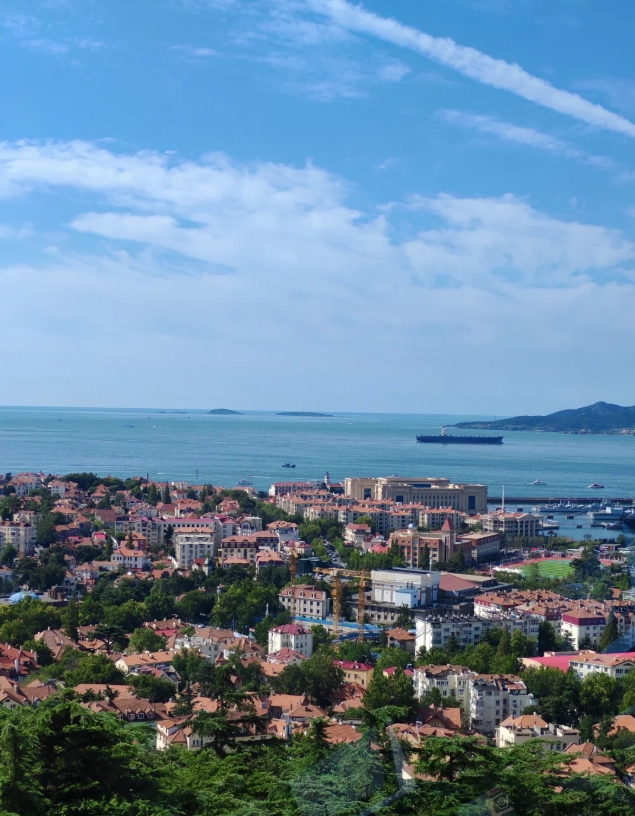
Pro Tip: In Qingdao's seafood streets, always ask whether the price is per 500 g or per 50 g before ordering. The per-50 g trick is the oldest one on this coast, and it turns a ¥60 crab into a ¥600 surprise. Markets where you buy your own seafood and pay a nearby kitchen to cook it are cheaper, safer, and far more fun.
Skip Laoshan if you only have two days here. It is a long, crowded detour from the old town and it swallows a full day.
How Do You Book Beijing and Shandong Train Tickets as a Foreigner
Book through the official China Railway 12306 app or Trip.com, and never through a station tout. The China Railway 12306 app now has an English interface and it is the cheapest route. Trip.com adds a small booking fee but is far more forgiving when you are booking for a family with several passports.
Tickets typically go on sale roughly two weeks before departure, and popular morning trains on Fridays and Sundays sell out. You need your passport number at the time of booking — the ticket is tied to it, and you board with the passport itself, not a printed slip. At major stations most gates now read foreign passports; if a gate flashes red, step to the staffed lane on the far right instead of queueing again.
Second class is three seats plus two across, perfectly comfortable for the short Jinan and Tai'an hops. First class is two plus two and worth the upgrade on the long Qingdao leg if you are hauling a suitcase you cannot lift overhead.
| Route | Fastest Time | Approx. 2nd-Class Fare | What to Know |
|---|---|---|---|
| Beijing South to Jinan West | 1h 25m to 2h | ¥190 to ¥230 | Departures every 20 to 30 minutes; Jinan West is far from the springs, allow 40 minutes by taxi |
| Jinan West to Tai'an | 20 to 30 minutes | ¥35 to ¥55 | Some trains stop at Tai'an and others at Tai'an West — check which before booking |
| Tai'an to Qufu East | 30 to 45 minutes | ¥55 to ¥80 | Qufu East sits in farmland; taxis wait outside, roughly ¥40 into the old town |
| Qufu East to Qingdao | 2h 30m to 3h 30m | ¥180 to ¥240 | Book early on Fridays and Sundays |
| Beijing South to Qingdao direct | 3h 30m to 4h 30m | ¥320 to ¥390 | Useful if you decide to skip Jinan and Qufu |
Fares move with train type and season, so treat these as planning numbers and confirm on the official booking channel the day you buy.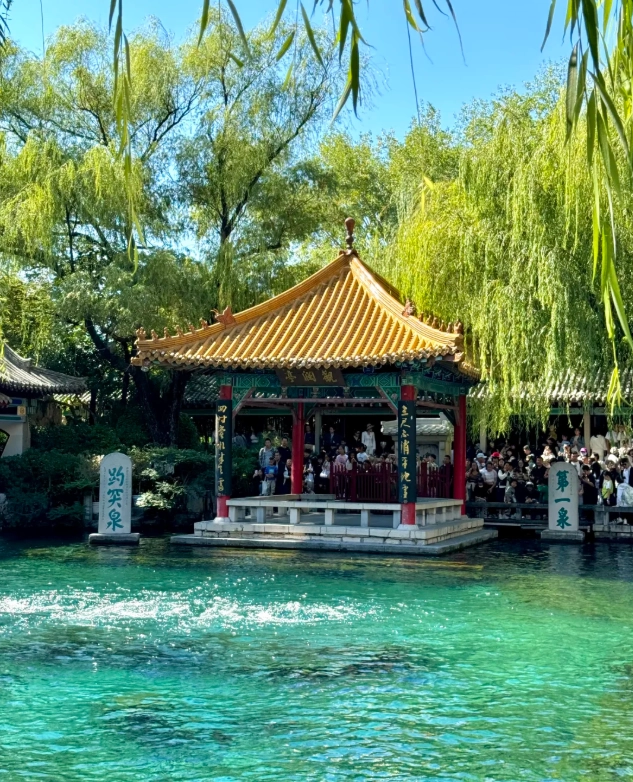
What Does a Beijing and Shandong Tour Cost
A comfortable mid-range run of this route lands around ¥1,200 to ¥1,800 per person per day once hotels, rail, tickets, and food are counted — noticeably cheaper than the same standard in Beijing alone. Budget travelers using hostel dorms and local chains can do it well under ¥700 a day.
- Rail between all five cities: roughly ¥600 to ¥900 per person in second class.
- Main attraction tickets across both provinces: budget a few hundred yuan per person.
- Mid-range hotel rooms: ¥400 to ¥900 a night outside Beijing, more in Wangfujing or on the Qingdao seafront.
- Street food and local chains: ¥30 to ¥60 per meal; sit-down dinner with beer in Qingdao: ¥80 to ¥150 per person.
- City taxis and metro: ¥15 to ¥50 a day if you mix both.
Entry fees creep up faster than people expect, and prices shift with season and are often cheaper in winter. Confirm on the day — Chinese ticket prices are adjusted more often than English-language blogs suggest.
Where to Stay Along the Beijing and Shandong Route
I pick hotels by two rules: walking distance to the first thing you want to see in the morning, and a front desk that can call a taxi in Chinese. Everything below follows both.
| Hotel or Area | City | Est. Price per Night | Best For | Notes |
|---|---|---|---|---|
| Novotel Beijing Peace area, Wangfujing | Beijing | ¥600 to ¥900 | First-timers | Walkable to the Forbidden City, metro Line 1 nearby, English-speaking front desk |
| The Orchid or a Gulou hutong guesthouse | Beijing | ¥700 to ¥1,100 | Couples | Rooftop views over the alleys, narrow lanes, some have no lift so pack light |
| InterContinental Jinan or a lakeside hotel by Daming Lake | Jinan | ¥600 to ¥1,000 | Families | Short walk to Baotu Spring, large breakfast, easy taxi pickup |
| Shenqi Hotel at the Mount Tai summit | Tai'an | ¥500 to ¥1,200 | Sunrise chasers | Basic rooms, thin walls, bring earplugs and cash for the deposit |
| Shangri-La Qufu or a guesthouse inside the old town | Qufu | ¥400 to ¥900 | Families | Five-minute walk to the Confucius Temple, luggage storage available |
| Old town near Zhanqiao or the St. Regis | Qingdao | ¥400 to ¥1,600 | Everyone | Old town for atmosphere, the new district for space and sea views |
Two practical checks before you book anywhere: does the listing mention stable wifi, and does the front desk handle English at night? Ask in the booking message. In Shandong, a guesthouse that stores luggage after checkout is worth more than a fancy lobby.
What to Eat in Beijing and Shandong
Ordering food is where the language barrier bites hardest, and where a translation app pays for itself in one meal. Use the camera mode in Apple Translate or Baidu Translate on the menu, then point.
- Roast duck: I take clients to Siji Minfu rather than the big heritage names. The Dengshikou branch is reliable, roughly ¥150 per person, and the queue at 7 p.m. can run two hours — arrive at 5 p.m. or book ahead.
- Zhajiangmian: thick wheat noodles with fermented soybean paste, ¥20 to ¥35. The cheapest, most satisfying lunch in Beijing.
- Douzhi: a fermented mung bean drink locals love and most visitors hate. Order one to share, then decide.
- Bazi rou in Jinan: braised pork belly over rice, around ¥20 at Chaoyixing. Ask for extra sauce.
- Tianmo: a savoury Jinan porridge whose name translates as sweet foam. Confusing name, great breakfast.
- Mackerel dumplings in Qingdao: Chuange Fish Dumplings is a local chain, roughly ¥80 per person, with picture menus that make ordering painless.
- Qingdao clams and sea intestine: the clams are sweet and garlicky; the sea intestine is for the brave. Both are best at the market-cook-your-own spots rather than the pier restaurants.
Payment is the other half of eating. Set up Alipay or WeChat Pay with your international card before you fly. Small vendors rarely take physical foreign cards, and some genuinely cannot break a ¥100 note. Keep small cash as backup.
When Should You Take a Beijing and Shandong Tour
Late April to May and September to October are the sweet spots — mild temperatures, clearer skies, and the least rain. Jinan is a furnace in July and August, and its springs run weakest after a dry spring. Qingdao's beer festival crowds land in August and coastal hotel rates jump with them.
Avoid the first week of October, when the entire country travels at once, and the Lunar New Year period, when half the restaurants you want are shut. Winter is cold and dry in Beijing, but the Forbidden City under snow is a genuine bucket-list sight and hotel rates fall hard.
Mistakes I See on Almost Every Beijing and Shandong Tour
- Booking the Great Wall for day two. Jet lag turns a bucket-list morning into a miserable one.
- Trusting Google Maps. It is unreliable across mainland China. Apple Maps and Amap Global handle English addresses far better.
- Leaving tickets to the morning of. The Forbidden City, Mount Tai, and the Confucius sites all reward advance booking with a passport number.
- Falling for per-50 g seafood pricing. Ask the unit before you point at the tank.
- Squeezing Qingdao and Mount Tai into the same 48 hours. You will spend both days on trains and see neither properly.
- Forgetting the VPN. Install it before you land, because the download often fails once you are inside.
- Carrying only cash or only a foreign credit card. Do both, and link a card to a mobile wallet as your main tool.
Beijing and Shandong Tour Questions I Get Asked Most
Do I need a visa for a Beijing and Shandong tour?
If you are transiting through China to a third country, the 240-hour visa-free transit policy covers both Beijing and Shandong, which surprises almost everyone who asks me. You need a confirmed onward ticket to a different country than the one you flew in from, and you must enter and exit through approved ports. Eligibility depends on nationality and routing, so check the National Immigration Administration before booking anything. If you are not transiting, apply for a standard tourist visa.
Can I do this route without speaking any Chinese?
Yes, with two apps and one habit. The apps are a camera-based translator and a mobile payment wallet. The habit is screenshotting every address in Chinese characters before leaving your hotel. Outside Beijing and Qingdao's old town, English is thin on the ground, but holding up a screenshot works almost every time.
How fit do I need to be for Mount Tai?
You can reach the summit without climbing a single step using the bus and cable car combination. What you cannot avoid is the cold, the crowds, and a very early alarm if you want the sunrise. With knee trouble, take the cable car down as well as up — the descent is harder on joints than the climb.
Can I pay with a foreign card in Shandong?
Sometimes at hotels, almost never at restaurants, markets, or ticket windows. Link your international card to Alipay or WeChat Pay before you fly. Cash remains legal tender and shops must accept it, but small vendors may honestly not have change for a large note, so keep small bills.
How many days do I really need for a Beijing and Shandong tour?
Ten days is the honest minimum for Beijing plus all four Shandong stops in this route. With only a week, cut Jinan and Qufu and run directly between Beijing and Qingdao by rail or flight. You still get the wall, the beer, and the coast, and you skip the two transfers that eat the most time.
Verified and fact-checked by the editorial team. This content has been fact-checked to ensure informational precision.

No comments yet.