 Tao Xu
I almost threw up in a Michelin-starred restaurant. Not from the food — from the bill.
That was my first week as a tour guide in Hong Kong, and I'd accidentally ordered shark fin soup for a table of six. The waiters looked at me with pure pity.
Here's the catch: most "what to eat in Hong Kong" guides online will happily send you to the same tourist traps. But after years of dragging food-lovers through Mong Kok and Central, I've mapped out the real game. No fancy PR. Just the stuff I eat on my day off.
- What to Eat in Hong Kong: 10 Dishes That Define the City
- How Do You Order Like a Local? Payment, Language and Etiquette
- How Can You Find What to Eat in Hong Kong Without Falling for Tourist Traps?
- What to Eat in Hong Kong on a Budget vs. Splurge
- My 24-Hour Eating Itinerary: What to Eat in Hong Kong When Time Is Short
- FAQ: What to Eat in Hong Kong? Your Questions Answered
What to Eat in Hong Kong: 10 Dishes That Define the City
Let me walk you through the ten plates that make Hong Kong a food mecca.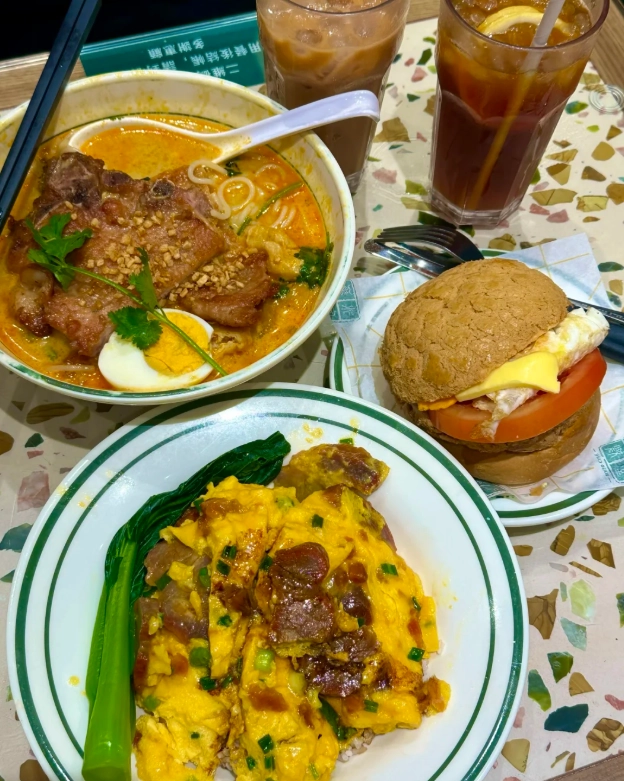
1. Roast Goose at Yat Lok
If you only try one thing in Hong Kong, let it be roast goose. The lacquered skin shatters like glass, and the meat stays impossibly juicy. Yat Lok on Stanley Street in Central has been my go-to for over a decade. The trick? Show up at 11:30 AM when they open. The line shows up at noon. Take MTR to Central, exit D2, walk up the escalator, and look for the black-and-gold sign. A quarter goose with noodles costs about HK$100-150. Pay with cash — their card machine has a mysterious habit of failing when tourists try to use it.
2. Wonton Noodle at Mak's Noodle
Thin, springy noodles in a shrimp-bone broth with plump whole-prawn wontons. Mak's is the gold standard. The central branch on Wellington Street is small and chaotic — you'll share a table with a grumpy uncle who's been eating here for decades. The staff expect you to slurp loudly; it's not rude, it's honest. I always order the "noodles with wontons and a side of water spinach." Cost around HK$60. They have English menus, and they accept international cards — surprisingly.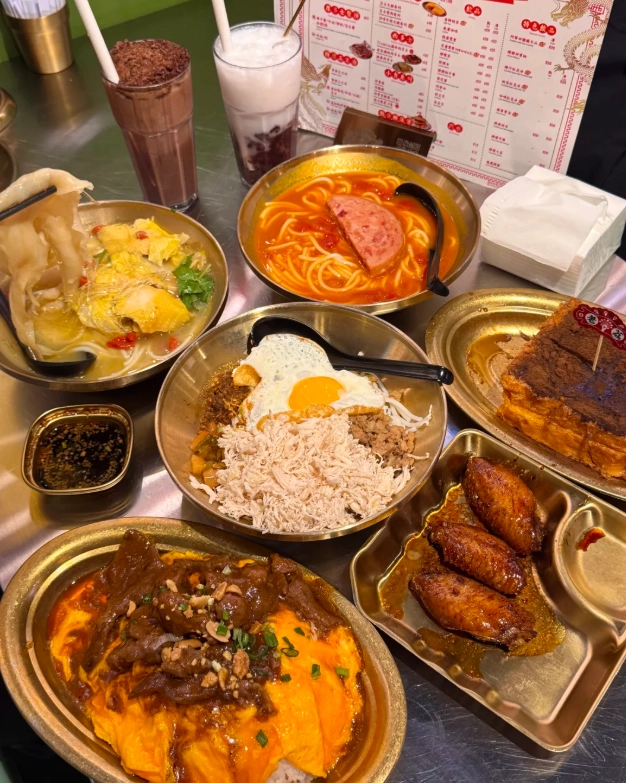
3. Egg Tart at Tai Cheong Bakery
A flaky pastry shell with a trembling, eggy custard center. Tai Cheong's egg tarts are so legendary that the last governor of Hong Kong reportedly ate them daily. The original shop sits on Lyndhurst Terrace in Central. It's a to-go joint — you'll stand on the street corner and burn your tongue because you just can't wait. HK$10 per tart. They take cash only, and the line moves fast.
4. Claypot Rice at Kwan Kee
The charcoal-fired claypot rice is pure comfort — smoky, crispy rice crust, topped with marinated beef or lap cheong sausage. Kwan Kee in Western District is my late-night addiction. From MTR Sai Wan, exit B3, and walk toward Queen's Road West. They make you wait 20 minutes for each pot, which is fine because you'll be nursing a glass of watermelon juice. Expect to pay HK$80-120. Rainy day? This is your ultimate Plan B.
5. Hong Kong-Style Milk Tea at Lan Fong Yuen
The first sip hits you like an espresso truck — strong, creamy, and slightly bitter. Lan Fong Yuen's silk-stocking milk tea is the city's fuel. The Gage Street branch in Central looks like a cave from the outside, but that's part of the charm. Order it iced with a cup of condensed milk on the side. Around HK$25. Cash only, and they'll glare at you if you take too long to order — just point at the menu.
6. Dim Sum at Tim Ho Wan
The world's cheapest Michelin-starred meal. Tim Ho Wan's baked BBQ pork buns are the size of tennis balls, sugary, and savory. The original Mong Kok shop closed, but the Sham Shui Po branch on Olympic Avenue carries the flame. Go at 10 AM on a weekday or you'll wait an hour. Expect to spend HK$100-150 for a feast. They accept Alipay and some cards, but watch your pockets — pickpockets love the crowd.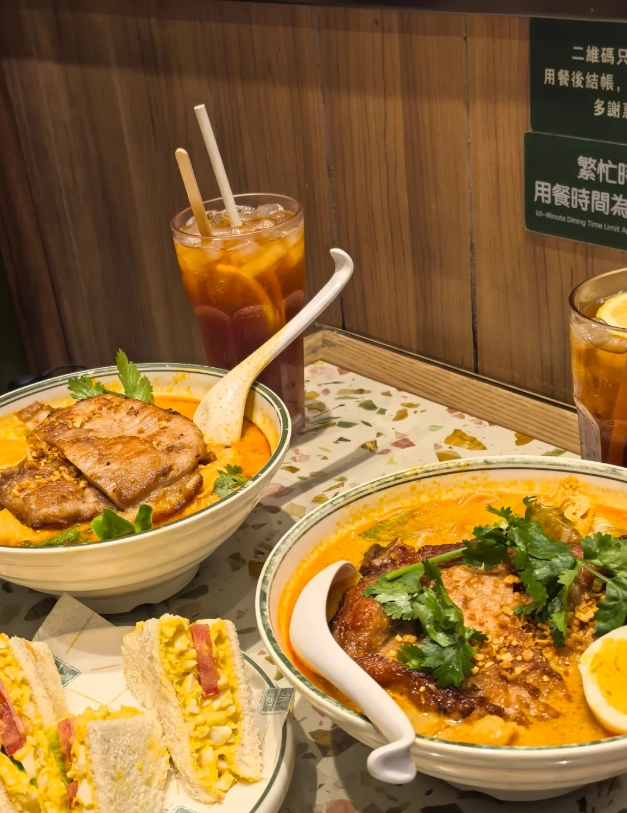
7. Pork Siomai from a Street Cart
Actually, the best siomai I've had in Hong Kong was from a faded pushcart near Causeway Bay's Jardine's Bazaar. You'll spot the queue before you spot the cart. No name, no hygiene rating, no English menu — just a grandmother who has been steaming these nuggets for decades. Each piece has a crisp mushroom on top. HK$15 for 8. Cash only and absolutely worth the gamble.
8. Pineapple Bun at Kam Wah Cafe
It's not just a bun — it's a crunchy, buttery crown over soft pillowy dough. Kam Wah in Prince Edward is where I take every friend who's never been to Hong Kong. The cafe is loud, fluorescent-lit, and straight out of the 1980s. Order it "with a slice of butter" (that extra slab of melting butter makes it a "bo lo yau"). Around HK$20. They take Alipay and cash.
9. Fish Ball Noodles at Man Fai
Chewy, bouncy fish balls that taste like the ocean had a baby with a stress ball. Man Fai in Sheung Wan is my low-key pick for a late lunch. From MTR Sheung Wan exit A2, walk five minutes along Bonham Strand. The broth is clean, and they top it with fried garlic. HK$50-70 a bowl. Credit cards? Nope. And there's no English menu — just point at what your neighbor is having.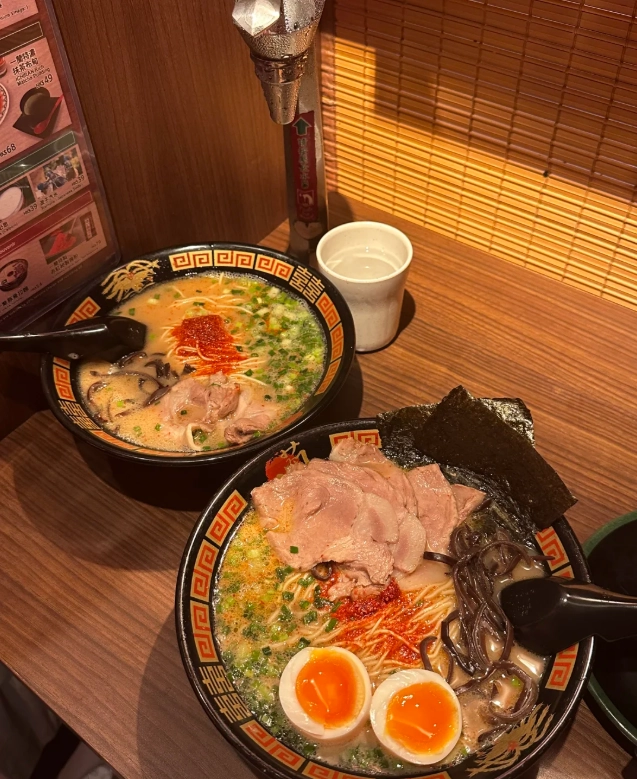
10. Steamed Milk Pudding at Yee Shun
Hong Kong's best-kept dessert secret isn't mango sago — it's this ethereally smooth steamed milk set. Yee Shun Milk Company in Jordan (Battery Street) has been serving this silky custard for over half a century. It's so delicate it jiggles on the spoon. Go at 9 PM after dinner — the shop is nearly empty and you can watch old men reading newspapers over their bowls. HK$35, cash only.
How Do You Order Like a Local? Payment, Language and Etiquette
Before you even step into a local restaurant, let's fix the two things that trip up every traveler: payment and language.
Payment: The Real Deal
Cash is still king for small restaurants and street stalls. Most cha chaan tengs and noodle shops don't take international credit cards. Some accept Alipay and WeChat Pay, especially if they're in tourist areas, but don't rely on it. I always tell my clients to carry at least HK$500 in small bills. And get an Octopus card — it's the magic plastic number for convenience stores, milk tea stands, and even some street food. You can buy one at any MTR station.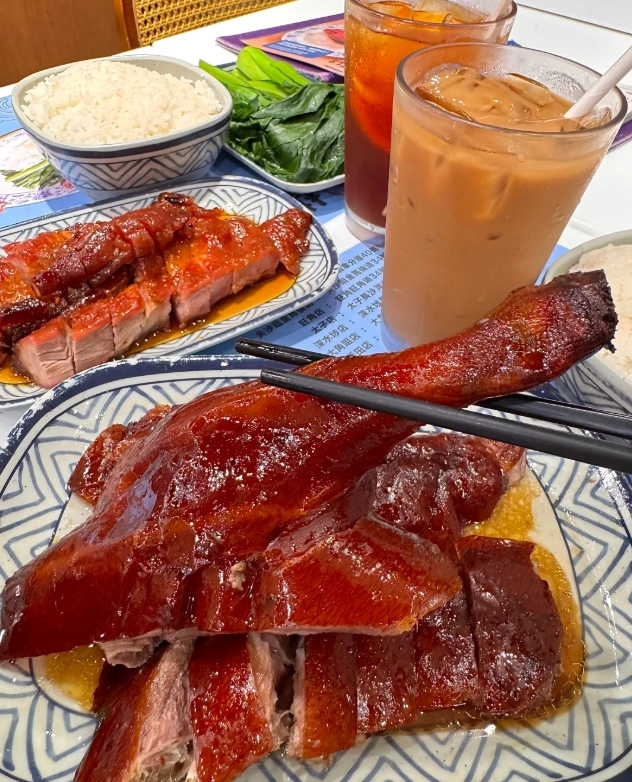
Language: Just Point
English is not a given. You'll survive with pointing and smiling, but learning 3 Cantonese words changes everything: "mai dan" (check, please), "ng goi" (thank you/excuse me), and "sei choi" (vegetable). The older uncles at the order counter will warm to you instantly.
Etiquette: Slurp, Don't Stir
Slurping noodles is a compliment. Don't be shy. When you get your milk tea, don't stir it from the bottom — that's weird. And never, ever leave your chopsticks standing upright in your rice bowl. That resembles incense burning for the dead. I know it sounds silly, but it instantly marks you as lost.
How Can You Find What to Eat in Hong Kong Without Falling for Tourist Traps?
Here's the secret nobody tells you: if a restaurant has a laminated menu with photos in 12 languages and a guy outside waving a menu, run. Genuine local spots have hand-written Chinese-only signs, fluorescent lighting, and zero interest in your Instagram.
Use the Right Terms on Google Maps
Search for "食店" (food shop) instead of "restaurant" — you'll get street-level gems. In English, search for "dai pai dong" (open-air food stalls) and "cha chaan teng" (Hong Kong-style cafeterias).
Look for Queues, Not Stars
A long line of locals is worth more than a Michelin star. If you see office workers in cheap shoes queuing for roast meat at 1 PM, join them. The queue moves fast, and you'll get the same lunch they've had for a decade.
Avoid "Premium" Tourist Arcades
Places like the food court in the Harbour City Mall next to the ferry terminal? Overpriced and underwhelming. Instead, walk 15 minutes to Temple Street Night Market (navigate with Apple Maps) for a HK$40 bowl of snake soup — okay, that's actually a real thing. But keep your groups tight; pickpockets work the crowd.
For current food festival schedules and vendor licenses, I always cross-check with the Hong Kong Tourism Board's official site.
What to Eat in Hong Kong on a Budget vs. Splurge
Eating in Hong Kong can cost $20 or $2000, and sometimes the $20 meal is the one you'll dream about. Here's a quick comparison table:
| Meal Type | Where to Go | Approx. Cost per Person | When to Go |
|---|---|---|---|
| Street snack (siomai) | Causeway Bay pushcart | HK$15 | Evening |
| Cha chaan teng set | Kam Wah Cafe, Prince Edward | HK$50-70 | Lunch |
| Wonton noodles | Mak's Noodle, Central | HK$60 | Lunch |
| Dim sum feast | Tim Ho Wan, Sham Shui Po | HK$150-200 | Weekday brunch |
| Roast goose quarter | Yat Lok, Central | HK$120-150 | Early open |
| High-end Japanese omakase | Sushi Shikon (if you can get a seat) | HK$3000+ | By reservation |
The splurge line isn't about showing off — I rarely recommend a $3000 omakase to first-timers before they've had proper street claypot rice. But if you've got cash to burn, make it count. Book via the hotel concierge or a platform like Klook or Trip.com, and be prepared for a 90-minute experience that feels more like a meditation session.
Discover Hong Kong's official site has the latest on dining regulations and festivals.
My 24-Hour Eating Itinerary: What to Eat in Hong Kong When Time Is Short
So you've got one day in Hong Kong. Let me squeeze every dime and calorie out of it.
8:00 AM — Milk Tea Wake-Up Call
Start at Lan Fong Yuen in Central (Gage Street). Order a cup of silk-stocking milk tea and a fresh pineapple bun from the shop next door. Sit on the plastic stool and watch the city wake up. Cost: HK$30.
9:30 AM — Dim Sum Express
Take the MTR to Sham Shui Po. Tim Ho Wan on Olympic Avenue is a 5-minute walk from exit A2. If it's a weekday, you'll sail in; on weekends, brace for a 30-minute wait. Order the baked BBQ pork buns, the steamed rice rolls, and the mango spring rolls. HK$120.
12:30 PM — Roast Goose, No Mercy
Back to Central. Yat Lok opens at 11 AM, so by now there's a line. Don't panic — you can grab a number and walk to the nearby coffee shop for a cappuccino. The roast goose will change your life. HK$150.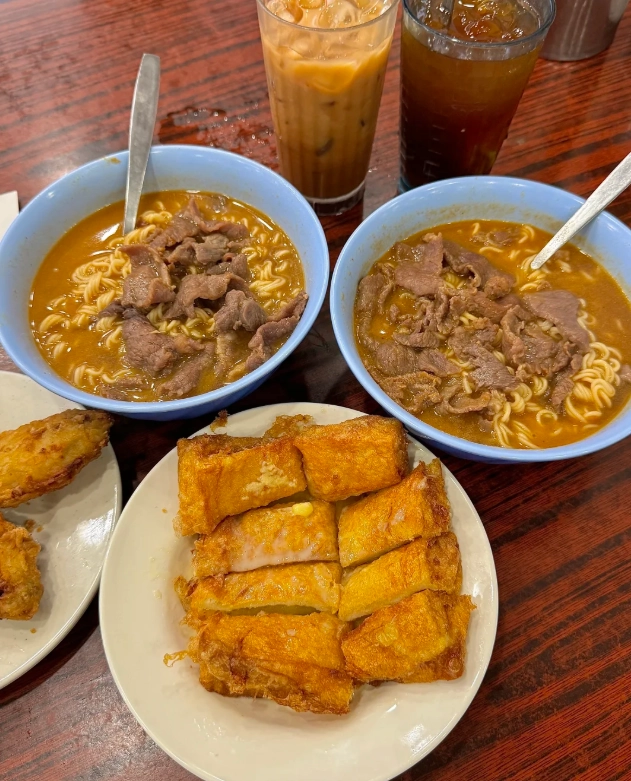
3:00 PM — Wonton Reset
Stroll over to Mak's Noodle on Wellington Street. Small bowl of wonton noodles to carry you through the afternoon. HK$60.
6:00 PM — Street Food Odyssey
Take the ferry to Kowloon (Tsim Sha Tsui). Walk the Temple Street Night Market, but don't buy the first satay you see — the stall at the far end, near the Tin Hau temple, has better spices. HK$100 for three different snacks.
8:30 PM — Claypot Rice Under the Stars
Take the MTR from Jordan to Sai Wan station (exit B3), then walk 3 minutes to Kwan Kee. Yes, it's a hike, but that's how you burn off the pork buns. Order the claypot rice with Chinese sausage. The crispy bottom is the treasure. HK$120.
10:30 PM — Nightcap at Yee Shun
Sasaki — no, Yee Shun in Jordan. The steamed milk pudding is the perfect end to a binge. HK$40.
This itinerary works in any weather. If a downpour hits, swap the street market for a trip to IFC Mall's food court, and you'll still find decent dumplings — just more corporate.
FAQ: What to Eat in Hong Kong? Your Questions Answered
Verified and fact-checked by the editorial team.





No comments yet.