 Qiang Huang
Shandong is not one destination. It is four.
Choose the wrong base and you will spend your holiday staring at the back of a high-speed train seat. I know, because I once booked a lovely hotel in Jinan for a client who then commuted three hours a day to Mount Tai and back. She was polite about it. She never booked with me again.
So when people ask me about where to stay in Shandong, I never hand over a hotel list. I unfold a mental map of the province and ask one question: what do you actually want to see? The answer changes everything — coast, springs, Confucian courtyards, or a 4 a.m. hike up a sacred mountain.
Here is the blunt truth most English-language guides skip. Shandong's rail network is fast enough that people assume they can sleep anywhere and day-trip everywhere. They can't. Jinan to Qingdao is roughly two hours by high-speed rail. Jinan to Taian is about twenty-five minutes. Add station transfers, luggage, and a 30-minute taxi on each end, and that "easy day trip" eats five hours of your day.
My rule: three bases maximum in a week. Qingdao for the coast. Jinan for springs and rail connections. Qufu or Taian for the history and the mountain. Pick three, sleep well, stop moving.
The Quick Lay of the Land
- Why Shandong Breaks Normal Hotel Logic
- Where to Stay in Qingdao: Three Areas, Three Trips
- Where to Stay in Jinan: Springs and One Big Mistake
- Where to Stay in Qufu: Next Door to Confucius
- Where to Stay Near Mount Tai: Red Gate vs. Downtown
- How Foreigners Actually Book Hotels Here
- Shandong Hotel Comparison Table
- What Are the Common Traps?
- FAQ: Where to Stay in Shandong
Why Shandong Breaks Normal Hotel Logic
Most provinces have one obvious tourist hub. Shandong has four, and they sit at the corners of a rough triangle that takes about three hours to cross end to end. Qingdao hugs the Yellow Sea. Jinan sits inland with its famous artesian springs. Qufu, south of Jinan, is the hometown of Confucius. Taian, halfway between Jinan and Qufu, is the gateway to Mount Tai.
Both Mount Tai and the Temple and Cemetery of Confucius in Qufu hold UNESCO World Heritage listing, which is exactly why they pull the crowds they do. That status also means timed entry and passport registration at both sites — more on that below.
The practical consequence is simple. Your hotel choice is really a transport decision wearing a nice duvet cover.
Where to Stay in Qingdao: Three Areas, Three Very Different Trips
Qingdao is the city most visitors mean when they say Shandong. It is also the one where hotel location matters most, because the districts feel like separate towns.
Qingdao Old Town and Badaguan — Best for First-Timers and Photographers
If you want red-roofed German-era streets, sea air, and walkable food, stay in Shinan District between Qingdao Railway Station and Badaguan.
The upsides are obvious: St. Michael's Cathedral, Pichai Yuan snack street, and the Badaguan villa lanes are all within a lazy morning's walk. Metro Line 3 runs from Qingdao Railway Station through to May Fourth Square and onward to Qingdao North Railway Station, so you are never truly stranded.
The downside is the terrain. This is a hilly old town with narrow lanes and staircases. I have watched guests drag hard-shell suitcases up a cobbled slope in July humidity and genuinely regret their life choices. If you are arriving by rail with heavy bags, take a taxi from the station even if your hotel is only 1.5 km away — it will cost you around 12 to 18 RMB and save your back.
Book early for July and August. Coastal Qingdao prices can triple in peak season, and the sea fog rolls in thick enough that some mornings you cannot see the water from a "sea view" room.
Fushan Bay and May Fourth Square — Best for Sea Views and Families
This is the modern Qingdao: wide boulevards, the Olympic Sailing Center, and hotels with proper elevators and English-speaking front desks.
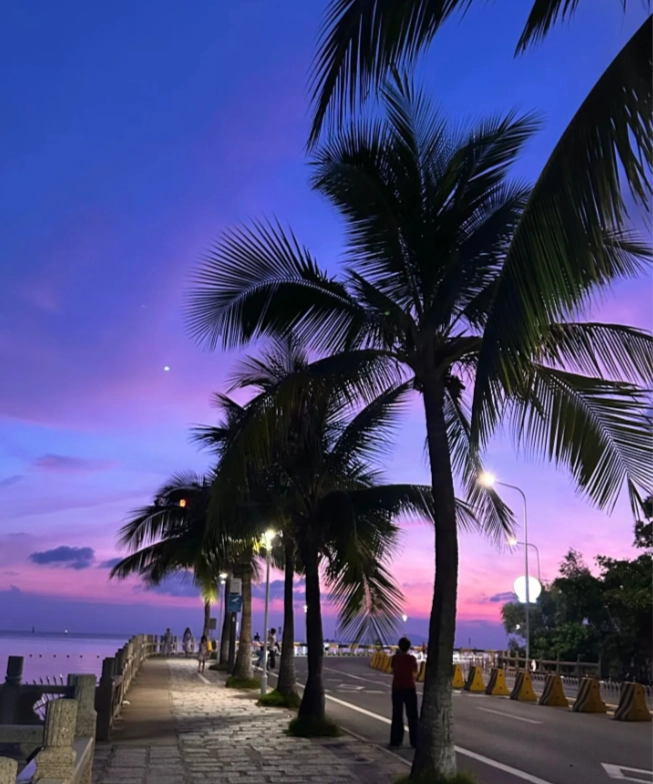
Metro Line 2 and Line 3 meet near May Fourth Square, which makes this the most convenient base if you plan to move around by subway. The nighttime skyline along Fushan Bay is genuinely spectacular, and it is free.
One thing nobody tells you: the bay light show draws enormous crowds, and the best viewing spots along the waterfront get claimed well before dark. I tell my clients to eat early and be on the promenade by around 7 p.m., not 8 p.m.
Laoshan District — Best for Hikers Who Hate Crowds
Stay out here only if Mount Lao and the quieter beaches are your priority, because you are trading convenience for calm.
Metro Line 11 pushes north toward the Laoshan foothills, with a stop that serves the Beijiushui valley trailhead. Other Laoshan entrances, like Jufeng and Liuqing, are easier reached by bus or taxi. Hotel stock out here is thinner and skews toward resort-style properties, so book ahead.
My honest take: this is a wonderful base for two nights and a frustrating one for five.
Where to Stay in Jinan: Springs and One Big Mistake
Jinan is the provincial capital and the province's rail spine. If you are linking Shandong with Beijing or Shanghai, you will almost certainly pass through here.
Stay in Lixia District, close to Baotu Spring and Daming Lake, unless your only reason for being in Jinan is a train connection.
Now the mistake. Jinan has multiple railway stations, and the high-speed hub, Jinan West Railway Station, sits well outside the historic center. A taxi into Lixia District takes roughly 30 to 40 minutes depending on traffic. Metro Line 1 does serve the West Station, but reaching the spring district requires at least one change, and with luggage it is simply not worth the saving. Budget the taxi.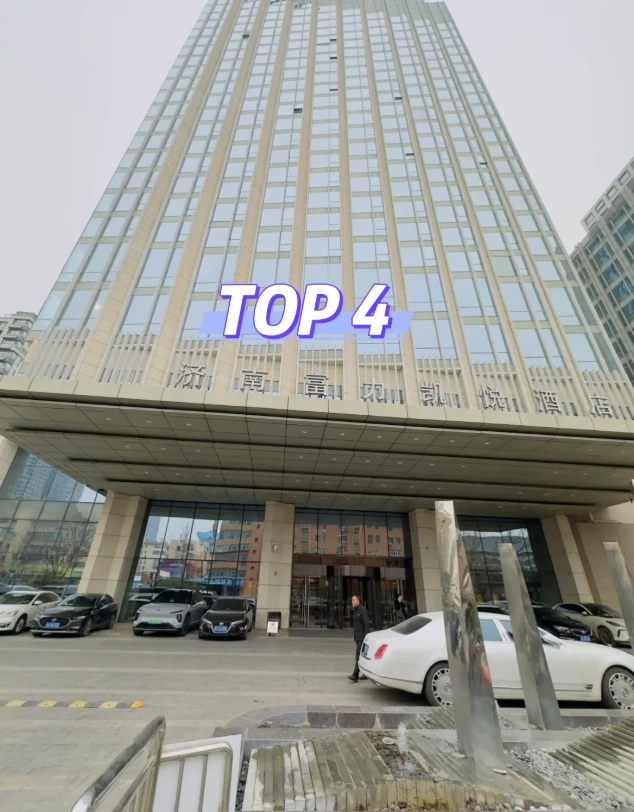
Pro Tip: If you are catching an early high-speed train out of Jinan West, book a hotel near the station for the final night instead of the spring district. I have had guests leave Lixia at 5:30 a.m. in a panic more times than I care to count.
Baotu Spring, Daming Lake, and the old Furong Street snack lane all cluster in Lixia, so a mid-range hotel here puts three major sights within walking distance. Check live timetables and seat availability on the official China Railway 12306 platform before you lock in dates — passport registration works there, and it is the most reliable source for schedules.
Where to Stay in Qufu: Next Door to Confucius
Qufu is small, and that is its charm. The whole town orbits the Temple of Confucius, the Confucius Family Mansion, and the Cemetery.
Stay inside the old town if you want atmosphere; stay near Qufu East Railway Station if you want efficiency.
Here is the detail that catches people: Qufu East is the high-speed station, and it sits roughly 15 km from the historic core. That is a 20 to 25 minute taxi ride each way. Meanwhile the older Qufu Station is closer to town but serves far fewer high-speed services.
For atmosphere, properties like Queli Hotel sit almost literally beside the Temple of Confucius, with traditional courtyard architecture. It is genuinely lovely — and it comes with a trade-off. Temple bells and morning activity start early, so light sleepers should ask for a room away from the main courtyard. English at the front desk is limited at smaller heritage properties, so have your booking confirmation and address written in Chinese characters ready to show a driver.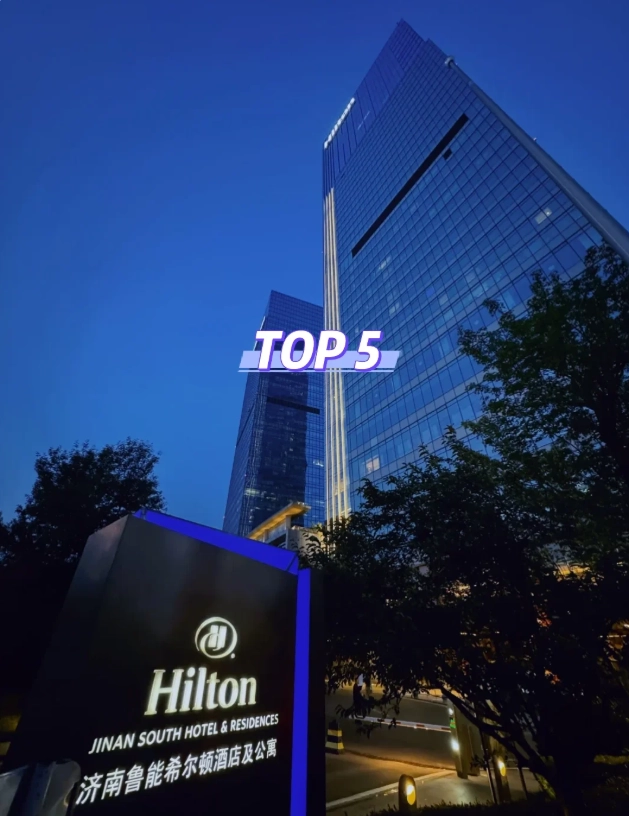
Where to Stay Near Mount Tai: Red Gate vs. Downtown Taian
This is where I see the most avoidable mistakes, and they all come down to one confusing fact.
Taian has two main railway stations, and they are not close to each other.
Taian Railway Station is the high-speed hub, located south of the city. Taishan Railway Station is the older station, much closer to the mountain's Red Gate trailhead. Visitors who book a hotel "near Taian Station" expecting a short stroll to the trailhead are in for a 25 to 35 minute taxi ride.
If your plan is the classic night hike to catch sunrise from the summit, staying in the Red Gate area is worth the downgrade in room quality. You gain an extra hour of sleep and you avoid hunting for a taxi at 10 p.m. Guesthouses there are basic — think simple furniture, no elevator in most buildings, and variable Wi-Fi. Ask about late check-in before you book.
If you would rather sleep in comfort and take the cable car up, downtown Taian is perfectly fine and considerably cheaper.
Mount Tai ticketing is passport-based and reservation-only in practice. Foreign visitors often find the Chinese-language WeChat mini-program painful to navigate. Yes, it is a nightmare even for me. The workaround: book through Trip.com or Klook, or simply ask your hotel receptionist to complete the reservation on your behalf. Bring your physical passport to the gate — a photo on your phone will not get you through.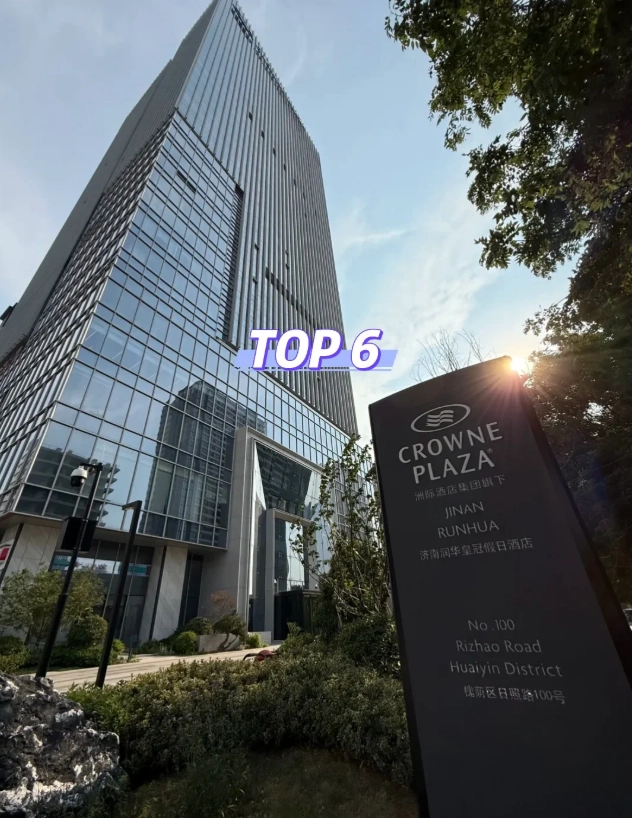
How Foreigners Actually Book Hotels Here
The single most useful thing I can tell you is this: not every Chinese hotel is registered to receive foreign guests. It is a licensing matter, not a personal rejection, but it means a cheap listing can turn into a turned-away-at-the-desk situation.
Filter for properties that explicitly state they accept foreign guests, and confirm in writing before you pay. Trip.com is the friendliest English-language booking channel for this. Domestic platforms often require a Chinese ID number during checkout, which you will not have.
At check-in you will need your passport, and the front desk will register you with local authorities. This is routine. Visa and entry rules shift, so verify your own situation against the National Immigration Administration before flying.
Insider Advice: Load Alipay or WeChat Pay with an international card before you land. Many Shandong hotels, cafes, and taxi drivers will not accept a physical foreign credit card, and some no longer keep much cash on hand. Cash is still legal tender, but do not assume it is convenient.
Download a VPN before you arrive, not after — most VPN providers are blocked from within China. Google Maps is unreliable for walking directions here. Apple Maps works reasonably well, and Amap's English mode is a solid backup. Save your hotel's name and full address in Chinese characters so you can show it to any driver.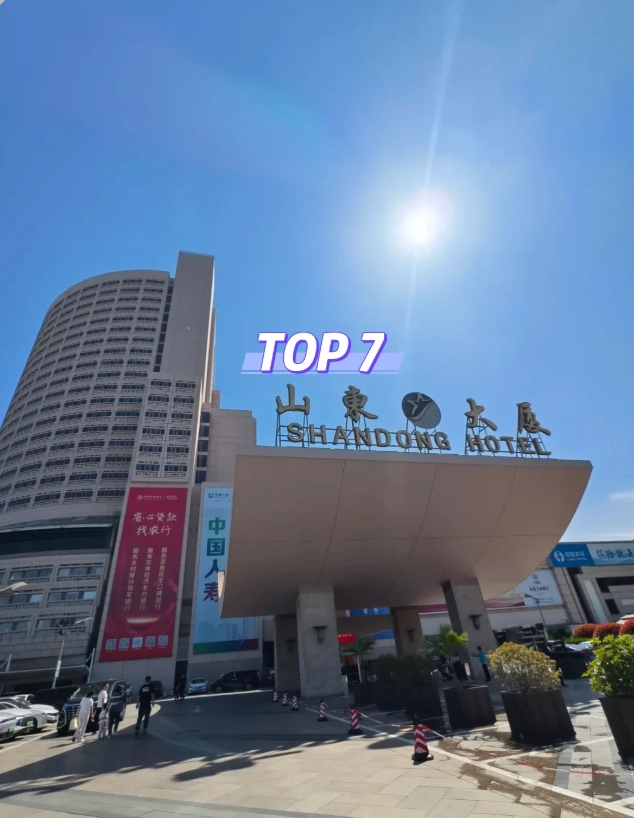
Shandong Hotel Comparison: Prices, Transit, and Who Each One Suits
| Hotel | Area | Rough Nightly Rate (RMB) | Best For | Practical Notes |
|---|---|---|---|---|
| Shangri-La Qingdao | Shinan, near May Fourth Square | 900–1,600 | Families, business travelers | Elevators to all floors, English front desk, pool and gym, walk to metro |
| InterContinental Qingdao | Olympic Sailing Center | 800–1,500 | Couples wanting sea views | Marina on the doorstep, stable in-room Wi-Fi, easy metro access |
| Old town boutique guesthouses | Shinan Old Town, near St. Michael's Cathedral | 300–700 | Solo travelers, photographers | Many buildings are stairs only, luggage storage varies by property, limited English |
| Shangri-La Jinan | Lixia District, Luoyuan Avenue | 700–1,200 | Rail travelers, first-timers | About 10 minutes by taxi to Jinan Railway Station, English front desk |
| Sofitel Jinan Silver Plaza | Lixia, near Baotu Spring | 600–1,000 | Couples, spring sightseeing | Walkable to Baotu Spring, full elevator access, central food options |
| Queli Hotel | Qufu old town, beside the Temple of Confucius | 400–800 | Culture-focused travelers | Traditional courtyard setting, luggage storage available, limited English |
| Shangri-La Qufu | Qufu city center | 600–1,100 | Families, comfort seekers | Full English service, roughly 15 minutes by car to the Confucius Cemetery |
| Red Gate area guesthouses | Taian, near the Red Gate trailhead | 200–500 | Sunrise hikers | Basic rooms, mostly no elevator, confirm 24-hour check-in in advance |
Rates are rough ranges for a standard double room outside peak surcharges. Shandong coastal prices can multiply in July and August, so treat these as a starting point and confirm at booking.
What Are the Common Traps When Choosing Where to Stay in Shandong?
These are the ones I see repeatedly, and most of them are invisible until you are standing in the wrong place with your bags.
- Booking by star rating instead of metro distance. A five-star property 4 km from the nearest subway stop is worse than a three-star one directly above it.
- Underestimating Qingdao's hills. The old town looks compact on a map. It is not flat, and the stairs are relentless.
- Confusing Taian's two railway stations. High-speed arrivals land at Taian Station, far from the Red Gate. This single mix-up ruins sunrise plans.
- Assuming every hotel accepts foreign guests. Some are not licensed for it. Confirm before paying.
- Booking Qufu's heritage hotels for total silence. Courtyard charm comes with courtyard noise.
- Relying on a physical credit card. Set up mobile payment first.
None of these are deal-breakers if you plan around them. All of them are miserable if you discover them at 10 p.m.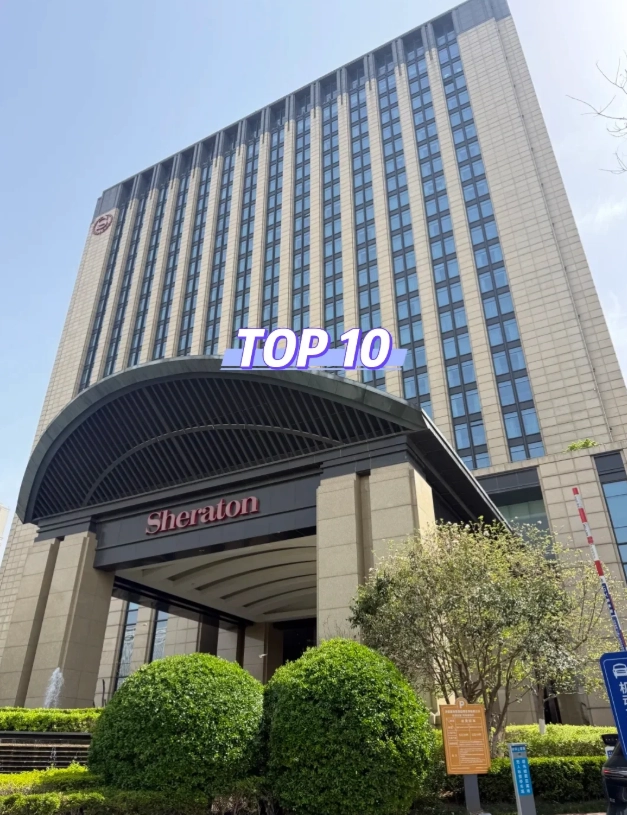
FAQ: Where to Stay in Shandong
Can foreign tourists stay anywhere in Shandong, or are some hotels off-limits?
Not every property is licensed to register foreign guests, and this is more common at budget and small family-run hotels than at international chains. Filter for listings that explicitly accept foreign passports and confirm by message before you pay a deposit. If you arrive and the desk says no, they are usually helpful about pointing you to a nearby property that can take you, but that is not a situation you want at midnight with luggage.
If I only have 24 hours in Qingdao, which area should I book?
Stay in Shinan District between Qingdao Railway Station and May Fourth Square. That corridor puts the old town, the waterfront, and two metro lines within reach, so you can walk the German-era streets in the morning, eat seafood at lunch, and catch the bay skyline at dusk without ever sitting in traffic. Booking out in Laoshan for a single night is a mistake — you will spend your only hours in transit.
Is it better to stay in Taian or on Mount Tai itself for the sunrise?
Sleeping on the summit is possible but the accommodation is spartan, cold, and often fully booked. For most travelers the smarter play is a guesthouse near the Red Gate trailhead, which lets you start the climb around 10 p.m. and still reach the top well before dawn. Downtown Taian works too if you are taking the cable car rather than walking. What does not work is booking near the high-speed station and assuming you can walk to the trailhead.
Do Shandong hotels accept international credit cards?
Larger international-brand hotels usually do, but mid-range and boutique properties frequently do not. The reliable path is linking your foreign card to Alipay or WeChat Pay before departure, then treating that as your primary payment method. Keep a small amount of cash for emergencies, and do not count on a physical Visa or Mastercard working at a neighborhood restaurant or in a taxi.
How many base cities should I book for a one-week Shandong trip?
Three, and no more. A realistic split is three nights in Qingdao, two in Jinan with a day trip to Qufu or Taian, and two near Mount Tai if the hike matters to you. Adding a fourth base means spending a full afternoon of your holiday checking in and out. I have watched people try to squeeze five bases into seven days, and the only thing they remember afterward is the train stations.
Verified and fact-checked by the editorial team. This content has been fact-checked to ensure informational precision.

No comments yet.