 Ming Yang
On This Page
- Why Tibetan Food Confuses First-Timers
- What to Eat in Lhasa: 7 Dishes You Can't Miss
- Where Locals Eat: My Restaurant Picks
- How to Order Without a Word of Chinese
- 24-Hour Food Game Plan
- One Food I Tell My Clients to Skip
- What to Eat in Lhasa if You're Vegetarian
- Drinks and Street Snacks Worth Your Attention
- FAQs for Nervous Eaters
Stuff your face with momos, drink endless butter tea, and don't be afraid of yak meat. That's the meal plan I give every traveler I take to Lhasa.
Here is the catch: most foreigners leave Lhasa eating the same puffy, tourist-trap buffet. They never find the tiny sweet-tea shops where locals sit for hours, or the noodle stalls that open before dawn. I've been guiding trips in Tibet for over a decade, and every time I watch someone struggle with giant menus in Chinese and no pictures, I realize how broken the English food info is online.
So here's my short answer: you want to try the classic five — momos, thukpa, sweet tea, tsampa, and yak curry. But where and how to get them without getting ripped off? Scroll down. I'll walk you through exactly what to order, which spots I trust, and how to avoid the dumb mistakes I've made myself.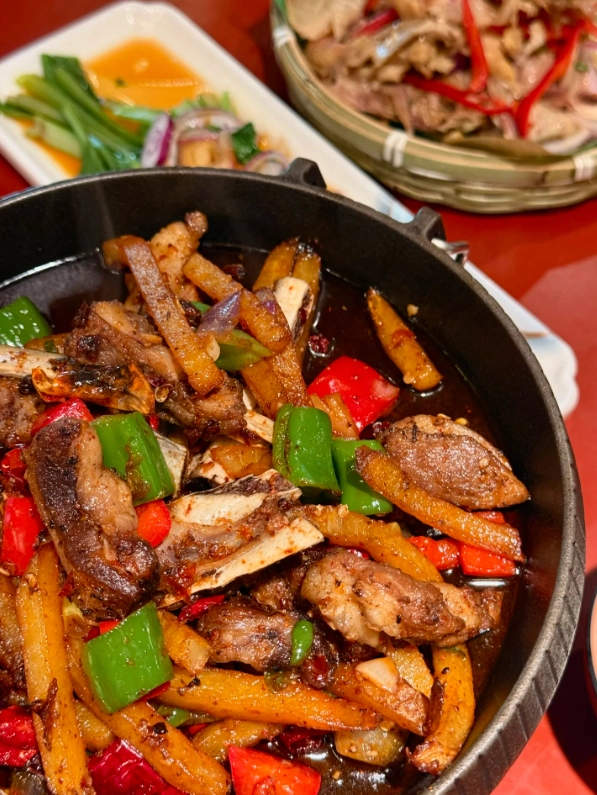
Why Tibetan Food Confuses First-Timers (And How to Fix That)
The #1 Mistake Tourists Make
They load up on greasy yak barbecue for the first meal. Everyone does it, and then half of them feel awful at altitude. I've seen it a hundred times. Your body at 3,650m needs time to adjust. Start with a bowl of thukpa or a plate of momos — light, warm, and easy on the stomach. Save the heavy meat for day two or three.
What Locals Actually Eat Daily
Locals don't eat elaborate feasts every day; they eat simple, repetitive foods. Breakfast is usually sweet tea and momos or a barley porridge. Lunch might be thukpa or a tsampa paste. Dinner often includes a shared meat stew with rice. You'll notice very little fried food in the home kitchens. So don't expect a banquet every meal — that's how you'll eat best.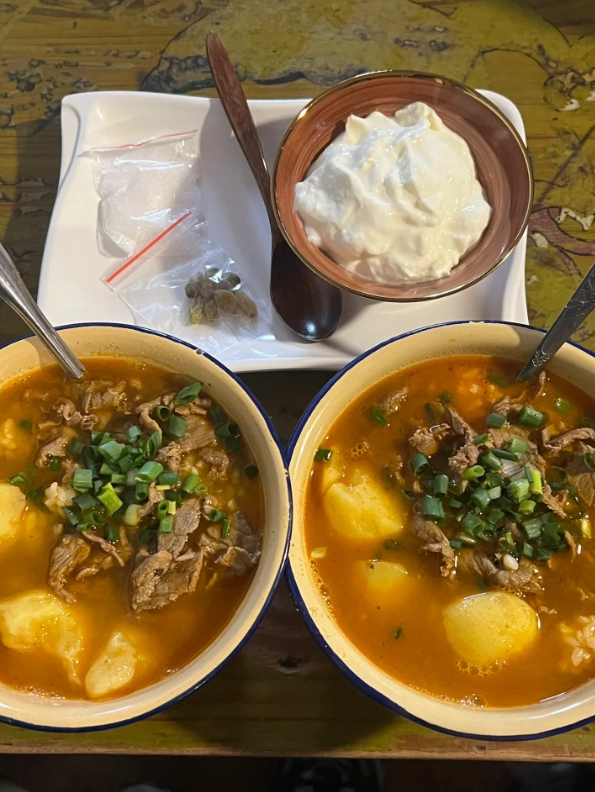
What to Eat in Lhasa: 7 Dishes You Can't Miss
These are the seven foods I make sure every client tries on their first Lhasa trip. Skip the hype and focus on these:
- Momos (dumplings) — Steamed or fried, stuffed with yak meat or local cheese and potato. I always ask for sha momo (meat) at least once. The ones from family restaurants are the best.
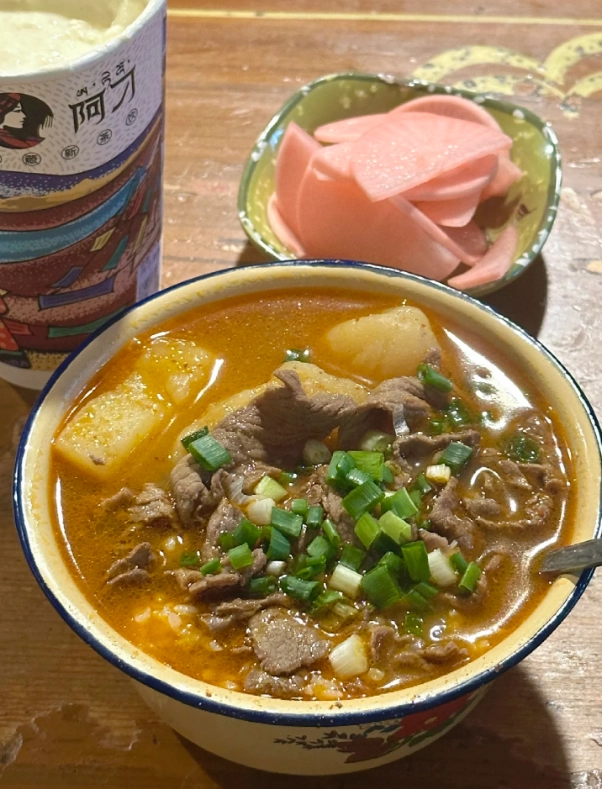
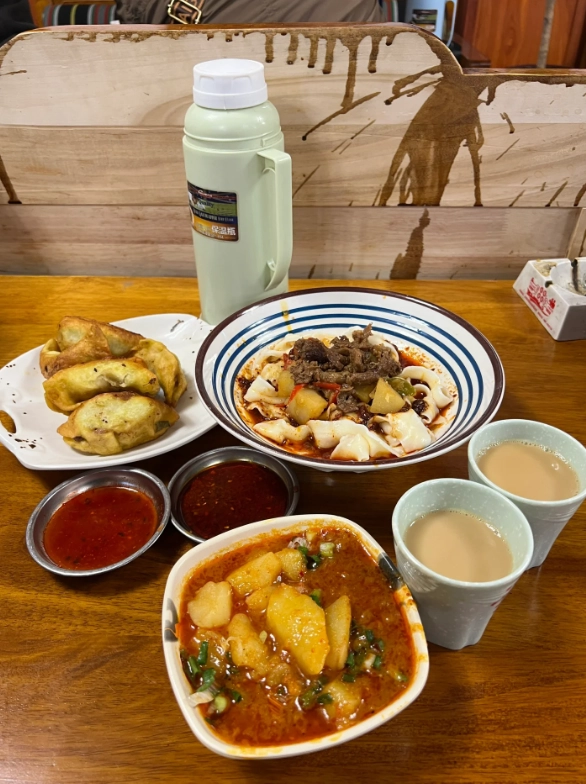
- Thukpa (noodle soup) — A thick soup with wheat noodles, chunks of meat, and radishes. Perfect after a cold walk around Barkhor Street. Go for tse thuk if you want a clear broth; shab thuk is the standard.
- Sweet tea (shai) — Made with black tea, milk, and a lot of sugar. It comes in warm glass bottles in tiny street shops. Drink it plain. I always finish two glasses before ordering food.
- Butter tea (po cha) — Salty, thick, and surprisingly filling. It's the traditional welcoming drink. First-timers might find it odd, but give it a few sips — it grows on you fast.
- Tsampa (roasted barley flour) — The ultimate Tibetan staple. Mix it with butter tea and a bit of yogurt to make a paste. Eat it slowly. It's grainy, dry, and very filling. You can find it in any tea house.
- Yak curry — Tender yak chunks in a rich, spiced tomato-based sauce. It's usually milder than Indian curry, with a hint of cumin. Eat it with rice or a Tibetan bread called balep.
- Yak yogurt — Thick, sour, and slightly tangy. Street stalls serve it in a cup with goji berries on top. It helps with digestion, and I love it after a spicy meal.
How to Order Momos Like a Local
Point to the steam basket and say “sha momo” for meat or “tse momo” for vegetarian. Most places ask “fried or steamed?” — say “she” (steamed) if you want the healthy version. The fried ones are greasier but come with a chili dipping sauce I love.
Sweet Tea vs Butter Tea: Which to Choose
If it's your first day, go with sweet tea. It's basically warm milk tea with a lot of sugar. Butter tea is salty and thick — the taste hits you like a gulp of liquid cheese. A lot of visitors can't handle it, and that's fine. I always tell clients: try butter tea once to say you did, but order sweet tea for the rest of the trip.
Where Locals Eat: My Restaurant Picks
These are the places I've personally tested with dozens of clients with different budgets. I've left out the overpriced buffets and the bland hotel restaurants.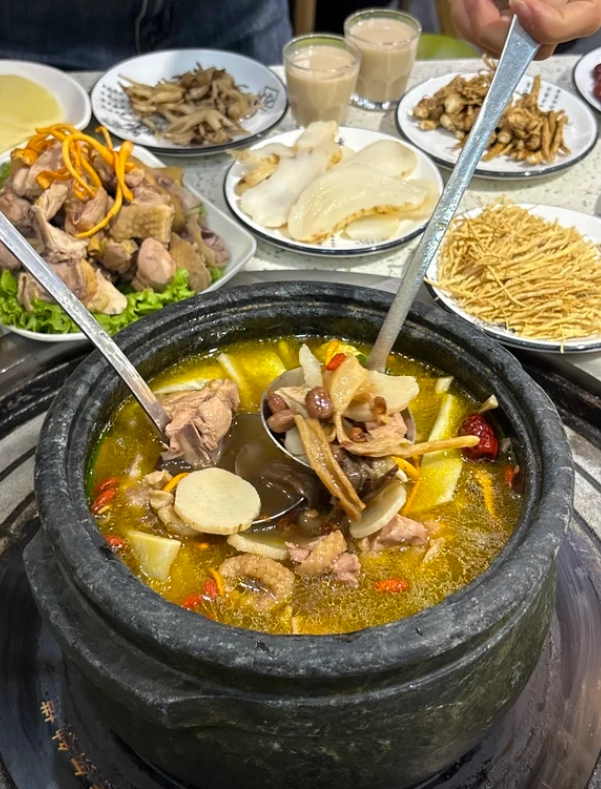
| Restaurant / Stall | What to Order | Price Range | Best Time | Notes |
|---|---|---|---|---|
| Guangming Gangjiong Sweet Tea House (Bright Gangjiong) |
Sweet tea, momos, noodles | Tea 1–2 RMB, momos ~15–20 RMB | 8 AM – 6 PM | Just off Barkhor Street; super local, no English menu, bring cash |
| Makye Ame | Yak curry, momos, Tibetan bread | 40–80 RMB per person | Lunch or early dinner | Touristy but iconic; get a window seat for the rooftop view |
| Snow Restaurant (雪域餐厅) |
Thukpa, vegetarian set, yogurt | 25–50 RMB | After 11 AM | Has English menu with pictures; stable Wi-Fi, accepts Alipay |
| Barkhor Street Food Stalls | Yak skewers, dried yak, yogurt | 5–15 RMB per skewer/cup | Evening | Always ask the price first, and stick to stalls that look busy with locals |
Guangming Gangjiong: The Best Morning Stop in Lhasa
Set your alarm early and make this your first meal in Lhasa. It's a huge, noisy room where everyone sits at shared tables. You go far to the counter, point at the food, plop down money, and they slide you cups of sweet tea. The first time I brought a Japanese tourist there, she thought I was joking. Twenty minutes later, she gave me a thumbs up and asked for another glass. The address is just northeast of the Jokhang Temple on Barkhor East Street.
Makye Ame: Worth the Hype (for One Meal)
The rooftop view alone justifies one visit. But don't expect the food to be life-changing. It's good, but you're paying for the sun hitting the Potala Palace while you sip a steaming thermos. I always tell clients to book via their hotel concierge or Trip.com a day ahead. And when you climb those old wooden stairs, don't be shy to ask for a table by the window — the staff is used to it.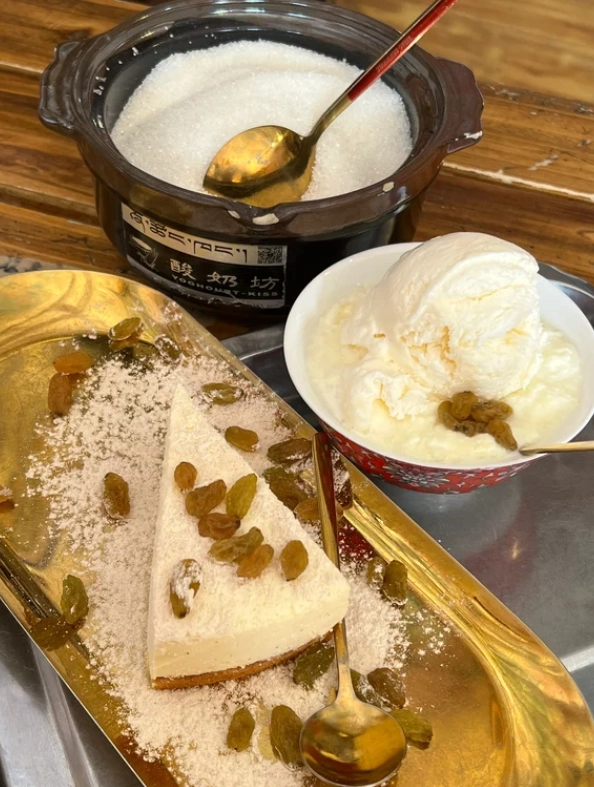
Snow Restaurant: The Tourist-Friendly Middle Ground
It has one of the most tourist-friendly menus in Lhasa. Snow Restaurant sits on the main Barkhor loop, a two-minute walk from the Jokhang Temple. They even label which dishes are vegetarian. My go-to there is the thukpa with mushroom. It comes out bubbling hot, and the broth tastes like it's been simmered for hours.
Pro Tip: Ignore the horses that pull tourist carriages near Barkhor Street — they're paid to circle the block. Instead, walk about five minutes to the northeast corner for the best view of the Potala Palace at sunrise, and eat your morning noodles there. The light makes everything look golden.
How to Order Without a Word of Chinese
Smartphones are your best friend — but set them up before you land. Google Translate isn't blocked, but Google Maps is unreliable in mainland China. Download these before you arrive:
- Apple Maps or AMap Global for navigation. Both work reasonably in Lhasa.
- Apple Translate or Baidu Translate for live camera translation of menus.
- VPN — start it before you try to access Google or WhatsApp. Without a VPN, those services will be slow or dead.
Apps That Actually Work in Lhasa
My favorite is the camera translation in Apple Translate. You point it at a Chinese menu, and it spits out understandable English crumbs. It's not perfect, but it's saved me dozens of times. For bookings, use Trip.com or Klook — they have English support and are used to foreign tourists.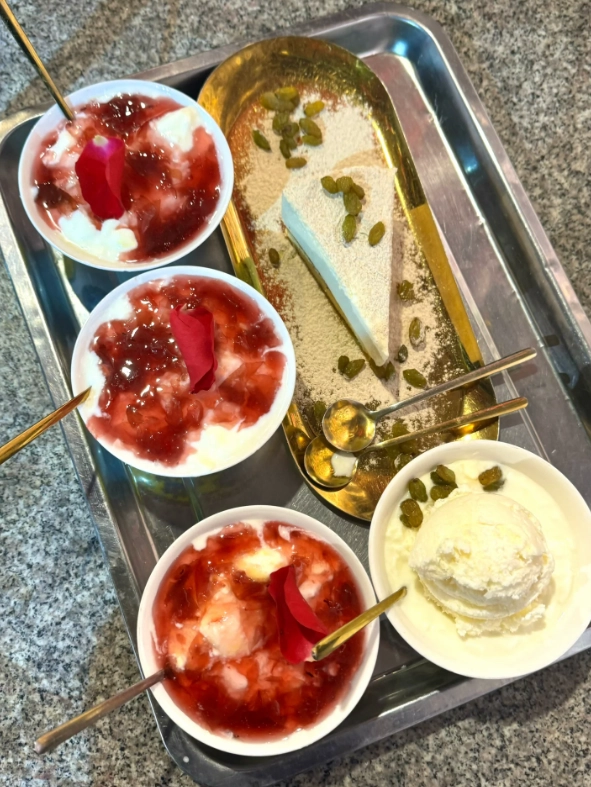
The Exact Chinese Phrases to Save
Write these down or screenshot them on your phone. You'll feel less helpless:
- “多少?” (duō shǎo) — “How much?”
- “不要辣” (bù yào là) — “Not spicy”
- “素食” (sù shí) — “Vegetarian”
- “不要肉” (bù yào ròu) — “No meat”
As for payment, cash is accepted almost everywhere, but foreign credit cards are not. Even if a restaurant has a card reader, it often only accepts Chinese UnionPay or mobile payment. I recommend carrying 200–300 RMB in small bills. For bigger meals, you can use Alipay or WeChat Pay, but you'll need to set up a foreigner-friendly account before you arrive.
24-Hour Food Game Plan in Lhasa
Even if you only have one day, you can cover the food scene without rushing. Here's the exact route I use with my clients with tight itineraries:
- 7:30 AM — Start with sweet tea and momos at Guangming Gangjiong. It opens early; beat the 9 AM crush. Sit on the ground floor, drop a few yuan, and soak in the morning atmosphere.
- 9:00 AM — Walk the Barkhor Korpa. It's not just a tourist track. Follow the pilgrims, turn every prayer wheel, and grab a yogurt from a stall around 10:30 when your stomach has room.
- 12:00 PM — Lunch at Snow Restaurant. Order thukpa and a vegetable momo. Use the picture menu.
- 2:00 PM — Wander the old Tibetan quarters. You'll pass small bakeries with fresh balep (flatbread). Buy a piece for 5 RMB — it's like a dense, warm pancake.
- 5:00 PM — Sunset view and early dinner at Makye Ame. Get a rooftop table before 6 PM. Split the yak curry and one set of momos.
- 8:00 PM — Stroll the Potala Square. The light show starts around 8:30. Grab a cup of butter tea from a nearby stall and call it a perfect day.
What if It's Your First Day and You Can't Walk Far?
Stick to the area right around the Jokhang Temple. You'll find a cluster of tea houses and small restaurants within a five-minute walking radius. Use your hotel's front desk for directions. And if you feel tired or dizzy, skip the long walk and eat at the nearest spot with a window — no shame in that.
One Food I Tell My Clients to Skip
The dried yak platter at tourist buffets. I know it looks adventurous — slabs of dark red meat on a wooden board. But it's usually overcooked, tough as a shoe, and priced at 50–80 RMB for a tiny portion. You'll enjoy the juicier yak skewers from a street stall for 10 RMB instead. Make sure you see the skewers cooking in front of you, and watch for locals lining up.
What to Eat in Lhasa if You're Vegetarian
Almost Every Tea House Has These
Tse momos (potato-cheese dumplings) and vegetable thukpa are the two safe orders. Most tea houses also make a simple fried egg and rice dish if you ask for “dan chao fan” (egg fried rice). Just say “bu yao rou” (no meat) and watch the cook's reaction.
What to Avoid
Steer clear of dishes labeled “momo” if you don't see the filling. The menu might say “momo” without specifying meat. Ask for “tse momo” (vegetarian) or “sha momo” (meat). And check the soup base of thukpa — often the broth is made with meat even if the noodles look vegetable-only.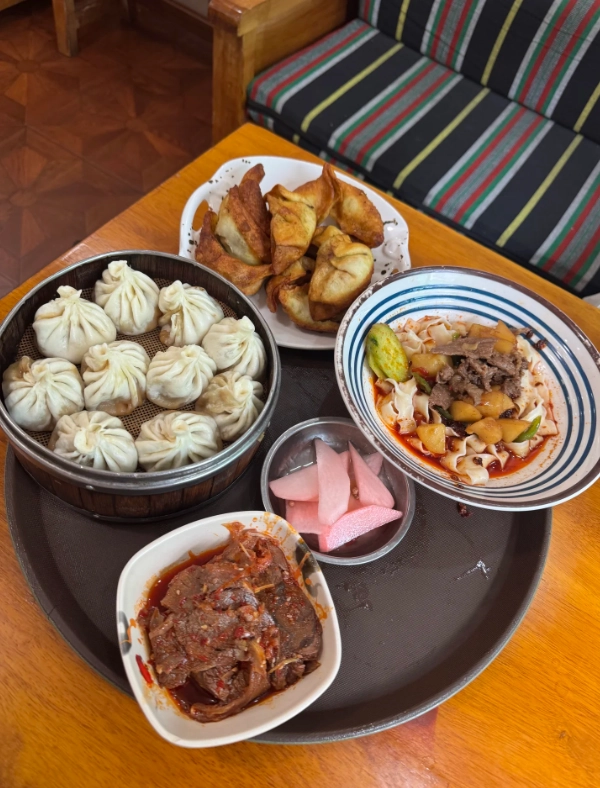
Drinks and Street Snacks Worth Your Attention
Hydration Trick for Altitude
Bring a water bottle with a wide mouth and flavor it with a pinch of salt. Tibetan tea houses sell hot water with goji berries; ask for “re kai shui” (hot water). It tastes surprisingly sweet at high altitude and it keeps bathroom stops predictable.
My Favorite Grab-and-Go Snacks
Roasted barley and small dried apricots are the easiest street snacks to carry. You'll see vendors on Barkhor. Roasted barley is crunchy, slightly sweet, and goes well with a thermos of sweet tea. Dried yak jerky is fine, but ask for the soft one — the hard kind will test your jaw.
FAQs for Nervous Eaters
Verified and fact-checked by the editorial team.





No comments yet.