The 'Roof of the World,' characterized by the soaring Himalayas, sacred turquoise lakes, and deep Buddhist spirituality. Highlights include the iconic Potala Palace, Mount Everest Base Camp, and the lush forests of Nyingchi.
Tibet Travel FAQ
Can I really visit Tibet in 5 days if I have altitude issues?
If you've had altitude sickness before, don't attempt a 5-day trip. Your body will spend at least 2 days just adapting, and that leaves you 3 rushed sightseeing days. If you must, fly directly to Lhasa, book a hotel with oxygen, and skip all-day excursions like Yamdrok. The 5-day plan is only safe for travelers coming from places above 2,500 meters (e.g., Bogotá, Quito) or those without a history of altitude problems. My rule: if you've ever felt sick above 3,000m, invest in at least 8 days.
How much does a 7-day Tibet tour cost, and does the length affect the price?
A guided group tour from Lhasa starts around USD 700–1,000 per person for 7 days, including permits, hotels, transport, and some meals. Extending to 10 days adds roughly USD 350–500. The logistics of permits and guide fees are fixed, so longer trips naturally cost more per day, but you do get more value for your money when you start adding off-the-beaten-path sites like Everest Base Camp. Always budget extra for personal expenses: meals (CNY 100–200/day), attraction tickets (total CNY 500–800), and shopping.
What's the best time of year to plan a short trip to Tibet?
For a 5–7 day trip, plan for May to October, with September and October being the sweet spot. Winter (Nov–Mar) has lower prices but many hotels and some monasteries operate with reduced hours, and flights can be canceled due to snow. Also, the summer rain clouds can obscure the Everest view, while autumn offers crystal-clear skies. I once guided a group in July that couldn't see Everest for 4 days straight — they'd have been better off in October.
Do I need special travel insurance for a Tibet itinerary?
Yes, absolutely. Standard health insurance often doesn't cover high-altitude sickness or evacuation, which can cost tens of thousands if you need emergency helicopter rescue. Before booking, read your policy's fine print or buy a dedicated adventurous-travel policy from providers like World Nomads. Your tour company may also require you to sign a waiver, but that's different from true insurance coverage. Always carry a copy of your policy in your phone and in your daypack.
Should I spend extra days in Lhasa or drive to Everest instead?
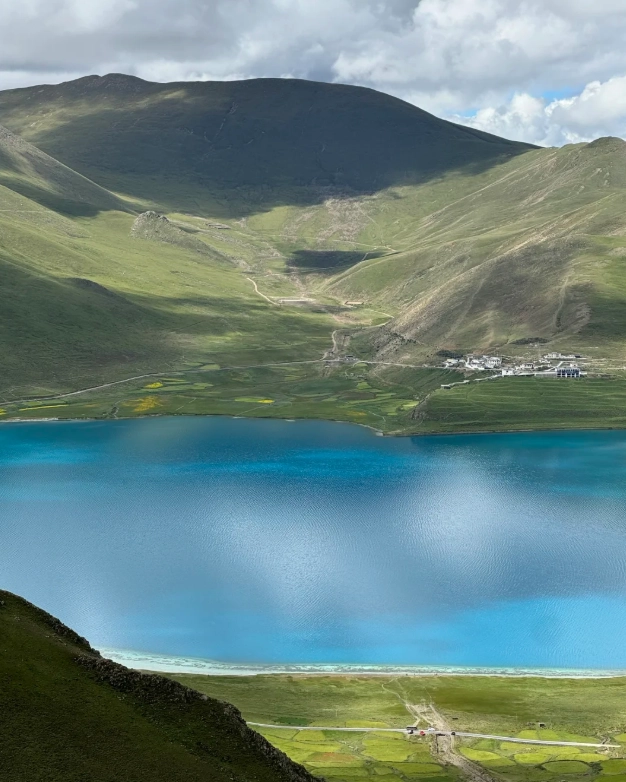
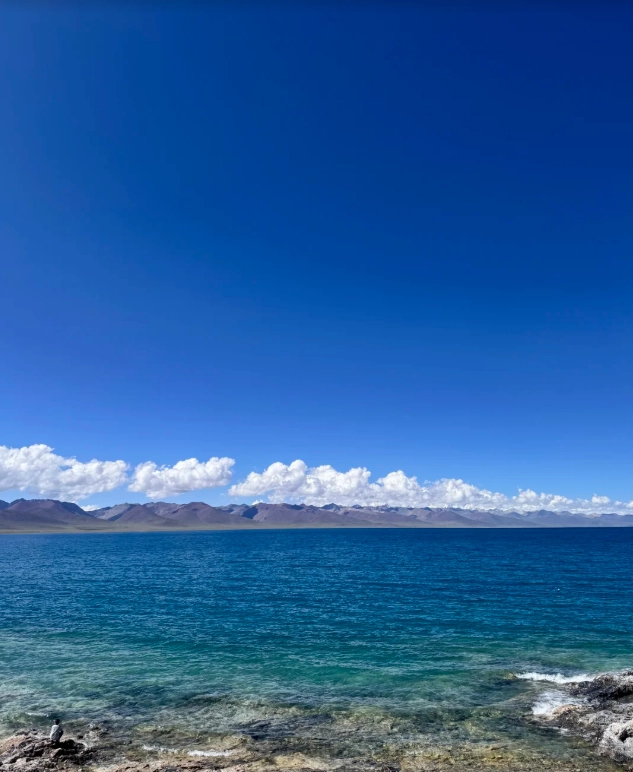
If you have a 10-day window, don't add more Lhasa time — you'll get temple fatigue. Instead, do the classic drive to Everest Base Camp via Shigatse. The journey itself is part of the experience, with surreal high-altitude landscapes and villages that feel untouched. But remember, the drive is hard on the body. I counsel travelers to set aside 2 days of rest after returning to Lhasa before flying home, which means a 10-day itinerary should actually have 2 buffer days built in. If you can't afford the mental reset, stick to Yamdrok Lake as your scenery shot.
Is the food in Lhasa safe for foreign stomachs?
As long as you only drink bottled or boiled water and eat food that's hot and freshly cooked, yes. Street food is generally safe if the line is long — that's how I judge it. I also suggest carrying activated charcoal tablets in case you overdo the yak butter. In 10 years of guiding, I've never had a client get seriously ill.
Can I find vegetarian or halal options in Lhasa?
Absolutely. Look for the characters 素菜 on menus. Most tea houses and restaurants have cheese and potato momos, veggie thukpa, and fried rice. For halal, search for small Sichuan Muslim noodle shops near the Geyao Guesthouse — they usually have a green sign and serve beef pulao. My favorite is on Bakuo East Street, but menus vary, so ask to see the meat.
How do I deal with altitude sickness affecting my appetite?
Don't force meals. Eat small portions every two hours instead of three huge ones. Choose warm, liquidy food — thukpa and sweet tea are perfect. Avoid cold beer for the first 48 hours; the carbonation and altitude can make you dizzy.
What's the best way to book a restaurant with a view in Lhasa?
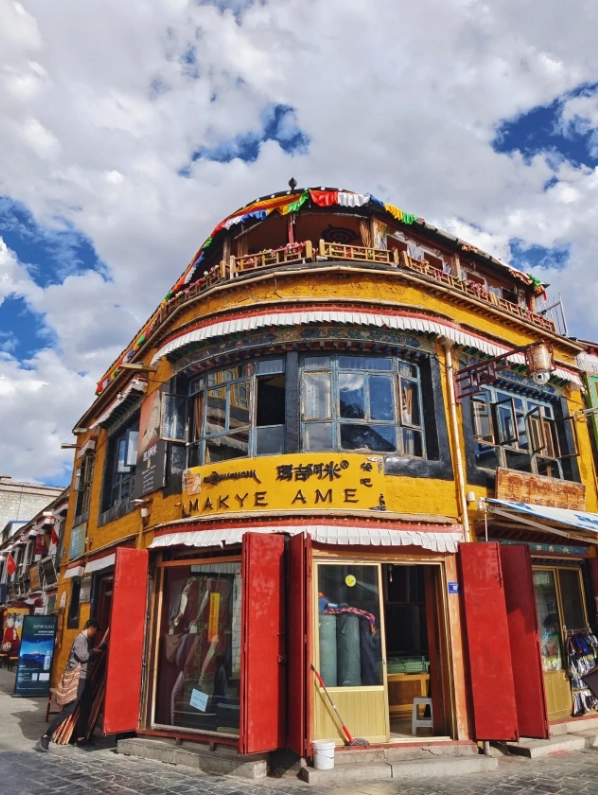
For popular spots like Makye Ame, book through your hotel's front desk or on Trip.com/Klook a day ahead. If you just walk in, you'll likely wait 20–40 minutes for a rooftop table. I've also had luck calling the restaurant directly, but the English line isn't reliable unless you speak some Mandarin.
Do I need a separate permit for Tibet tourist attractions beyond the Chinese tourist visa?
Yes, you need a Tibet Travel Permit, which is issued by the Tibet Tourism Bureau. It’s not available at the border or at Lhasa airport. You must get it through a registered tour agency — expect to pay CNY 100–200 for the service. If you’re visiting places like Everest, you’ll also need a Military Permit — for the border area — processed by your agency.
Recent Reviews
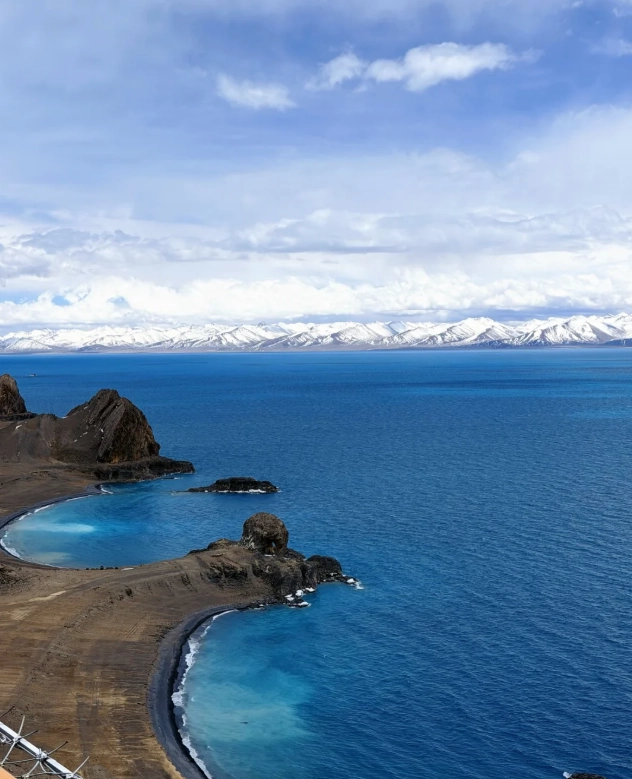
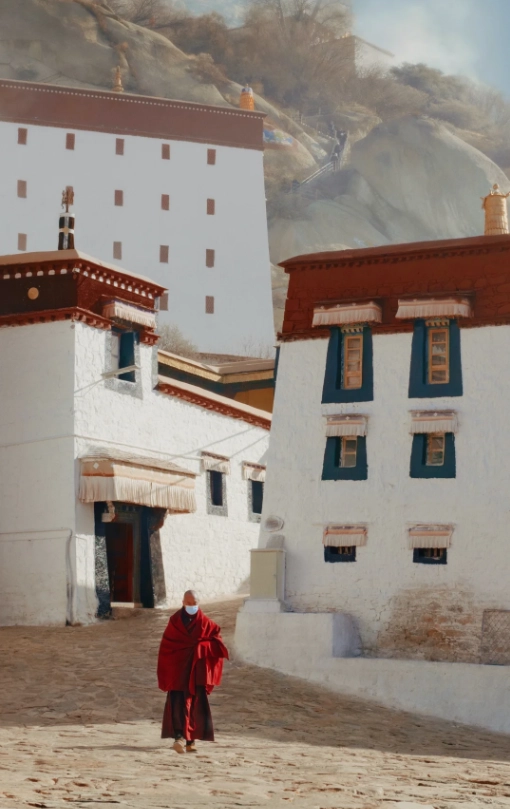
Tibet stole my heart. As someone who loves meditation and Buddhism, being in this landscape felt like coming home. Lhasa's old town is full of charm and the people are incredibly warm, despite the language barrier. We joined a small group tour that included Yamdrok Lake and a night at Samye Monastery - absolutely incredible. The food was simple but tasty, especially the butter tea and momos. I've been to many countries, but Tibet is the first place I truly felt transformed. Highly recommend!
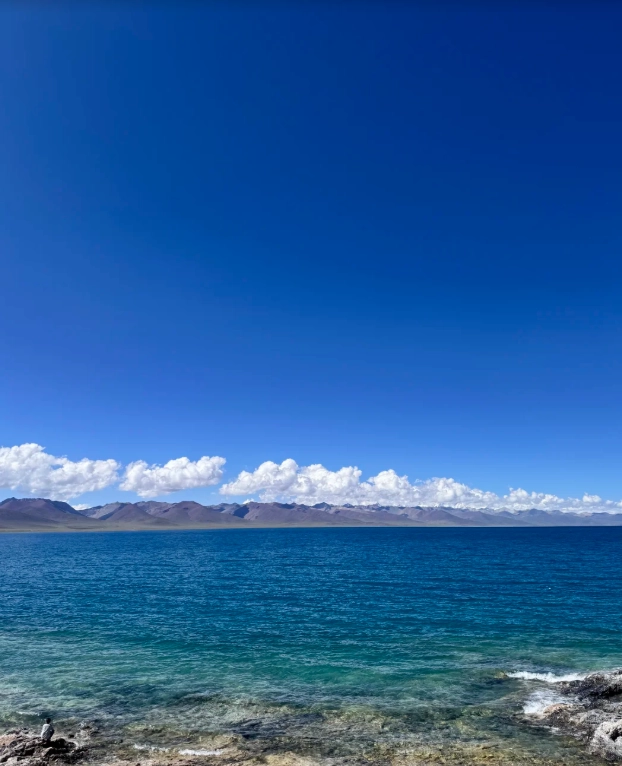
This is the most raw, beautiful place I have ever travelled to. We did a 10-day road trip from Lhasa towards Everest Base Camp. Every day felt like driving through a painting - turquoise lakes, snow peaks, and endless plains under a huge sky. The Tibetan tea in local guesthouses, the smiles from nomads, the smell of juniper incense - all of it is seared into my memory. Not a trip for luxury seekers, but if you want something real, go to Tibet.
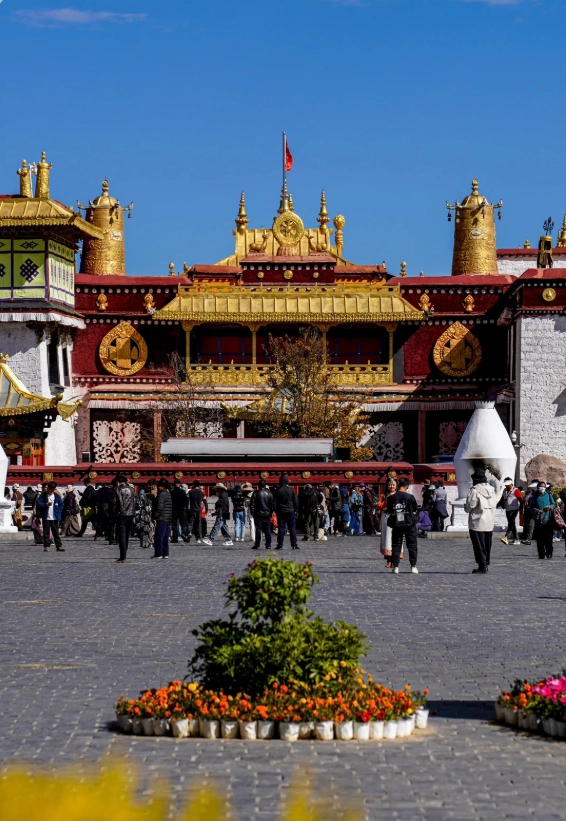
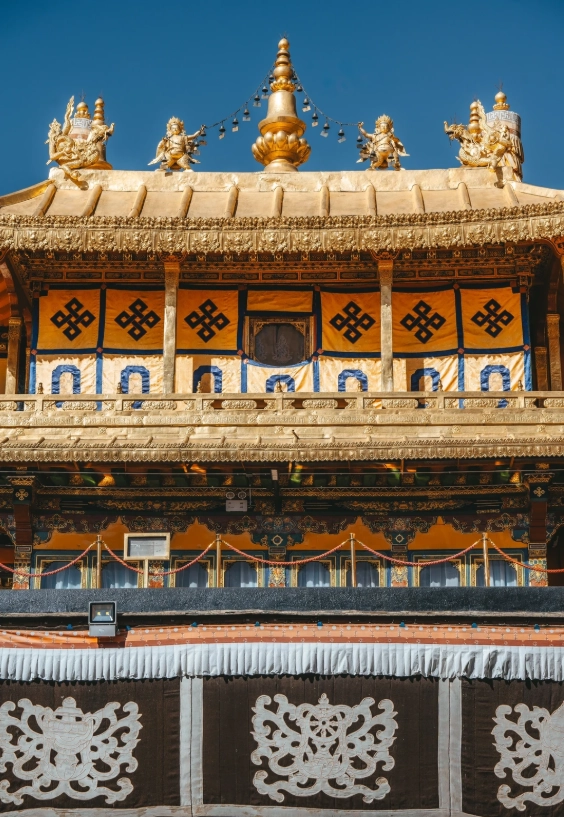
I can't stop thinking about Tibet! From the moment we landed in Lhasa, the spirituality and grandeur hit me. We visited the Buddhist monasteries, walked the kora around Jokhang Temple, and I even got a little teary at Sera Monastery during the debates. Our local guide was so passionate and full of stories. The high altitude was tough, but the pure air and clear blue skies made it all worth it. Absolutely worth every bit of planning!
Tibet is a once-in-a-lifetime destination. The landscapes are absolutely raw and beautiful - I felt so small against the Himalayas. Why not 5 stars? The permit process is a bit chaotic and the long drives on rough roads were exhausting. But our driver Tenzin was fantastic, always pointing out yak herders and prayer flags. If you can handle the altitude and bumpy roads, it's an amazing place. Just go prepared.
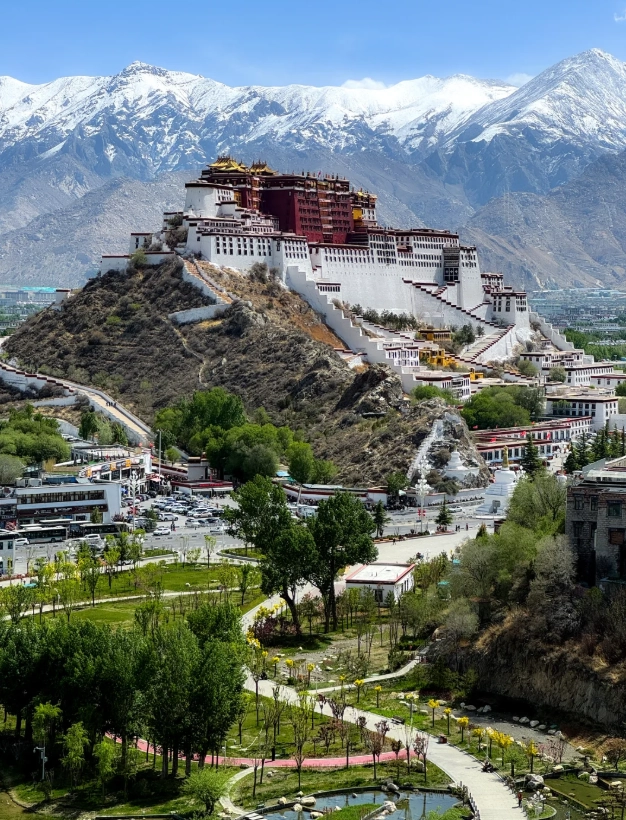
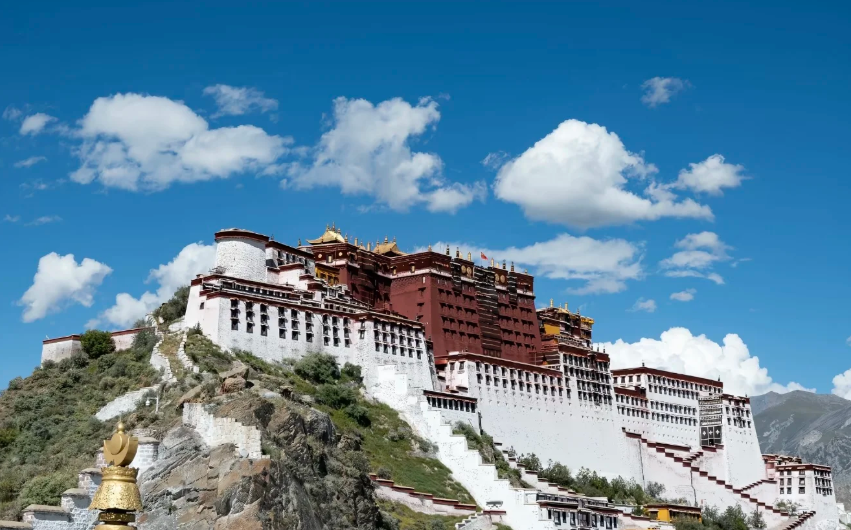
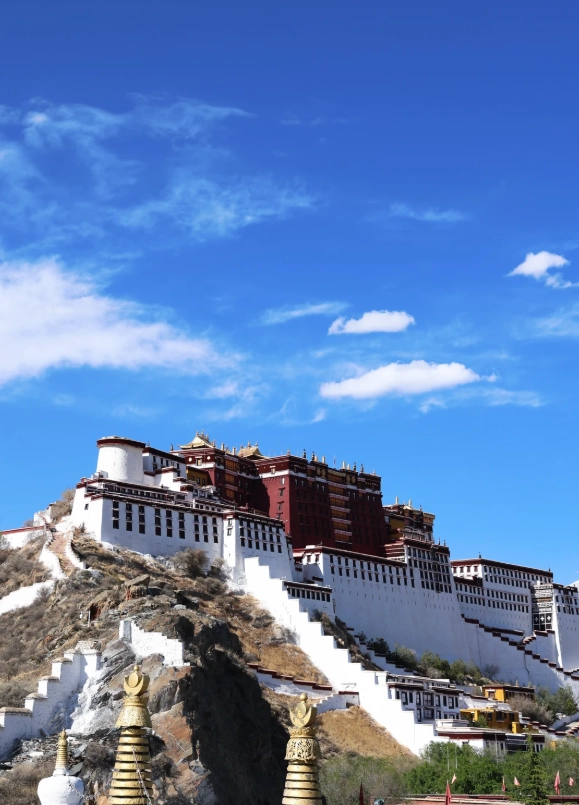
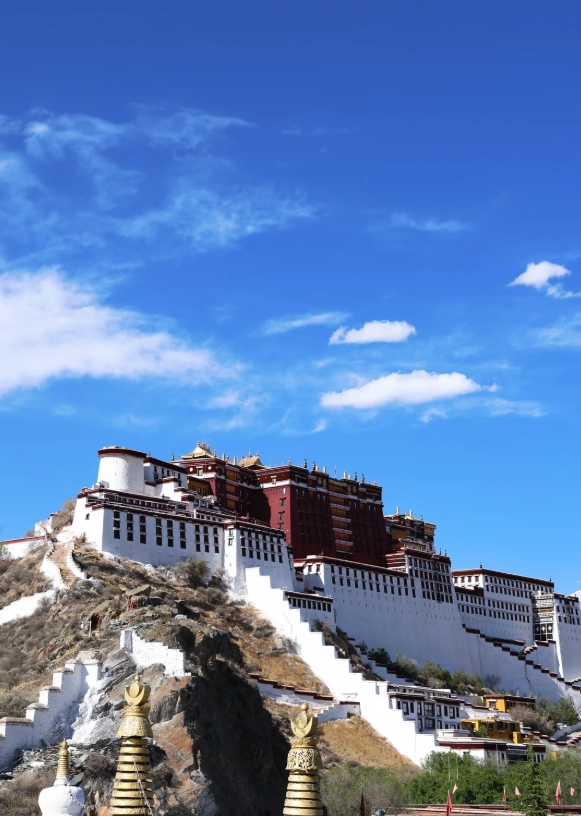
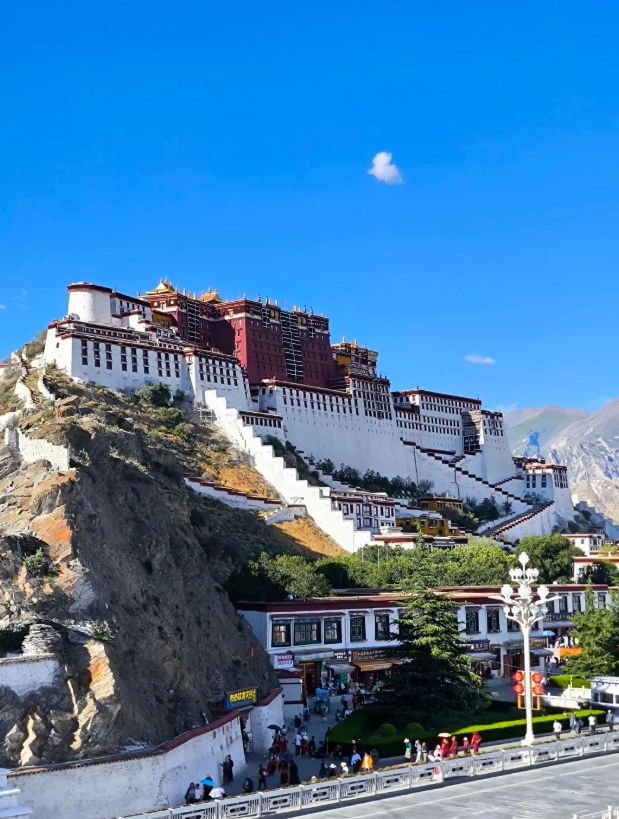
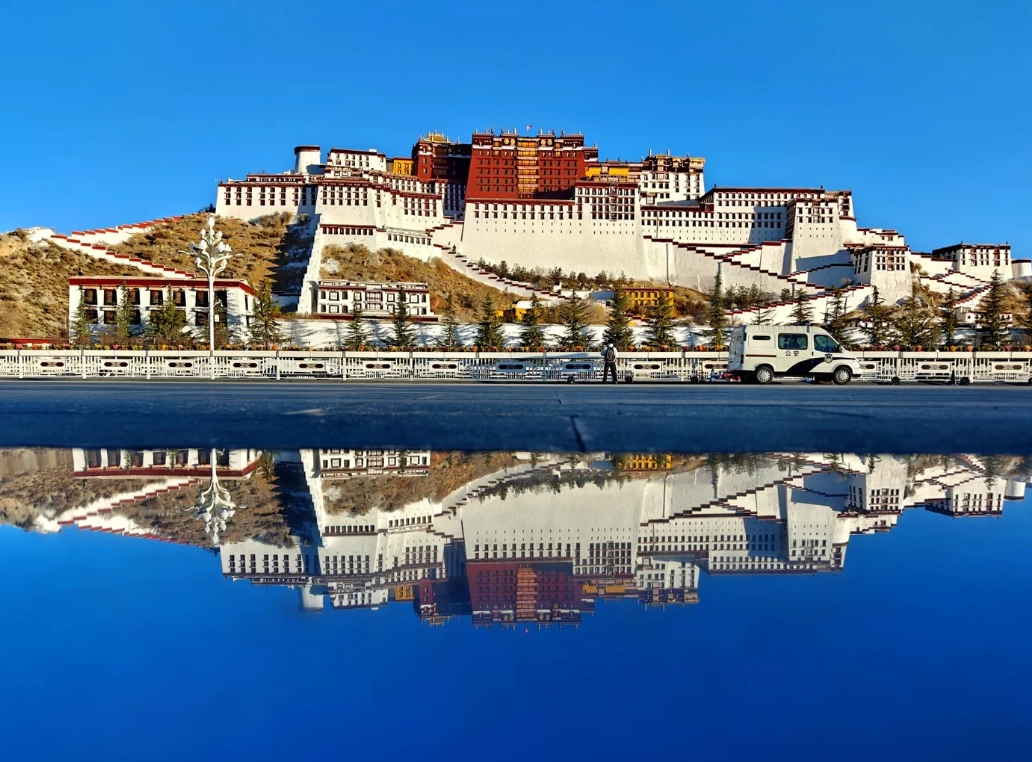
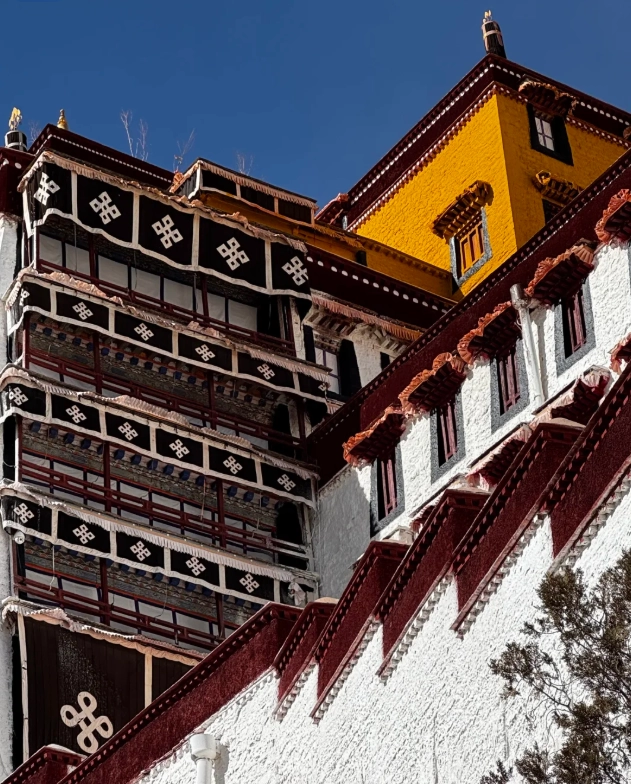
I really wanted to love Tibet, but my trip had a few letdowns. The scenery is beyond spectacular, no doubt. However, our guide seemed rushed and we didn't get enough time at the key sites. Also, the hotel we stayed in in Lhasa had no proper heating and the shower was lukewarm. For such an expensive trip, I expected better organization. Still, seeing the Potala Palace at sunrise was a moment I'll never forget.
Honestly, I had mixed feelings. Tibet is beautiful, but I was a bit disappointed by how commercialized some areas have become – especially around the Barkhor Street, where vendors were extremely pushy. The weather was also against us: it rained heavily on the day we planned to visit the Potala Palace, and the view was completely obscured. Our hotel in Shigatse was mediocre, and the staff seemed indifferent. I'm glad I went, but I expected a more authentic and less touristy atmosphere. Maybe I just had bad luck.
Leave a Review