Potala Palace Overview
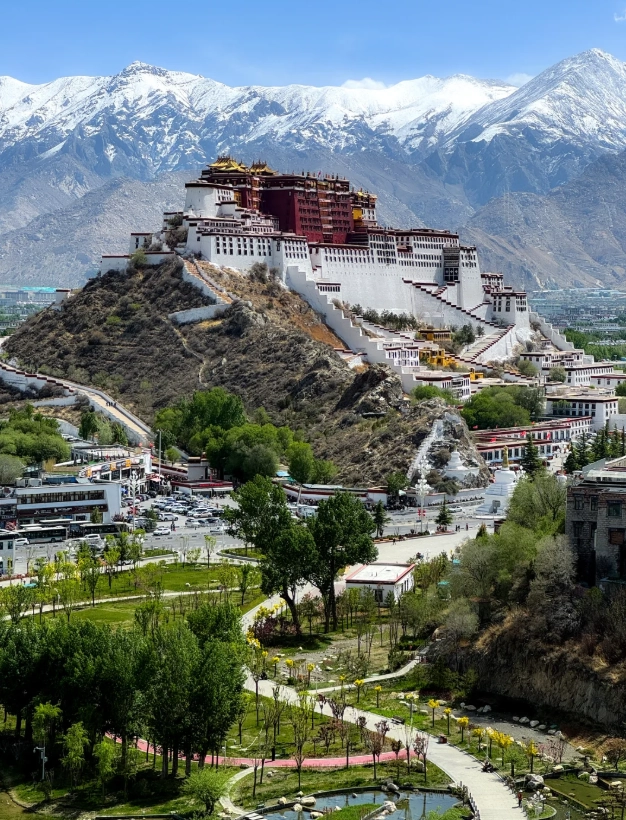
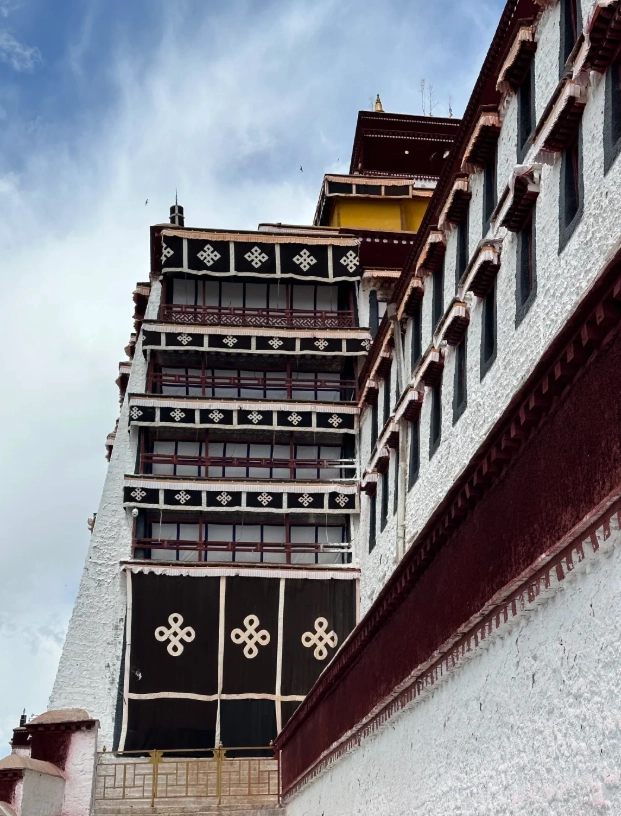
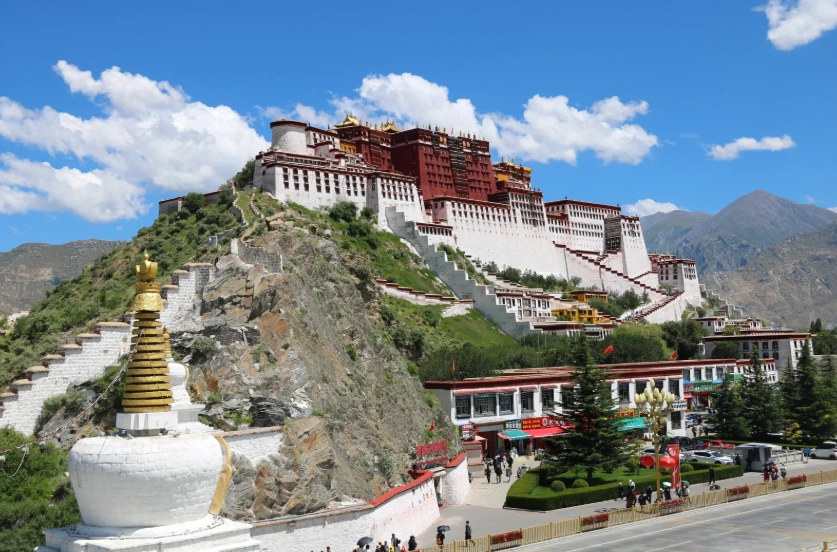
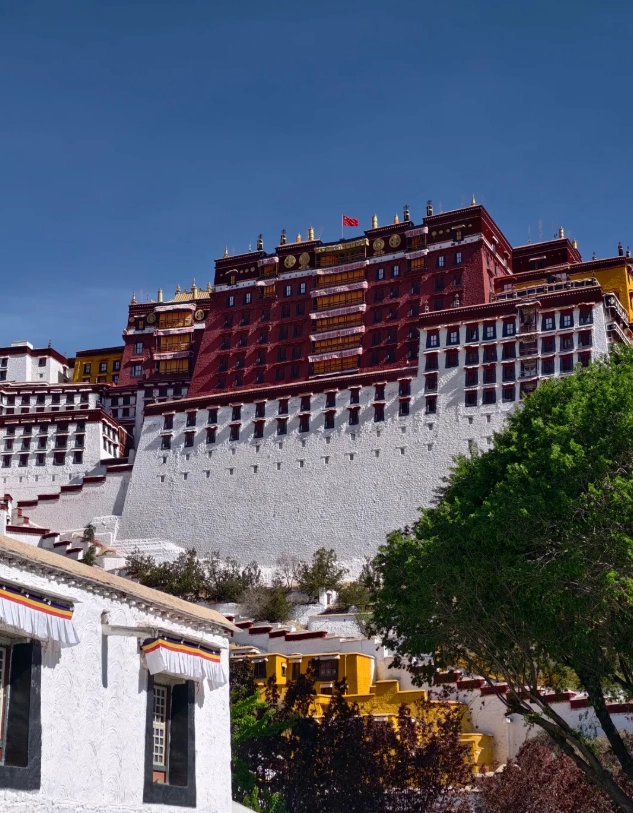
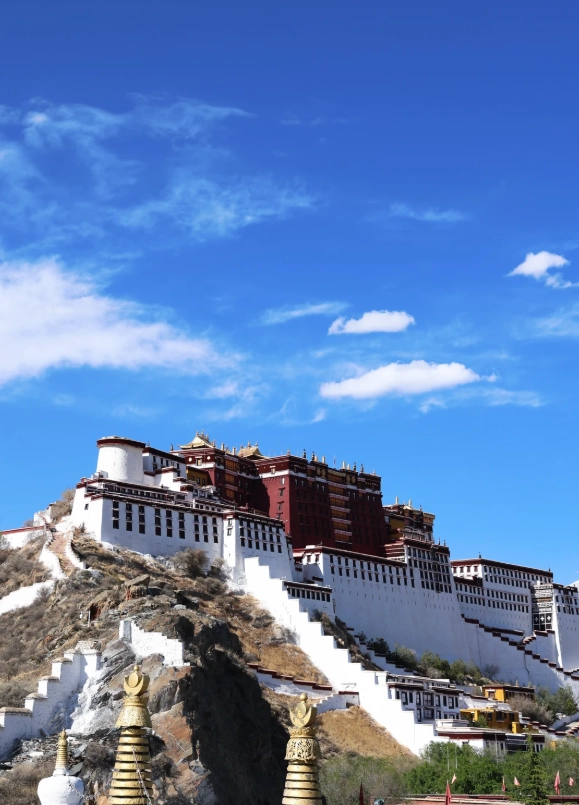
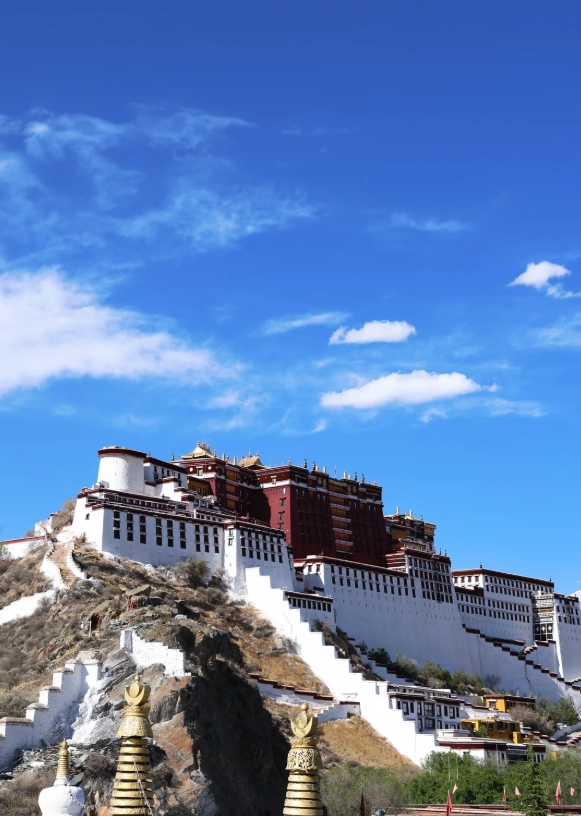
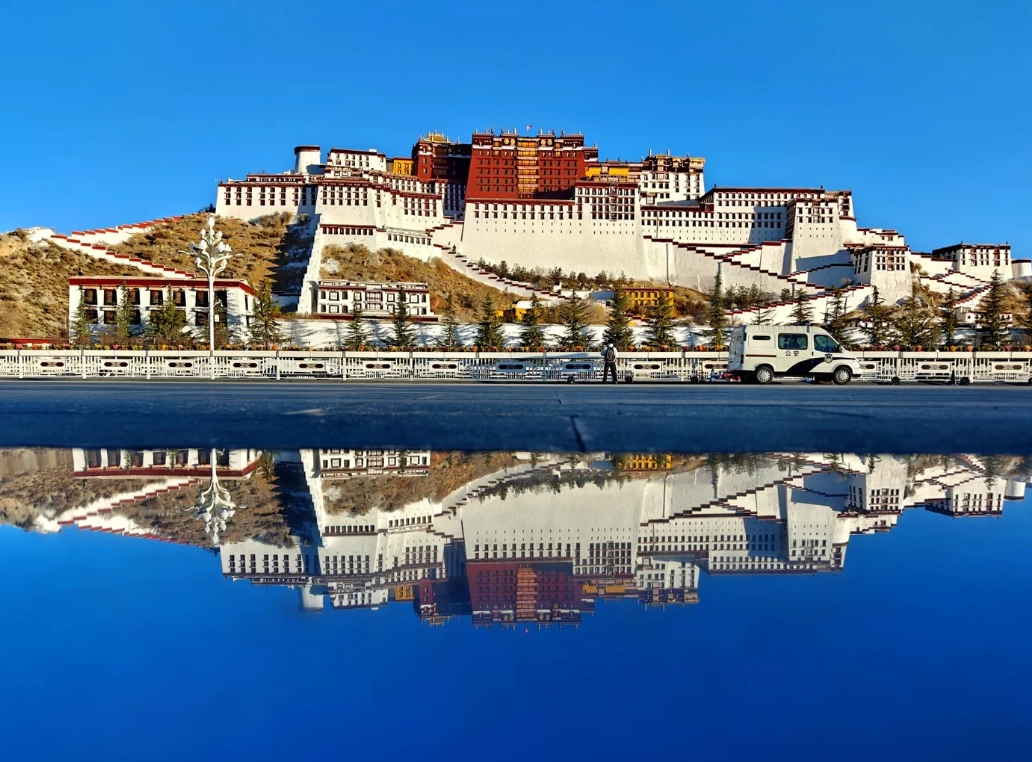
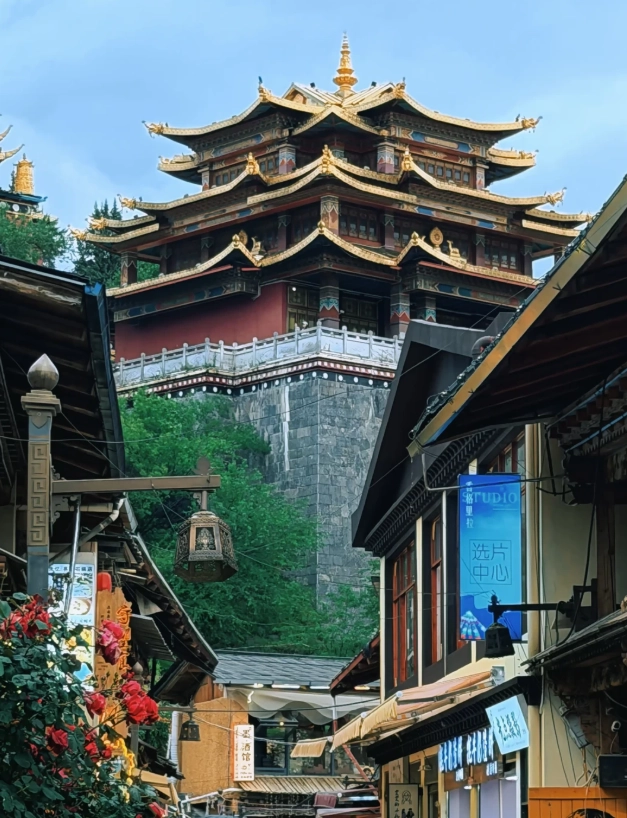
The iconic winter residence of the successive Dalai Lamas and the highest ancient palace in the world. This architectural masterpiece dominates the Lhasa skyline, housing thousands of rooms filled with priceless Buddhist murals, thangkas, and the monumental golden stupas of past spiritual leaders.
Potala Palace Opening Hours & Tickets
- 09:00-15:00 (Entry times are strictly assigned; you must enter at your specific ticket time)
- Best season: May to October. Morning visits offer the clearest skies, but sunset views from the nearby Chakpori Hill are unmissable for photographers.
- Ticket note:
Tickets are extremely limited and must be booked up to 7 days in advance during...
Essential Potala Palace Visitor Information
- Enquiries: +86 891 6822821
- Oxygen supply stations
- Public restrooms at the base and mid-level
- Visitor service center
- Baggage deposit
How to Get to Potala Palace
Centrally located. Your required tour agency will provide private transportation, but it is also easily reachable by local pedicabs from the old town.
Potala Palace Travel Safety & Advice
Dial 120 for medical emergencies. Medical staff and oxygen supplies are available on the climb route for altitude sickness emergencies.
Potala Palace Travel FAQ
Can I really visit Tibet in 5 days if I have altitude issues?
If you've had altitude sickness before, don't attempt a 5-day trip. Your body will spend at least 2 days just adapting, and that leaves you 3 rushed sightseeing days. If you must, fly directly to Lhasa, book a hotel with oxygen, and skip all-day excursions like Yamdrok. The 5-day plan is only safe for travelers coming from places above 2,500 meters (e.g., Bogotá, Quito) or those without a history of altitude problems. My rule: if you've ever felt sick above 3,000m, invest in at least 8 days.
How much does a 7-day Tibet tour cost, and does the length affect the price?
A guided group tour from Lhasa starts around USD 700–1,000 per person for 7 days, including permits, hotels, transport, and some meals. Extending to 10 days adds roughly USD 350–500. The logistics of permits and guide fees are fixed, so longer trips naturally cost more per day, but you do get more value for your money when you start adding off-the-beaten-path sites like Everest Base Camp. Always budget extra for personal expenses: meals (CNY 100–200/day), attraction tickets (total CNY 500–800), and shopping.
What's the best time of year to plan a short trip to Tibet?
For a 5–7 day trip, plan for May to October, with September and October being the sweet spot. Winter (Nov–Mar) has lower prices but many hotels and some monasteries operate with reduced hours, and flights can be canceled due to snow. Also, the summer rain clouds can obscure the Everest view, while autumn offers crystal-clear skies. I once guided a group in July that couldn't see Everest for 4 days straight — they'd have been better off in October.
Do I need special travel insurance for a Tibet itinerary?
Yes, absolutely. Standard health insurance often doesn't cover high-altitude sickness or evacuation, which can cost tens of thousands if you need emergency helicopter rescue. Before booking, read your policy's fine print or buy a dedicated adventurous-travel policy from providers like World Nomads. Your tour company may also require you to sign a waiver, but that's different from true insurance coverage. Always carry a copy of your policy in your phone and in your daypack.
Should I spend extra days in Lhasa or drive to Everest instead?
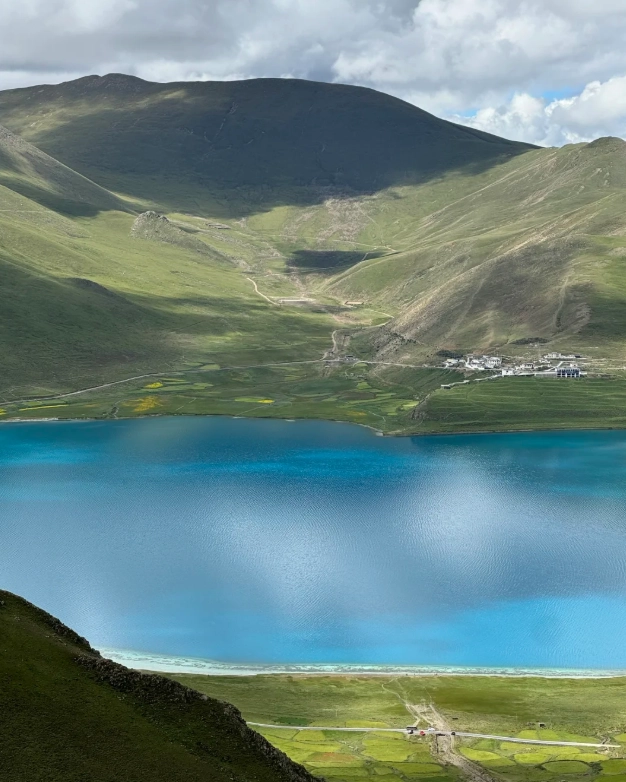
If you have a 10-day window, don't add more Lhasa time — you'll get temple fatigue. Instead, do the classic drive to Everest Base Camp via Shigatse. The journey itself is part of the experience, with surreal high-altitude landscapes and villages that feel untouched. But remember, the drive is hard on the body. I counsel travelers to set aside 2 days of rest after returning to Lhasa before flying home, which means a 10-day itinerary should actually have 2 buffer days built in. If you can't afford the mental reset, stick to Yamdrok Lake as your scenery shot.
Do I need a separate permit for Tibet tourist attractions beyond the Chinese tourist visa?
Yes, you need a Tibet Travel Permit, which is issued by the Tibet Tourism Bureau. It’s not available at the border or at Lhasa airport. You must get it through a registered tour agency — expect to pay CNY 100–200 for the service. If you’re visiting places like Everest, you’ll also need a Military Permit — for the border area — processed by your agency.
How can I pay for entrance tickets at Tibet tourist attractions with only an international card?
Entrance tickets are usually cash-only for foreigners unless you use Alipay or WeChat Pay. I recommend withdrawing cash from an ATM in Lhasa — they accept Visa and Mastercard — and carrying small notes. For pre-booking advanced tickets like Potala, your tour operator will handle online payment with their Chinese bank card.
What’s the fastest way to reach Everest Base Camp from Lhasa?
The fastest reliable route is a private car with a local driver — 8–10 hours each way. Some travelers try to squeeze it into 2 days, but that’s risky and exhausting. I always recommend spending a night in Shigatse on the way back. Public buses exist but involve multiple transfers and will add several hours. If you’re short on time, fly from Lhasa to Shigatse — 40 minutes — but those seats book out weeks ahead.
Is it safe to visit Tibet tourist attractions as a solo traveler?
Yes, but with clear conditions. Solo travel is safe in terms of crime — Tibet is very safe. The challenges are logistical: you’ll need to join a group or hire a private driver for most out-of-Lhasa sites. Also, solo travelers often struggle with altitude sickness because there’s no one to force them to rest. So take it easy, and consider staying in Lhasa for at least 3 days before any big excursions.
What is the best month to see Tibet tourist attractions without huge crowds?
April and late June are my favorite months. The weather is stable, the skies are clear, and Chinese school holidays are over. May and October are peak months for domestic tourists, so expect queues everywhere. July and August are lush but bring afternoon rainstorms at high altitudes. Avoid the first week of October — China’s National Day week — that’s when every Chinese traveler is trying to visit the Potala Palace.
Recent Reviews
We booked a morning slot and it was a good decision – the air was crisp and the palace looked majestic in the soft light. The climb is steep but doable if you take breaks. I appreciated the numbered routes that helped manage the flow. The only reason I’m giving 4 stars is that some exhibition rooms were closed for renovation, so we missed a few highlights. Otherwise, an impressive cultural landmark with fantastic staff.
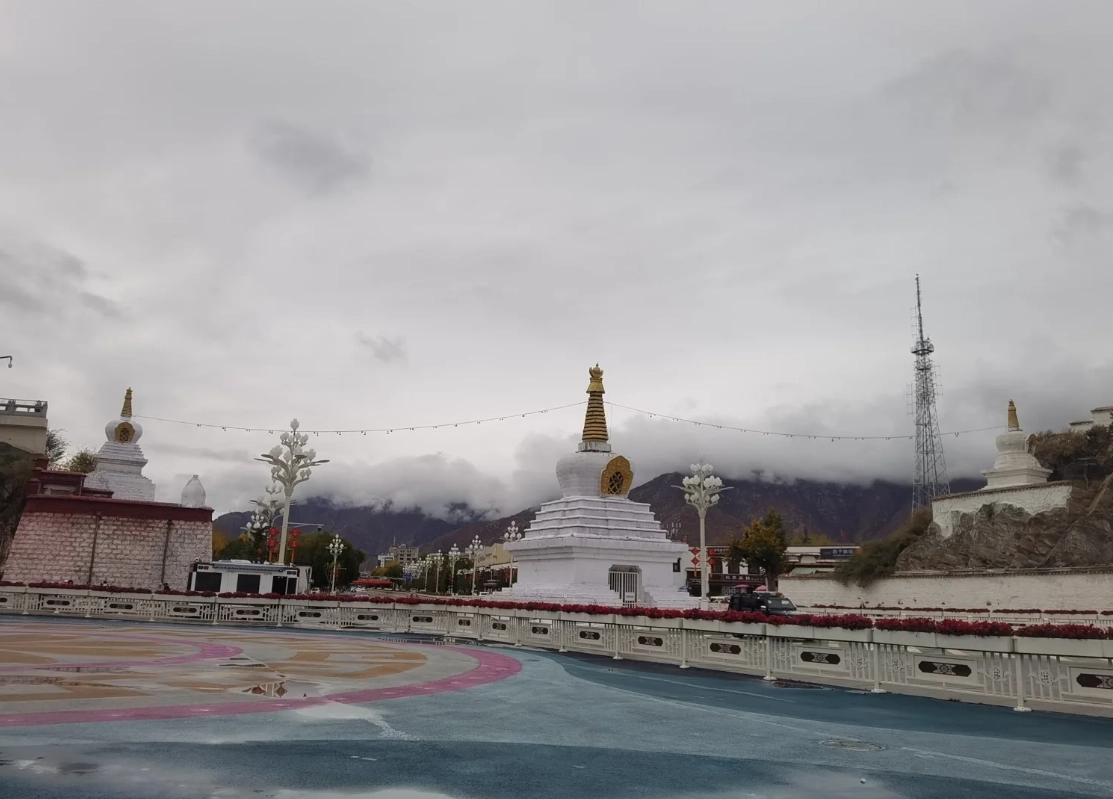
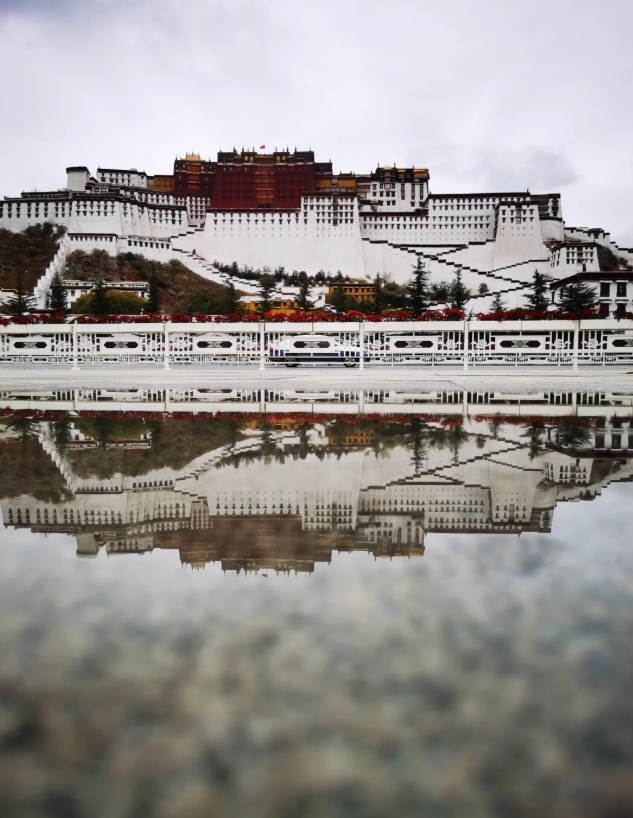
If you’re into photography, this place is a dream. The best shots are from the square in front – especially during golden hour. I spent about 3 hours climbing and exploring, and the intricate murals and statues inside are mesmerizing. The only downside is the strict no-photo rule inside, which makes sense but is a bit frustrating. Still, one of the most memorable sites I’ve ever visited. Totally worth the ticket price.
Potala Palace is undeniably impressive from the outside, but inside it felt a bit rushed and crowded. We went in the afternoon and the queues were long, taking away from the peaceful atmosphere I was expecting. The tour felt a little scripted, and I would have loved more time to absorb the details. Still, the views of Lhasa from the top are unforgettable. Just manage your expectations on the experience inside.
A truly unique experience. The architecture and history are incredible, but be prepared for the altitude – I felt a bit dizzy even with acclimatization. The interior chapels are richly decorated, though photography is restricted. I wish there were more benches to rest along the climb, but overall it's a must-see in Lhasa. Highly recommend going early to avoid the crowds.
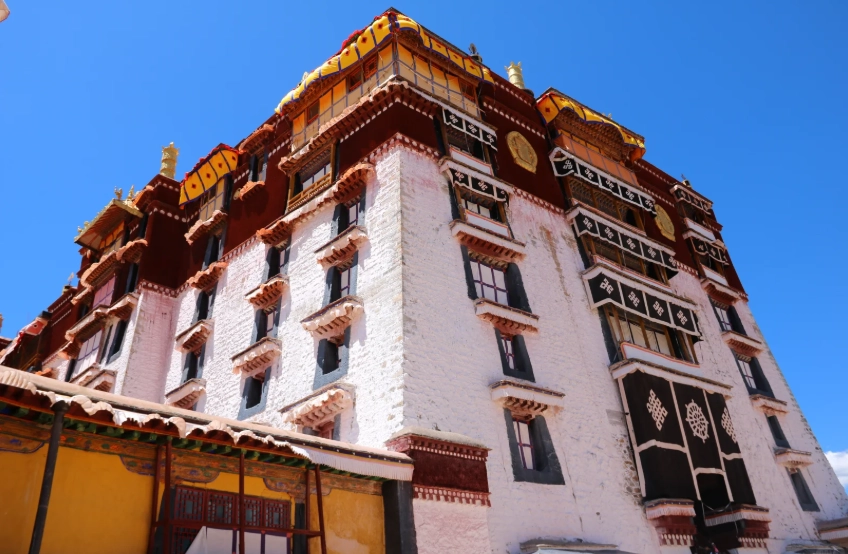
Absolutely breathtaking! I visited Potala Palace last week and the sheer scale of it is mind-blowing. The white and red walls against the clear blue sky are stunning. Make sure to wear comfortable shoes for all the stairs, but every step is worth it for the views from the top. The guided tour was informative, giving great context about Tibetan Buddhism. Five stars all the way!
If you're in Lhasa, you simply cannot skip the Potala Palace. The sheer amount of gold and jewels inside is mind-blowing. The tombs of the Dalai Lamas are awe-inspiring. I spent almost three hours exploring and still felt like I missed things. Pro tip: book your tickets online in advance to skip the long queue!
One of the most spiritual places I’ve ever visited. I went early in the morning just as it opened, and the soft light on the white walls was magical. The prayer halls had an incredible energy, and I loved watching the pilgrims spin the prayer wheels. Bring good shoes—there are lots of steep stairs. 100% recommend.
Honestly, I was a little let down. Maybe I built it up too much in my head, but the interior felt cramped and poorly lit. The line moved slowly, and there wasn’t much English signage. For the entrance fee, I expected better organization. The outside is magnificent, but inside it didn’t live up to the hype for me.
Potala Palace is an architectural marvel, no doubt. The views from the top are stunning, and the sheer scale of the building is humbling. However, I found the crowds a bit overwhelming even on a weekday, and the climb up the ramps was exhausting. Still a highlight of Tibet, but prepare for the altitude and stairs.
Absolutely breathtaking! The Potala Palace is even more impressive in person than in any photo. Walking through the ancient halls and seeing the intricate murals gave me chills. The guided tour was worth every penny—our guide explained the history so vividly. A must-see in Lhasa!
This place is pure magic. I'm not a religious person, but walking through the darkened halls filled with butter lamp smoke and seeing the pilgrims prostrating outside moved me deeply. The sheer amount of gold, turquoise, and ancient scriptures is staggering. My tip: hire a local guide outside the gate—they add so much context. Best $10 I spent in Lhasa.
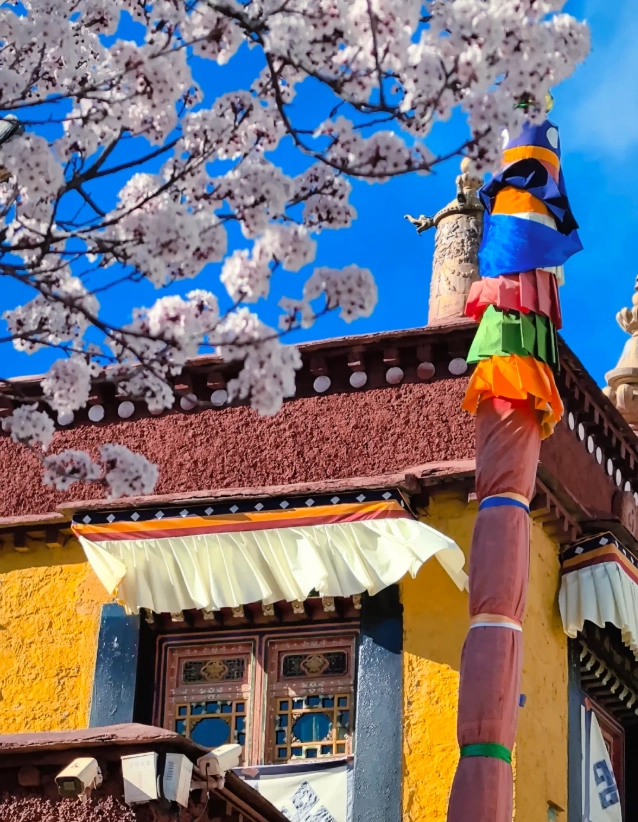
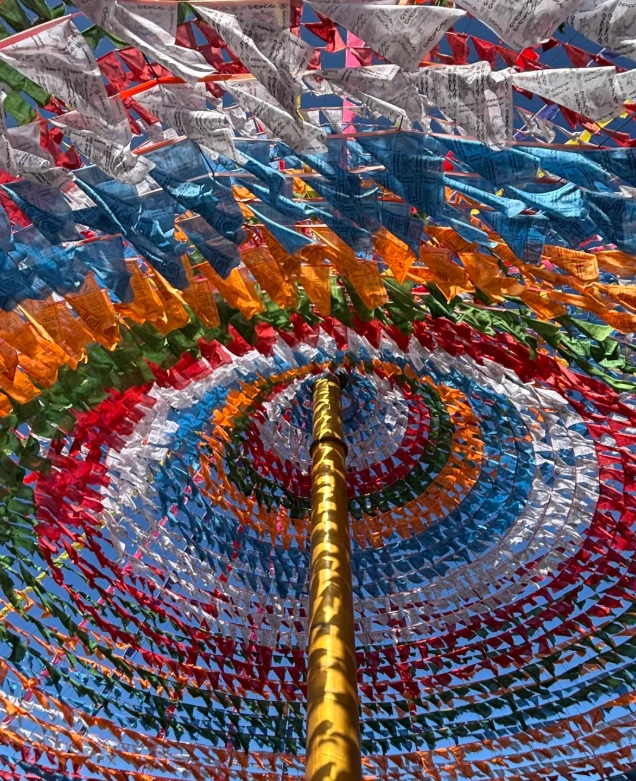
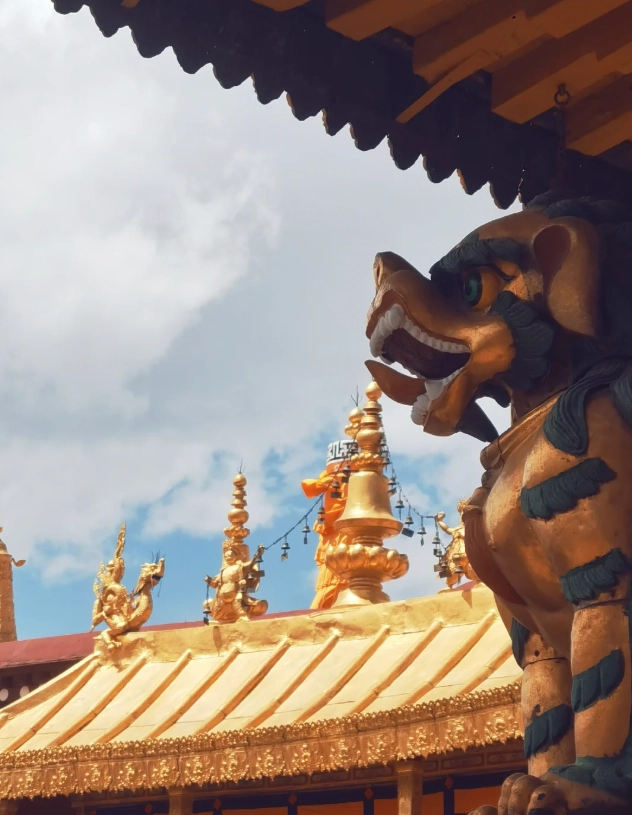
Wow, just wow! The golden roofs shining under the sun, the prayer flags fluttering in the wind, and the monks chanting in the distance—it's an experience that touches your soul. I went at sunrise and had the place almost to myself for the first hour. The climb is tough at high altitude, but the views of Lhasa Valley are worth it. 10/10 recommend going early!
Honestly, I was a bit let down. The queue to get in took over two hours, and once inside, it felt more like a museum than a living palace—very crowded and rushed by security. Some rooms were closed for renovation, and the entrance fee is quite steep for what you actually see. If you're not super into Tibetan history, you might find it underwhelming.
A stunning architectural wonder, no doubt. The intricate murals and golden stupas left me in awe. However, the crowds were overwhelming even on a weekday, and the lack of air circulation inside made it hard to breathe. Also, photography is banned in most rooms, which was disappointing. Still, the history behind it is incredible.
Absolutely breathtaking! The scale of Potala Palace is mind-blowing. Standing at the top and looking over Lhasa was a spiritual moment. The guided tour was informative, but I wish we had more time to explore the chapels on our own. Still, a must-visit if you're in Tibet. Worth every step of the climb!
Leave a Review