 Ting Chen
In a Hurry?
Ditch the tour bus. Pack light. And brace yourself for one of China's most dramatic drives. That's the short version of the Dali Lijiang Shangri-La route. I've guided this circuit for over a decade, and I can tell you: the only way to enjoy it is to admit it's not a race.
Here is the catch: most foreign travelers mess up the logistics, not the sightseeing. They assume their Visa works everywhere. They trust Google Maps. They book train tickets at the station. All three are traps.
My golden rule? Give each town a full day, book your train tickets the moment they open, and carry 500 RMB in cash for mountain vendors. Do that, and the route opens up like a map with no missing pieces.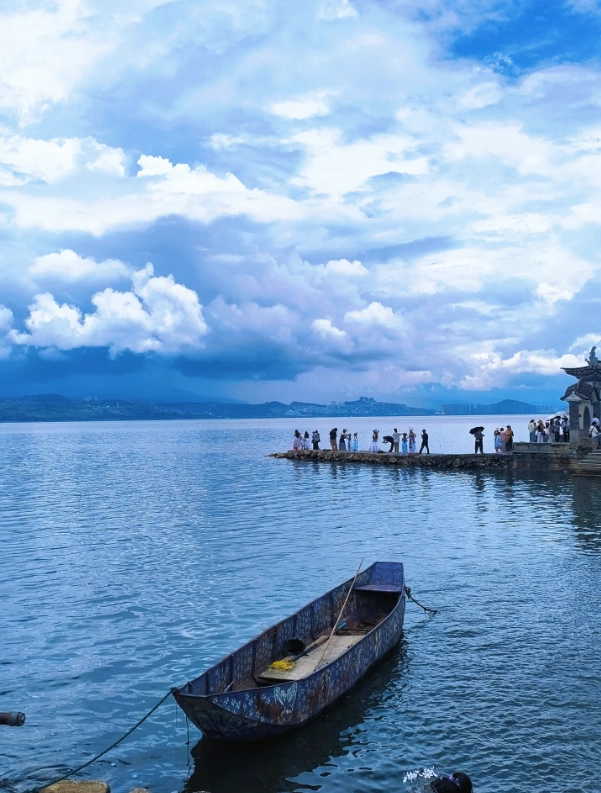
How to Plan the Dali Lijiang Shangri-La Route
Before you dream about snow mountains and ancient lanes, plan the ground movement. The route runs roughly north: Dali → Lijiang → Shangri-La. Most people go in that order because it's easier to ease into the altitude. The entire route can be done in 5 to 8 days, but 6 days is my sweet spot.
You will need your passport for every hotel and every transport ticket. No exceptions. Some guesthouses won't process a foreign passport without a phone call, so always book via an international platform that confirms your booking in writing.
Transport Options: Dali-Lijiang-Shangri-La
Here's the only transport table you need. I've included approximate costs so you can budget.
| Route | Transport | Duration | Est. Cost (per person) | Best For |
|---|---|---|---|---|
| Dali → Lijiang | High-speed train | 1.5 – 2 h | 145 – 185 RMB | Speed, comfort |
| Dali → Lijiang | Long-distance bus | 2.5 – 3 h | 70 – 100 RMB | Budget travelers |
| Lijiang → Shangri-La | Long-distance bus | 3 – 3.5 h | 75 – 90 RMB | Budget, scenic views |
| Lijiang → Shangri-La | Private car/driver | 3 h | 400 – 600 RMB total | Small groups, extra stops |
| Dali → Shangri-La (direct) | Bus | 7 – 8 h | 120 – 180 RMB | Saving time for a one-way leap |
Notice the gap: there is no high-speed rail to Shangri-La yet. The road is winding but good. The bus from Lijiang to Shangri-La climbs through high passes, so keep a jacket on your lap even in summer.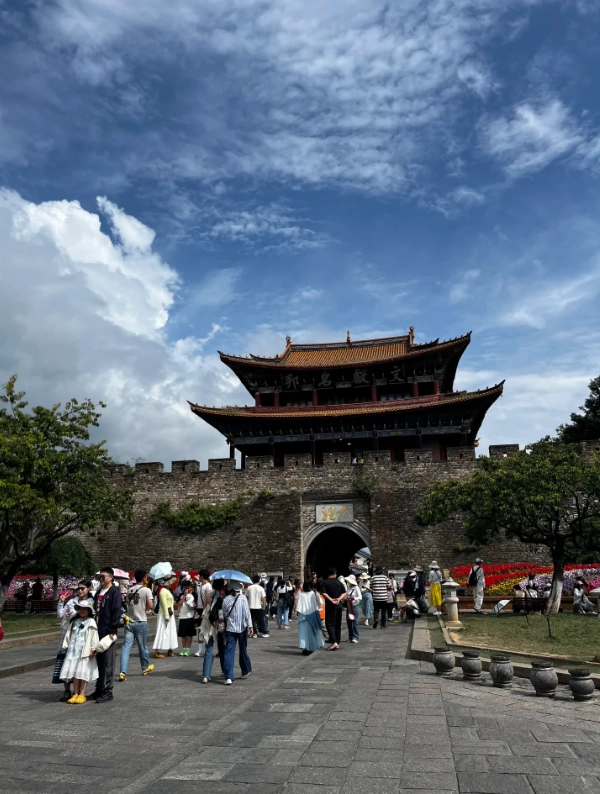
Dali to Lijiang by High-Speed Train
Dali Railway Station is actually in Xiaguan, a separate city district about 30 minutes by taxi from Dali Old Town. Do not wobble up to the old town expecting a station. The taxi fare is about 40 – 60 RMB. Show the driver this: 大理站 (Dali Railway Station).
Book your ticket on 12306.cn or Trip.com using your passport. The ticket is real-name only. You'll need to input your passport number and sometimes a photo scan. Trip.com is far friendlier for foreigners because it sends a QR code to your phone, which you can scan directly at the station gate.
Once on the train, the scenery is pleasant but not jaw-dropping. You are barely below the clouds. I usually stand near the door at the end of the ride to get a glimpse of Jade Dragon Snow Mountain as you approach Lijiang.
Lijiang to Shangri-La by Bus
From Lijiang Bus Station (丽江客运站), buy a ticket to Shangri-La (香格里拉). The trip takes roughly 3 hours if no stops, but the driver will pause at a fuel station for 10 minutes. For the most stable ride, choose a morning bus. The route twists like a noodle, and mountain fog can slow the afternoon ones.
You get off at Shangri-La Bus Station, which is less than 1 km from Old Town Dukezong. A taxi costs 15 RMB; don't pay more. If you walk, it's 15 minutes uphill.
Pro Tip: Sit on the left side of the bus for the best views of the Jinsha River gorge.
A Realistic 6-Day Dali Lijiang Shangri-La Itinerary
This is not a crammed plan. You will have time to sleep, eat, and stare. If you only have 5 days, drop one day in Lijiang and save the Jade Dragon Snow Mountain for a future trip.
Day 1: Dali Old Town
Arrive at Dali Old Town by early afternoon. Check in to a guesthouse inside the walled town, near Fuxing Road. Yes, you'll hear musical drum taps all day, but it beats the construction noise outside.
Start with a walk up to the gates of Wuhua Tower. The climb sits at a gentle 1,900 meters, so no altitude worries. Then wander down Renmin Road to the south gate. Look for a stall selling milk fan (乳扇) — a grilled cheese sheet that tastes sweet and smoky. I always buy one from the aunty with the iron grill near the South Gate; she's been there for years.
Time check: Walking the entire old town loop takes 2 to 3 hours, but you'll stop for photos and snacks. Sunset from the gate is the best light.
For dinner, find any spot that has a picture menu. Try the 'sour and spicy fish' (酸辣鱼); the local Erhai lake fish brings a zing that wakes up your taste buds. Typical cost for two: 80 – 120 RMB with rice.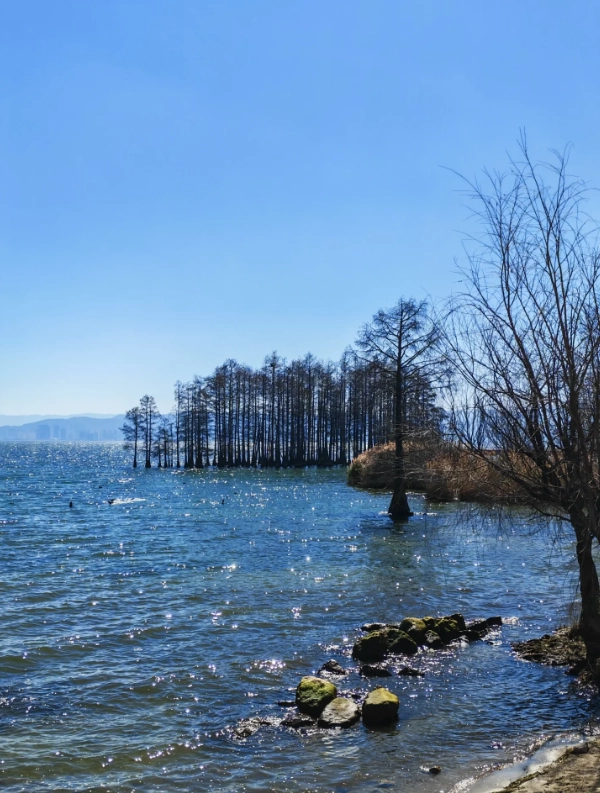
Day 2: Erhai Lake
Rent a moped/scooter for the day (about 80 – 120 RMB) or hire a car with a driver for 400 RMB. The classic loop is around 120 km, which sounds long, but the western shore is flat and you can stop everywhere.
Don't try to do the entire loop in one day. Focus on the western shore only: start at Caicun Pier, ride north through Xizhou Town, then stop at Huanghe Bay. Xizhou's classic Bai houses are photogenic, and the wooden gates are breathtaking.
Midday heat is real, so I schedule a late lunch at a local family restaurant in Xizhou. You'll find them down small lanes that are not on Google Maps. Try xizhou baba (喜洲粑粑), a crispy flatbread filled with meat or sugar.
In the afternoon, ride back to Dali. If you feel energetic, take a detour to the Three Pagodas. The ticket costs around 75 RMB, and the pagoda reflection in the lake is worth the fee. Otherwise, just relax back in the old town.
Day 3: Dali to Lijiang
Catch the morning high-speed train. I prefer the 09:05 departure if it exists, because the ticket gates at Lijiang can be crowded around noon. Book on Trip.com the night before and show your QR code.
Arrive in Lijiang, drop your bags at a guesthouse near the Waterwheel at the northern end of the old town. That spot is easier for taxis than the maze of Sifang Street.
Spend the afternoon inside the UNESCO-listed Old Town. The locals call it 'the Venice of China' for a reason. Yes, it's touristy, but the canals and Naxi architecture still charm me after dozens of visits.
Follow the water flow to the Black Dragon Pool (黑龙潭). Entrance is free if you show a ticket to Jade Dragon Snow Mountain (sneaky, but true). You'll get the classic postcard reflection of the snow mountain.
Dinner: go to a tiny eatery on Xinhua Street where the waiters speak only Naxi and the hands point to pictures. Try yiliang mushroom soup if it's mushroom season. Price for two: about 120 – 150 RMB.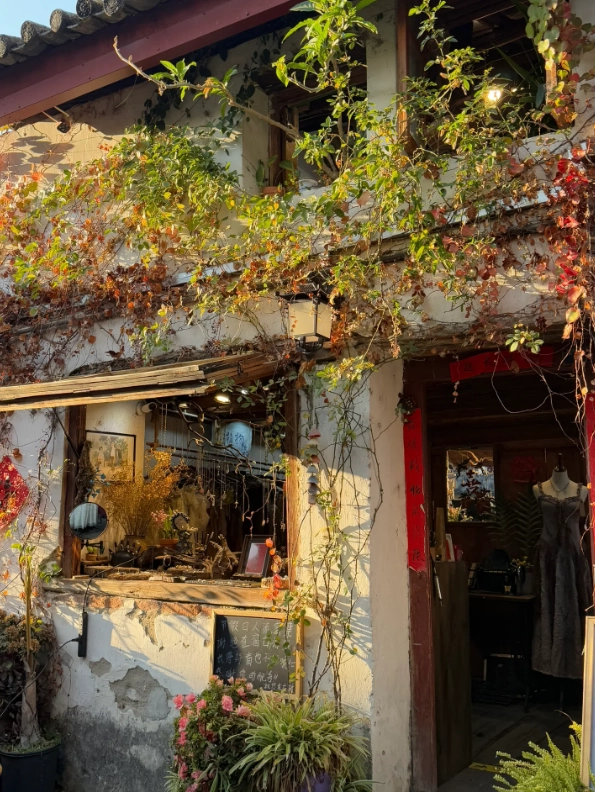
Day 4: Jade Dragon Snow Mountain
This is the only day you must plan two weeks in advance. The big cable car to the Glacier Park sells out quickly, especially in July and October.
Book your package on Trip.com or via a local travel agency. The full package (entrance fee + cable car + bus) usually costs 350 – 500 RMB depending on the season. You'll need your passport for the QR code check.
The actual ride is powerful. You climb from 3,000 m to 4,506 m in about 15 minutes. At the top, don't run. Walk slowly, chew gum, and drink water. I always tell clients to stay at least 45 minutes if the weather is clear.
Alternative plan: If you can't get the big cable car, still visit the Blue Moon Valley (蓝月谷). The turquoise terraces look like a landscape from a video game, and you can reach it by the bus from the park entrance without the big cable car.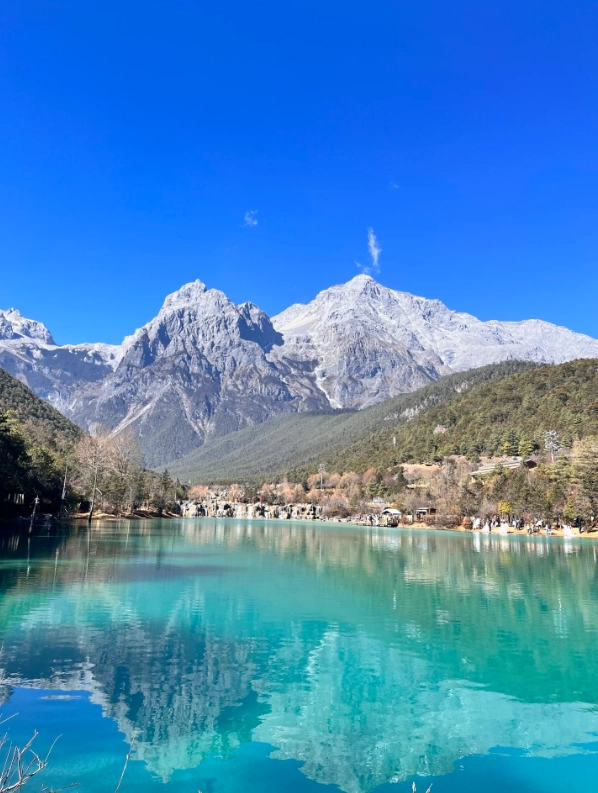
Day 5: Tiger Leaping Gorge
From Lijiang, hire a private driver or join a minibus to Qiaotou (桥头), the gateway to Tiger Leaping Gorge. Drive time is about 1.5 hours, and you'll pass the gorge from the upper edge.
Most foreigners come for the two-day Upper Gorge Trek, but if you only have a day, do the lower walk from the Qiaotou entrance to the Middle Gorge viewpoint. The trail is steep but well maintained. Total walking time: 4 hours return. I never do this hike in rain — the rocks are slippery.
Wear proper hiking shoes. If you're wearing city sneakers, you'll hate me by the second hour. After the hike, continue to Shangri-La by bus or driver. The bus from Qiaotou to Shangri-La is hit-and-miss; a private car costs 300 – 400 RMB. Alternatively, go back to Lijiang and take a morning bus the next day.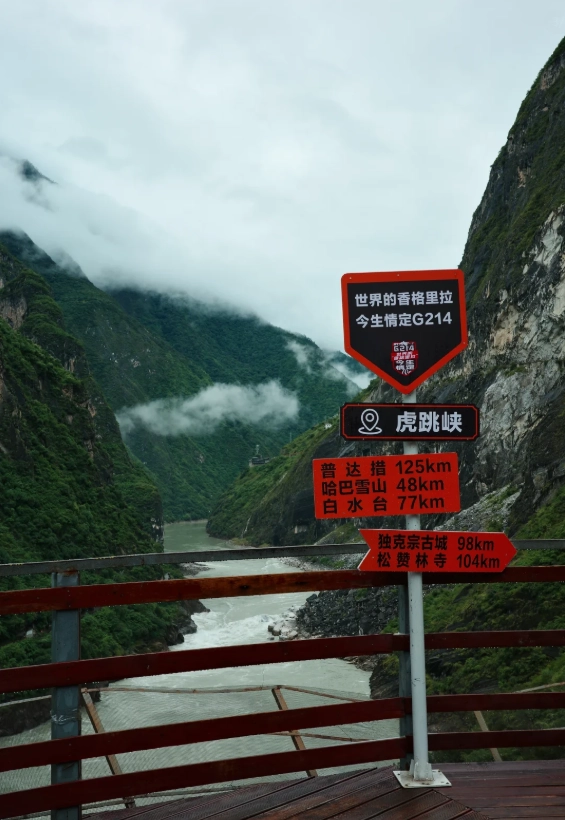
Day 6: Shangri-La
Wake up in Shangri-La at 3,200 m. You might feel lightheaded. That's normal. Drink lots of water and go easy on breakfast.
Start with the Songzanlin Monastery (松赞林寺), the 'little Potala Palace'. Take a taxi from the old town for 20 RMB and enter before 09:00 to catch the golden light. Entrance is about 90 RMB and includes a guide? Not always, but the audioguide is decent.
After lunch, wander the Dukezong Old Town. Notice the giant prayer wheel at the top of the hill. You can help spin it with locals. It's heavy — you'll need both hands.
If you have extra time, the Pudacuo National Park is farther out and requires a full day. Skip it for a return trip. Instead, enjoy a quiet Tibetan-style meal: tsampa (roasted barley flour) and yak butter tea. It's an acquired taste, but it's real.
Your route ends here. From Shangri-La, you can fly out (the airport is 20 minutes from town) or take a bus back to Lijiang.
Where to Eat on the Dali Lijiang Shangri-La Route
I've walked this route at least monthly for years. Realistically, you don't need celebrity restaurants; you need food that's safe and delicious.
My personal go-to for each town:
- Dali: Near the South Gate, seek out 'yellow braised chicken' (黄焖鸡). It's spicy, oily, and perfect with rice. I've tried dozens of places; any restaurant that has a dirt floor and local men eating is a good sign.
- Lijiang: For a quiet escape, duck into a small courtyard on Wenhua Lane. Try the Naxi fish. It's light and tastes like the fresh water of the nearby river.
- Shangri-La: The Tibetan hotpot on Jiansheng Road is heavy but incredible. Yak meat, mushrooms, and cabbage simmer in a broth that warms you from inside. Ask for extra pickles to cut the grease.
Here's the catch: most places accept Alipay, not credit cards. And some small villages still take only cash. I always carry 500 RMB in notes for those moments. You don't need to, but you'll be grateful when the watermelon seller smiles at your cash.
Use Dianping (大众点评) or TripAdvisor to check recent reviews. Search for Chinese names if you see them. A restaurant with a 4.5-star on Dianping is usually a winner.
Where to Stay Along the Dali Lijiang Shangri-La Route
When it comes to a bed, I recommend a good shabby chic guesthouse over a hotel chain. The charm of this route is in the courtyards.
In Dali, stay inside the old town walls, near the east flow of the fish market. You'll hear roosters in the morning, but you'll also wake up to mountains through wooden windows. Expect to pay 150 – 300 RMB for a double room. Most guesthouses on Booking.com have English and free Wi-Fi. Ask if they have a heater, as nights can dip below 10°C even in autumn.
In Lijiang, don't stay right on Sifang Street — the drumming gets old at midnight. Instead choose a courtyard off Wenyi Lane, just five minutes' walk from the noisy core. Pay a little extra for a room not on the ground floor; the Naxi houses are old and the floors creak.
In Shangri-La, pick a hostel that has underfloor heating or thick Tibetan carpets. The elevation makes the cold sharper. Many places are family-run and may only have shared bathrooms; ask before you book. I usually check if they provide oxygen pillows — it says a lot about their care.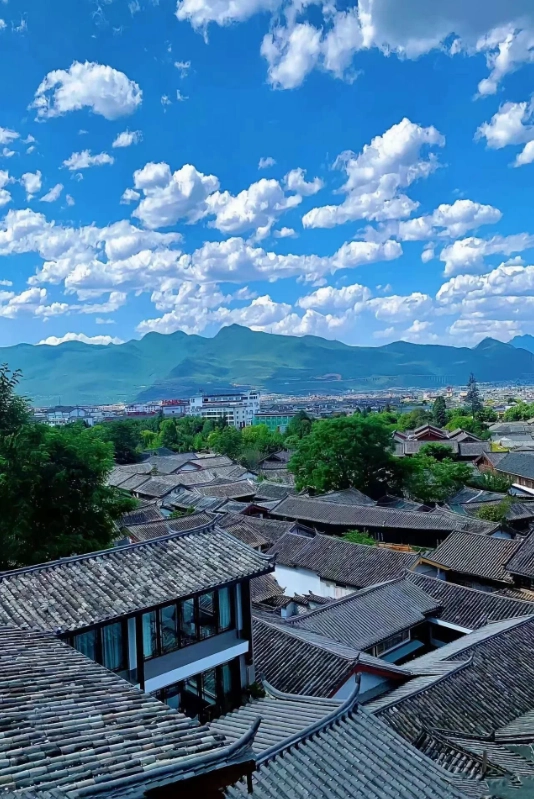
Money, Phones, and Apps for the Dali Lijiang Shangri-La Route
Let's get the boring stuff out of the way, because it matters more than any scenic viewpoint.
Cash: Yes, I just said it. On this route, cash is your backstage pass. Many local vendors, especially near mountain trailheads, don't accept mobile payments when the signal drops. Carry small bills. Big 100 RMB notes often get refused because they don't have change.
Mobile payments: If you can set up Alipay with your international card before you land, do it. WeChat Pay also works, but Alipay is more forgiving with foreign cards. Test it at a chain store like 7-Eleven before you rely on it at a mountain food stall.
Google Maps is useless on 90% of this route. Apple Maps uses local Chinese data and works okay. For the best English interface, download the app AMap Global and set it to English. Even then, offline the region before you head out.
VPN: If you use Google Mail, WhatsApp, or Instagram, you need to arrange a VPN before you arrive. China's internet blocks many Western services. It sounds intimidating, but it's just an hour of setup.
Translation: Download the offline language pack for Mandarin in the Apple Translate app, or use Baidu Translate. You'll need it to order food and decipher bus signs.
12 Mistakes to Avoid on the Dali Lijiang Shangri-La Route
These come from years of watching travelers stumble. Some are obvious; some are not.
- Not carrying enough cash. You don't need thousands, but 500 RMB in small bills solves at least ten problems.
- Trusting Google Maps. It will route you to a nonexistent bus station. Use Apple Maps or AMap Global.
- Trying to buy train tickets at the station. Sold out, especially on weekends. Book online.
- Underestimating the altitude. Shangri-La is 3,200 m. Acclimate by spending a night in Lijiang first.
- Staying in the wrong part of Lijiang. Sifang Street is noisy; pick a quieter alley.
- Skipping travel insurance. Medical care in remote towns is basic. A helicopter evac is not something you want to pay out of pocket.
- Booking a day trip to Jade Dragon Snow Mountain without a cable car ticket. You'll end up staring at a ticket booth.
- Hiking Tiger Leaping Gorge in city clothes. The trail is steep and dusty. Bring proper shoes.
- Eating at a place with no locals. If it's all foreigners and no Chinese, food quality is usually just average.
- Taking an unlicensed taxi. At Dali airport, always use the official queue. Same in Lijiang.
- Forgetting to show your passport at every hotel. They need to register you with the police. No passport, no check-in.
- Ignoring the weather radar. The route changes fast. If it's raining at Tiger Leaping Gorge, reconsider the hike.

Quick Answers About the Dali Lijiang Shangri-La Route
This content has been fact-checked by the editorial team. Information is based on the writer's direct experience guiding these routes. Prices and schedules are estimates only and should be verified through official platforms before travel.






No comments yet.