 Lei Li
What's Inside
Here's the thing — everyone lands in Beijing, snaps a few Forbidden City photos, and flies home. They completely miss Hebei. And honestly? That's a mistake I see every single week. I've been guiding travelers through this province for years, and it has some of the most jaw-dropping sights in China. But here's the catch: many Hebei tourist attractions are scattered, ticket systems are digital-only, and Google Maps ? won't work. You need a plan. This guide is that plan — based on my own driving routes, failed translations, and sweat-drenched mistakes.
Now, let me save you from the single biggest headache — most foreign visitors don't realize that many Hebei sites require passport-based pre-booking through Chinese apps you can't even read. I'll show you exactly how to handle it without a nervous breakdown.
Let's get straight to the point: If you only have limited time, focus on Chengde Mountain Resort and Jinshanling Great Wall. Those two alone are worth the trip. Everything else is a bonus. You'll find detailed timing, ticket hacks, and insider shortcuts below.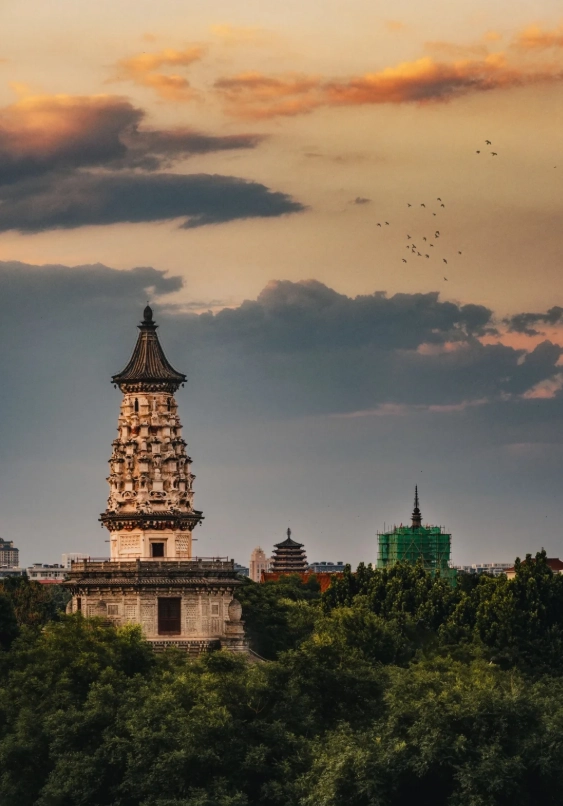
Why Hebei Should Be on Your Radar
Hebei wraps around Beijing like a giant donut. It's the province that gives China its imperial summer escape, its most dramatic Great Wall sections, and even a bit of seaside. Yet because it's not a province on most first-time itineraries, you'll often get places almost to yourself — a rare luxury in China.
I first moved here thinking Hebei was just a highway full of coal trucks. Then I walked the unrestored towers of the Jinshanling Wall at sunrise, and I nearly cried. This is not some reconstructed Disney version of history. This is the raw, crumbling, real thing. And it's only a 2-hour drive from central Beijing.
But there's a reason you need a guide. Public transport is patchy, English signage is minimal, and ticket-booking systems assume you're a Chinese resident with WeChat Pay. The good news? Once you know the workarounds, it's surprisingly smooth.
The 7 Must-Visit Hebei Tourist Attractions
I've listed these roughly in order of uniqueness and wow-factor. You won't need to see all seven — pick the ones that match your style and available days.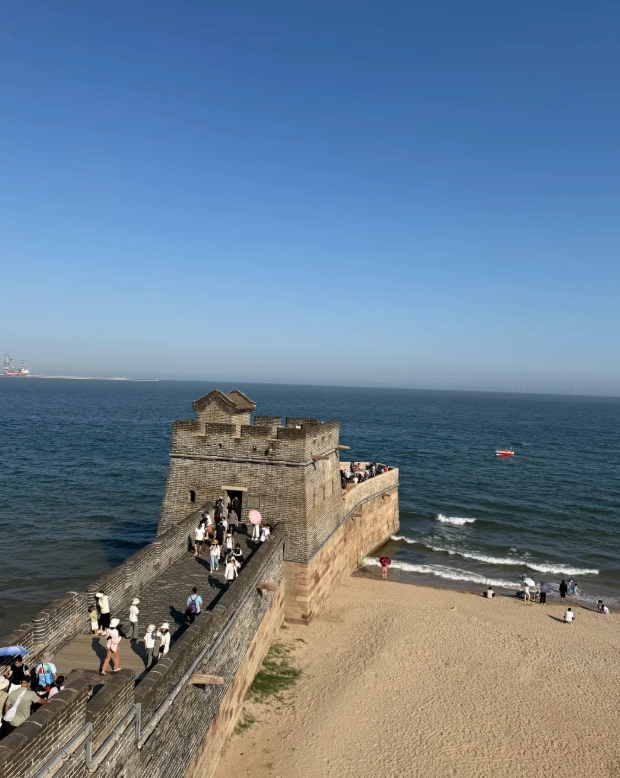
1. Chengde Mountain Resort — A Mini Empire in the Hills
This is the most unmissable site in Hebei. It's a UNESCO World Heritage-listed imperial palace complex that served as the Qing dynasty's summer headquarters. The resort is huge — so huge that you could spend a full day and still miss corners. I usually tell friends to think of it as a private park larger than the Forbidden City, with lakes, grasslands, and even a miniature Great Wall replica.
What most people don't know: the ticket price around 130 RMB (adults), and there's a cost-cutting bonus — students and seniors get discounts, but you'll need to show the relevant ID/passport. Pro tip: go early. The gates open around 8:00, and the crowds hit by 10:00. I once strolled through the main palace halls in silence at 8:15, and by 9:00 it was a wall of tour groups.
Address: Chengde City, Shuangqiao District, Lizhengmen Road, China. To get here from Beijing, the high-speed train is your best bet — about 1.5 hours from Beijing Chaoyang Station to Chengde South Station. From there, it's a 15-minute taxi ride (about 30 RMB).
Booking: you'll need to book with your passport. Practically speaking, Trip.com sells these tickets in English, which saves you from a nightmare-ish WeChat mini-program. I always use Trip.com for my clients, and it's never failed.
Opening hours: 8:00–17:30 (May–Oct), 8:30–17:00 (Nov–Apr). Last entry is usually 1 hour before closing. Allow at least 4–5 hours.
My honest opinion? Chengde's Mountain Resort is the single best historical attraction in Hebei. It's like visiting a Russian Tsar's dacha, but with Chinese aesthetics and a fraction of the crowds of Beijing's Summer Palace.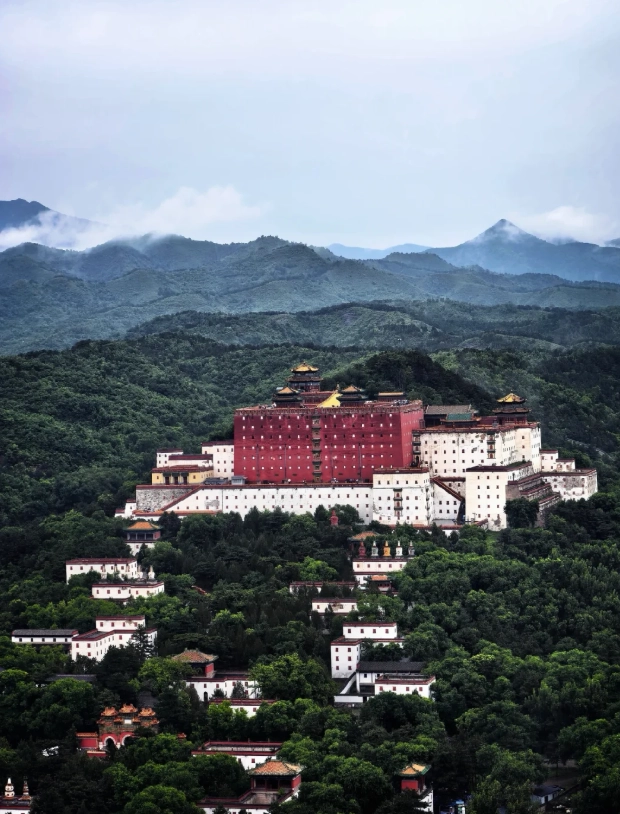
2. Jinshanling Great Wall — Hiking Without the Maddening Crowds
If you want the Great Wall without being squeezed like a can of sardines, Jinshanling is where I take every serious traveler. Unlike Badaling, which is basically a shopping mall with a wall attached, Jinshanling offers original brick, watchtowers, and rolling countryside views.
It's a 125 RMB ticket (about 18 USD), and there's also a cable car that costs around 60 RMB one-way if you're not up for the steep hike. But here's my rule: skip the cable car and walk up from the east gate. The path is gentler and gives you that cinematic reveal when you crest the first hillside. For photogs, go for the golden hour — the light hits the wall beautifully at 16:00 onwards. In summer, start by 15:30 to avoid the tourist tide heading out.
To reach Jinshanling, the easiest route is to hire a driver from Beijing for the day (around 800–1000 RMB round trip). On the public transport side, you can take a bus from Beijing's Lishuiqiao bus station to Luanping, then a local van — but that takes 3+ hours and requires serious patience. I generally advise my visitors: if you're on a tight schedule, split a private car with another couple.
Don't forget to bring your passport for the ticket check — the gate staff will need to verify your pre-purchased ticket. Again, Trip.com works well here.
Time to spend: 3–4 hours. And please, wear proper shoes. The stones are uneven, and I've seen at least three twisted ankles on that wall.
3. Shanhaiguan Pass — Where the Great Wall Meets the Sea
This is the eastern starting point of the Great Wall. It's a fortress city that literally touches the Bohai Sea. There's something poetic about seeing the wall march toward the ocean — it feels like walking to the edge of an empire.
The main site is called the 'Old Dragon's Head' — the wall that extends into the sea. Ticket is around 60 RMB for the Old Dragon's Head area. The entire Shanhaiguan town is a living museum with ancient streets, but it's quite touristy. I still remember my first time standing at the spot where the wall meets the waves — it gave me chills.
Getting here: Take a high-speed train from Beijing to Shanhaiguan station (about 2 hours, from Beijing Station). From the station, it's a 10-minute taxi ride or a local bus to the Old Dragon's Head.
Open hours: usually 8:00–17:30 in peak season. You only need 2–3 hours for the main fortress and the sea section. Pair it with a visit to the nearby Yingkou? No, that's a different province. But you can easily combine Shanhaiguan with a stop at Beidaihe Beach if you're in the area during summer — though I'd skip the beach city, it's overrated.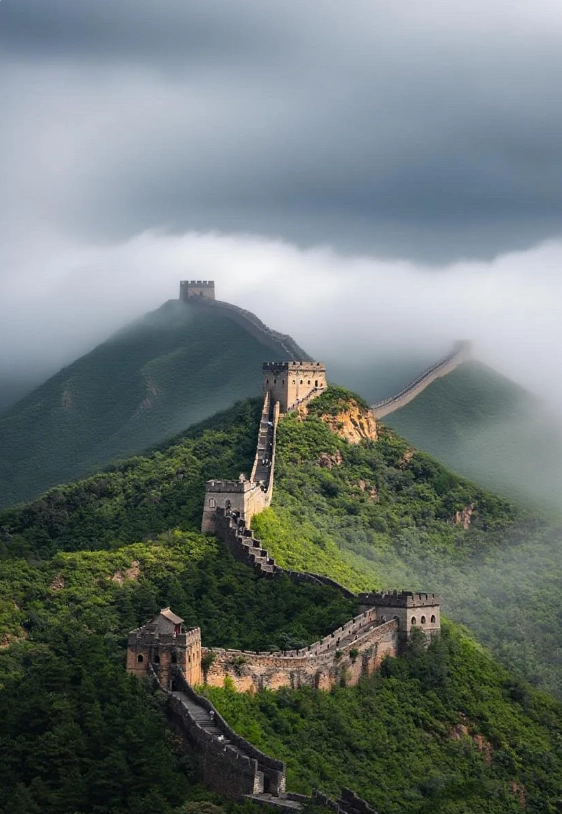
4. Ye Sanpo National Park — Hebei's Wild Side
Ye Sanpo (Wild Three Gorges) is the province's answer to nature tourism — limestone peaks, crystal-clear rivers, and the famous Baili Gorge. It's a place I recommend to clients who've already seen the cities and want to stretch their legs.
Entrance ticket is around 100 RMB, but the scenic spots inside often charge additional shuttle fees. Budget 150–200 RMB total per person. The highlight is the 20-kilometer-long gorge where you can walk on boardwalks hugging the cliff — a bit scary but incredibly refreshing.
Getting here from Beijing is a bit of a haul. Drive to Yesanpo via the Duling Expressway (about 2.5 hours). There's also a direct tourist bus from Beijing's Liangxiang area on festival days, but it's unreliable. I'd say the most realistic plan is to join a small group tour or hire a car for the day. My gut feeling: not worth the drive unless you have 2+ days to spend in the area.
Opening hours: 7:30–18:00, but remember things here close early compared to the cities. Plan to arrive before noon.
If you love hiking, this is your spot. But honestly, the easiest way to experience Ye Sanpo is to park yourself in one of the lakeside villages and watch the sunset over the canyon walls.
5. Cangyan Mountain — Cliff-Hanging Temples and Thrilling Spiral Stairs
This is the place I bring people who think they've seen everything — a temple complex literally suspended on a cliff, connected by a staircase that spirals inside the rock. It's about 200 kilometers (a 3-hour drive) southwest of Beijing, near Shijiazhuang.
Ticket is around 80 RMB, and you might need an extra 30 RMB for the shuttle bus to the climbing base. The famous bridge hall built on a stone bridge across the abyss is the iconic photo spot. What amazed me most was the historical engineering — how they carved corridors directly into the vertical cliff in the 16th century.
Bring a head for heights. I'll be honest, the ridge walk made my palms sweaty the first time. There are chains on the side, so it's manageable, but anyone with serious vertigo might want to pause at the lower temples.
Access: no direct train. I recommend renting a car in Shijiazhuang (from the high-speed rail Shijiazhuang Station) and driving about 1.5 hours. The road is well-paved. Open from 8:30 to 17:00. Allocate 3–4 hours.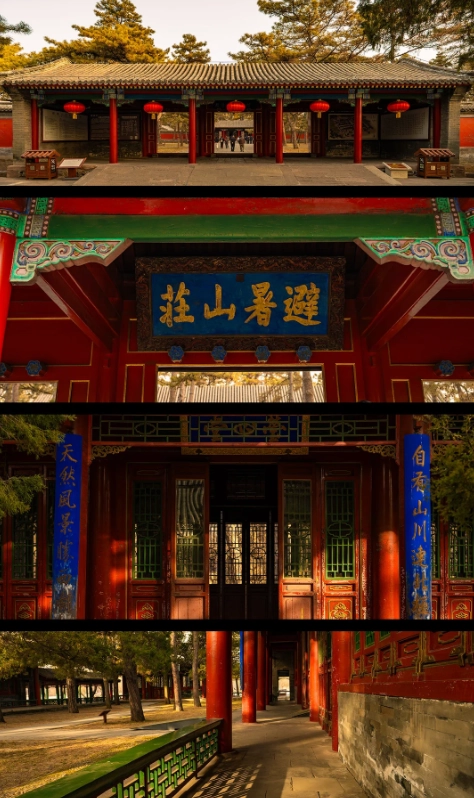
6. Zhengding Ancient Town — A Hidden Gem of Pagodas and Monasteries
Just 15 kilometers from Shijiazhuang, Zhengding is a county soaked in Buddhist history. It's home to one of the tallest bronze Buddha statues in China, plus a stunning collection of ancient pagodas. I was blown away by how unassuming this town looks from the outside.
Key sights: Longxing Temple (Lung Hsing Temple), where the 21.3-meter-tall standing Buddha still reigns inside its 1,000-year-old hall. Ticket price around 50 RMB. The Lingxiao Pagoda and other medieval towers are scattered around town – many are free to admire from the street
Getting here: Take a high-speed train from Beijing to Shijiazhuang (about 1.5 hours), then a taxi or bus to Zhengding. The town is compact, so you can walk between temples. I love ending this trip with a bowl of local savory tofu pudding at the street stalls.
Opening hours: usually 8:30–17:00. If you're on a whirlwind day trip from Beijing, you could combine Zhengding with Cangyan Mountain — but that would be a rushed 12-hour day. Better to pick one.
7. Baiyangdian Lake — The Land of Reeds and Lotus
Baiyangdian is a massive wetland famous from Chinese literature — the largest freshwater lake in North China. It's a green maze of reeds, small villages, and fishing boats. If you come in summer, the lotus flowers are so dense they seem to form a pink carpet on the water.
Boats are the only way to explore. The main pier charges a boat fee that varies by route. Expect to pay around 100–200 RMB for a small boat for a few hours. The villages on the islands are weirdly fascinating — they feel like a world frozen in the 1970s.
Getting here is a bit involved: go to Baigou or Baiyangdian station from Beijing (high-speed from Beijing West, about 1 hour to Baiyangdian), then take a local bus to the pier. The nearest station is actually Baiyangdian on the Beijing–Guangzhou high-speed line.
Opening hours: the pier operates from 8:00 to 18:00, but boat rides may stop earlier. I'd say 3 hours is enough to get the vibe. Honestly, I only recommend this if you really like flat water landscapes; it's the least spectacular of the seven on this list.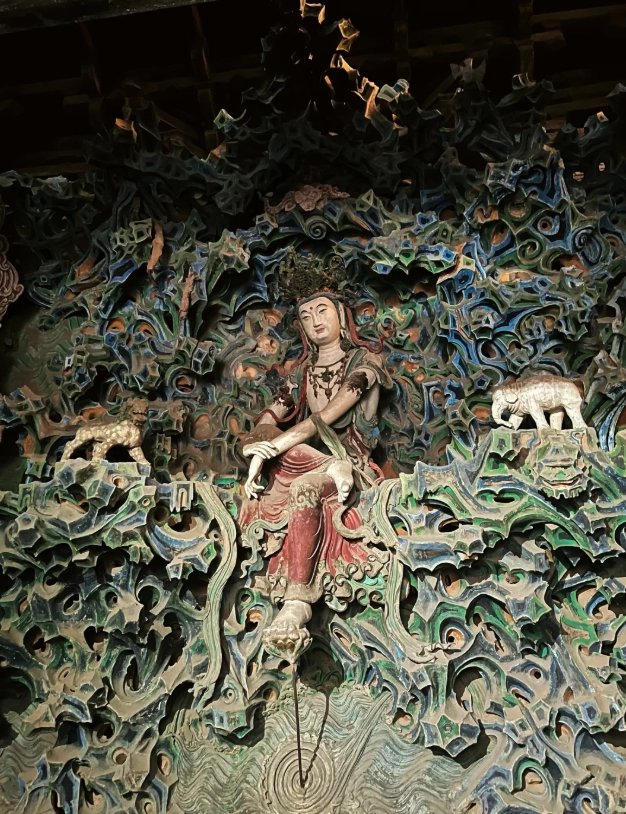
How to Plan Your Hebei Route
You won't see all seven in one trip unless you're the most aggressive traveler in the world. So here's how I arrange successful routes.
3-Day Sample Hebei Itinerary
Day 1: Beijing to Chengde (train at 8:00) → visit Chengde Mountain Resort → overnight in Chengde. Day 2: morning jinshanling Great Wall (drive 1.5h) → overnight in Luanping or return to Beijing. Day 3: pick either Zhengding or Shanhaiguan as a day trip from Beijing.
That flow keeps travel times reasonable. If you're fearless, you can do Jinshanling as a day trip from Beijing, but I always tell people to sleep near the wall for sunset and sunrise photos — it's worth it.
Alternative if you only have 48 hours: Day 1 Chengde, Day 2 Jinshanling, then back to Beijing by 21:00. You'll feel a bit tired but happy.
For the full week, add Shanhaiguan and Ye Sanpo. But honestly, each route involves some long drives. Always check the weather — in winter, some high sections of Jinshanling close due to ice.
Getting to Hebei From Beijing
| Destination | Fastest Way | Travel Time | Cost Range (RMB) |
|---|---|---|---|
| Chengde | High-speed train from Beijing Chaoyang Station | 1h30m | 100–150 |
| Jinshanling | Private car hire | 2h–2h30m | 600–1000 (whole day) |
| Shanhaiguan | High-speed train from Beijing Station | 2h | 150–200 |
| Zhengding | High-speed train from Beijing West | 1h20m | 100–150 |
| Ye Sanpo | Private car or tour bus | 2.5–3h | 300–500 (gas + tolls) |
| Cangyan Mountain | Train to Shijiazhuang + car | 1.5h train + 1.5h drive | 150–250 |
| Baiyangdian | High-speed train to Baiyangdian + local taxi | 1h train + 20min taxi | 100–150 |
I always recommend the high-speed rail for long hauls — it's punctual and comfortable. For departures, use the official 12306 or your wechat ticket service. Booking through Trip.com is also fine. Just don't rely on Google Maps for local navigation — it's inaccurate in China.
Practical Tips for Hebei Sightseeing
Payments, Tickets, and Your Passport
The biggest shock for my clients is how few places accept cash or foreign credit cards. Almost everything runs on Alipay and WeChat Pay. Before you arrive, set up one of those apps with an international Visa or Mastercard. Most visitor I get do this in 15 minutes, and it works for metro, street food, and museum tickets.
For tickets: many Hebei tourist attractions now require real-name booking with your passport. The easiest way is to use an English-friendly platform like Trip.com or Klook. If an attraction is not listed there, ask your hotel concierge to book it via the official WeChat app — they're usually happy to help, and sometimes you even get a discount.
Also: always carry your passport photocopy with you. Guards at some smaller sites may be surprised to see a foreigner and ask for the original passport. It's a normal check, not a hassle.
Navigation and Language
Google Maps simply won't function well in China. I use Apple Maps for English navigation — it surprisingly works for major landmarks. For local transit and walking directions, install AMap (GaoDe). It offers an English version now, but if it confuses you, just show the Chinese address on the app to any taxi driver. That's easier than mispronouncing a homophone.
Language is tough outside big hotels. Have a translation app ready (Apple's built-in translator is excellent). Write down key phrases on your phone: 'qu Chengde gaotiezhan' (go to Chengde high-speed station) works wonders.
And a head's up: you'll not find many ATMs inside the tourist sites. Use Alipay or WeChat everywhere. Cash is almost impossible to spend at rural ticket booths.
What to Eat in Hebei
Local Hebei cuisine is heartier than Beijing's — think lamb, noodles, and boiled dishes. When I'm in Chengde, I always hunt for 'zhua bing' (grasp pancake) and 'lamb soup with vermicelli' (yangrou fenpi).
Pro Tip: Try 'Jinshanling roast chicken' near the wall — it's a local specialty cooked in clay pots. The flavor is smoky and the chicken falls off the bone. I've never had a client not love it.
In the coastal Shanhaiguan, you'll find fresh seafood. Don't miss 'sea cucumber and spring onion' — not cheap, but memorable. For a budget meal, street stalls serve jianbing (Chinese crepes) for around 10 RMB. Just remember: most stalls only accept mobile payments, so have Alipay set up.





No comments yet.