 Bo Wu
Bo Wu
Quick Jump
- Why Hebei Deserves a Spot on Your China Trip
- Must-See Hebei Attractions: My Top 7 Picks
- How to Get Around Hebei Without Wasting Time?
- What's the Smartest Way to Plan a Hebei Itinerary?
- Where to Stay in Hebei: A Few Honest Suggestions
- What to Eat in Hebei: Local Foods You'll Crave
- FAQs About Must See in Hebei
Most overseas tourists skip Hebei. That's their loss — and your gain. I've spent the last 10 years guiding travelers through this province that wraps around Beijing, and I'm still amazed by how much it hides in plain sight. The first time I stood on the Jinshanling Great Wall, the wind cut through my jacket, and my jaw just dropped. No crowds, no tacky cable cars — just stone and mountains as far as the eye could see.
Here's the catch: many of you searching for must see in Hebei end up with either outdated blog posts or generic tour ads. I've seen couples stuck in Chengde without a hotel during peak season, and families wasting three hours at a ticket office because they didn't know about the online booking system. That's why I'm writing this — to give you the real, hands-on experience of what to visit, how to get there, and where to dodge the crowds.
Long story short: the best value in Hebei is the Great Wall at Jinshanling (not the tourist-packed Badaling) and the imperial retreat at Chengde. If you follow the advice below, you'll see them both without losing your mind.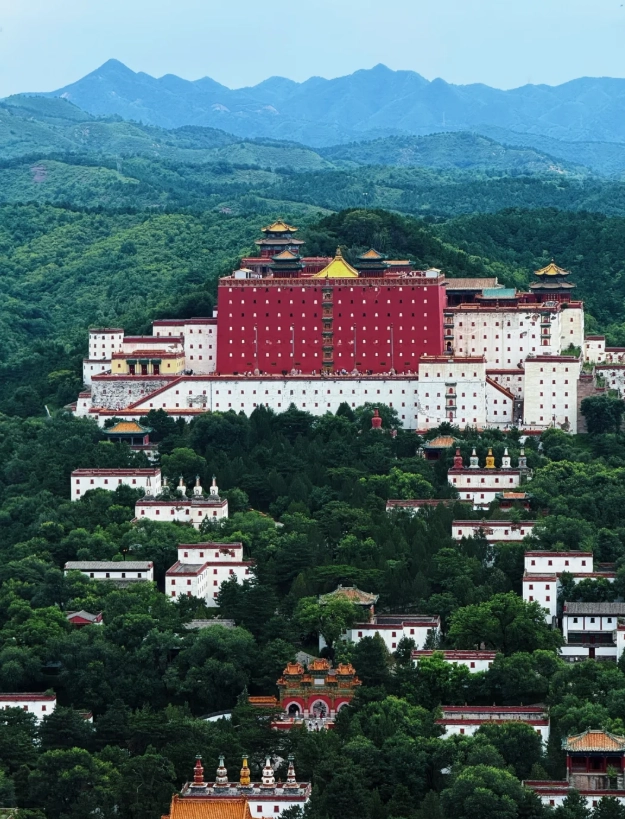
Why Hebei Deserves a Spot on Your China Trip
Hebei is barely on the average tourist's radar. It sits right next to Beijing, yet most visitors hop straight from the capital to Xi'an or Shanghai. That's a shame — because Hebei holds some of China's most significant historical and natural sites, often with a fraction of the crowds.
I remember a client who told me, 'We came for the Great Wall, but we got a quiet village, a mountain sunrise, and a sense of what the wall actually feels like.' That's Hebei. It's raw, it's authentic, and it's refreshingly unpolished.
Plus, it's shockingly easy to reach from Beijing. High-speed trains can get you to Chengde in around one hour, and Jinshanling is just a two-hour drive away. So even if you're tight on time, you can squeeze in a day trip.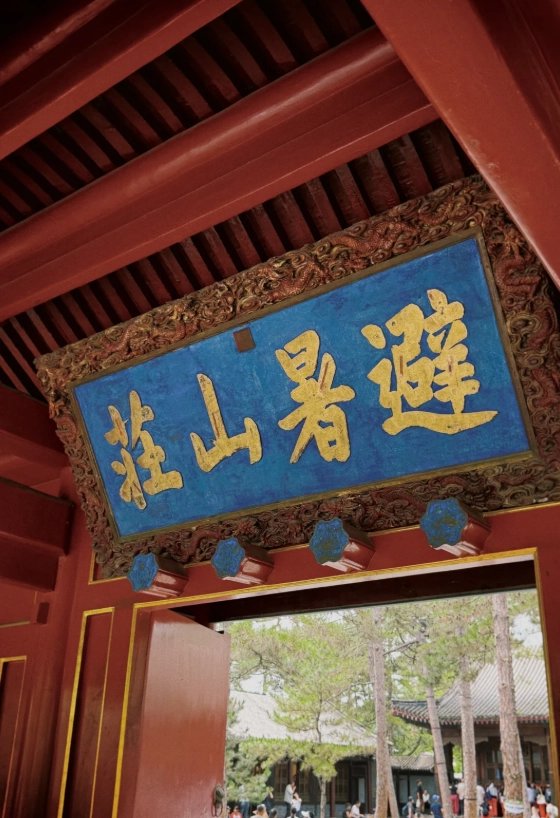
Must-See Hebei Attractions: My Top 7 Picks
Below is a comparison table with the essential details for the seven spots I recommend. Remember that prices fluctuate, so always double-check on official channels before you go.
| Attraction | Approx. Ticket Price | Opening Hours | Suggested Time | Best For |
|---|---|---|---|---|
| Jinshanling Great Wall | 65 RMB (adult) | 6:00 - 18:00 | 2-3 hours | Hikers, photographers |
| Chengde Mountain Resort | 130 RMB (adult) | 8:00 - 17:30 | Half day | History, gardens |
| Zhengding Ancient City | Free (some temples charge) | Open 24h | 3-4 hours | Architecture, Buddhism |
| Shanhaiguan Pass | 40 RMB (single pass) | 8:00 - 17:30 | 2 hours | History, coastal views |
| Baiyangdian Lake | Free (boat trips extra) | 24h | 3-4 hours | Nature, birdwatching |
| Xibaipo Revolutionary Site | Free (registration required) | 9:00 - 17:00 | 2 hours | Modern history |
| Yesanpo Scenic Area | 90 RMB (combined ticket) | 8:00 - 18:00 | Full day | Nature, rock formations |
All prices are approximate – they change with season and policies. Always confirm via the official site or your hotel.
1. Jinshanling Great Wall
Jinshanling is the postcard version of the Great Wall without the carnival crowds. I've brought groups here at 9 AM and we had entire watchtowers to ourselves. Unlike the rebuilt tourist traps, Jinshanling preserves wild sections where you can walk on original Ming-era stone. The climb is moderate, but the views are jaw-dropping.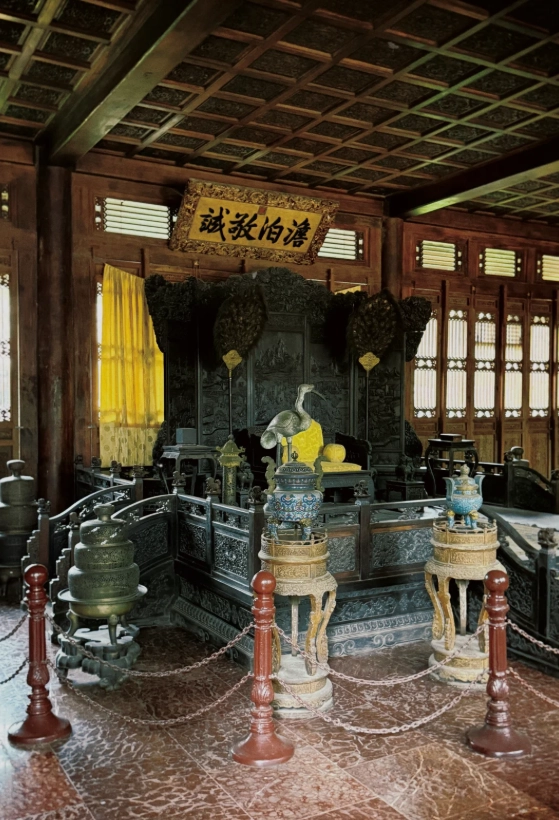
Insider Advice: Arrive before 8 AM to catch the morning light and see the wall snaking into the mist. And skip the cable car — the walk up takes only 20 minutes and gives you better photo ops.
Getting there: From Beijing, you can take a long-distance bus from Dongzhimen to Jinshanling, but the schedule is thin. Easier is to hire a private car for the 2.5-hour drive. Expect to negotiate around 600-800 RMB round trip. Alternatively, join a small group day tour from Beijing — I often book through Trip.com for hassle-free hotel pickup.
2. Chengde Mountain Resort
This UNESCO World Heritage site is the largest imperial garden in China — a mix of Chinese and Tibetan architecture that astounds even seasoned travelers. My clients always love the contrast between the lavish palaces and the rugged grasslands inside the compound. It's a half-day adventure, so pack water and comfortable shoes.
Don't miss the Putuo Zongcheng Temple, the smaller replica of Potala Palace, right next door. The two form a natural circuit. Buy a combo ticket if you want both.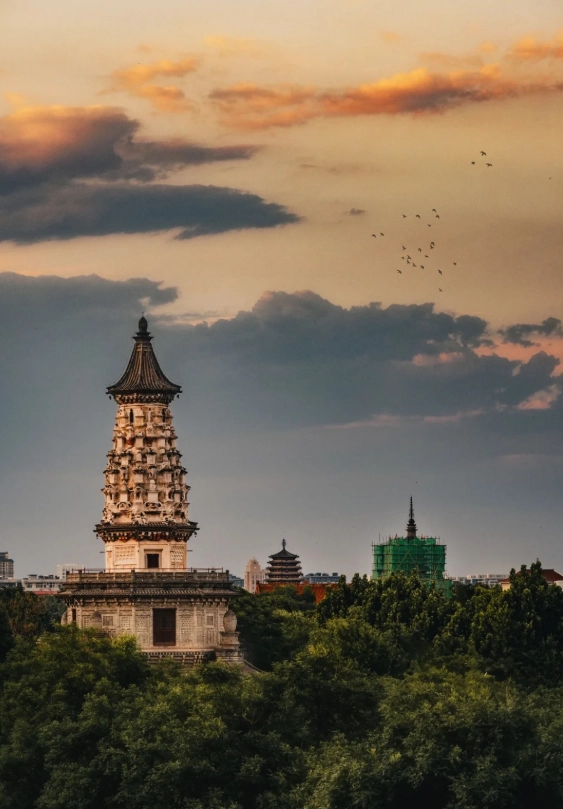
Insider Advice: The resort gets super crowded after 10 AM. Walk straight to the innermost lake area first, then work your way back to the gate — you'll dodge the tour groups.
3. Zhengding Ancient City
Zhengding is a sleepy town that packs a punch with four ancient pagodas and the enormous Longxing Temple. It's the perfect detour from Beijing for a half-day dose of Chinese heritage. The city walls are free to walk, and the old lanes transport you to a different century.
I always tell travelers to visit the Longxing Temple first, then wander the streets for lunch. The local sesame cakes are addictive.
It takes about 1.5 hours from Beijing via high-speed rail to Zhengding Station. From there, a 10-minute taxi ride drops you at the South Gate.
4. Shanhaiguan Pass
Known as 'The First Pass Under Heaven,' this is where the Great Wall meets the Bohai Sea. If you want the 'wall meets ocean' shot, this is your place. The site includes the old wall, the gate, and a museum. It's less visited by international tourists, making it a hidden gem for those who seek depth.
I once walked the entire length of the wall from the pass to the sea — about 20 minutes — and the view of the yellow sea against the old stones is unforgettable. Bring a windbreaker; it's breezy.
Train from Beijing to Shanhaiguan takes about 2-3 hours on a conventional or high-speed train. From the station, a 15-minute taxi ride gets you to the pass.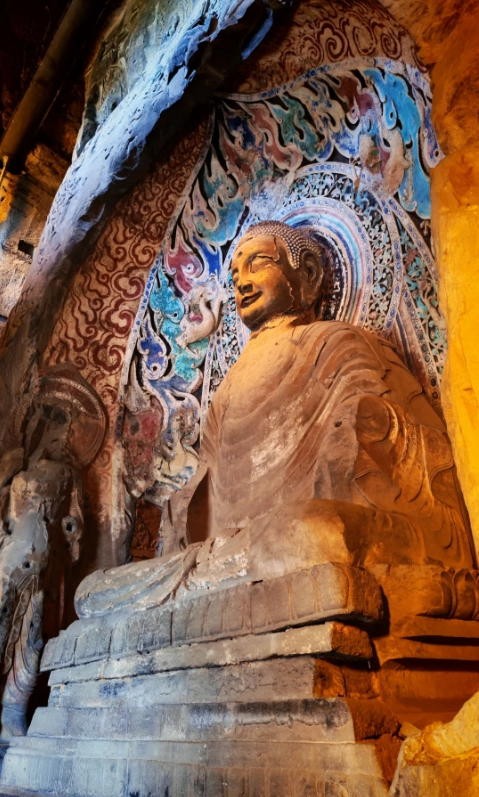
5. Baiyangdian Lake
This vast wetland in Anxin County is the heart of northern China's water villages. Bamboo punts glide through lotus fields, and farmers sell salted duck eggs from their boats. It's a tranquil escape from the city buzz, perfect for a slow day.
Take a boat trip to the village islands — you'll see how locals live on the water. The best time is summer when the lotus blooms, but spring and autumn are nice too.
Getting there: From Bailangdian (Baiyangdian) Railway Station, take a bus or taxi to the dock. Boats are rented by the hour; negotiate before after.
6. Xibaipo Revolutionary Site
This is where Mao Zedong oversaw the final steps of the Chinese Revolution before entering Beijing. It's a pilgrimage site for modern history buffs and surprisingly serene. The whole area is a museum complex, with Mao's former residence and a memorial hall. Admission is free, but you must bring your passport to register at the entrance.
It's not high on most tourists' lists, but the historical significance is undeniable. If you're into the political layers of China, don't skip it.
Xibaipo is about 2 hours from Shijiazhuang by car. There's no direct train; consider a private car charter from Shijiazhuang.
7. Yesanpo Scenic Area
Yesanpo is a collection of wild gorges and karst peaks, home to the famous Baili Gorge (百里峡). It's a day-trip paradise for outdoor lovers. I've hiked the 2,800 steps of Tianchi and the boardwalk along the stream — the emerald pools and waterfalls are a cool break from northern heat.
Many locals compare it to a mini Guilin. It's a bit far from Beijing (2.5-hour drive), but the canyon views are worth it. Combine it with a visit to the nearby Tanzhe Temple if you're staying overnight.
High-speed rail to Laishui station, then a taxi to the scenic area. Actually, a chartered car from Beijing is the most flexible option. Expect to pay around 800-1000 RMB for the day.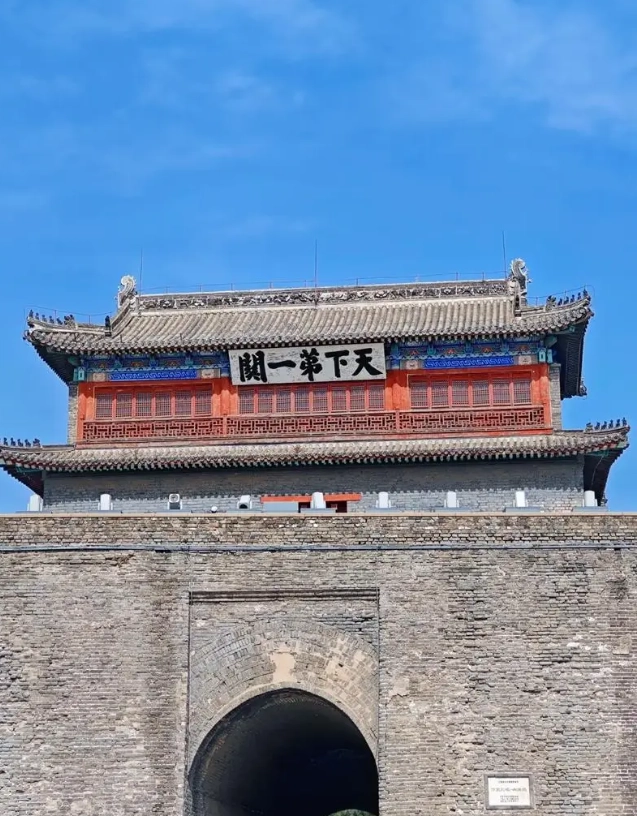
How to Get Around Hebei Without Wasting Time?
Hebei has a decent network of high-speed trains and highways, but not all attractions are directly connected. Here's what I've learned from years of moving people around the province:
The biggest time-saver is to use Beijing as your base and take day trips. For Jinshanling, Chengde, and Zhengding, high-speed rail is your friend. For Shanhaiguan and Yesanpo, consider renting a private car or joining a small tour.
- High-speed rail (高铁): Book tickets on the official China Railway website or via Trip.com in English. You'll need your passport number to book. Trains from Beijing to Chengde take roughly 1 hour; to Zhengding about 1.5 hours; to Shanhaiguan about 2 hours.
- Long-distance buses: These are cheaper but slower. They work for Jinshanling (from Dongzhimen) and Baiyangdian, but schedules are limited. Always buy tickets at the station or online.
- Private car with driver: For remote spots like Xibaipo or Yesanpo, this is the least stressful option. Your hotel can often arrange a driver for the day. For two or more people, it's often similar in price to train tickets plus taxis.
One thing that catches many tourists off guard: Alipay and WeChat Pay are the default payment methods everywhere. Some private drivers or small local vendors don't accept international credit cards. I always remind my clients to link their international bank card to Alipay before arriving (it's quick via the app). If that's not possible, carry 200-300 RMB in cash for small purchases — most larger hotels and restaurants accept cards.
What's the Smartest Way to Plan a Hebei Itinerary?
People often ask me to design a 'must see Hebei' loop. The tricky part is that attractions are scattered, so you don't want to zigzag across the province. Here's a sensible 3-day approach:
Day 1: Jinshanling Great Wall + Chengde. Start early from Beijing, head to Jinshanling for 3 hours, then continue to Chengde (about 2-hour drive). Stay overnight in Chengde.
Day 2: Chengde Mountain Resort and temples. Spend the full morning at the resort, afternoon at Putuo Zongcheng. Then take the high-speed train back to Beijing, or stay another night and catch the train to Zhengding the next morning.
Day 3 (plus extra day): Zhengding and/or Baiyangdian. From Beijing, take a morning train to Zhengding, explore the ancient city until mid-afternoon, then return to Beijing. If you have a fourth day, swap Zhengding for Baiyangdian or Shanhaiguan.
If you're short on time, prioritize Jinshanling and Chengde — they're the crown jewels. I've had clients do Jinshanling as a day trip from Beijing and it's doable, though you'll rush a bit.
Also consider the weather: Hebei gets hot and humid in July, so plan outdoor activities for mornings. In winter, the wall may be icy but trails are still open — just bundle up.
Before you head out, check your visa status on the National Immigration Administration website.
Where to Stay in Hebei: A Few Honest Suggestions
Your base makes all the difference. Here are three smart options:
Chengde: Stay near the mountain resort if you want to wake up early and beat crowds. The Puyuan International Hotel (普乐国际酒店) is a reliable mid-range choice, with decent Wi-Fi and breakfast. Expect around 300-500 RMB per night.
Shijiazhuang: As the provincial capital, it has a wide range of hotels. For a classy stay, try the Grand Millennium (石家庄富力万豪国际酒店) — it's about a 20-minute taxi from the train station. Great if you're visiting Xibaipo or Zhengding.
Beijing as base: If you're planning day trips, staying in Beijing's Dongcheng district gives you quick access to major rail stations. It's easy to take the subway to Beijing South or Beijing West for your Hebei trips.
One tip: in smaller towns like Zhengding or Shanhaiguan, look for family-run guesthouses. They're usually friendly, offer home-cooked meals, and often have staff who can help you buy train tickets.
What to Eat in Hebei: Local Foods You'll Crave
You can't leave Hebei without trying 驴肉火烧 (donkey meat sandwich). It's a flaky flatbread filled with spiced donkey meat — savory and aromatic. Pair it with a bowl of 鸡蛋汤 (egg drop soup) or a local tofu dish.
In Zhengding, grab 马家烧鸡 (Ma family roasted chicken) — I've seen locals queue for hours. The chicken is smoked, juicy, and falls off the bone.
In Chengde, try the 八大碗 (eight big bowls) – a set meal of hearty meat and vegetable stews that reflect Manchurian cuisine. And don't forget the 板栗 (chestnuts) from Fengning; they're sweet and buttery.
For restaurants, use the Dianping app (Chinese Yelp) to read reviews. Most menus have pictures, so pointing works when you don't speak Chinese. Always ask for 不辣 (no spice) if you can't handle heat.
FAQs About Must See in Hebei
Verified and fact-checked by the editorial team.





No comments yet.