 Chen Liu
Quick Navigation
Your first spoonful of hu la tang will make you gasp. Not because it's painful — the burn sneaks up from somewhere deep in your chest. I once watched a visitor from Texas finish a bowl, sweat rolling down his forehead, then signal the stall owner for a second.
When travelers search for "what to eat in Henan," they usually expect the sweet and sour pork found in takeout boxes. They're wrong. Real Henan food is a heavy, peppery, grain-forward cuisine built by farmers, railway workers, and cold winters along the Yellow River. You won't find this in your local Chinese restaurant. And that's why you need this guide.
Here's the shortcut: start with one bowl of hulatang, one plate of soup dumplings, and one giant bowl of huimian. Do that and you've tasted the soul of the province. Now let me serve you the full list.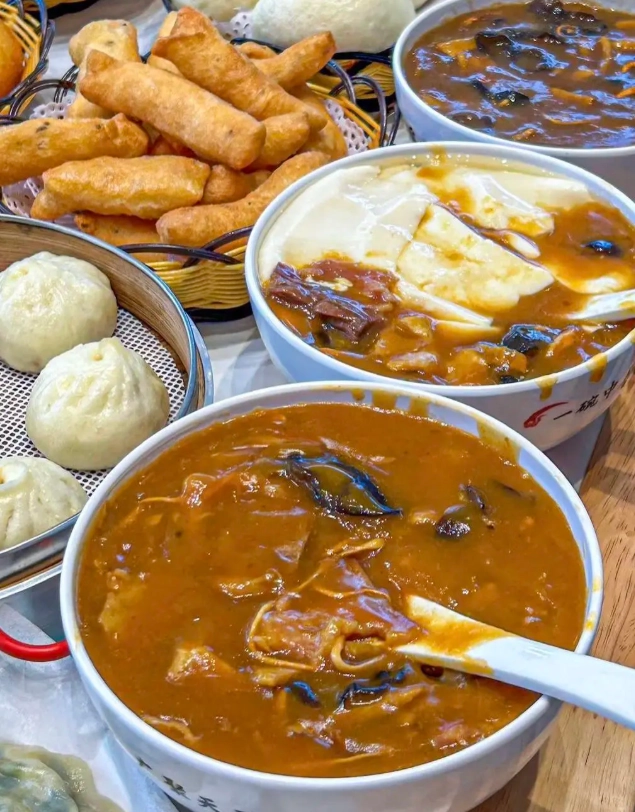
The 10 Dishes That Define Henan Food
I've narrowed down the province's menu to ten dishes you simply must try. Scan the table first for the key facts, then read my detailed notes below.
| Dish | English Nickname | Spice Level | Must-Try City | Price Range (per person) |
|---|---|---|---|---|
| Hu La Tang | Spicy Pepper Soup | Medium | Zhengzhou | 5-10 CNY |
| Hui Mian | Braised Noodle Soup | Mild | Zhengzhou | 15-25 CNY |
| Kaifeng Guan Tang Bao | Soup Dumplings | Mild | Kaifeng | 20-30 CNY per basket |
| Luoyang Shui Xi | Water Banquet | Mild to Medium | Luoyang | 80-150 CNY |
| Dao Kou Shao Ji | Braised Chicken | None | Any city | 30-50 CNY |
| Chao Liang Fen | Fried Bean Starch | Medium | Kaifeng | 6-10 CNY |
| Da Dao Mian | Cleaver Noodles | Mild | Kaifeng | 10-15 CNY |
| Zhi Ma Ye Mian Tiao | Sesame Leaf Noodle | None | Villages & home kitchens | Not on menus often |
| Dou Mo | Soybean Porridge | None | Zhengzhou | 3-5 CNY |
| You Mo Tou | Fried Dough Bits | None | Zhengzhou | 2-4 CNY per piece |
1. Hu La Tang (胡辣汤)
Hu la tang is the fiery glue that holds Henan breakfast together. It's a thick brown soup loaded with beef shreds, gluten sheets, black fungus, and a shock amount of white pepper. The first sip hits your throat like a warm punch. It's not Sichuan-numbing, but it wakes up every nerve. Locals pair it with you mo tou (fried dough balls) or shaobing (sesame flatbread). I always order an extra scoop of chilli oil — the heat becomes addictive.
Where to start? Any breakfast stall with a queue. If you see a line of people holding plastic bowls and looking serious, join it. This is not the time for the quiet restaurant that you're the only guest in.
2. Hui Mian (烩面)
Hui mian is the dish that defines Henan for outsiders. These hand-pulled wheat noodles — often two centimeters wide — come in a bone broth that's been simmered for at least six hours. The bowl is packed with sliced lamb, goji berries, wood ear mushrooms, and spring onions. Every region has its own twist; my favorite is the lamb version in Zhengzhou, served with a dish of pickled garlic. Warning: the portion is huge. I once saw a grown man surrender after half a bowl.
Order it for lunch when your stomach is ready for something heavy. If you're on a budget, it's still one of the best-value meals in the province.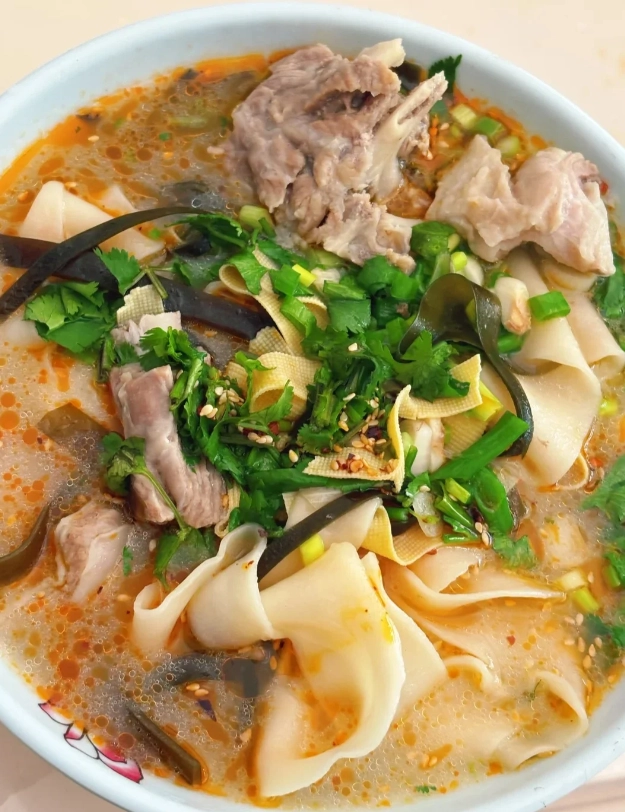
3. Kaifeng Guan Tang Bao (开封灌汤包)
These soup dumplings are a lesson in patience. Bite a tiny hole, sip the hot broth, then dip the skin into dark vinegar and eat. The best ones come straight from the bamboo steamer at legendary places like First Building Restaurant (第一楼) in Kaifeng. The skin is paper-thin, almost translucent. Fillings are a mix of pork, scallion, and super-savory gelatin that melts into soup when steamed. One basket (10-12 pieces) is enough for one. Don't leave Kaifeng without trying them.
Pro tip: the dumplings are hot inside long after you think they've cooled. I've burned my tongue three times because I rushed. Give them 30 seconds.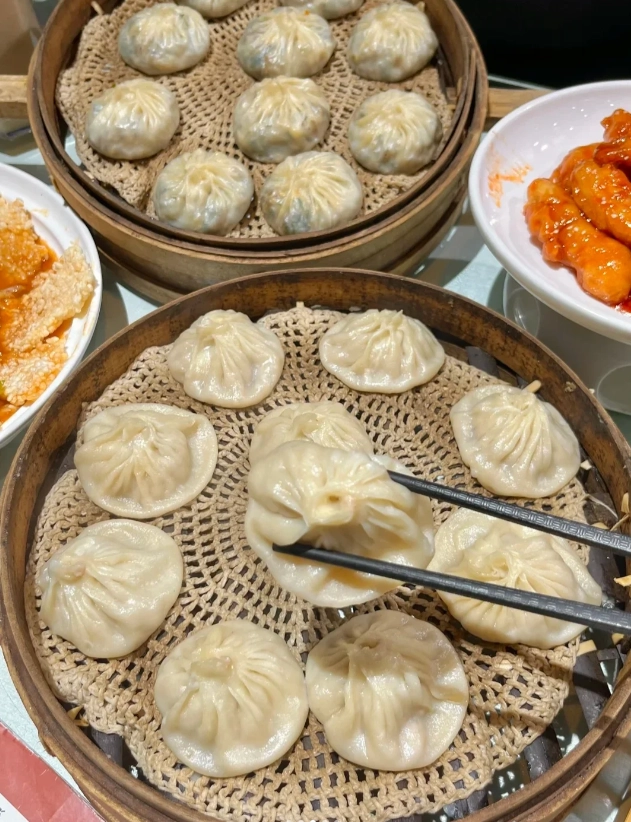
4. Luoyang Shui Xi (洛阳水席)
The Water Banquet is not a dish — it's a ceremony. This traditional Luoyang feast consists of 24 courses, served one after another like a flowing river. Every course is 'wet' — either soup, stew, or poached. The palate journey is a mix of sour, spicy, and savory. The most famous dish is 'Yan Cai' (yanyu bread), but the opening soup, 'Dong Mo', is the one that sets the tone. It's a sour, peppery, and slightly sticky soup that surprises everyone. A full banquet needs at least four people and three hours. If you're a solo traveler, order 'Xiao Shui Xi' — a smaller set with about 8 to 10 course items.
I always tell visitors: don't worry about eating everything. The experience is about pacing and sharing.
5. Dao Kou Shao Ji (道口烧鸡)
This braised chicken is all about the spice blend and slow cooking. It's served cold, sliced into pieces with deeply golden skin and meat that falls off the bone. The authentic versions come from Daokou town in Anyang, but you'll find it at railway stations across the province. Buy it from a shop that has wrapped chickens displayed on a counter, not from a cart with a big sign. My go-to test: the chicken's bones should crack easily when you bite into them — a sign it's been cooked until truly tender.
It's a great snack to carry on a train ride. Pair it with canned beer and you'll feel like a local.
6. Chao Liang Fen (炒凉粉)
Chao liang fen is what Kaifeng smells like after dark. These cubes of translucent bean-starch are fried with garlic, soybean paste, and scallions until their outsides turn crispy and brown. The inside stays soft, like a savory jelly. At the Drum Tower Night Market, vendors scrape the hot mass onto a plastic plate, dollop on chilli sauce, and hand you a toothpick. It's messy, cheap, and ridiculously satisfying. I always ask for a little extra 'guo qia' (the crispy crust) — that's the best part.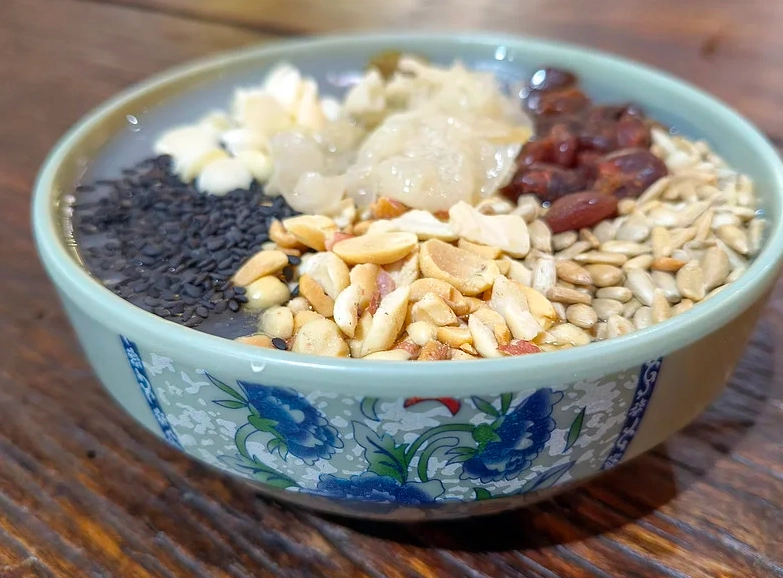
7. Da Dao Mian (大刀面)
Da dao mian gets its name from the massive cleaver used to shave wide ribbons of dough into boiling water. Watching the cook do it is a skill you'll not see in many other places. The noodles are often served in a light pork broth with bok choy and a dollop of hot oil. The dough is chewy and satisfying. The trade is slowly dying — fewer young chefs learn it. If you find a shop with an old master behind the wok, stop everything and stand there to watch first.
8. Zhi Ma Ye Mian Tiao (芝麻叶面条)
This is the dish that grandmothers make in Henan. Dried sesame leaves are soaked overnight, then cooked with hand-cut noodles in a broth that's often flavored with garlic and a drizzle of sesame oil. It tastes like greens, comfort, and earth. It's rarely on tourist menus, so you might need to ask at a countryside homestay or a small local eatery. If you get the chance, this is the most soulful bite in the province.
9. Dou Mo (豆沫)
Dou mo is a smooth, savory porridge made from soybeans and a few grains. It's a common companion to hu la tang at the same breakfast stalls. Mild, thick, and warm, it's the perfect gate for those who aren't ready for pepper storms. I order it alongside you mo tou and dip the dough into the porridge. The result is salty, slightly sweet, and very comforting.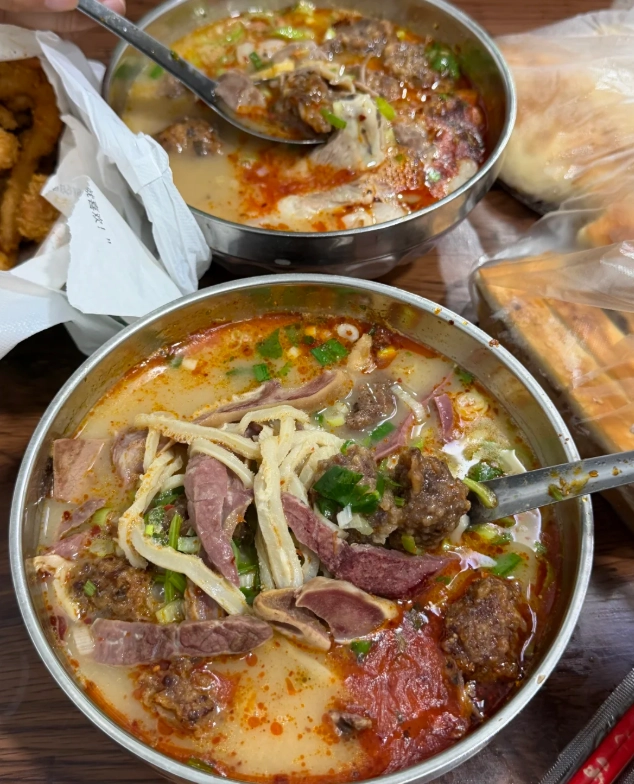
10. You Mo Tou (油馍头)
You mo tou are the ultimate breakfast side. These ragged lumps of fried dough are crispy on the outside, fluffy inside. The best ones come straight out of the hot oil, so wait for the fresh batch. Slip one into your hu la tang to soak up the broth, or eat it plain. They're sold by weight; just point and say 'wu kuai' (five yuan).
What to Eat in Zhengzhou, Kaifeng & Luoyang
Henan is huge. As you plan your food route, you'll be crossing a province famous for both ancient history and regional flavors. It's also home to UNESCO-listed sites like the Longmen Grottoes, recognized by the UNESCO World Heritage Centre. If you're travelling between these cities, hop on the high-speed rail and grab tickets on the official China Railway website.
Now let me save you hours of wondering. These are the neighborhoods I regularly bring my guests to.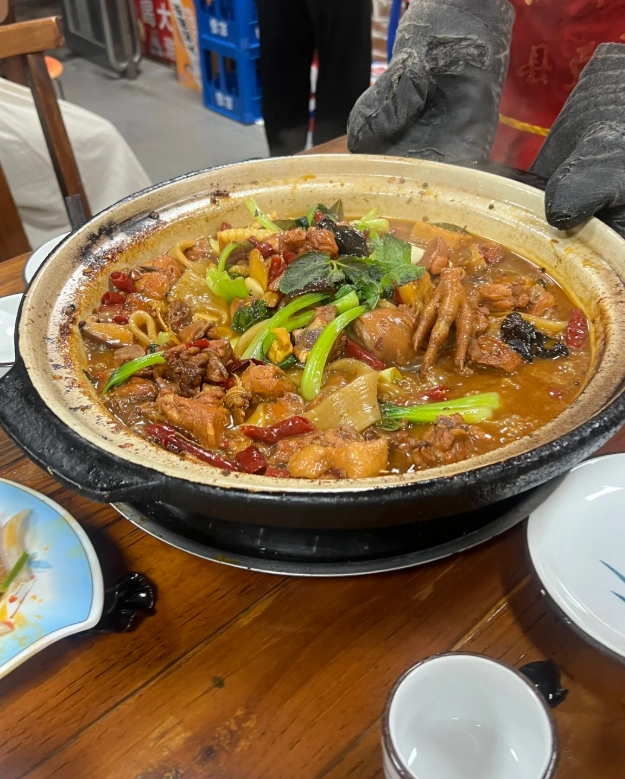
Zhengzhou: Breakfast Street and Muslim Quarter
The best breakfast street in Zhengzhou is Shunhe Road (顺河路) near the city center. Set your alarm for 6:30 AM — the stalls are already roaring. You'll see families on e-bikes stopping for bowls of hu la tang, you mo tou, and jianbing (a crispy egg crêpe). For a sit-down lunch, head to the Muslim district around Renmin Road. The cumin-scented lamb kebabs and boiled lamb noodles are superb. The exact restaurant names change, but the lines don't lie.
Kaifeng: Night Market Paradise
Kaifeng's night markets put most cities to shame. The Drum Tower Night Market (鼓楼夜市) is the crown jewel. Show up around 6 PM and follow the smoke. Chao liang fen, shaobing, and chicken skewers are everywhere. For soup dumplings, I always guide people to the First Building (第一楼) restaurant. There's a branch on Zhongshan Road, but the original near the Drum Tower is the one to visit — walk, don't drive, because scooters take over the street at night. And don't skip ba bao fan (八宝饭), the sticky rice dessert.
Luoyang: Water Banquet and Old Town Snacks
Luoyang's food is a lesson in imperial history. The famous Shui Xi banquet is best experienced at Zhen Butong (真不同) near the old city. If you can't commit to the full 24 courses, the restaurant offers a mini version with eight dishes. After the feast, wander around Lizheng Gate and look for street stalls selling 'Lao Cheng' soup noodles and rose-flavored cakes. The city is gentler on the palate than Kaifeng — you'll find more herbal and sour flavors.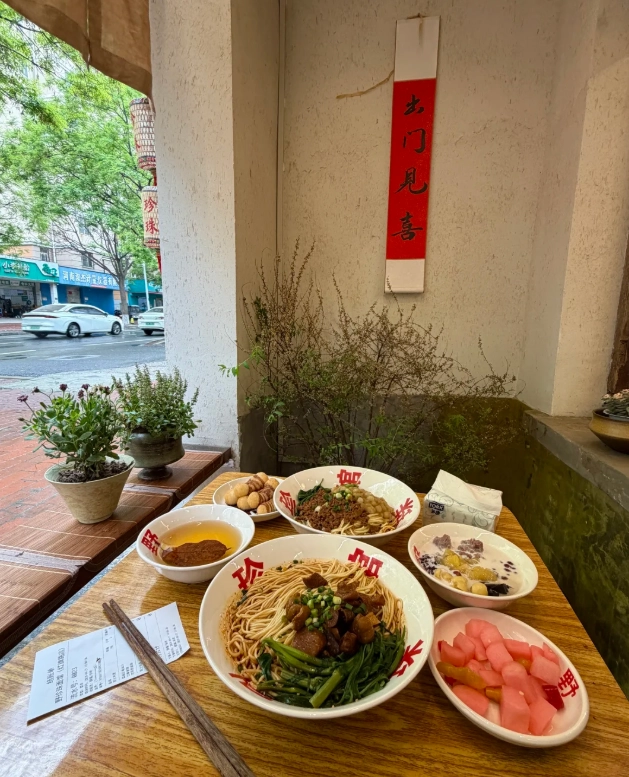
What Should Foreigners Know Before Eating in Henan?
Now for the practical stuff that my guests always need to know.
Payment and Reservations
Most food stalls and many restaurants are cashless. They only accept Alipay or WeChat Pay. Your international credit card won't work at a street cart. Set up these apps before you arrive or accept that you'll need a Chinese friend to pay. The good news is that more upscale restaurants and hotel-fronted places accept foreign cards. For the latest on entry and visa rules, I always point people to the official National Immigration Administration website.
Navigation and Language
Forget Google Maps — it will lead you to a parking lot. Use Apple Maps for basic routing or download AMap (高德地图) and switch it to English. When you take a taxi, show the driver the Chinese characters for your destination saved in a note. Almost every restaurant has a photo menu on the wall, so pointing works. If not, type the dish name into your phone and show the picture.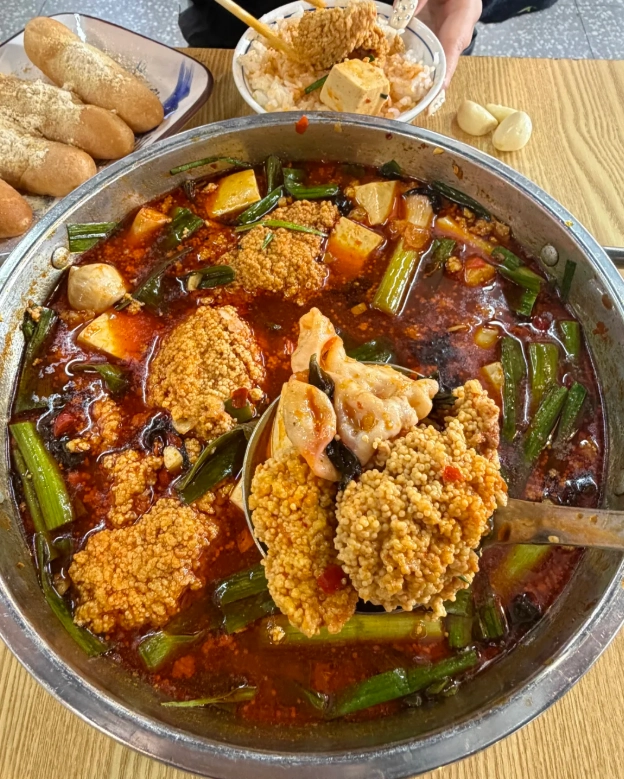
Booking in Advance
For popular dinner spots, reserve ahead. Use Trip.com or the restaurant's own WeChat account. I've seen tourists wait 40 minutes for a table at First Building when a reservation would have saved them. Mid-trip, you can also ask your hotel concierge to call — am hourly staff will do it happily.
Dietary Needs
Vegetarian options exist, but you have to be direct. Say 'bu yao rou' (no meat) and point at vegetables. For halal travelers, look for restaurants with a green sign with the Arabic '清真' characters — those are halal. Henan has a significant Muslim community, so you won't struggle.
Is Henan Food Spicy? A Flavor Profile
Not in the Sichuan sense. Henan food leans on black pepper and mace rather than dried chilies. The burn is a gradual tingle, not a fire alarm. Most dishes are savory, earthy, and brothy. Here's how the heat levels stack up:
- Hu La Tang — hot from white pepper, but you can request 'shao la' (less spicy).
- Hui Mian — naturally mild; chilli oil is served on the side.
- Chao Liang Fen — medium to high, because the fried garlic and bean paste pack a punch.
- Luoyang Shui Xi — sour, then spicy, then heavy.
Insider Advice: When in doubt, order 'shao tian la' — barely spicy. You'll earn the respect of the staff immediately.
How to Do a One-Day Food Crawl in Kaifeng
This is the route I've refined after dozens of personal trips. It's optimized for both food and sightseeing. Here's the timeline:
- 8:00 AM — Start at the small breakfast street next to the Iron Pagoda (铁塔公园). Grab a bowl of hu la tang and a couple of you mo tou. You'll be fortified.
- 10:00 AM — Walk to the Bao Zheng Lake area cause it's close by food stalls. Dip into a local bakery for a sesame seed cake.
- 12:30 PM — Lunch at the First Building (第一楼) on Zhongshan Road. Order one basket of soup dumplings and a plate of spinach with peanut sauce.
- 3:00 PM — Hunt down a stall selling da dao mian near the Drum Tower. Watch the cleaver work while you eat.
- 5:30 PM — Head to the Drum Tower Night Market. Eat chao liang fen, followed by a fruit-stuffed fermented rice soup.
- 8:00 PM — Finish the night with almond tofu dessert (杏仁豆腐) and a gentle walk back to your hotel.
Pro tip: If it rains, the night market still operates under large tarps. Don't let a little water stop you — just wear shoes you don't mind splashing.





No comments yet.