 Hui Lin
Quick Navigation — Skip to Your Craving
- Why Datong Food Deserves Your Attention
- What to Eat in Datong: 8 Dishes You Can't Skip
- Best Restaurants in Datong: Where I Take My Clients
- What to Eat in Datong on a Budget?
- How Do I Order and Pay at Datong Restaurants?
- One-Day What to Eat in Datong Itinerary
- What to Eat in Datong with Dietary Restrictions
- FAQ: Common Datong Food Problems, Solved
Let me guess—you're here because 'what to eat in Datong' turned up a bunch of generic listicles. Yeah, I've seen them. And honestly, they're not exactly wrong, but they're also not enough. I've been leading food tours in this city for years. I know which noodle shop gets the locals fired up and which 'famous' restaurant is riding on past glory. So here's the real deal: Datong's food is heavy, savory, and unapologetically meaty—but it's also full of surprising texture and flavor. The trick is knowing where to go and what to order.
Now, before I dive in—one golden rule: follow the locals. If a restaurant is packed with residents at 7pm, grab a seat. If it's trying to lure tourists with English menus and glossy posters, walk away. That's the whole meta game.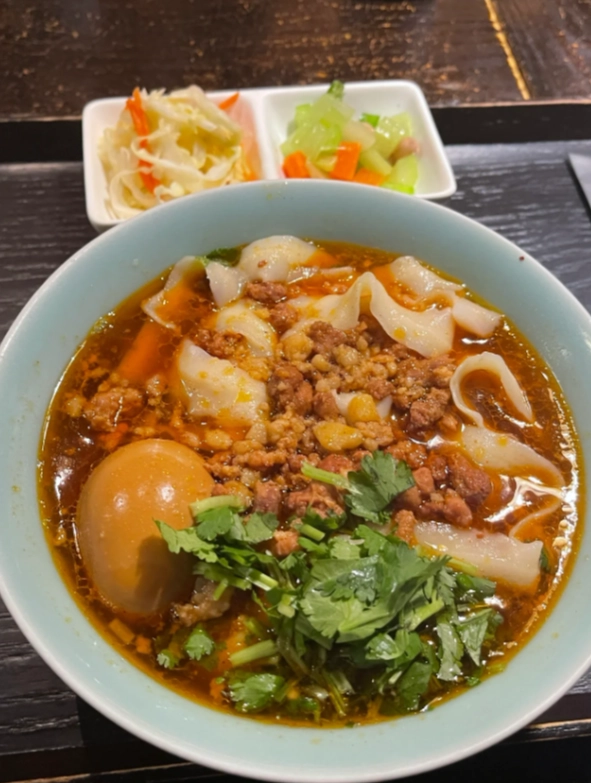
Why Datong Food Deserves Your Attention
Datong sits at the northern edge of Shanxi province, where the cuisine takes a sharp turn from the sweeter, southern-style food. The climate is dry and cold in winter, so the kitchens here turn to heavy, warming, carb-loaded dishes. Think silky wheat noodles, mutton broth, and oat-based creations you won't find elsewhere in China. Most visitors come for the Yungang Grottoes, that epic UNESCO World Heritage set of Buddhist caves. But after a few hours of walking those ancient corridors, your stomach will start complaining. That's when Datong's food scene saves the day. It's rustic, honest, and often brilliant—if you order the right things. The best part? Prices are still low compared to Beijing or Shanghai. You can eat a filling meal for 20 RMB, or splurge on a traditional banquet for under 150 RMB. For a foreign traveler, that's a win.
What to Eat in Datong: 8 Dishes You Can't Skip
Here's my shortlist—the dishes I make every client try, even the picky ones. I've grouped them by category and added the local names so you can point at the menu.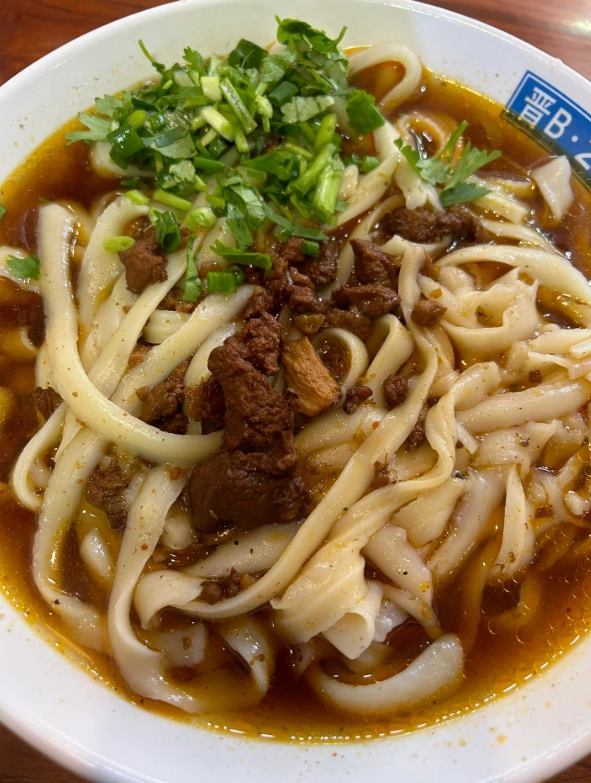
1. Knife-Cut Noodles (Dāo Xiāo Miàn)
This is the dish Datong locals eat for breakfast, lunch, and late-night snacks. A block of dough is held in one hand while a special knife shaves ribbons directly into rolling water. The resulting noodles are long, uneven, and have a fantastic chewy texture. The most common version is served in a rich pork broth with bits of minced meat and cilantro. I always add a splash of locals' special chili oil—it's smoky, not just hot. Where: look for places with steam rising from a huge wok near the door and plastic stools out front. My go-to is 东方削面 (Dōngfāng Xiāomiàn), a local chain. Several branches dot the city; the one near Xiaonanmen is consistently good. A massive bowl cost me about 15 RMB.
2. Shaomai (Scallion-Topped Steamed Dumplings)
Despite the name, Datong's shaomai are nothing like Cantonese dim sum. Here, they're large, open-topped dumplings stuffed with pork and chopped scallions, often flavored with mutton or beef. The pleated 'flowers' on top are subtly egg-washed, giving a lovely golden color. The filling is juicy, and locals eat them with a splash of vinegar and fresh chili paste. I always order a basket at 紫泥369粗粮季 (Zǐní Sān Liù Jiǔ)—the skin is noticeably thinner and silkier than most. It's in the ancient city area, near the Drum Tower. Expect to pay around 8–12 RMB for a steamer of five to eight depending on size.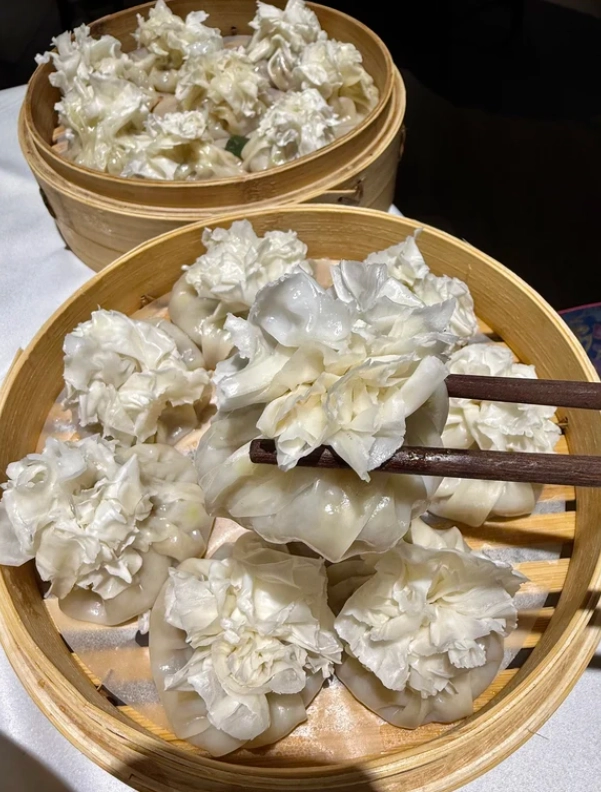
3. Hunyuan Cold Noodles (Húnyuán Liángfěn)
These wobbly, pale noodles are made from potato or mung bean starch and served cold—a shock in a region obsessed with hot food. The magic comes from the toppings: spicy red oil, crushed garlic, mustard, and sometimes a sprinkle of crispy soybeans. They're wonderfully refreshing after a heavy lamb meal. The texture is slippery and jelly-like, so don't try to be graceful with chopsticks—just surrender. You'll find vendors selling this in the city, especially in the old town. One of the best I've had is at a tiny stall near the Drum Tower; just follow the queue of locals holding small white bowls.
4. Mutton 'Miscellaneous' Soup (Yáng Zá Gē)
This is the ultimate winter warmer: a hearty broth loaded with lamb offal, potatoes, and sometimes oat noodles. The name literally means 'mutton chop' but the locals simply call it yang za. It's a soul-warming bowl that finishes with white pepper and fresh cilantro. If you're squeamish about organs, ask for a version without liver or kidneys, but at least try the broth. I usually take clients to 老柴氏羊杂 (Lǎo Chái Shì Yáng Zá) near the city wall. It's a no-frills place that only does one bowl, and they do it well. One bowl plus a flatbread will set you back about 25 RMB.
5. Oat Noodles or 'You Mian' (莜面)
Oat is a northern Chinese grain that thrives in the cold, and Datong cooks have turned it into an edible craft. The most common form is yóumiàn kǎolǎolǎo, where oat dough is twisted into thin rolls and steamed, then served with a rich dipping sauce—usually minced lamb or tomato-egg. The texture is a bit like ridged pasta and the flavor is nutty. You'll see this on many restaurant menus, but the most authentic version I've found is at 北魏家宴 (Běi Wèi Jiā Yàn), a popular family-run spot outside the old town walls. Eat it with a spoonful of the spicy lamb sauce and thank me later.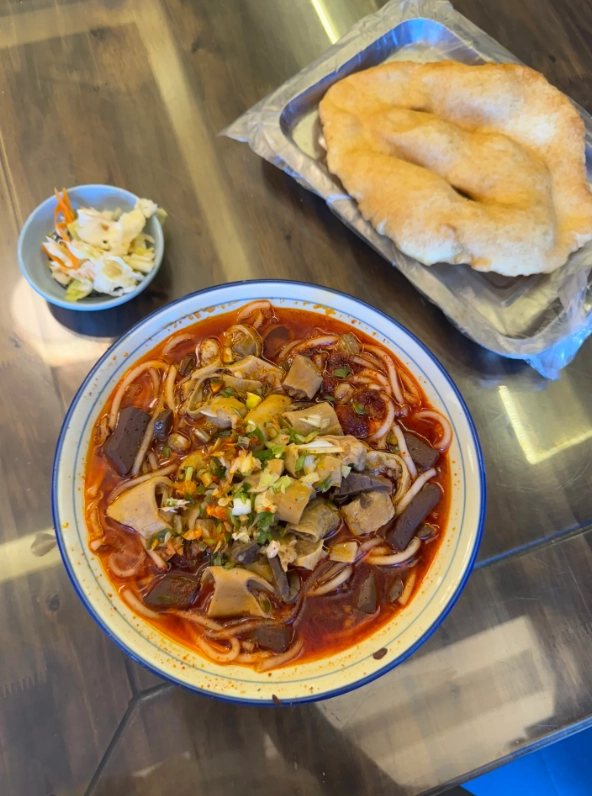
6. Rabbit Head (Tùtóu)
Yes, really—rabbit head is a Datong specialty, and it's surprisingly addictive. The rabbit head is braised until the meat falls off the bone, then tossed with chili, Sichuan pepper, and a secret spice blend. It's not as scary as it sounds; you just pick at the cheeks and tongue, which are the tenderest bits. It's a great dish to share with someone who's more adventurous. I know this one isn't for everyone. If you're into trying it, look for a small stall in the evenings near the Drum Tower food street. There's a guy who grills them over charcoal—ask for 'yī gè tùtóu' and he'll know.
7. Datong Copper Hot Pot (Tóng Huǒ Guō)
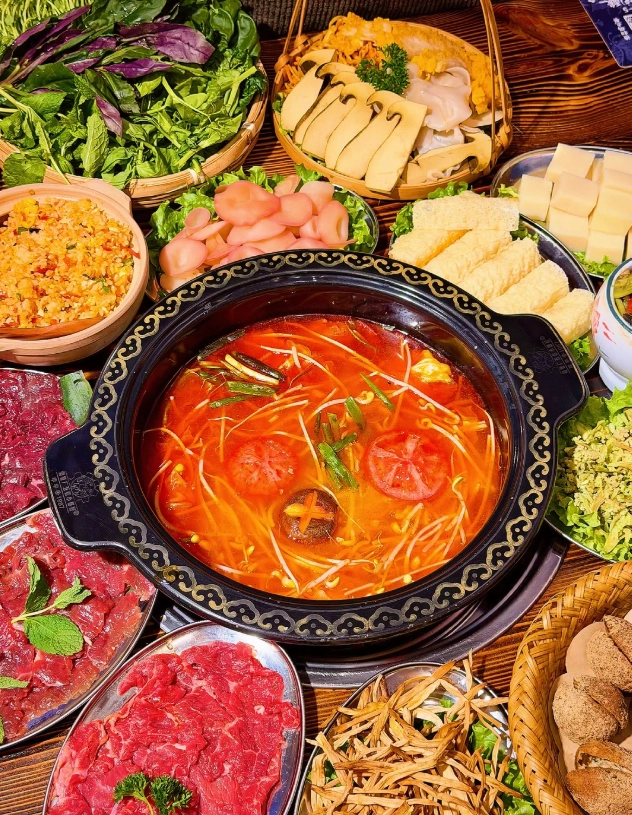
The copper pot is the centerpiece of any festive meal here, and it's a communal feast. A wide brass pot is filled with charcoal in the middle and surrounded by a broth filled with lamb slices, tofu, cabbage, and glass noodles. Unlike Sichuan hot pot, this one is less spicy and more about the quality of the broth and ingredients. My recommendation: if you have a group of four or more, get one at 凯鸽酒楼 (Kǎigē Jiǔlóu)—they've been serving it for decades. Expect to pay around 150–200 RMB for a whole pot that feeds three to four people.
8. Local Snacks and Pastries
Datong also has a handful of street snacks that don't get the same attention as the big dishes. Try the '大同黄糕' (huáng gāo)—a sticky, slightly sweet millet cake that's great with tea. Or the flaky '荞麦碗托' (qiáomài wǎntuō)—buckwheat cakes served with vinegar and chili sauce. And don't miss '涮羊肉' (shuā yáng ròu) at the various skewer stalls if you see them. Now, that's a lot. But you don't have to try everything in one sitting. Prioritize the noodles and the shaomai—they're the ones I get cravings for weeks after I leave.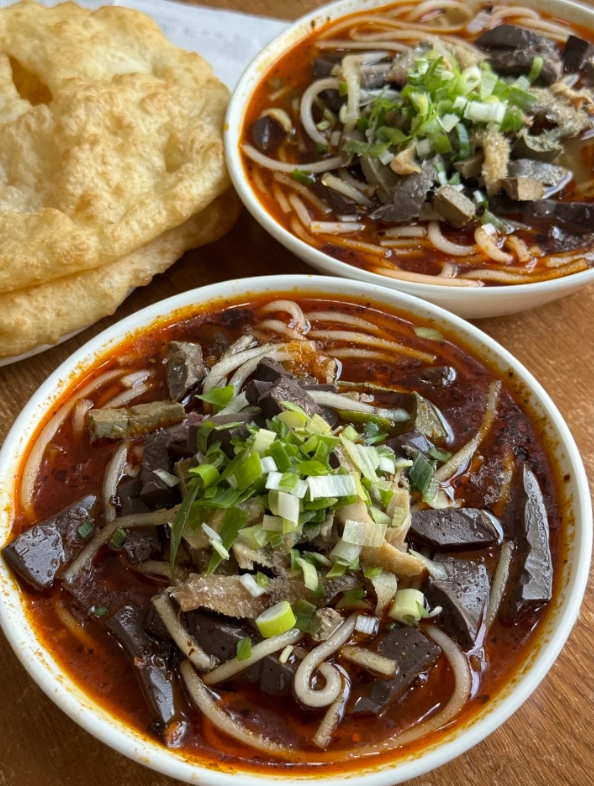
Best Restaurants in Datong: Where I Take My Clients
I've divided my go-tos into three categories: quick bowls, sit-down dinners, and the 'worth-it splurge.' Use this table to compare at a glance, then read my detailed notes below.
| Restaurant | Must-Order | Price / Person | Best For |
|---|---|---|---|
| 东方削面 | Pork knife-cut noodles | ¥15–25 | Quick local lunch |
| 紫泥369粗粮季 | Shaomai and local veg | ¥60–120 | Family-style dinner |
| 北魏家宴 | Oat noodles and mutton | ¥50–90 | Authentic home cooking |
| 凯鸽酒楼 | Copper lamp hot pot | ¥80–150 | Group dinner |
| 凤临阁 (check if open) | Jingjiang shaomai | ¥100–200 | Special occasions |
Now for the details you can't get from a menu.
东方削面 (Dongfang Xiaomian)
This is the 'street-level' noodle shop I trust for a fast and satisfying meal. It's a local chain with a few branches, and the one near Xiaonanmen is my go-to. The noodles are shaved in front of you, and you can add braised pork on top for a few extra yuan. Yes, it's a bit chaotic, but that's part of the charm. I usually order the 'ròu jiāo dāo xiāo miàn' and a side of braised egg. Payment: cash or Alipay/WeChat. No English menu, but the picture menu above the counter is huge. Just point.
紫泥369粗粮季 (Zini 369)
The name translates to 'Purple Mud 369 Coarse Grains Season,' and it's anything but boring. This place is a modern take on northern Shanxi home cooking, with an emphasis on grains and seasonal vegetables. The shaomai here are the best I've had in the city—so juicy you need to eat them with a spoon. Their cold dishes are also fantastic; try the cucumber with garlic and the tofu skin salad. Every time I bring a group here, I order half a dozen shaomai, the oat noodle basket, and the sautéed green beans with minced pork. It's already a feast for four.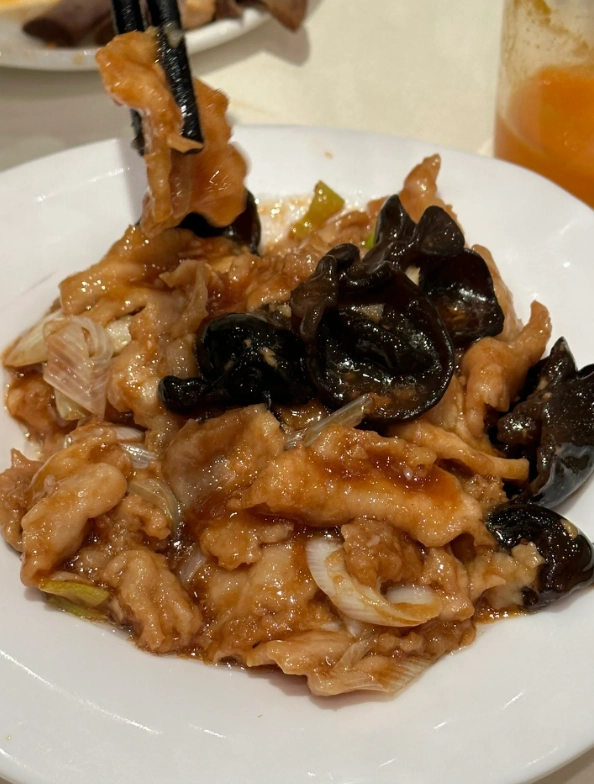
Insider Advice: If the shaomai are sold out by 7pm, just order the oat noodles instead—it's the same exceptional quality.
北魏家宴 (Bei Wei Jiayan)
If you want to taste home-style Datong food made with care, this is the place. It's a bit outside the ancient city, but well worth the 15-minute taxi ride. The yóumiàn here is a revelation—steamed oat rolls served with a spicy lamb sauce that's perfect for drizzling. I always suggest ordering a bowl of '营养粥' (nutritional porridge) to balance the heavy dishes. One word of warning: the waiting area is tiny, and the restaurant closes early on weekdays. Go by 6:30pm or you'll be standing outside with a dozen hungry locals.
凯鸽酒楼 (Kaige Jiulou)
This is the spot for the copper pot experience. The restaurant itself has been around since the 90s, and it shows in the best way—the staff are efficient, the portions are huge, and the pot arrives bubbling with a rich broth. I usually let the server choose the meat combination; they know what's fresh that day. Make sure to ask for extra pickled garlic—the sharpness cuts through the lamb fat beautifully.
凤临阁 (Fenglin Pavilion)
This is a historic restaurant famous for its shaomai, but here's the catch: I've heard mixed reports about its current status. Some say it's closed for renovation, others say the service has gone downhill. Before you go out of your way, ask your hotel staff to confirm. If it is open, their '百花烧麦' (a colorful shaomai platter) is worth the splurge—just don't expect a warm greeting.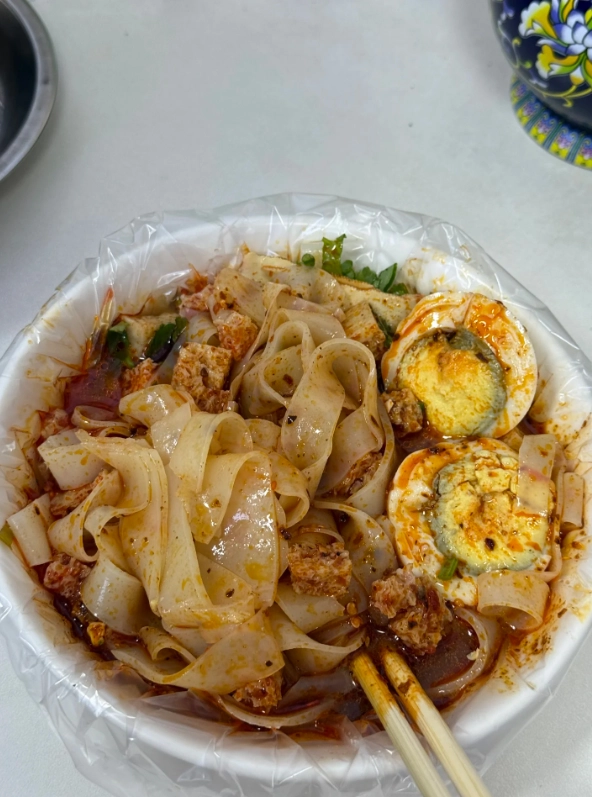
What to Eat in Datong on a Budget?
Traveling cheap doesn't mean sacrificing flavor. Datong's street food scene is where I often eat after my tours end.
- Drum Tower Food Street (鼓楼小吃街) is the go-to place for evening grazing. It's not huge, but you'll find skewers, fried dough sticks, and the city's famous rabbit heads. Most stalls accept mobile payment, but bringing 50 RMB in small notes is useful.
- Buckwheat 'Wan Tuo' — look for vendors selling small round bowls of beigen, buckwheat jelly topped with vinegar and chili. It's around 5–8 RMB and a perfect snack.
- 'Huang Gao' Millet Cake — a compact, sweet cake often sold at breakfast stalls. It sounds healthy, but it's basically dessert.
- Grilled skewers (chuan'r) - lamb, chicken, and mushrooms. Prices vary, but 2–5 RMB per skewer is fair. The seasoning is distinctly northern: cumin and chili powder.
One thing to note: street food hours are unpredictable. If the weather is bad, some vendors won't even bother. If you're craving something specific, it's safer to go to a sit-down restaurant.
How Do I Order and Pay at Datong Restaurants?
Here comes the part that often trips up foreign visitors. Let's make it painless.
Payment: Cash vs Alipay/WeChat vs Credit Card
In 99% of the places I mention in this article, Alipay or WeChat Pay will be your best friend. Cash sometimes works but can get you awkward glances. Credit cards are almost never accepted outside high-end hotels. The good news? Both Alipay and WeChat now allow you to link an international Visa or Mastercard. Set it up before you arrive—doing it in a restaurant without Wi-Fi is a headache. I always tell my clients to print or save a screenshot of their payment QR codes. Also, bring a portable charger; your phone is your wallet here.
Ordering Without Chinese
Pointing at pictures is perfectly acceptable, but there's a smarter way. Most restaurants in Datong have a picture menu on the wall or on a tablet. If you want something specific, use these phrases: 'Zhè gè' (this one), 'Bú yào là' (no spicy), 'Duōshǎo qián?' (how much?). I strongly suggest you download a translation app like Apple Translate or Baidu Translate. You can also snap pictures of a menu and translate them in seconds.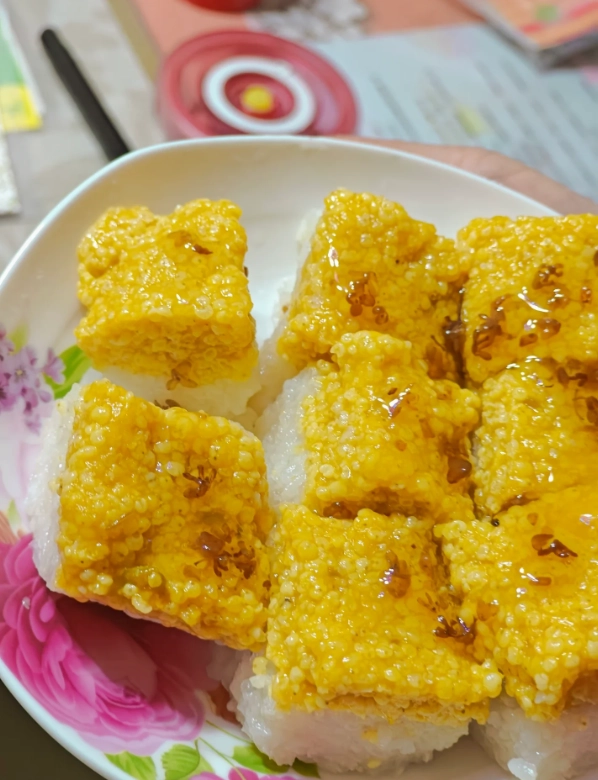
Handling WeChat Mini-Programs
Many local restaurants use WeChat mini-programs for ordering or taking numbers—and they're often only in Chinese. Even I find these clunky. Here's my hack: if a QR code lands on your table, don't panic. Ask your hotel receptionist to help you set up the mini-program, or just wave a waiter over and place your order in person. It's faster than fighting with a digital menu.
Tipping and Service
Tipping is not expected in China. In fact, in some places it might even be refused. Just pay the bill at the counter as you leave. Some formal restaurants add a 10% service charge automatically, but most small places don't.
One-Day What to Eat in Datong Itinerary
If you only have 24 hours in Datong, here's how I'd pack in the eats without missing the city's main sight.
7:00 AM: Breakfast Noodles
The best way to start the day is with a hot bowl of knife-cut noodles at a local joint like 东方削面. Go before 8:00; locals crowd the place by 8:30. The noodles are cheap, filling, and give you all-day energy.
8:30 AM: Yungang Grottoes
Take a taxi or Didi to the grottoes, a 30-minute ride from the old town. Spend two to three hours walking the caves. For historical background, check the official UNESCO World Heritage listing.
12:30 PM: Lunch at 紫泥369
Head back to the old city and grab a table before the lunch rush. Order the shaomai and a bowl of oat noodles. You'll be full but not stuffed. If you're not in the mood for a long sit-down, grab a bowl of fried rice at a random local spot—it's hard to mess that up.
2:30 PM: Ancient City Wander
Explore the Drum Tower, Huayan Temple, and the city walls. The streets are compact and easy to walk. Stop at a street stall for a cold Hunyuan cold noodle or a buckwheat wan tuo around 4pm.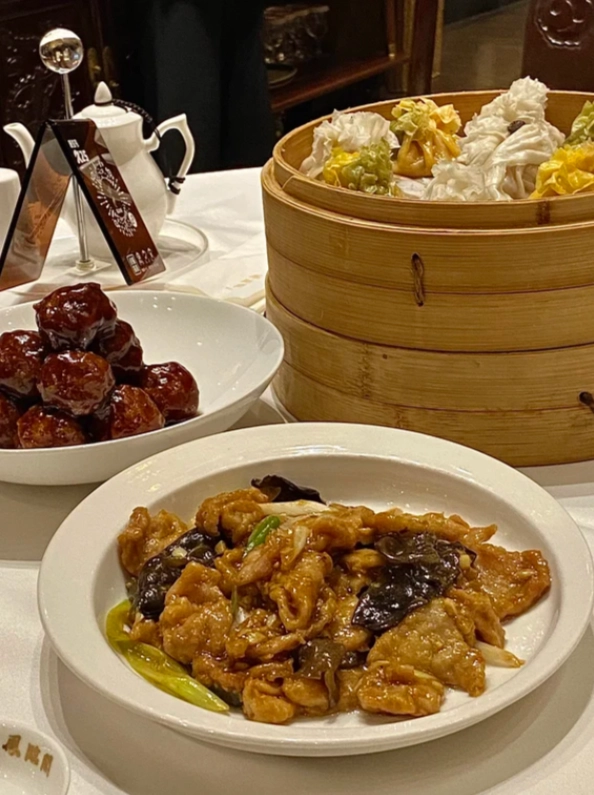
6:30 PM: Copper Pot Dinner
Finish the trip with an all-out dinner at 凯鸽酒楼. The copper pot is theatrical, social, and utterly delicious. Order some lamb skewers from a nearby vendor afterwards to extend the evening.
Getting to Datong
High-speed rail is the simplest way to reach Datong from Beijing or other big cities. Book your ticket on the official China Railway website and reserve a day in advance during holiday periods.
What to Eat in Datong with Dietary Restrictions
Not everyone can dive headfirst into the local meat-heavy cuisine. Here's how to survive and actually enjoy Datong.
Vegetarians
Vegetarian dining is possible, but requires strategy. The city's vegetables are superb—try stir-fried cucumber, garlic greens, and the local tofu skin. However, many 'vegetarian' dishes are cooked in lard or alongside meat. Tell your server 'wǒ chī sù' (I eat vegetarian) and ask if they have a separate wok. My favorite veg-friendly spot is a small Buddhist restaurant near Huayan Temple, but it's not always open. Otherwise, head to any hot pot place and load up on tofu and mushrooms.
Halal-Friendly
Datong has a significant Muslim population, so halal options are easier to find than you might think. Look for signs with Arabic script or the word '清真' (qīngzhēn). On the street, lamb skewer stalls are often halal. The famous mutton soup is typically from lamb, so that works too. For a sit-down, ask your hotel for a recommendation—they know the reliable halal spots.
Allergies
If you have severe allergies, bring a card in Chinese that lists all your allergens. This is not just helpful, it's lifeline. Peanuts are less common here than in Sichuan, but wheat and soy are everywhere. Don't rely on English explanations—kitchen staff often don't understand them. Also, note that MSG is used heavily; if you're sensitive, say 'fàng shǎo wèijing' (put less MSG).
FAQ: Common Datong Food Problems, Solved
Is Datong food spicy?
Not like Sichuan. You'll find heavy use of chili oil and cumin, but it's more smoky and aromatic than tongue-numbing. If you're sensitive, always order 'bú yào là' (no spice).
Can I use credit cards at local restaurants in Datong?
In most small restaurants, no. Set up Alipay or WeChat Pay with an international card before arriving. Even my go-to noodle shop takes mobile payment only.
Where can I find breakfast in Datong?
Head to any busy noodle shop or a food market before 9am. Look for queues of locals holding white bowls. The 'guo kui' stuffed flatbread and soy milk are also great choices.
What's the best way to avoid tourist-trap restaurants?
Skip places with aggressive touts or huge English menus. Choose restaurants that are packed with Chinese tourists or businessmen—they don't tolerate bad food. Also, ask your hotel receptionist where they eat off-duty.
Are there rabbit head alternatives for the less adventurous?
Definitely. Order the lamb skewers or the shou zhua lamb (hand-gripped lamb) instead. You still get that northern charcoal flavor without the bunny.
Verified and fact-checked by the editorial team.





No comments yet.